
Empowering Local Communities to Lead in Waste Reduction
A New Era of Community-Led Sustainability
Looks like the global conversation about waste has shifted from a narrow focus on end-of-pipe solutions to a broader recognition that durable change begins in neighborhoods, workplaces, schools, and cities, where people live and make daily choices that collectively shape the planet's future, and yes, we feel we are a big part of that positive change - oh and you're welcome :) On YouSaveOurWorld.com, this amazing shift is reflected in a growing emphasis on how local communities can become powerful agents of change, transforming waste from an inevitable by-product of modern life into a strategic resource that is designed out of systems wherever possible and responsibly managed where it cannot be avoided. While international agreements, national regulations, and corporate commitments remain essential, the most resilient and innovative waste reduction strategies increasingly emerge from the ground up, where citizens, entrepreneurs, educators, and local governments collaborate to reimagine how products are designed, consumed, reused, and recycled.
This community-centered approach aligns closely with the principles of sustainable living, in which individual behavior, local infrastructure, and shared cultural norms combine to reduce environmental impact while improving quality of life. It also reflects a growing body of evidence from organizations such as the United Nations Environment Programme and the World Bank, which indicates that decentralized, community-led waste initiatives often achieve higher participation rates, lower contamination of recyclables, and stronger long-term engagement than purely top-down schemes. As climate pressures intensify and resource constraints become more visible, empowering local communities to lead in waste reduction is no longer a peripheral activity; it is a core strategy for building resilient economies, healthier societies, and a more stable climate.
The Strategic Role of Waste Reduction in a Low-Carbon Future
Waste reduction is frequently perceived as a narrow environmental issue, yet in practice it sits at the intersection of climate policy, public health, economic development, and urban planning. According to the Intergovernmental Panel on Climate Change (IPCC), emissions from waste management, including landfill methane, incineration, and inefficient resource use, contribute significantly to global greenhouse gas emissions, particularly in rapidly urbanizing regions. When communities prioritize reduction, reuse, repair, and high-quality recycling, they not only divert materials from landfills and incinerators but also avoid the upstream emissions associated with extracting, processing, and transporting raw materials, which often dwarf those generated at the disposal stage.
For readers of YouSaveOurWorld.com, who follow developments in climate change and resource efficiency, the link between waste and climate action is increasingly clear. Studies from Project Drawdown and the International Energy Agency (IEA) highlight circular economy strategies-such as material efficiency, extended product life, and closed-loop recycling-as some of the most cost-effective approaches to reducing emissions while supporting economic resilience. Communities that adopt these practices are not merely managing waste; they are designing climate-smart systems that align with broader goals of energy efficiency, biodiversity protection, and social equity.
Moreover, waste reduction has direct implications for public health and social well-being. Poorly managed waste contributes to air and water pollution, vector-borne diseases, and toxic exposure, particularly in low-income neighborhoods and informal settlements. By empowering local actors to improve collection, sorting, and reduction practices, municipalities can address environmental justice concerns and support healthier, more livable communities. The World Health Organization (WHO) has repeatedly underscored the connection between waste management and health outcomes, reinforcing the idea that waste reduction is central to human well-being, not a peripheral environmental concern.
Community as the Engine of Sustainable Living
Local communities are uniquely positioned to drive change because they operate at a scale that is both intimate and impactful. Residents know their own consumption patterns, cultural norms, and infrastructural constraints, which allows them to design waste reduction strategies that are context-specific and socially acceptable. This is particularly relevant for those pursuing a more intentional, low-impact lifestyle, where day-to-day decisions about what to buy, how to use it, and how to dispose of it define the real-world meaning of sustainable living.
Community-led initiatives often start with awareness and education. Neighborhood associations, schools, and local NGOs host workshops on home composting, repair skills, and low-waste shopping, drawing on resources from organizations such as Zero Waste International Alliance and Ellen MacArthur Foundation, which provide practical tools and case studies on circular economy practices. Over time, these educational efforts can shift social norms, making waste reduction not a niche activity but a shared expectation. When local leaders model low-waste behaviors, celebrate success stories, and integrate sustainability into community events and spaces, they help embed environmental responsibility into everyday culture.
On YouSaveOurWorld.com, the importance of environmental awareness is framed not only as a matter of knowledge but as a question of identity and values. Communities that see themselves as stewards of their environment are more likely to support infrastructure investments, policy changes, and behavioral shifts that reduce waste over the long term. This social dimension of waste reduction is critical; technical solutions can only succeed when people understand, trust, and embrace them, and that trust is most easily built at the local level, where relationships are direct and feedback is immediate.
Plastic Recycling and the Power of Local Innovation
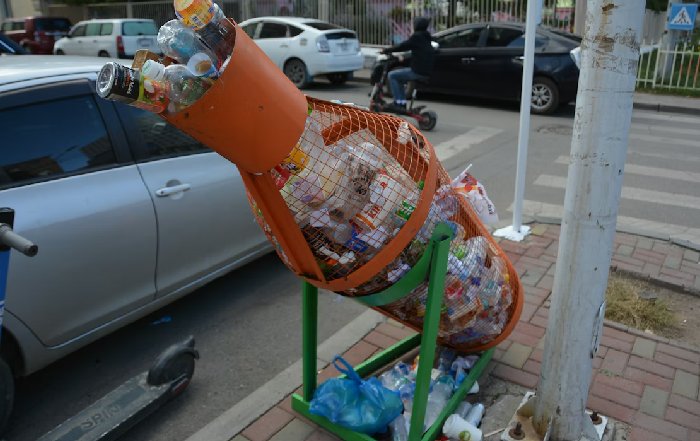
Plastic waste remains one of the defining environmental challenges of this decade, with rivers, oceans, and soils increasingly contaminated by macro- and microplastics. While global treaties such as the emerging UN Global Plastics Treaty are essential for setting overarching rules, local communities play a decisive role in determining how much plastic is used, how it is collected, and whether it is effectively recycled or reused. Community-led plastic recycling initiatives demonstrate how localized knowledge and creativity can transform a seemingly intractable problem into an opportunity for innovation and livelihood creation.
In many cities, citizen groups have partnered with municipal authorities and local businesses to establish neighborhood collection points, sorting hubs, and micro-recycling facilities that specialize in particular plastic streams. These initiatives often draw on guidance from organizations such as OECD and UN-Habitat, which document best practices in urban waste management and inclusive recycling. By focusing on specific, high-value plastic types and ensuring clean, well-sorted inputs, communities can improve the economics of recycling and reduce contamination, which has historically undermined many large-scale programs.
For the audience of YouSaveOurWorld.com, which explores topics such as plastic recycling and circular design, these local experiments offer actionable lessons. Communities that succeed in reducing plastic waste typically combine upstream measures-such as encouraging refillable packaging, banning certain single-use items, and promoting alternative materials-with downstream improvements in collection, sorting, and processing. Digital platforms and mobile applications help residents locate refill stations, track their waste reduction achievements, and connect with local recyclers, illustrating how technology can amplify community efforts when designed with local needs in mind.
Sustainable Business as a Community Partner
The transition to a low-waste society cannot be achieved by citizens alone; it requires active participation from the business sector, which designs, manufactures, and distributes most of the products that ultimately become waste. In recent years, many companies have adopted sustainability commitments aligned with frameworks such as the UN Global Compact and the Science Based Targets initiative (SBTi), yet the most meaningful progress often occurs when businesses collaborate closely with the communities where they operate. This collaboration is especially relevant for readers interested in sustainable business and business strategy, where local engagement is increasingly recognized as a driver of innovation and risk management.
Forward-looking enterprises are co-designing packaging take-back schemes, deposit-refund systems, and repair services with local stakeholders, ensuring that solutions are accessible, culturally appropriate, and financially viable. Retailers partner with municipalities to pilot reusable container programs, while manufacturers work with local entrepreneurs to create reverse logistics networks that recover products and materials at the end of their life. International organizations such as the World Business Council for Sustainable Development (WBCSD) and CDP provide frameworks and benchmarks that help companies integrate waste reduction into their core business models, but implementation often depends on the quality of local partnerships and the trust built with communities.
On YouSaveOurWorld.com, readers are encouraged to learn more about sustainable business practices that align profitability with environmental stewardship. Community-centered waste reduction initiatives help businesses anticipate regulatory changes, respond to consumer expectations, and discover new revenue streams in repair, remanufacturing, and resource recovery. When companies view communities not merely as markets but as co-creators of solutions, they unlock new forms of value that strengthen both their competitive position and their social license to operate.
Policy, Governance, and the Enabling Environment
Effective community leadership in waste reduction does not emerge in a vacuum; it requires an enabling policy environment that provides clear rules, adequate resources, and opportunities for meaningful participation. National and regional frameworks, such as extended producer responsibility regulations and landfill taxes, set the overall direction, but local governments hold the key to implementation, enforcement, and citizen engagement. Institutions like the OECD and the European Environment Agency (EEA) have documented how cities that adopt integrated waste management plans, transparent data systems, and participatory decision-making processes tend to achieve higher recycling rates and lower residual waste.
Local authorities can empower communities by providing infrastructure for separate collection, investing in material recovery facilities, and supporting decentralized solutions such as neighborhood composting sites and repair hubs. At the same time, they can create platforms for dialogue, where residents, businesses, and civil society organizations collaborate to set targets, monitor progress, and adjust strategies based on real-world feedback. Transparent reporting and open data, supported by digital tools and geographic information systems, enable communities to see the impact of their efforts and hold institutions accountable, which in turn reinforces trust and participation.
For a global audience following developments on global sustainability and policy, it is clear that governance structures must evolve to reflect the distributed nature of waste generation and the localized character of effective solutions. International agreements and national laws provide essential guardrails, yet the success of these frameworks ultimately depends on how well they are translated into local action, where communities can either embrace or resist the changes being proposed. This is why YouSaveOurWorld.com emphasizes the interplay between global policy, local governance, and community leadership in its coverage of waste reduction and circular economy issues.
Technology and Innovation as Community Tools
Technological innovation is often portrayed as a top-down process driven by large corporations and research institutions, yet in the realm of waste reduction, many of the most impactful tools are those that empower communities to act more effectively. From low-cost sensors that monitor public bins and optimize collection routes to community-scale anaerobic digesters that convert organic waste into biogas and fertilizer, technology can be a powerful enabler when it is designed with user needs and local constraints at the forefront. Organizations such as MIT's D-Lab and Ashoka have highlighted numerous examples of frugal innovation in waste management, where simple, robust solutions achieve outsized impact in resource-constrained settings.
Digital platforms play a particularly important role. Mobile applications allow residents to schedule bulky waste pickups, find local repair services, and access detailed information about what can be recycled where, reducing confusion and contamination. Online marketplaces facilitate the exchange of surplus materials, from construction offcuts to office furniture, turning potential waste into valuable inputs for new projects. For readers interested in innovation and technology, these developments illustrate how digital and physical systems can be integrated to support circular flows of materials at the community level.
On YouSaveOurWorld.com, technology is presented not as an end in itself but as a means to empower people, organizations, and cities to collaborate more effectively on waste reduction. When communities are involved in the design and governance of technological systems, they are more likely to trust and use them, and the resulting data can feed back into better planning, targeted interventions, and continuous improvement. The emphasis is on human-centered innovation, where tools are evaluated not only for their technical performance but for their contribution to social cohesion, environmental integrity, and long-term resilience.
Design, Lifestyle, and the Culture of Low Waste
Waste is not only a technical or economic issue; it is also a design and cultural challenge. The products, packaging, and spaces that surround people shape their behavior, often making high-waste choices the default. Designers, architects, and urban planners have a critical role to play in creating systems that make low-waste living intuitive, convenient, and attractive. Organizations such as the Ellen MacArthur Foundation and World Green Building Council have advanced the concept of circular design, where materials are chosen for durability and recyclability, products are modular and repairable, and buildings are conceived as material banks that can be deconstructed and repurposed rather than demolished.
Communities that embrace this design philosophy reimagine everything from local markets to public events. They encourage refill stations instead of single-use packaging, support repair cafés where residents can fix electronics and household items, and design public spaces with clear, user-friendly sorting stations that reduce contamination and increase recycling rates. These interventions influence lifestyle choices, making it easier for individuals to align their daily actions with their values and aspirations for a healthier planet. For readers exploring lifestyle and design on YouSaveOurWorld.com, the message is that aesthetics, convenience, and sustainability can and must be aligned.
The cultural dimension extends to how communities celebrate and communicate their progress. Storytelling, art, and local media can highlight waste reduction champions, share practical tips, and normalize new behaviors. When residents see peers and local leaders adopting low-waste practices, the perception of what is "normal" shifts, and resistance to change diminishes. Over time, a culture of low waste becomes self-reinforcing, as new generations grow up with different expectations about consumption, ownership, and responsibility.
Education, Skills, and Personal Well-Being
Empowering local communities to lead in waste reduction ultimately depends on education and skills development. Schools, vocational training centers, universities, and informal learning spaces all play a role in equipping people with the knowledge and competencies needed to design, implement, and sustain effective waste strategies. International frameworks such as UNESCO's Education for Sustainable Development emphasize the importance of systems thinking, critical reflection, and collaborative problem-solving, all of which are essential for understanding and addressing the complex drivers of waste.
On YouSaveOurWorld.com, the connection between education and personal well-being is highlighted as a core element of sustainable living. Learning how to repair items, compost organic waste, or participate in local governance processes not only reduces environmental impact but also fosters a sense of agency, purpose, and community belonging. These psychological and social benefits are increasingly recognized by organizations such as the American Psychological Association (APA), which has explored the mental health dimensions of environmental engagement, suggesting that meaningful participation in sustainability initiatives can enhance resilience and life satisfaction.
Furthermore, waste reduction can create new economic opportunities that support livelihoods and local development. Training programs in recycling technologies, circular product design, and sustainable business models enable entrepreneurs and workers to participate in emerging green sectors. This aligns with broader discussions on economy and job creation, where the transition to a circular economy is seen as a driver of innovation and employment. When communities invest in education and skills related to waste reduction, they are not only solving an environmental problem but also building the human capital needed for a more inclusive and resilient economy.
A Shared Mission for Communities and YouSaveOurWorld.com
Moving on, the need to reduce waste and transition toward circular, low-carbon systems grows more urgent, yet the pathways to progress are clearer than ever. Local communities stand at the center of this transformation, bringing together citizens, businesses, educators, and policymakers to design solutions that reflect their unique contexts and aspirations. On YouSaveOurWorld.com, this community-led perspective is more than a theme; it is a guiding principle that shapes how topics such as waste, innovation, technology, and sustainable living are explored and shared.
By highlighting successful examples, distilling practical insights, and connecting readers to trusted external resources such as the UNEP, World Bank, IPCC, and WHO, the platform seeks to strengthen the Experience, Expertise, Authoritativeness, and Trustworthiness that communities need to navigate a rapidly changing world. It recognizes that waste reduction is not a single project or policy but an ongoing process of learning, experimentation, and collaboration, in which every neighborhood, business district, and city can play a leadership role.
Ultimately, empowering local communities to lead in waste reduction is about more than managing materials; it is about redefining relationships-to resources, to one another, and to the systems that support life on Earth. By aligning daily choices with long-term planetary boundaries, and by building institutions that value stewardship as much as growth, communities can chart a path toward a future in which waste is no longer a symbol of inefficiency and neglect but a reminder of how far society has come in learning to live within its means. YouSaveOurWorld.com exists to support that journey, providing a space where knowledge, inspiration, and practical guidance converge, and where every reader is invited to see their own community as a potential leader in the global movement to reduce waste and regenerate the planet.
