
Home Herb Gardens in 2026: A Strategic Lever for Sustainable Prosperity
Across global cities, regional hubs, and rural communities, home herb gardens have moved from being a niche pastime to a serious component of the sustainability agenda, and in 2026 they sit at the intersection of environmental responsibility, economic resilience, technological innovation, and personal well-being. For You Save Our World, which is dedicated to advancing practical pathways toward sustainable living, the evolution of home herb gardening is not simply a lifestyle trend; it is an accessible, scalable practice that embodies the principles of experience, expertise, authoritativeness, and trustworthiness that modern audiences demand from credible sustainability guidance.
In an era marked by climate volatility, geopolitical tension, supply chain fragility, and rising living costs, the simple act of cultivating basil on a balcony or rosemary on a windowsill now carries strategic implications. Home herb gardens reduce dependence on industrial agriculture, lower the carbon intensity of everyday meals, enhance local biodiversity, and offer a degree of food autonomy that is particularly relevant after the shocks of the early 2020s. At the same time, they contribute to personal health and mental well-being, aligning closely with the holistic view of sustainability promoted on You Save Our World, where environmental integrity, economic stability, and personal well-being are treated as mutually reinforcing goals rather than competing priorities.
Environmental Impact: From Industrial Supply Chains to Hyper-Local Harvests
The environmental case for home herb gardens is grounded in the contrast between industrial food systems and localized production. Large-scale agriculture, while highly productive, remains a major driver of greenhouse gas emissions, land degradation, and water overuse. The Food and Agriculture Organization of the United Nations explains that food systems collectively account for a substantial share of global emissions, with transport, processing, packaging, and retail adding layers of environmental cost beyond the farm gate. When consumers grow herbs at home, they effectively bypass much of this chain, displacing emissions and resource use with a hyper-local, low-input alternative.
Herbs purchased in supermarkets typically arrive encased in plastic, chilled in refrigerated trucks, and often flown or trucked across borders before reaching the shelf. Each of those steps contributes to the carbon footprint of a seemingly minor ingredient. By contrast, a home gardener who picks parsley from a pot on the terrace or mint from a small raised bed eliminates transport emissions and packaging altogether, while also having the option to use organic methods that avoid synthetic fertilizers and pesticides. This shift aligns directly with the environmental awareness work promoted on You Save Our World's climate change hub, where the focus is on practical, evidence-based measures that individuals can adopt without sacrificing quality of life.
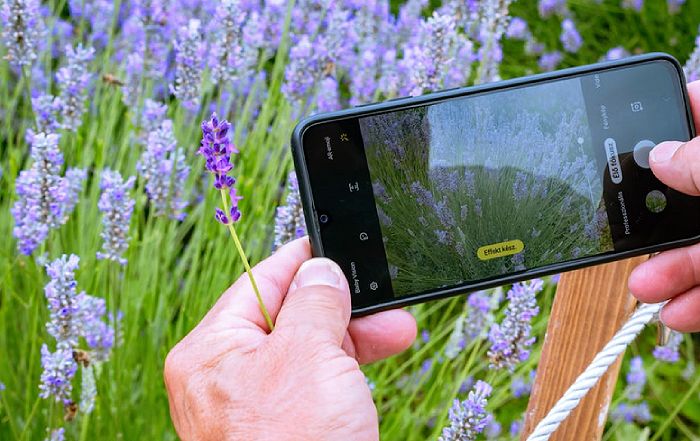
In many urban environments, home herb gardens also contribute to micro-scale biodiversity. Pollinators such as bees and butterflies rely on flowering herbs like thyme, oregano, and lavender for nectar and pollen, and even a small balcony garden can function as a stepping stone habitat within a fragmented city ecosystem. Organizations such as Pollinator Partnership and the Royal Horticultural Society have long emphasized the importance of diverse, pesticide-free plantings in cities, and herb gardens fit neatly into this guidance, delivering both ecological and culinary value.
Soil Health, Waste Reduction, and Circular Resource Use
An often underappreciated dimension of home herb gardening is its role in promoting healthier soils and more circular patterns of resource use. When gardeners integrate composting into their practice-using kitchen scraps, coffee grounds, and plant trimmings-they close a loop that typically ends in landfill. Instead of organic waste decomposing anaerobically and emitting methane, a potent greenhouse gas, it is transformed into nutrient-rich compost that improves soil structure, water retention, and microbial diversity.
Institutions such as the Soil Health Institute and Rodale Institute have documented the benefits of organic matter for soil carbon sequestration and resilience, and these principles apply at the scale of a backyard herb patch as much as they do in regenerative agriculture. For the audience of You Save Our World, which frequently engages with topics such as waste management and reduction, herb gardens offer a tangible entry point into circularity: coffee grounds feed the soil that grows the herbs that flavor the meals, while trimmings and leftovers return to the compost bin.
This circular approach also supports a reduction in plastic waste. Supermarket herbs are typically sold in single-use plastic sleeves or clamshells designed to protect delicate leaves in transit. By harvesting directly from home, gardeners eliminate this packaging entirely, complementing efforts by organizations like Ellen MacArthur Foundation to accelerate the transition away from single-use plastics. For those already interested in plastic recycling and reduction, herb gardening represents an immediate, low-barrier strategy to prevent waste rather than manage it after the fact.
Economic Resilience and Micro-Enterprise Opportunities
From an economic perspective, home herb gardens contribute to household resilience and, in many cases, to local entrepreneurial ecosystems. Fresh herbs are often among the more expensive items in the produce section, with small packets commanding premium prices relative to their weight. For families and individuals who cook frequently, the cumulative cost of purchased herbs can be significant over a year. A modest investment in seeds, soil, and containers can therefore yield a meaningful return in the form of ongoing access to high-quality, fresh ingredients.
Analyses by consumer organizations and food policy think tanks such as Consumers International and The Food and Land Use Coalition have highlighted the pressure that rising food prices place on households, particularly in urban areas. By growing a portion of their own herbs, households buffer themselves against price volatility, supply disruptions, and quality fluctuations. The experience gained in managing small-scale production-planning, planting cycles, harvesting, and storage-also builds practical skills that can be leveraged in broader sustainable living strategies, a theme that resonates with the economic insights shared on You Save Our World's economy section.
In many regions, home herb gardens have evolved into micro-enterprises. Residents sell fresh-cut bundles, dried blends, herbal teas, or infused oils at local markets, through community-supported agriculture schemes, or via digital platforms. These businesses often emphasize organic methods, local provenance, and minimal packaging, aligning with the principles of sustainable business practices promoted by organizations like B Lab, which certifies B Corporations committed to social and environmental performance. For You Save Our World, which highlights the role of business as a driver of positive change on its business and sustainability pages, home-based herb ventures illustrate how entrepreneurship can be both profitable and regenerative at a community scale.
Climate Change Mitigation and Adaptation in Practice
As climate change intensifies, adaptation strategies that can be widely adopted without large capital outlays become increasingly important. Home herb gardens are one such measure, providing both mitigation and adaptation benefits. On the mitigation side, they reduce emissions associated with long-distance transport, cold storage, and industrial packaging. On the adaptation side, they offer households a measure of food autonomy and nutritional diversity, particularly important during disruptions caused by extreme weather, geopolitical conflict, or supply chain breakdowns.
Research from the Intergovernmental Panel on Climate Change (IPCC) and the World Resources Institute underscores the need for diversified, localized food systems that can withstand climate shocks. Herb gardens, while modest in scale, contribute to this diversification. When integrated into balconies, rooftops, courtyards, and community spaces, they increase urban green cover, which can help mitigate heat island effects and improve local microclimates. This aligns with the broader climate adaptation narrative that You Save Our World advances through its dedicated climate change resources, where the emphasis is on solutions that are both scientifically grounded and practically achievable.
Water-efficient growing methods further enhance the climate resilience of herb gardening. Techniques such as drip irrigation, self-watering containers, and small-scale hydroponics can dramatically reduce water use compared to conventional gardening. The United Nations Environment Programme (UNEP) and Global Water Partnership have highlighted the importance of efficient irrigation in a warming world, and smart home systems now make it possible to automate watering based on real-time moisture data, preventing waste while ensuring plant health. In drought-prone regions, these practices transform herb gardens into showcases of responsible water stewardship.
Technology, Design, and Innovation in the 2026 Herb Garden
By 2026, technology has become deeply integrated into home herb gardening, turning what was once a purely analog activity into a sophisticated blend of horticulture and digital design. Compact indoor growing units, powered by efficient LED lighting and controlled via smartphone apps, are increasingly common in apartments and small homes. These systems regulate light cycles, temperature, and nutrient delivery to optimize plant growth, making it possible to cultivate herbs year-round in regions with harsh winters or limited natural light.
Companies specializing in smart gardening solutions, some of which collaborate with research institutions like MIT Media Lab and Fraunhofer Institute, have demonstrated that these technologies can reduce water use by up to 90 percent compared to traditional soil-based methods, while also minimizing fertilizer runoff. This convergence of technology and sustainability aligns with the innovation-focused perspective of You Save Our World, which emphasizes that digital tools, when thoughtfully deployed, can accelerate environmental progress rather than undermine it.
Design thinking also plays a key role. Architects and interior designers increasingly incorporate herb-growing modules into kitchens, balconies, and shared building amenities, reflecting a broader shift toward biophilic design. Organizations such as the World Green Building Council and International WELL Building Institute have documented the health and productivity benefits of integrating nature into built environments, and herb gardens offer a practical, edible manifestation of these principles. On You Save Our World, where design and innovation are treated as critical levers for sustainable transformation, herb gardens exemplify how aesthetics, function, and ecology can be harmonized in everyday spaces.
Cultural Continuity, Education, and Lifestyle Transformation
Beyond environmental and economic metrics, home herb gardens carry deep cultural and educational significance. Many culinary traditions are anchored in specific herbs-basil in Mediterranean cooking, cilantro in Latin American and South Asian cuisines, lemongrass in Southeast Asia, dill in Eastern Europe-and growing these plants at home reinforces cultural continuity while offering fresher, more aromatic ingredients than most store-bought alternatives. This intimate connection with food origins supports the kind of environmental awareness that You Save Our World seeks to nurture: awareness that is experiential, embodied, and linked to daily routines rather than abstract concepts alone.
Educational institutions worldwide are increasingly using herb gardens as hands-on laboratories for science, nutrition, and sustainability education. Schools in North America, Europe, and parts of Africa and Asia have integrated small gardens into their curricula, teaching students about plant biology, soil systems, climate impacts, and healthy eating. Organizations like Slow Food International and UNESCO support these efforts through programs that connect food heritage, biodiversity, and education. For readers interested in how education can drive long-term behavioral change, the perspective offered on You Save Our World's education page complements the practical insights gained from school and community herb projects.
At the level of lifestyle, herb gardening encourages slower, more mindful interaction with food and the environment. It invites people to step away from screens, engage their senses, and cultivate patience as they watch plants grow from seed to harvest. This rhythm supports mental health and stress reduction, topics that have gained prominence in sustainability discourse as organizations like the World Health Organization and American Psychological Association draw connections between nature contact and psychological well-being. On You Save Our World, where lifestyle choices are framed as a powerful driver of systemic change, herb gardens serve as an example of how small, pleasurable habits can align with larger ecological and social goals.
Policy, Urban Planning, and Global Frameworks
The scaling of home herb gardening from individual hobby to recognized sustainability tool has been reinforced by policy initiatives and urban planning strategies. Municipal governments in cities such as Paris, Singapore, Vancouver, and Seoul have introduced incentives for urban agriculture, from grants for rooftop gardens to zoning changes that facilitate community plots. These measures are often framed within broader commitments to the United Nations Sustainable Development Goals, particularly those related to sustainable cities, responsible consumption, climate action, and health.
International organizations such as C40 Cities and ICLEI - Local Governments for Sustainability have highlighted urban agriculture, including small-scale herb production, as a component of climate action plans and resilience strategies. By embedding garden spaces into residential developments, public housing, and mixed-use projects, planners create infrastructure that normalizes food-growing as part of urban life. This direction aligns with the global perspective presented on You Save Our World's global sustainability section, where local initiatives are understood as building blocks of planetary-scale change.
At the same time, non-governmental organizations and community groups provide training, seeds, and tools to under-resourced neighborhoods, ensuring that the benefits of herb gardening-fresh food, green space, entrepreneurial opportunity-are not confined to affluent districts. This equity lens is essential to building trust and legitimacy in sustainability initiatives, reinforcing the idea that environmental progress must be inclusive to be durable.
Integrating Herb Gardens into a Holistic Sustainable Living Strategy
For You Save Our World, home herb gardens are not an isolated topic but part of a broader ecosystem of practices that define genuinely sustainable living. They intersect with waste reduction, plastic avoidance, climate mitigation, economic resilience, educational enrichment, and mental health, making them a powerful entry point for individuals and organizations seeking to align daily actions with long-term planetary well-being.
Readers exploring sustainable living frameworks on the site will find that herb gardening complements other strategies such as energy efficiency, low-impact transport, and responsible consumption. Those interested in innovation and technology can delve deeper into smart gardening systems, data-driven water management, and renewable-powered growing solutions. Visitors focused on business and economic transitions can examine how micro-enterprises and local supply chains built around herbs contribute to more resilient, community-centered economies.
In 2026, the case for home herb gardens is no longer framed merely in terms of culinary pleasure, though that remains an important and motivating factor. Instead, herb gardens are understood as strategic, evidence-based tools that individuals, families, businesses, and communities can use to advance sustainability objectives in ways that are practical, affordable, and deeply rewarding. By championing these practices and providing reliable, actionable guidance, You Save Our World continues to position itself as a trusted partner for those who recognize that the path to a livable future is built from countless small, intentional choices-like planting a seed, tending a pot, and harvesting a handful of leaves that nourish both people and planet.
