
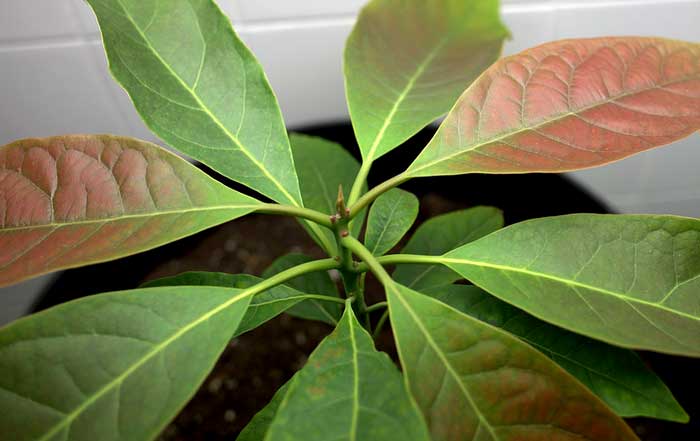
Trees, Forests, and the Future of Sustainable Prosperity in 2026
In 2026, forests and trees have moved from the margins of environmental discourse to the center of global strategy for climate stability, economic resilience, and human well-being. On You Save Our World, this shift is not treated as a distant policy debate but as a practical and deeply interconnected reality that touches sustainable living, business transformation, technological innovation, and personal well-being. Trees are no longer seen merely as background scenery or raw material; they are recognized as critical infrastructure for a livable planet, shaping decisions from boardrooms to city councils, from smallholder farms to global financial markets.
The world has entered a decisive decade in which climate thresholds, biodiversity loss, and resource constraints are converging. Against this backdrop, forests function as climate regulators, biodiversity reservoirs, water and soil protectors, and powerful economic assets. The question facing governments, businesses, and communities is no longer whether forest protection matters, but how quickly and effectively they can integrate tree and forest stewardship into strategies for sustainable living, resilient economies, and equitable development. This article explores how that integration is unfolding in 2026 and how the perspectives shared on You Save Our World are helping decision-makers and citizens navigate this transformation.
Forests in 2026: Progress, Pressure, and a Narrowing Window
The global forest landscape in 2026 is marked by contradiction. On one hand, ambitious pledges under the Paris Agreement have led many countries to embed forest protection into their national climate plans, and large-scale restoration initiatives such as the Bonn Challenge and the UN Decade on Ecosystem Restoration have mobilized billions of dollars and countless community projects. On the other hand, deforestation and forest degradation continue in critical regions, driven by agricultural expansion, mining, infrastructure, and weak governance.
Major tropical forest nations have adopted more sophisticated monitoring systems, often using near-real-time satellite data and open platforms such as Global Forest Watch from the World Resources Institute, to track forest loss and enforce regulations. Some, like Brazil and Colombia, have demonstrated that a combination of strong law enforcement, recognition of indigenous land rights, and support for sustainable livelihoods can rapidly reduce deforestation when political will is present. Yet in other regions, particularly parts of Southeast Asia and Central Africa, forest loss remains stubbornly high, reflecting the tension between short-term economic pressures and long-term ecological stability.
For the audience of You Save Our World, this global picture is not abstract. It connects directly to choices around sustainable living, responsible consumption, and the demand signals that global supply chains respond to. As consumers, investors, and citizens insist on deforestation-free products and transparent sourcing, they are quietly reshaping incentives for land use worldwide, demonstrating that informed environmental awareness is itself a powerful form of climate action.
Trees as Carbon Infrastructure in a Climate-Constrained World
By 2026, the role of forests as carbon sinks is firmly embedded in climate policy and corporate strategy. Trees absorb and store vast quantities of carbon dioxide, buffering the global climate system and buying time for the energy transition. Analyses from organizations such as the Intergovernmental Panel on Climate Change and UN Environment Programme show that nature-based solutions, particularly forest protection and restoration, could deliver a significant share of the mitigation needed to keep global warming within 1.5-2°C, but only if deforestation is rapidly curtailed and restoration is implemented with ecological integrity.
Corporations that have committed to net-zero targets, including Apple, Microsoft, Google, and Amazon, increasingly recognize that they cannot rely on offsets alone and must prioritize deep emissions cuts in their operations and value chains. Nevertheless, high-quality forest projects remain part of their portfolios, particularly where they deliver co-benefits for biodiversity and local communities. These projects are now subject to more rigorous standards and scrutiny, with independent verification and transparent reporting designed to avoid greenwashing and ensure that carbon claims are credible.
For businesses and individuals exploring how to align climate goals with everyday decisions, resources on climate change and sustainable business at You Save Our World provide accessible frameworks for understanding carbon footprints, evaluating offset quality, and prioritizing emissions reductions in both corporate and household contexts. The message in 2026 is clear: trees are indispensable allies in climate mitigation, but they cannot substitute for the rapid decarbonization of energy, transport, and industry.
Biodiversity, Forests, and the Foundations of Resilient Economies
Forests are home to the majority of terrestrial species, and their loss is a primary driver of the biodiversity crisis that scientists and organizations like World Wildlife Fund have been documenting for decades. The consequences of this loss are not limited to ecological ethics; they directly affect food systems, public health, and economic stability. Pollination, pest control, genetic diversity for crops and medicines, and disease regulation are all connected to forest integrity.
In 2026, the implementation of the Kunming-Montreal Global Biodiversity Framework is pushing countries and companies to adopt measurable targets for protecting and restoring ecosystems, including forests. Financial institutions are beginning to assess nature-related risks alongside climate risks, using frameworks such as the Taskforce on Nature-related Financial Disclosures, recognizing that degraded forests can translate into stranded assets, disrupted supply chains, and heightened social conflict.
On You Save Our World, discussions of biodiversity are intentionally linked to everyday choices in lifestyle and waste, emphasizing that the fate of species and ecosystems is influenced not only by distant policy decisions but also by consumption patterns, dietary preferences, and attitudes toward land and material use. By situating biodiversity within a broader narrative of sustainable living and personal well-being, the platform helps readers understand that protecting forests is also about safeguarding the stability and diversity of the systems that support human life.
Water, Soil, and the Invisible Services of Forests
Beyond carbon and biodiversity, forests underpin hydrological and soil systems that are essential for agriculture, urban resilience, and human health. Forests regulate rainfall patterns, maintain humidity, and influence regional climate systems; they also filter water, reduce flood risk, and prevent soil erosion. Mountain forests provide critical watershed protection for downstream cities, while mangroves and coastal forests buffer shorelines from storms and sea-level rise.
International research synthesized by organizations like the Food and Agriculture Organization and UNESCO has made it clear that deforestation can destabilize rainfall regimes, intensify droughts and floods, and accelerate desertification. These impacts are already visible in regions where forest loss has been severe, with direct consequences for food security, infrastructure, and economic productivity.
For readers of You Save Our World, these dynamics are linked to practical guidance on water-efficient homes, circular resource use, and land-conscious consumption, reinforcing the idea that protecting forests is one of the most cost-effective and far-reaching investments societies can make in climate adaptation and disaster risk reduction. Content on environmental awareness translates complex hydrological science into actionable strategies for households, communities, and businesses seeking to reduce their vulnerability in an era of climate volatility.
Forests, Markets, and the Architecture of a Green Economy
In 2026, the economic rationale for forest conservation is more developed than ever. Forests support industries ranging from timber and non-timber forest products to pharmaceuticals, ecotourism, and carbon markets. They also provide ecosystem services-such as water regulation and climate stabilization-that have historically been undervalued or ignored in conventional economic accounting.
Governments and financial institutions are gradually incorporating natural capital into macroeconomic planning, influenced by work from bodies such as the Organisation for Economic Co-operation and Development and the World Bank. Payment for ecosystem services schemes, biodiversity credits, and green bonds tied to forest outcomes are becoming more common, though their design and implementation remain uneven across regions.
At the business level, leading companies are integrating forest and land-use considerations into their ESG strategies, recognizing that deforestation and ecosystem degradation pose material risks to brand reputation, regulatory compliance, and long-term profitability. Firms that depend on commodities such as palm oil, soy, beef, and timber are under pressure to demonstrate deforestation-free supply chains, supported by traceability technologies and third-party certification.
On You Save Our World, these developments are contextualized within broader discussions about the economy and business, offering insights into how sustainable finance, corporate accountability, and policy frameworks can work together to reward forest stewardship rather than short-term exploitation. The platform emphasizes that a genuinely green economy must treat forests not as expendable resources but as strategic assets whose value compounds over time when properly managed.
Urban Greening and the Reimagining of City Life
As urbanization accelerates, cities are becoming critical arenas for integrating trees into daily life. Urban forests, street trees, parks, and green corridors are now recognized as essential infrastructure for public health, climate adaptation, and social cohesion. Studies summarized by institutions such as the World Health Organization and European Environment Agency show that urban greenery can reduce heat-related mortality, improve air quality, lower energy consumption, and support mental well-being.
In 2026, many municipalities are adopting nature-based solutions as cost-effective complements or alternatives to traditional grey infrastructure. Green roofs and walls, permeable surfaces, and tree-lined streets help manage stormwater, mitigate the urban heat island effect, and provide habitats for urban biodiversity. These interventions are increasingly integrated into building codes, zoning regulations, and urban design standards.
For the community that engages with You Save Our World, urban greening is closely connected to themes of design, technology, and personal well-being. The platform highlights how individuals, neighborhood groups, and businesses can contribute to greener cities-through tree planting, support for local green infrastructure initiatives, and choices in building and renovation that prioritize nature-positive design. In this way, the idea of forest stewardship extends beyond rural landscapes into the very fabric of urban life.
Technology, Data, and the New Precision Forestry
Technological advances have transformed the way forests are monitored, managed, and restored. High-resolution satellite imagery, LiDAR, drones, and machine learning enable near-real-time detection of illegal logging, forest fires, and disease outbreaks. Platforms supported by organizations such as NASA, the European Space Agency, and FAO provide open-access data that governments, NGOs, and communities can use to track forest cover and design targeted interventions.
In restoration, technology is accelerating both planning and implementation. Drone-based seeding, advanced nursery techniques, and climate-resilient species selection allow projects to scale while adapting to local ecological conditions and future climate scenarios. Blockchain and digital traceability tools are being piloted to ensure the integrity of timber and agricultural supply chains, giving buyers greater confidence that products come from sustainably managed landscapes.
On You Save Our World, these technological trends are framed within a broader conversation about innovation and the role of digital tools in supporting sustainable transitions. The platform underscores that technology is not a substitute for good governance or community engagement, but a powerful enabler that can enhance transparency, accountability, and effectiveness when combined with strong institutions and local knowledge.
Corporate Forest Strategies and the Evolution of Responsibility
By 2026, corporate responsibility has expanded from narrow philanthropy to strategic integration of environmental and social performance into core business models. Many global brands now publish detailed climate and nature strategies, with specific commitments on deforestation, restoration, and regenerative agriculture. These strategies are increasingly scrutinized by investors, regulators, and civil society, pushing companies to move from aspirational statements to measurable outcomes.
Major technology companies such as Google and Amazon have invested in large-scale forest and nature-based projects as part of their climate strategies, while consumer goods companies have pledged to eliminate deforestation from their supply chains and support smallholder farmers in adopting sustainable practices. Financial institutions are beginning to restrict lending to projects associated with illegal deforestation, reflecting a growing recognition that environmental harm can translate into material financial risk.
For businesses seeking to understand how to design credible and impactful forest-related strategies, the guidance provided on sustainable business at You Save Our World emphasizes alignment with science-based targets, transparent reporting, and meaningful engagement with local communities and indigenous peoples. The platform highlights that authentic leadership in this space requires not only technical solutions but also a willingness to rethink value creation in ways that prioritize long-term ecological and social resilience.
Indigenous Leadership, Policy Frameworks, and Global Governance
Scientific and policy communities now widely acknowledge that indigenous and local communities are among the most effective stewards of forests. Territories managed by indigenous peoples often show lower deforestation rates and higher biodiversity than adjacent lands, a reality documented by institutions such as UNEP, FAO, and The Nature Conservancy. Recognizing land rights, supporting customary governance systems, and ensuring meaningful participation in decision-making have thus become central pillars of modern forest policy.
At the international level, agreements under the UN Framework Convention on Climate Change, the Convention on Biological Diversity, and initiatives like REDD+ have created frameworks for compensating countries and communities for reducing deforestation and enhancing forest carbon stocks. While implementation challenges remain, these mechanisms illustrate a broader shift toward valuing forests not only as commodity sources but as providers of global public goods.
On You Save Our World, global governance is presented in accessible terms, connecting high-level negotiations to their implications for global cooperation, local livelihoods, and individual responsibility. The platform stresses that durable forest solutions must be inclusive, rights-based, and attentive to social equity, particularly in regions where historical injustices and current inequalities intersect with environmental degradation.
Restoration, Circularity, and the Intersection with Waste
Forest restoration has evolved in 2026 from simple tree planting campaigns to sophisticated landscape-level strategies that integrate ecological, social, and economic objectives. Successful projects consider native species, connectivity between habitats, climate resilience, and local livelihood needs. Agroforestry systems that combine trees with crops and livestock are gaining traction as a way to restore degraded land while enhancing food security and income.
At the same time, the global push to reduce waste and transition to a circular economy is intersecting with forest agendas. Reducing demand for virgin materials, improving plastic recycling, and designing products for durability and reuse all help ease pressure on forests and other ecosystems. Alternative materials and regenerative design approaches are reshaping packaging, construction, and manufacturing, demonstrating that economic activity need not be synonymous with resource depletion.
For the audience of You Save Our World, the connection between forests and waste is made explicit in content on waste and technology, which explores how innovation, policy, and consumer behavior can combine to decouple prosperity from environmental harm. The platform emphasizes that restoration is not merely about adding trees to the landscape, but about redesigning systems so that materials, energy, and land are used within ecological limits.
Education, Culture, and the Human Dimension of Forest Stewardship
Ultimately, the future of forests depends on values, narratives, and knowledge as much as on policies and technologies. Education systems in many countries are beginning to integrate climate and environmental literacy into curricula, while media outlets such as National Geographic, The Guardian, and WWF provide compelling storytelling that brings forest issues to life. Cultural movements, from youth climate activism to indigenous rights campaigns, are reframing forests as central to identity, justice, and intergenerational responsibility.
On You Save Our World, education and awareness are treated as foundational to all other aspects of sustainability. The platform's focus on education and personal well-being underscores that understanding forests is not only about ecology or economics, but also about mental health, community cohesion, and a sense of purpose. Time spent in nature, engagement in local restoration projects, and learning about the cultural significance of forests can all contribute to a deeper, more enduring commitment to environmental stewardship.
A 2026 Vision: Forests at the Heart of Sustainable Living
As 2026 unfolds, the global community stands at a crossroads where the fate of forests will profoundly shape the trajectory of climate, economies, and societies. The evidence assembled by institutions such as UNEP, FAO, WWF, and The Nature Conservancy is unequivocal: protecting and restoring forests is among the most powerful, multi-benefit strategies available for securing a livable future. At the same time, the experience of communities, businesses, and cities shows that forest-positive pathways are not only possible but increasingly practical and economically attractive.
For the readers and partners of You Save Our World, the task ahead is to translate this understanding into consistent action: choosing products that do not drive deforestation, supporting policies that recognize the rights of forest guardians, investing in nature-positive business models, and integrating trees and green spaces into everyday environments. By connecting global insights with local choices across sustainable living, business innovation, technology, design, and personal well-being, You Save Our World seeks to make forest stewardship an accessible and compelling part of modern life.
The coming years will test whether societies can align their economic systems, cultural narratives, and technological capabilities with the ecological realities that forests embody. If they succeed, trees and forests will not only survive but thrive as the living infrastructure of a just, resilient, and prosperous world.
