
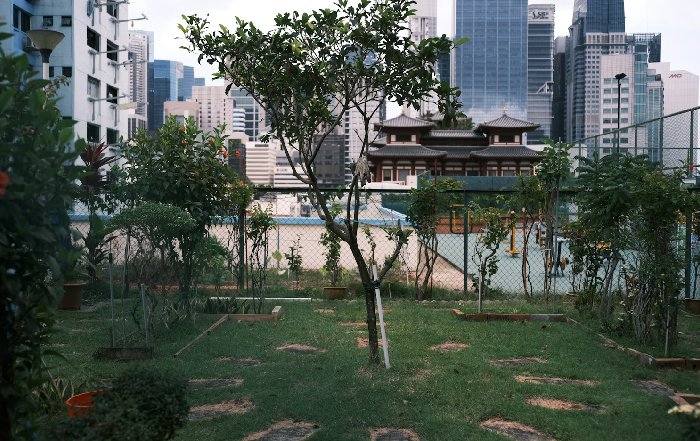
The Importance of Green Space for Mental Well-Being in Dense Cities
Urban Density, Mental Health, and the New Imperative for Cities
As the world moves deeper into the second quarter of the twenty-first century, the relationship between urban design and mental health has shifted from a niche academic concern to a central theme in policy, business strategy, and everyday life. Now, more than half of the global population lives in cities, many of them in hyper-dense urban environments where concrete, glass, and digital screens increasingly define daily experience. Against this backdrop, the presence or absence of accessible, high-quality green space has emerged as a decisive factor in how people feel, think, work, and connect with one another.
On YouSaveOurWorld.com, which is dedicated to advancing sustainable living and holistic well-being, the importance of urban green space is not merely an environmental topic but a core pillar of a healthier, more resilient urban lifestyle. The site's readers, who are deeply engaged with questions of climate change, sustainable business models, and personal well-being, increasingly recognise that a city's parks, trees, and nature-based infrastructure are as critical to mental health as hospitals and digital health platforms, and that the quality of these spaces can either buffer or amplify the psychological pressures of urban life.
The Psychological Value of Nature in an Urban Age
Over the past decade, a growing body of research from institutions such as Harvard T.H. Chan School of Public Health and University College London has clarified how exposure to nature affects the human nervous system, cognition, and emotional regulation. Studies consistently show that even short periods spent in parks, urban forests, or tree-lined streets can reduce levels of cortisol, lower heart rate, and improve mood. Readers can explore the broader health impacts of nature exposure through resources such as Harvard's public health insights on nature and health.
For dense cities, these findings are particularly relevant because urban residents are often subjected to chronic stressors that are less prevalent in rural or suburban environments, including noise pollution, crowding, traffic congestion, air pollution, and the constant cognitive demands of navigating complex social and economic systems. Research summarised by the World Health Organization indicates that urban living is associated with higher risks of anxiety, depression, and certain mood disorders, making the protective role of green spaces a matter of public health priority rather than aesthetic preference. Readers can learn more about urban health challenges and the role of environment in mental well-being.
On YouSaveOurWorld.com, this intersection of environment and mental health sits at the heart of its focus on personal well-being, emphasising that mental resilience is not solely an individual responsibility but is shaped profoundly by the design decisions of city planners, businesses, and policymakers.
Green Space as a Strategic Asset for Sustainable Living
In the context of sustainable living, urban green space is often discussed in terms of carbon sequestration, biodiversity, and adaptation to climate impacts such as heat waves and flooding. While these ecological functions remain essential, by 2026 there is a more nuanced understanding that the same trees, parks, and green roofs that mitigate climate risk also serve as daily mental health infrastructure, supporting concentration, creativity, and emotional balance.
For residents of dense cities, sustainable living is not merely about reducing household emissions or improving waste management; it is also about structuring daily routines to include restorative contact with nature, whether through walking in a neighbourhood park, gardening in a community allotment, or simply spending time under a canopy of trees during a lunch break. Platforms such as UN Environment Programme have highlighted this dual role of green infrastructure in their guidance on urban nature-based solutions, reinforcing the idea that mental health benefits should be factored into cost-benefit analyses and urban investment decisions.
For a site like YouSaveOurWorld.com, which encourages readers to integrate environmental responsibility into everyday choices, the message is clear: sustainable living in dense cities must be designed as a lifestyle that protects mental clarity and emotional stability as much as it protects ecosystems and the climate.
Business, Productivity, and the Economics of Urban Green Space
The business community has increasingly recognised that mental well-being is not a soft, secondary issue but a determinant of productivity, innovation, and workforce retention. Leading organisations such as World Economic Forum and McKinsey & Company have documented the rising economic cost of stress-related absenteeism, burnout, and mental health disorders, as well as the performance gains associated with healthier work environments. Executives and HR leaders can explore these dynamics through resources such as World Economic Forum's insights on mental health and the economy and McKinsey's analysis of workplace mental health.
In dense cities, where office towers and co-working spaces often dominate central business districts, integrating green space into corporate campuses, building design, and surrounding public realms has become an increasingly common strategy to support employee well-being and creativity. Biophilic design elements, such as indoor planting, natural materials, and views of greenery, are now widely adopted by forward-thinking companies, but the most substantial benefits arise when employees have genuine access to outdoor green areas for walking, informal meetings, and quiet reflection.
For businesses engaging with YouSaveOurWorld.com and its section on sustainable business, the argument is both ethical and financial: investment in green spaces, whether at the building level or through support for city-wide park initiatives, can be framed as a productivity-enhancing, risk-reducing asset rather than a discretionary amenity. As more investors integrate environmental, social, and governance (ESG) criteria into decision-making, the presence of high-quality green infrastructure around corporate locations can also influence asset values and long-term competitiveness.
Green Space, Climate Change, and Urban Resilience
The mental health value of green space cannot be separated from the broader context of climate change, which is already reshaping daily life in many cities through more frequent heat waves, extreme weather events, and climate-related disruptions. Organisations such as the Intergovernmental Panel on Climate Change (IPCC) and NASA have documented the intensifying urban heat island effect, where dense built-up areas experience higher temperatures than surrounding regions, with direct implications for physical and mental health. Readers can explore NASA's urban heat island research and the IPCC reports on climate impacts on cities.
Urban green space is one of the most effective tools cities have to counter these effects, as trees and vegetation provide shade, reduce ambient temperatures, and improve air quality. From a psychological perspective, the knowledge that one's city is investing in nature-based climate solutions can also reduce eco-anxiety and feelings of helplessness, which have become increasingly common as news of climate-related disasters circulates globally. On YouSaveOurWorld.com, the climate coverage in its global and climate change sections often highlights that green spaces are not only defensive climate infrastructure but also shared civic spaces where communities can gather, process climate realities, and build social resilience.
When residents see visible green interventions-such as new parks in flood-prone areas, restored wetlands, or tree-lined cooling corridors-they experience a tangible sense of progress and collective agency, which in turn supports mental well-being and a more hopeful orientation towards the future.
Environmental Awareness and the Psychology of Connection
One of the less discussed but powerful roles of urban green space lies in its capacity to deepen environmental awareness and a sense of connection to the living world. In dense cities, many residents, especially younger generations, may have limited direct contact with non-human nature, and their understanding of ecosystems and biodiversity is often mediated through screens and media. When cities invest in parks, community gardens, and urban biodiversity projects, they create daily opportunities for citizens to observe seasonal change, wildlife, and ecological processes, which in turn fosters a more grounded environmental consciousness.
Organisations such as The Nature Conservancy and World Wildlife Fund have long emphasised that direct experiences in nature are among the most effective ways to cultivate long-term environmental stewardship. Readers can explore this theme through resources on urban conservation and mental connection to nature and WWF's work on nature and people. For YouSaveOurWorld.com, whose mission includes building environmental awareness, urban green space is both an educational platform and a psychological anchor, reminding city dwellers that they are participants in, not separate from, broader ecological systems.
This sense of connection has measurable mental health benefits, as research from institutions such as Yale School of the Environment has shown that feeling part of nature is correlated with higher life satisfaction and lower levels of anxiety and depression. In dense cities where social fragmentation and digital overload can erode a sense of belonging, green spaces function as quiet, non-commercial zones where people can reconnect with themselves, others, and the natural world.
Innovation, Technology, and the Future of Urban Green Design
By 2026, the integration of technology and nature in cities has advanced significantly, opening new possibilities for designing, monitoring, and maintaining green spaces in dense urban fabrics. Smart irrigation systems, sensor networks that track soil moisture and tree health, and digital twin models of urban ecosystems are increasingly used by city governments and private developers to optimise green infrastructure performance. Institutions such as MIT Senseable City Lab and ETH Zurich are at the forefront of research into how data-driven urbanism can enhance the quantity and quality of green spaces, and interested readers can explore their work on responsive cities and future urban landscapes.
For a platform like YouSaveOurWorld.com, with a dedicated focus on innovation and technology, this convergence is particularly relevant. The site's audience is interested not only in the moral case for green space but also in the practical tools that allow dense cities to retrofit nature into already built environments. Technologies such as lightweight green roof systems, modular vertical gardens, and AI-assisted urban tree mapping are making it possible to increase green coverage without requiring large undeveloped plots of land, which are scarce in many global megacities.
At the same time, there is a growing recognition that technology must serve, rather than replace, the human experience of nature. While mobile apps that guide users through urban nature trails or visualise biodiversity can enhance engagement, the core mental health benefit still derives from the sensory, embodied experience of being in a living, textured landscape. The challenge for designers and policymakers is to use technology to support maintenance, equity, and accessibility, while preserving the authenticity and spontaneity of human-nature encounters.
Design, Lifestyle, and the Everyday Experience of Green Space
Urban design decisions shape the micro-moments that define daily life: the route taken to work, the view from an apartment window, the availability of a quiet bench for reflection, and the presence of trees along a busy commercial street. When these decisions prioritise green space, they subtly but powerfully alter the mental landscape of the city, turning commutes into opportunities for restoration, and transforming short breaks into meaningful encounters with nature.
Contemporary urban design frameworks from organisations such as C40 Cities and World Resources Institute increasingly incorporate mental health considerations into guidelines for streetscapes, public plazas, and mixed-use developments. Their resources on green and thriving neighbourhoods and nature-based urban design provide practical examples of how cities can embed nature into everyday urban form. For readers of YouSaveOurWorld.com, who are interested in lifestyle, design, and well-being, these examples offer inspiration for how both public authorities and private developers can create environments that support healthier routines.
At the individual level, lifestyle choices such as walking or cycling through green corridors, choosing housing that offers proximity to parks, or participating in community gardening can significantly influence mental health trajectories over time. For dense cities, where private living spaces are often small and noisy, the design and accessibility of shared green spaces can compensate for domestic constraints, providing residents with a sense of spaciousness, calm, and psychological refuge that would otherwise be inaccessible.
Education, Equity, and Inclusive Access to Green Space
The mental health benefits of urban green space are not distributed equally, and one of the most pressing challenges for city leaders and businesses is ensuring that low-income and marginalised communities have fair access to high-quality nature. Research from organisations such as American Psychological Association and Brookings Institution has shown that neighbourhoods with lower socio-economic status frequently have fewer parks, less tree coverage, and poorer environmental quality, which compounds existing health and educational disparities. Readers can explore these dynamics through resources on environmental justice and mental health and spatial inequality in urban green access.
For YouSaveOurWorld.com, which features a dedicated section on education, this inequity underscores the importance of environmental literacy and civic engagement. Schools, universities, and community organisations in dense cities can play a pivotal role by integrating outdoor learning into curricula, partnering with local governments to enhance schoolyard greening, and teaching students about the links between environmental quality and mental health. Such initiatives not only improve psychological outcomes for children and youth but also cultivate future leaders who understand that green space is a right, not a luxury.
In business and policy circles, there is an increasing recognition that equitable access to green space must be embedded in zoning codes, development approvals, and corporate community investment strategies. For companies aligning with sustainable and socially responsible practices, supporting park creation or tree-planting initiatives in underserved neighbourhoods can be a powerful way to contribute to both mental health and environmental justice, aligning with the holistic sustainability ethos promoted across YouSaveOurWorld.com and its business and economy sections.
The Global Conversation and the Role of YouSaveOurWorld.com
Globally, organisations such as UN-Habitat, OECD, and World Bank are integrating green space and mental health into broader frameworks for sustainable urban development, recognising that cities will be central to achieving the UN Sustainable Development Goals by 2030 and beyond. Their reports on cities and health and well-being in cities emphasise that mental well-being is both an outcome and a driver of sustainable development, influencing everything from educational attainment to economic productivity and civic participation.
Within this international conversation, YouSaveOurWorld.com occupies a distinctive space as a platform that connects global policy trends with the lived realities of individuals, families, and businesses seeking to make more sustainable and mentally healthy choices. By curating insights on sustainable living, urban innovation, and personal well-being, the site helps readers understand that the parks and green corridors in their own neighbourhoods are part of a much larger global movement to redesign cities for human flourishing.
In a world where dense urban environments will continue to expand, the importance of green space for mental well-being is only set to grow. It is no longer enough for cities to be engines of economic growth; they must also be habitats that support psychological resilience, creativity, and a deep sense of connection to the natural world. As readers navigate the complex challenges of climate change, economic transformation, and technological disruption, platforms like YouSaveOurWorld.com provide both guidance and inspiration, reminding them that a truly sustainable city is one in which every resident, regardless of background, can find a quiet, green place to breathe, reflect, and restore their sense of balance.
In this emerging paradigm, urban green spaces are not peripheral amenities but central infrastructure for mental health, social cohesion, and long-term sustainability. The choices that city leaders, businesses, and communities make today about how much nature to weave into dense urban fabrics will shape not only environmental outcomes but also the psychological and emotional landscape of generations to come.
