
The Renewable Energy Revolution: How Business, Technology, and Everyday Choices Are Redefining Our Future
A New Phase in the Global Energy Transition
Now the global energy transition has moved decisively from aspiration to execution, and the pace of change is reshaping markets, policy frameworks, and daily life in ways that are both profound and measurable. The accelerating impacts of climate change, from record-breaking heatwaves and megadroughts to increasingly destructive storms, have reinforced the urgency of replacing fossil fuels with cleaner alternatives, while advances in technology and finance have made this transition more feasible and economically compelling than at any point in history. What was once viewed as a niche domain of environmental policy has become a central pillar of industrial strategy, national security, and long-term economic planning.
Within this evolving landscape, YouSaveOurWorld.com has positioned itself as a trusted hub for decision-makers, professionals, and households seeking practical insights into how renewable energy, sustainable lifestyles, and innovative business models intersect. Readers exploring themes such as sustainable living, climate change, and sustainable business increasingly recognize that the energy system is not an isolated technical domain, but a foundation for global prosperity, environmental integrity, and personal well-being.
The year 2026 marks a turning point: renewable energy technologies have scaled, costs have dropped, regulatory frameworks have matured, and public expectations have shifted. At the same time, this transition is far from complete. It demands a deeper integration of innovation, policy, finance, and social equity, and it calls for a level of collaboration that spans industries, borders, and communities.
Climate Risk, Energy Security, and the Business Case for Change
The intensification of climate impacts has transformed the energy debate from a long-term environmental concern into a present-day economic and risk-management imperative. Data from organizations such as the Intergovernmental Panel on Climate Change and the World Meteorological Organization show that extreme weather events are becoming more frequent and more costly, disrupting supply chains, damaging infrastructure, and affecting the reliability of traditional energy systems. This reality has made resilience-both physical and financial-a core objective for governments and businesses alike.
For corporate leaders and policymakers who engage with YouSaveOurWorld.com, the link between energy strategy and risk management is now obvious. Volatile fossil fuel prices, geopolitical tensions, and stranded asset risks have made conventional energy portfolios increasingly difficult to justify. Renewable energy, by contrast, draws on resources that are locally available and not subject to commodity-market shocks, enabling more stable long-term planning. Those seeking to understand the broader macroeconomic implications of this shift can explore analyses from institutions such as the International Monetary Fund and the World Bank, which increasingly frame clean energy as a driver of sustainable growth rather than a cost burden.
The public health dimension reinforces this economic rationale. Air pollution associated with fossil fuel combustion remains a leading cause of premature mortality worldwide, according to the World Health Organization. As cities and regions adopt cleaner energy sources, they not only reduce carbon emissions but also lower healthcare costs, improve worker productivity, and enhance quality of life. For organizations assessing long-term competitiveness, the alignment between environmental performance and social outcomes is no longer optional; it is central to reputation, regulatory compliance, and investor expectations.
Technology at the Core of the Renewable Transformation
The rapid evolution of clean energy technologies has been one of the defining characteristics of the past decade, and by 2026 this trend has only accelerated. Advances in materials science, data analytics, and digital infrastructure have combined to make renewable energy more efficient, more reliable, and more deeply integrated into the fabric of modern economies.
Solar photovoltaic systems now routinely achieve conversion efficiencies that would have been considered aspirational only a few years ago, while manufacturing innovation has helped drive down costs and expand deployment across both developed and emerging markets. Those interested in the technical and market dynamics of these trends can find robust analysis through organizations such as the International Energy Agency and the National Renewable Energy Laboratory, which document how falling costs and rising performance have made solar energy a mainstream option for utilities, businesses, and households.
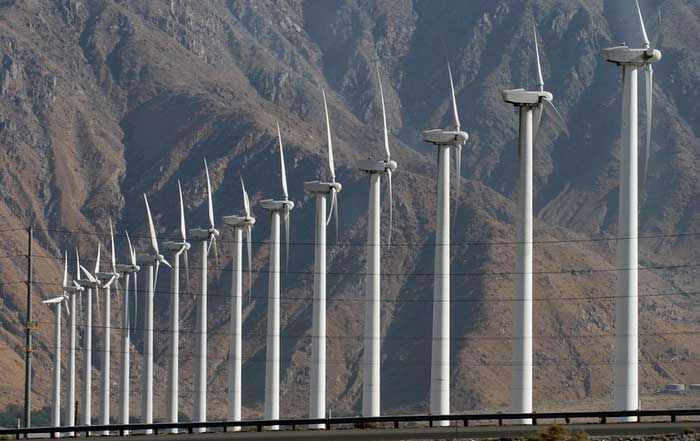
In parallel, wind energy has benefited from taller towers, longer blades, and sophisticated control systems that optimize performance in real time. Offshore wind, in particular, has moved from a handful of pioneering projects to a fast-growing global industry. The ability to harness powerful, consistent offshore winds has turned coastal regions into major clean energy hubs, with countries in Europe, Asia, and North America investing heavily in both fixed-bottom and floating turbine technologies. For readers of YouSaveOurWorld.com who are exploring how innovation shapes the future of energy, the broader context of technological change is closely aligned with themes covered in our content on innovation and technology.
Equally transformative has been the rise of advanced energy storage and smart grid systems. Lithium-ion batteries, solid-state prototypes, and emerging long-duration storage technologies have expanded the ability of power systems to balance variable renewable output with demand. Digital platforms, powered by artificial intelligence and the Internet of Things, allow grid operators to forecast generation, anticipate demand, and manage distributed resources with unprecedented precision. Publications such as MIT Technology Review and BloombergNEF provide in-depth coverage of these developments, underscoring how digitalization and decarbonization are converging into a single, integrated transformation.
Solar Energy as a Foundation of Sustainable Lifestyles and Business Models
Solar energy has become a cornerstone of both national energy strategies and household-level sustainability decisions. For businesses, large-scale solar farms and corporate power purchase agreements offer predictable pricing and clear emissions reductions; for homeowners, rooftop solar systems provide a tangible way to participate in the energy transition while reducing long-term electricity costs.
Visitors to YouSaveOurWorld.com who are interested in practical pathways to sustainable living increasingly view solar as a gateway technology: a visible, measurable step that aligns personal values with financial prudence. The combination of declining hardware costs, innovative financing models, and supportive policies-such as net metering, tax incentives, and feed-in tariffs-has made solar adoption accessible to a broader demographic.
From a business perspective, solar energy is now embedded in corporate sustainability strategies. Leading firms, including Apple, Google, and Microsoft, have committed to sourcing large portions of their electricity from renewables, often through long-term contracts that support new solar capacity. These commitments send powerful market signals, reinforcing the investment case for developers and helping to stabilize project revenues. The broader implications of these corporate strategies are explored regularly by financial and business outlets such as Forbes and the Financial Times, which track how clean energy procurement is reshaping corporate balance sheets and investor expectations.
In emerging markets, solar mini-grids and off-grid solutions are also expanding energy access, offering communities a way to leapfrog centralized fossil-fuel-based systems. This democratization of energy is closely connected to the themes of equity, resilience, and local empowerment that underpin much of the content on YouSaveOurWorld.com, including our resources on global sustainability dynamics and community-level innovation.
Wind, Water, and the Diversification of Renewable Portfolios
While solar power often dominates public attention, the broader renewable landscape is increasingly diversified, with wind, hydropower, biomass, and geothermal playing complementary roles. Wind energy, in particular, has become a major contributor to electricity generation in countries such as Denmark, Germany, the United States, and China, where supportive policy frameworks and robust industrial capabilities have nurtured strong domestic supply chains.
Hydropower remains a critical source of low-carbon baseload electricity, especially in regions with abundant water resources. Nations like Norway and Canada continue to rely heavily on hydropower, while also investing in modernization and ecological safeguards to reduce environmental impacts and improve operational flexibility. The U.S. Environmental Protection Agency and the World Bank provide detailed discussions on how hydropower can be aligned with biodiversity protection, climate resilience, and community needs, reflecting a more sophisticated approach than earlier generations of large-scale dam projects.
Biomass and geothermal energy, though smaller in global share, are increasingly recognized for their unique attributes. Biomass can convert agricultural residues and organic waste into usable energy, aligning closely with circular economy principles and the waste-reduction priorities that many YouSaveOurWorld.com readers explore through our pages on waste and plastic recycling. Geothermal energy, meanwhile, offers reliable, weather-independent power and heat, particularly in geologically active regions such as Iceland, Indonesia, and parts of East Africa.
The cumulative effect of this diversification is a more resilient and adaptable energy system. By blending intermittent resources like solar and wind with dispatchable sources such as hydropower, geothermal, and sustainably managed biomass, grid operators can achieve higher shares of renewables without compromising reliability.
Finance, Policy, and the Maturation of the Clean Energy Market
The rise of renewable energy in 2026 is as much a financial and regulatory story as it is a technological one. Capital markets have increasingly internalized climate risk and sustainability criteria, and this has reshaped investment flows at scale. Green bonds, sustainability-linked loans, and dedicated clean energy funds have become mainstream financial instruments, allowing institutional investors to channel capital into projects that deliver both returns and measurable environmental benefits.
The integration of environmental, social, and governance (ESG) factors into investment decisions has been a critical catalyst. Pension funds, sovereign wealth funds, and major asset managers now routinely evaluate portfolio exposure to carbon-intensive assets and seek opportunities in low-carbon infrastructure. This trend is documented and analyzed by organizations such as the UN Principles for Responsible Investment and the OECD, which highlight how climate-aligned investing is moving from a niche strategy to a core fiduciary expectation.
Government policy remains a decisive enabler. Many countries have strengthened their national climate pledges under the Paris Agreement, introduced carbon pricing mechanisms, and set legally binding targets for renewable energy deployment. Regulatory frameworks that streamline permitting, clarify grid access rules, and provide stable policy signals have proven particularly effective in mobilizing private investment. For businesses engaging with YouSaveOurWorld.com and exploring topics on business and economy, understanding these regulatory trajectories is increasingly central to strategic planning and risk assessment.
At the same time, there is growing recognition that fossil fuel subsidies and misaligned incentives continue to slow progress in some regions. The policy debate has therefore shifted toward comprehensive reforms that level the playing field, phase out environmentally harmful subsidies, and ensure that the full social and environmental costs of energy choices are transparently reflected in market prices.
Corporate Leadership, Innovation, and Competitive Advantage
In 2026, the most forward-looking companies no longer treat sustainability as a peripheral corporate social responsibility initiative; instead, they embed it at the core of strategy, product design, and capital allocation. Energy is a critical part of this transformation, as firms recognize that decarbonizing their operations and supply chains can reduce long-term costs, strengthen brand value, and open new market opportunities.
Global leaders such as Apple, Google, Siemens, and Ørsted have demonstrated that ambitious renewable energy commitments can coexist with robust profitability and shareholder returns. They have invested in on-site generation, signed long-term power purchase agreements, and supported the development of new renewable capacity in multiple regions. Their actions have set benchmarks for peers and suppliers, creating ripple effects across entire value chains.
For small and medium-sized enterprises, the path may differ in scale but not in principle. Energy-efficiency upgrades, on-site solar installations, and participation in community energy projects are increasingly viable, especially as technologies and financing models become more accessible. Readers of YouSaveOurWorld.com who are building or transforming organizations can explore our resources on sustainable business to understand how energy strategy, innovation, and long-term competitiveness intersect.
Corporate leadership also extends beyond internal operations. By advocating for strong climate policies, supporting clean-tech startups, and collaborating through industry alliances, companies are helping to shape the broader ecosystem in which renewable energy thrives. This approach reflects a growing understanding that long-term business success is inseparable from the health of the planet and the resilience of the societies in which companies operate.
Social Equity, Education, and the Human Dimension of the Energy Transition
The renewable energy revolution is not only a story of technology and capital; it is also a story about people, livelihoods, and social justice. As coal, oil, and gas industries decline in some regions while clean energy sectors grow in others, the distribution of costs and benefits becomes a central policy concern. Ensuring that workers and communities are not left behind is a defining challenge of this decade.
Concepts such as the "just transition" have gained prominence, emphasizing the need for retraining programs, social protection measures, and inclusive planning processes. Organizations including the International Labour Organization and the United Nations Environment Programme (UNEP) have underscored that climate policies must be designed with social equity in mind, particularly for workers in carbon-intensive sectors and communities that have historically borne the brunt of pollution.
Education and public awareness are vital components of this human-centered transition. From schools and universities to professional training centers and community workshops, there is a growing emphasis on equipping people with the knowledge and skills required for a low-carbon economy. Visitors to YouSaveOurWorld.com frequently explore our content on education and personal well-being, recognizing that the energy transition intersects with career choices, lifestyle decisions, and mental resilience in the face of rapid change.
At the household level, choices around energy use, mobility, diet, and consumption patterns collectively exert a powerful influence on emissions trajectories. By integrating information on energy with broader themes such as lifestyle and design, YouSaveOurWorld.com helps readers see how their everyday decisions are connected to global trends-turning abstract climate goals into tangible, actionable steps.
Smart Infrastructure, Circularity, and the Next Frontier
Looking ahead from 2026, the trajectory of the renewable energy revolution is clear, but its full potential will only be realized if it is integrated with parallel transformations in infrastructure, resource management, and urban planning. Smart grids, high-efficiency buildings, sustainable mobility, and circular economy practices are increasingly viewed as interdependent components of a coherent sustainability strategy.
Advanced metering infrastructure and real-time data analytics are enabling more dynamic, responsive energy systems that can accommodate high shares of distributed renewable generation. Electric vehicles are progressively linked to the grid as flexible storage assets, while building codes and retrofitting programs are turning homes and offices into active participants in energy management rather than passive consumers. For professionals designing these systems, resources from the U.S. Department of Energy and the European Commission provide detailed technical and policy guidance on best practices.
At the same time, the integration of renewable energy with circular economy principles is helping to address concerns about resource use and waste. Responsible sourcing of critical minerals, recycling of solar panels and batteries, and the design of products for durability and reuse all contribute to a more holistic sustainability framework. These issues resonate strongly with the YouSaveOurWorld.com community, which often explores interconnected topics such as waste, plastic reduction, and resource efficiency as part of a broader commitment to planetary health.
Emerging technologies-ranging from green hydrogen and advanced biofuels to tidal and wave energy-are expanding the frontier of what is technically feasible. While many of these solutions are still in early stages of commercialization, they point toward a future energy system that is more diverse, flexible, and deeply integrated into the natural systems on which it depends.
A Strategic Outlook for 2026 and Beyond
In 2026, the renewable energy revolution stands at a critical juncture. The progress achieved to date demonstrates that large-scale decarbonization is both technically and economically viable; yet the pace of change must continue to accelerate if the world is to meet the climate goals articulated in the Paris Agreement and reaffirmed in subsequent international negotiations.
For the audience of YouSaveOurWorld.com-business leaders, educators, policymakers, innovators, and engaged citizens-the implications are clear. Energy decisions are no longer confined to engineers and regulators; they are strategic choices that shape competitiveness, resilience, and social stability. The organizations and communities that thrive in the coming decades will be those that understand this interdependence and act accordingly, integrating renewable energy into broader strategies for sustainable living, economic development, and human well-being.
As the site continues to deepen its coverage of climate change, sustainable business, and global innovation, YouSaveOurWorld.com remains committed to providing rigorous, actionable insights that help readers navigate this transition with clarity and confidence. The energy choices made today-by governments, corporations, and individuals-will define not only the trajectory of emissions, but also the quality of life, economic opportunity, and environmental security for generations to come.
The renewable energy revolution is therefore more than a technological shift; it is a comprehensive reimagining of how societies organize production, consumption, and value. In that reimagining lies both a profound responsibility and an unprecedented opportunity: to build an energy system that is cleaner, fairer, and more resilient, and, in doing so, to help secure a livable and prosperous future for the entire planet.
