Single-Use Plastics: From Disposable Convenience to Strategic Sustainability
Reframing Single-Use Plastics in a Decisive Decade
The global conversation about single-use plastics has shifted from whether society should act to how quickly and effectively it can transform. What began as a debate about litter and marine debris has matured into a strategic discussion that reaches into boardrooms, legislative chambers, research laboratories, classrooms, and homes. For You Save Our World, which has long focused on sustainable living and environmental awareness, single-use plastics now stand as a litmus test of whether economies can reconcile convenience, profitability, and planetary boundaries in a coherent and credible way.
Single-use plastics remain deeply embedded in global supply chains, healthcare systems, food security strategies, and consumer lifestyles. Yet the mounting evidence from organizations such as the United Nations Environment Programme and World Bank confirms that the economic, health, and ecological costs of continuing with business as usual far outweigh the short-term efficiencies that disposability once promised. The years leading up to 2026 have therefore become a period of accelerated experimentation: new policies, new business models, new materials, and new expectations of corporate and civic responsibility.
Within this evolving landscape, You Save Our World positions single-use plastics not as an isolated problem but as a gateway issue that connects climate change, waste management, public health, innovation, and the future of global prosperity. Readers seeking to understand how to adapt their businesses, communities, and personal lifestyles will find that the story of plastics is, in many ways, the story of whether modern societies can move from extraction and waste toward regeneration and resilience.
From Miracle Material to Systemic Risk
The historical arc of plastics-from post-war miracle material to twenty-first-century liability-remains central to understanding present challenges. Synthetic polymers enabled unprecedented advances in food preservation, medical safety, transport, and consumer affordability. Corporations such as Coca-Cola, PepsiCo, Nestle, and Danone helped normalize disposable packaging as a symbol of modernity, hygiene, and freedom of choice, while petrochemical companies expanded production capacity on the back of inexpensive fossil fuels and favorable regulation.
However, as scientific knowledge and monitoring technologies improved, the externalities of this model became increasingly difficult to ignore. Research curated by National Geographic and academic institutions worldwide has documented plastic fragments from Arctic ice cores to the deepest ocean trenches. What initially appeared as a localized waste issue has been revealed as a systemic risk that intersects with climate change, biodiversity loss, and human health. For readers of You Save Our World, this historical perspective underscores why incremental clean-up efforts, while necessary, are insufficient without deeper structural change in how products are designed, used, and recovered.
Climate, Production, and the Hidden Cost of Convenience
The climate implications of plastics are now better quantified than ever. Analyses from the Ellen MacArthur Foundation and World Bank show that plastics are, in essence, solidified fossil fuels. Emissions arise at every stage: extraction and refining of oil and gas, polymer production, manufacturing, transport, and end-of-life management. In some petro-states and industrial regions, planned capacity expansions for plastics risk locking in decades of additional emissions at precisely the moment when global climate agreements demand rapid decarbonization.
This connection is particularly relevant to readers exploring climate change on You Save Our World, because it reframes plastic policy as climate policy. Decisions about packaging, logistics, and product design are no longer marginal environmental considerations; they are strategic levers in emissions reduction pathways. For businesses, this means that sustainable packaging is not simply a branding exercise but a core component of credible net-zero strategies, subject to investor scrutiny, regulatory oversight, and stakeholder expectations.
Waste, Leakage, and the Limits of Traditional Management
Despite a decade of heightened awareness, global plastic production continues to rise, and waste systems in many regions have not kept pace. Municipalities struggle with the financial and logistical burden of collecting, sorting, and processing ever-increasing volumes of low-value packaging. Where formal infrastructure is weak or underfunded, open dumping, informal burning, and uncontrolled leakage into rivers and coastlines remain common, with serious implications for air quality, soil health, and marine ecosystems.
For communities that follow You Save Our World to understand waste and recycling, the reality in 2026 is that traditional, end-of-pipe waste management cannot solve a problem designed upstream. Even in high-income countries with relatively advanced systems, contamination, composite materials, and inconsistent labeling severely limit recycling rates. Reports from the Environmental Protection Agency (EPA) and Scientific American highlight that many items marketed as recyclable or compostable never reach appropriate facilities, eroding public trust and reinforcing the perception of greenwashing.
This recognition has catalyzed a shift from focusing solely on collection and recycling toward rethinking material flows at the design and procurement stages. Extended Producer Responsibility schemes, deposit systems, and minimum recycled-content mandates are now increasingly used to realign incentives so that producers, rather than taxpayers alone, bear the financial responsibility for the packaging they release into the market.
Microplastics, Health, and the Trust Deficit
The microplastic narrative has evolved rapidly between 2020 and 2026. Once discussed mainly in the context of marine life, microplastics and even smaller nanoplastics are now detected in drinking water, agricultural soils, atmospheric dust, and human tissues. Studies referenced by the World Health Organization and peer-reviewed journals indicate potential links between plastic-associated chemicals and endocrine disruption, inflammation, and other health risks, although the full spectrum of impacts remains under active investigation.
For a platform like You Save Our World, which connects environmental issues with personal well-being, this emerging science has significant implications for public trust. Consumers increasingly question whether the products they use and the food they eat are as safe as they appear, and whether corporate and regulatory assurances are backed by robust, transparent evidence. Businesses that proactively engage with this uncertainty-by investing in safer materials, disclosing chemical use, and supporting independent research-are better positioned to maintain credibility in an era of heightened scrutiny.
Oceans, Biodiversity, and Global Reputation
Marine plastic pollution remains one of the most visible and emotionally resonant dimensions of the crisis. The Great Pacific Garbage Patch and similar accumulations in other gyres have become symbols of a broader failure to manage resources responsibly. Reports from National Geographic and Reuters continue to show images of entangled wildlife, degraded coral reefs, and beaches overwhelmed by debris, which in turn influence tourism, fisheries, and national reputations.
For countries that depend on coastal economies, unmanaged plastic pollution is increasingly understood as a competitiveness issue, not only an environmental one. Clean coastlines and healthy marine ecosystems underpin jobs, export revenues, and food security. This is why many governments now integrate plastic reduction targets into national development plans and climate strategies, and why international negotiations on a global plastics treaty have gained momentum. Readers of You Save Our World interested in the global dimension of sustainability can see in plastics a clear example of how local behaviors and national policies reverberate through shared oceans and trade networks.
Corporate Accountability in the Age of Transparency
By 2026, voluntary commitments from major consumer brands and retailers have multiplied, but public patience with vague pledges and distant timelines is wearing thin. Civil society initiatives such as the Break Free From Plastic Movement and investigative reporting by outlets like BBC News have exposed discrepancies between corporate promises and on-the-ground realities, especially in regions where branded packaging dominates litter surveys and informal dumpsites.
For businesses, the conversation has shifted from whether to act to how deeply and how verifiably they will transform. Stakeholders now expect companies to publish time-bound, measurable targets for plastic reduction, reuse, and recycled content, accompanied by independent verification. Climate-aligned investors and ESG funds increasingly treat unmanaged plastic risk as a proxy for broader governance weaknesses. On You Save Our World, the section on sustainable business reflects this evolution by emphasizing governance structures, supply chain transparency, and lifecycle thinking rather than superficial eco-labels.
In response, leading firms are experimenting with refillable models, packaging-as-a-service, and localized circular systems that prioritize reuse over recycling. These efforts require new collaborations with logistics providers, digital platforms, and municipal authorities, underscoring that no single actor can resolve the plastics challenge alone.
Policy, Regulation, and the Emerging Global Plastics Framework
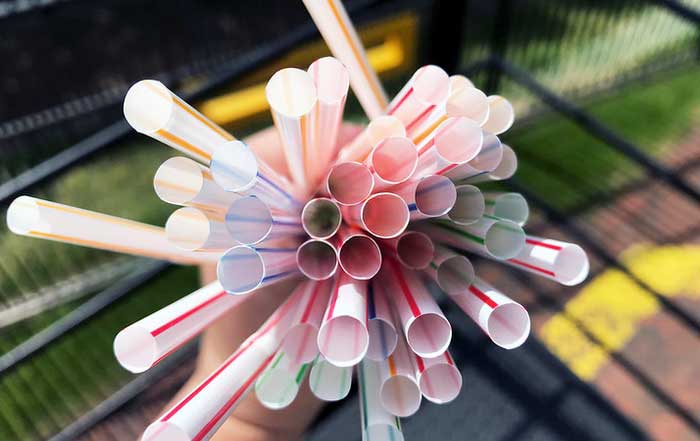
Regulators have become more assertive since the mid-2020s. Single-use bag bans and straw restrictions were early indicators, but the policy toolkit has expanded considerably. Many jurisdictions now apply fees or taxes to virgin plastic, mandate recycled content in specific product categories, and restrict problematic polymers and additives. The revision of the Basel Convention to include plastic waste has made it more difficult for high-income countries to export low-value, mixed plastics to regions with weaker environmental controls, compelling domestic investment in better infrastructure and design.
Parallel to these national and regional efforts, negotiations toward a binding global plastics agreement have accelerated, with support from organizations such as Greenpeace and United Nations Environment Programme. The emerging framework is expected to address the full lifecycle of plastics, from production caps and chemical transparency to waste trade and financial support for low- and middle-income countries. For readers following business and policy trends, this means that plastic-intensive business models face increasing regulatory and reputational risk, while companies that anticipate stricter standards can gain a first-mover advantage.
Economics, Risk, and Opportunity in a Circular Transition
The economics of single-use plastics are no longer evaluated solely in terms of material and logistics costs. Municipal clean-up expenditures, health impacts, tourism losses, and ecosystem degradation represent substantial hidden liabilities. Studies highlighted by the World Bank and EPA suggest that when these externalities are internalized, many disposable products become far less attractive than their price tags imply.
At the same time, the transition away from single-use plastics is creating new markets and jobs. Entrepreneurs are developing reusable packaging platforms, digital tracking systems, advanced sorting technologies, and innovative materials that can be safely returned to biological or technical cycles. For investors and corporate strategists, the question is how to align capital allocation with these emerging opportunities while managing the phase-out of legacy assets. This is closely linked to the themes explored on You Save Our World in areas such as economy and innovation-driven growth, where resource efficiency and risk mitigation are increasingly seen as sources of competitive advantage rather than constraints.
Innovation, Materials, and the Limits of Substitution
Material innovation has accelerated in response to regulatory and market pressure. Bioplastics, fiber-based packaging, and reusable systems have moved from niche pilots to mainstream trials in retail, food service, and e-commerce. However, assessments from organizations like the Ellen MacArthur Foundation and Scientific American caution against simplistic substitution. Some biobased materials compete with food production or drive land-use change; others require industrial composting infrastructure that is not widely available. Lightweight paper alternatives may increase water or chemical use if not carefully designed.
For the audience of You Save Our World, which engages deeply with innovation and technology, the key insight is that material choice must be evaluated within whole-system lifecycle analyses. The most sustainable option is often not a new material but a new model-one that reduces the need for packaging altogether or enables high-value reuse. Digital technologies play a growing role here, from QR codes that support reverse logistics and consumer information to AI-enabled sorting lines that improve recycling yields and quality.
Design, Lifestyle, and the Cultural Shift Beyond Disposability
Designers and lifestyle leaders increasingly recognize that the plastic crisis is also a design and culture crisis. Products and services created for single, brief moments of use embed waste into daily routines. By contrast, design approaches that emphasize durability, modularity, and emotional attachment can extend product lifespans and reduce the perceived need for disposable convenience. This is particularly visible in sectors such as fashion, homeware, and food service, where aesthetics and user experience strongly influence behavior.
For readers exploring lifestyle and design on You Save Our World, the shift away from single-use plastics becomes a question of identity and aspiration. Refillable containers, repairable devices, and minimalist packaging are increasingly associated with quality, responsibility, and modernity, rather than sacrifice. Social media and influencer culture amplify these signals, normalizing practices that once appeared fringe, such as carrying reusable cups, shopping in bulk, or choosing low-packaging brands.
However, cultural change must be inclusive. Without attention to affordability and accessibility, sustainable options risk being perceived as a luxury for the privileged. This is why public policy, corporate pricing strategies, and community initiatives must work together to ensure that lower-waste lifestyles are not only aspirational but practically viable for diverse households and regions.
Education, Awareness, and the Infrastructure of Choice
Education has emerged as a powerful enabler of change, but information alone is not enough. Schools, universities, and community organizations increasingly integrate plastic-related topics into curricula, linking them to climate science, economics, and civic engagement. Resources from BBC News, National Geographic, and academic institutions help translate complex data into compelling narratives that resonate with younger generations in particular.
Yet behavioral research summarized by the World Bank shows that awareness must be matched with enabling infrastructure and default options. Consumers are more likely to reduce single-use plastics when alternatives are convenient, affordable, and clearly signposted. This is where local authorities, retailers, and service providers play a critical role, from installing refill stations to standardizing reusable packaging formats. On You Save Our World, the focus on environmental awareness intersects with practical guidance, helping readers translate concern into concrete, repeatable actions in their homes, workplaces, and communities.
Equity, Justice, and Intergenerational Responsibility
The burden of plastic pollution is unevenly distributed. Communities located near petrochemical complexes, incinerators, and poorly managed dumpsites often experience higher exposure to pollutants, while benefiting least from the economic gains of plastic-intensive industries. Informal waste pickers, who provide critical recycling services in many cities, frequently work in unsafe conditions without social protection. Small island states and coastal communities face disproportionate impacts from marine debris despite contributing relatively little to global plastic production.
This reality has brought environmental justice and equity to the forefront of policy debates and advocacy campaigns, with support from organizations such as Greenpeace and research featured by Reuters. For You Save Our World, which examines the social dimensions of sustainability, the plastics issue illustrates why solutions must be tailored, participatory, and sensitive to local contexts. It also highlights the ethical dimension of intergenerational responsibility: decisions made today about infrastructure, product design, and regulation will shape the environmental inheritance of children and young people whose voices are only beginning to be heard in formal decision-making processes.
The Role of Platforms like You Save Our World in 2026
In this complex and rapidly evolving context, digital platforms such as You Save Our World serve as crucial bridges between science, policy, business practice, and everyday life. By curating insights on sustainable living, plastic recycling, sustainable business, and related themes, the site helps readers navigate a crowded landscape of information, marketing claims, and regulatory changes.
The emphasis on experience, expertise, authoritativeness, and trustworthiness means that guidance is grounded in credible evidence, practical case studies, and a clear understanding of trade-offs. Whether a reader is a business leader designing a new packaging strategy, a policymaker evaluating Extended Producer Responsibility, a teacher developing environmental modules, or a household seeking to reduce waste, the goal is to provide actionable insights that align environmental integrity with economic and social realities.
By 2026, the question is no longer whether single-use plastics are a problem, but how decisively societies will respond. The transition away from disposability is already underway, driven by technological innovation, regulatory pressure, shifting consumer expectations, and a growing recognition that long-term prosperity depends on healthy ecosystems and stable climates. The pace and fairness of this transition, however, remain open questions-questions that platforms like You Save Our World will continue to explore, interrogate, and help answer.
As businesses, governments, and communities refine their strategies, the most successful approaches are likely to be those that treat plastics not as an isolated waste stream but as an entry point to rethinking entire systems of production and consumption. In doing so, they not only address a visible environmental crisis but also lay the foundations for a more resilient, equitable, and regenerative global economy.
