Turning Household Plastic into Lasting Value: How Home 3D Printing Powers a Circular Economy in 2026
A New Kind of Household Responsibility
By 2026, the realities of plastic pollution and climate disruption have become impossible to ignore for any informed household or business leader. Global plastic production has continued to rise, and despite improved regulations and corporate pledges, a large share of consumer plastics still fails to be recovered in meaningful ways. At the same time, affordable technology, open-source innovation, and growing environmental awareness have created an unprecedented opportunity: individuals can now convert their own plastic waste into durable, useful products at home through recycle-enabled 3D printing systems.
For the audience of You Save Our World, this shift is more than a technological curiosity; it is a practical pathway to align daily life with the platform's mission of sustainable living, responsible plastic recycling, and climate-conscious innovation. As households, educators, and small businesses search for credible, actionable ways to reduce their environmental footprint, home-based 3D printing with recycled plastics stands out as a solution that is both hands-on and deeply systemic, connecting personal choices with the broader circular economy.
This article examines how these systems work in 2026, what they can realistically achieve, where the limitations remain, and how they contribute to the Experience, Expertise, Authoritativeness, and Trustworthiness that You Save Our World strives to embody for its global readership.
Why Domestic Plastic Waste Remains a Structural Problem
Despite years of public campaigns and new regulations, domestic plastic waste continues to accumulate at an alarming pace. The United Nations Environment Programme (UNEP) estimates that hundreds of millions of tons of plastic waste are generated annually, with household packaging, containers, and disposable goods forming a substantial share of this volume. Readers who follow developments on climate change will recognize that plastics are not only a solid waste challenge; they are intimately tied to fossil fuel extraction, energy use, and greenhouse gas emissions throughout their lifecycle.
Municipal recycling systems, while crucial, remain constrained by contamination, inconsistent sorting, and volatile markets for recyclates. Reports from organizations such as OECD and World Bank show that in many regions, only a minority of plastics placed in recycling bins are actually reprocessed into new materials. Even in advanced economies, complex multi-layer packaging, colored plastics, and composite materials often end up in landfills or incinerators. Detailed overviews of these systemic challenges can be found through resources such as the Ellen MacArthur Foundation, which has become a leading voice on circular economy models, and the European Environment Agency, which tracks waste policy and performance across Europe.
For environmentally conscious households who follow platforms like You Save Our World, this gap between intention and outcome is deeply frustrating. People may separate their waste diligently, only to learn that much of it is downcycled or discarded. The rise of at-home plastic recycling through 3D printing offers a complementary path: instead of relying solely on centralized systems, it enables individuals to capture value from certain plastics directly, creating a small but meaningful local loop that supports broader environmental awareness.
What Recycle-Ready 3D Printing Looks Like in 2026
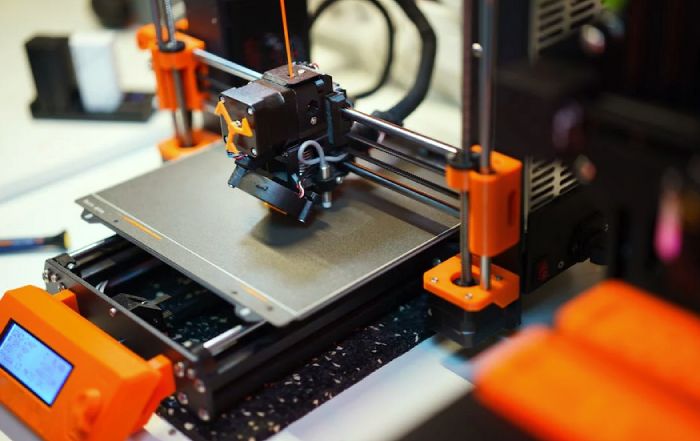
Recycle-ready 3D printing is built around a simple but powerful idea: household plastic waste can be shredded, melted, and extruded into filament, which is then used as feedstock for a standard Fused Deposition Modeling (FDM) 3D printer. Rather than purchasing filament made from virgin materials, users can transform PET bottles, HDPE jugs, and PP containers into a continuous filament that becomes the raw material for new objects.
In practical terms, a home system typically consists of three integrated components: a compact shredder that reduces washed plastic into flakes, a filament extruder that converts flakes into filament of consistent diameter, and a 3D printer that uses digital models to print layer by layer. In 2026, the market includes increasingly refined consumer systems, building on early pioneers such as ReDeTec with its ProtoCycler+, Felfil with the Felfil Evo, and Filabot, all of which helped prove that small-scale filament production can be technically reliable and economically viable. Interested readers can review the evolution of these systems on the official sites of ReDeTec, Felfil, and Filabot to understand how features like automatic spooling, closed-loop diameter control, and user-friendly interfaces have matured.
On the printer side, open and modifiable machines such as the Prusa i3 family, Creality Ender series, and LulzBot platforms have continued to dominate the hobbyist and prosumer markets. Their open ecosystems, strong community support, and extensive documentation have made them natural partners for recycled filament experiments. For design files, repositories such as Thingiverse, MyMiniFactory, and Cults3D provide millions of models, from simple hooks and organizers to complex mechanical parts.
From the perspective of You Save Our World, these developments are not merely about hardware. They represent a maturing ecosystem in which hardware manufacturers, open-source designers, educators, and sustainability advocates collaborate to turn domestic waste into an asset, reinforcing the platform's focus on innovation and technology as enablers of responsible lifestyles.
From Packaging to Products: What Households Can Create
By 2026, the range of objects that can be reliably produced from recycled household plastics has expanded significantly. Early adopters initially focused on simple, low-load items, but improved filament quality and better design practices now allow for more demanding applications, provided that users understand material properties and limitations.
Common PET and HDPE waste can be turned into drawer organizers, bathroom accessories, storage bins, cable management systems, plant pots, wall hooks, and a wide array of customized fixtures that replace low-quality, short-lived products often purchased online. For many readers interested in sustainable living and lifestyle, the appeal lies in the ability to design items that fit their exact space, aesthetic, and functional needs, while knowing that the raw material was diverted from the waste stream.
More advanced practitioners have moved into making replacement components for furniture, appliances, and tools, such as knobs, clips, brackets, and housings. In regions where spare parts are expensive or difficult to obtain, this capability has real economic and social value. At the same time, educational institutions use recycled filament to print scientific models, engineering prototypes, and learning aids, embedding circular thinking into education and STEAM curricula.
The open-source initiative Precious Plastic, founded by designer Dave Hakkens, has been especially influential in popularizing small-scale recycling machinery and community-based fabrication. Its global community shares blueprints, tutorials, and business models that help local groups build their own shredders, extruders, and presses. By visiting Precious Plastic, readers can see how the movement has evolved into a distributed network of micro-enterprises and educational hubs that complement the information and values promoted on You Save Our World.
The Home Recycling Workflow: From Waste to Filament
For a household or small business leader considering this approach, understanding the workflow is crucial, because outcomes depend heavily on careful preparation and process control.
The first stage involves collecting and sorting suitable plastics. Typically, this means focusing on clear or lightly colored PET bottles, HDPE containers such as milk jugs and detergent bottles, and certain PP food containers. Labels, adhesives, and caps are usually removed, and the items are washed thoroughly to eliminate organic residues and detergents. Proper drying is critical; moisture trapped in plastic flakes can cause bubbling, weak spots, and inconsistent filament during extrusion.
Once cleaned and dried, the plastics are fed into a shredder. Modern home units, inspired in part by designs from Precious Plastic and refined by companies like Filabot, produce flakes of relatively uniform size, which improves extrusion consistency. Safety remains a priority: manufacturers and organizations such as the Fab Foundation emphasize the importance of eye protection, gloves, and strict adherence to operating instructions.
In the extrusion phase, flakes are introduced into a heated barrel where they are melted and pushed through a die to form filament. Systems like ProtoCycler+ and Felfil Evo now include temperature presets for common plastics, diameter monitoring, and automated spooling. Users often experiment with colorants and blends, but they must also maintain records of process parameters to achieve repeatable results. For those seeking detailed, practice-based guidance, communities around Prusa, LulzBot, and maker networks documented by sources such as Make: Magazine provide invaluable knowledge.
The final stage is printing. Here, the user loads the home-made filament into an FDM printer, selects or designs a model, and fine-tunes settings such as nozzle temperature, bed temperature, print speed, and cooling. Over time, experienced users build profiles tailored to their specific recycled filament, achieving mechanical properties that approach, and in some cases match, commercial filaments. In doing so, they create a closed loop at the household level, one that aligns strongly with the circular principles discussed in You Save Our World's section on sustainable business.
Safety, Health, and Material Limitations
For an expert and business-oriented audience, it is important to be candid about the limitations and risks of home plastic recycling. Not all plastics are suitable for melting in domestic environments. PVC and certain styrenic plastics can release hazardous fumes when heated, and even relatively benign materials like ABS may emit ultrafine particles and volatile compounds that require good ventilation and filtration. Institutions such as UL and research groups at universities including MIT and ETH Zurich have published studies on emissions from desktop 3D printers, reinforcing the need for responsible use.
Households should therefore prioritize safer polymers such as PETG, PLA (when available as recycled or bio-based), and carefully sourced PET and HDPE, and they should operate printers in well-ventilated spaces, ideally with enclosures and filters. When producing items that come into contact with food or skin, users must be particularly cautious, as the thermal history of recycled plastics, potential contamination, and the porous nature of FDM prints can pose hygiene challenges. Authoritative guides from bodies like the U.S. Food and Drug Administration (FDA) and the European Food Safety Authority (EFSA) provide baseline principles for food-contact materials, even if they do not yet fully address home-printed items.
From a quality standpoint, recycled filament can show more variability than industrial-grade products, especially when feedstock is inconsistent. For mission-critical components, safety-related parts, or applications involving significant mechanical loads, experts typically recommend using certified materials or professionally recycled filament. The responsible position, and the one that You Save Our World promotes in its coverage of waste and business, is to see home recycling as a powerful complement to, not a replacement for, robust industrial recycling and product safety standards.
Household Circular Economy: Beyond Symbolism
When viewed through a systems lens, home-based plastic recycling is more than an eco-friendly hobby. It is a tangible expression of circular economy principles at the smallest possible scale. Instead of the traditional linear model of take-make-dispose, households begin to adopt a looped mindset: design for longevity, repair instead of discard, and treat waste as a resource.
Organizations such as the Ellen MacArthur Foundation and initiatives like the European Green Deal have emphasized that successful circular transitions require both top-down policy and bottom-up engagement. Home recycling with 3D printing speaks directly to this bottom-up dimension. It enables families, schools, and micro-enterprises to internalize the logic of resource efficiency and apply it to everyday decisions. For readers of You Save Our World who follow developments in the global sustainability agenda, this domestic practice becomes a way to participate in the broader transformation advocated by frameworks like the UN Sustainable Development Goals, particularly SDG 12 on responsible consumption and production.
Moreover, by designing and printing their own items, individuals become more aware of how objects are made, which materials they use, and how they will be disposed of at end of life. This design literacy supports better choices across the board, from purchasing more repairable products to favoring brands that invest in recyclability and take-back schemes. It resonates strongly with You Save Our World's coverage of design and economy, where the intersection of aesthetics, function, and sustainability is a recurring theme.
Innovation Leaders and Ecosystems
The progress visible in 2026 would not have been possible without a diverse ecosystem of innovators. Hardware companies such as ReDeTec, Felfil, and Filabot have refined their machines to be safer, more reliable, and more accessible, while open-source communities like Precious Plastic have ensured that low-cost, DIY options remain available for communities with limited resources.
At the same time, global networks such as The Fab Foundation and Fab Labs have embedded recycling-aware 3D printing into makerspaces and schools worldwide, creating hubs where learners of all ages can experiment with circular fabrication. Nonprofits such as e-NABLE, originally known for 3D-printed prosthetic hands, have explored the potential of recycled materials in humanitarian and medical contexts, though strict safety and performance requirements mean that not all such applications are ready for widespread deployment.
Universities and research centers have also played a central role. Institutions like Delft University of Technology, University College London, and Carnegie Mellon University have conducted studies on mechanical performance, life-cycle impacts, and design methods tailored to recycled filaments. These studies, often published in journals accessible through platforms like ScienceDirect and SpringerLink, provide a scientific basis for claims about emissions reductions, material efficiency, and product durability.
For a platform like You Save Our World, which aims to curate trustworthy, experience-based knowledge for its audience, these developments strengthen the case that home recycling is not a passing trend but a field grounded in rigorous experimentation and cross-sector collaboration.
Economic, Social, and Environmental Benefits
From a business and household budgeting perspective, the economic logic of home plastic recycling is increasingly compelling. Commercial filament often costs between 20 and 40 dollars per kilogram, and for schools, makerspaces, or small design studios that print frequently, this expense adds up quickly. By contrast, the raw material cost of recycled filament is effectively zero, beyond the electricity and maintenance required to run the equipment. Over time, especially in high-use environments, the capital investment in a shredder and extruder can be offset by savings on purchased filament.
In underserved or remote regions, decentralized recycling can support micro-enterprises that produce locally relevant products-spare parts, agricultural tools, educational devices-using waste collected from the community. This model, documented by organizations such as UNDP and Practical Action, demonstrates how circular technologies can contribute to local resilience and inclusive growth, a theme closely related to You Save Our World's interest in the global economy and equitable development.
Environmentally, the benefits include reduced demand for virgin plastic, lower transportation impacts compared to centralized manufacturing and shipping, and higher material utilization rates. Research from groups like the MIT Center for Bits and Atoms and the National Renewable Energy Laboratory (NREL) has highlighted how additive manufacturing can achieve high material efficiency and, when powered by low-carbon electricity, significantly cut lifecycle emissions. For readers who follow You Save Our World's updates on climate change, home recycling can thus be understood as one practical tool among many in the portfolio of climate-positive actions.
Education, Mindset, and Personal Well-Being
Beyond material and financial metrics, home-based recycling with 3D printing has a profound educational and psychological dimension. It encourages a mindset of agency rather than helplessness, which is increasingly important as news about environmental crises can lead to eco-anxiety and a sense of powerlessness. By giving individuals a direct, visible way to convert waste into useful objects, it reinforces the idea that meaningful change can begin at home.
Educators use these systems to teach not only engineering and design, but also systems thinking, ethics, and environmental science. Students learn to quantify the mass of plastic diverted, to compare the carbon footprint of different production methods, and to reflect on the social implications of access to fabrication tools. This integrated approach aligns with You Save Our World's commitment to education and personal well-being, recognizing that a sense of contribution and competence can support mental health in the face of global challenges.
For professionals and entrepreneurs, engaging with recycled 3D printing can spark new business ideas, from circular product-as-a-service models to repair-focused ventures and localized manufacturing cooperatives. As more companies adopt sustainability reporting frameworks promoted by organizations like the Global Reporting Initiative (GRI) and CDP, practical experience with circular tools at the personal level can enhance professional credibility and strategic insight.
Looking Ahead: Smarter, Safer, and More Integrated Systems
As of 2026, the trajectory of this field points toward greater automation, intelligence, and integration with digital platforms. Emerging systems already incorporate optical sensors and machine learning algorithms to identify plastic types, adjust extrusion parameters automatically, and flag contaminants. Smartphone applications can guide users through sorting and preparation, drawing on databases maintained by groups such as Plastic Soup Foundation and academic researchers tracking polymer identification.
In parallel, design platforms are evolving toward collaborative, sustainability-aware ecosystems. Some repositories now allow users to filter models by material efficiency, print time, and suitability for recycled filaments, while rating systems reward designs that minimize support structures and encourage repair. This trend resonates with You Save Our World's editorial focus on innovation and responsible technology, where digital tools are evaluated not only for their novelty but for their contribution to a regenerative future.
There is also growing interest in hybrid systems that combine recycled fossil-based plastics with bio-based and biodegradable polymers, as well as in solar-powered or off-grid 3D printing setups suitable for humanitarian and rural contexts. Organizations like UNHCR and Doctors Without Borders (MSF) have experimented with field-deployable fabrication units, and while most still rely on conventional filaments, the potential to incorporate locally recycled materials is increasingly recognized.
How You Save Our World Fits into This Transition
For readers who rely on You Save Our World as a trusted guide to sustainable living, plastic recycling, and climate-conscious business, home-based 3D printing with recycled plastics is more than an interesting case study. It is a practical expression of the platform's core values: informed action, empowerment through knowledge, and alignment between personal choices and planetary boundaries.
By connecting technological developments with clear explanations, real-world examples, and links to authoritative resources such as UNEP, the Ellen MacArthur Foundation, and leading research institutions, You Save Our World aims to provide the Experience, Expertise, Authoritativeness, and Trustworthiness that decision-makers require. Whether readers are considering a first desktop printer, evaluating the feasibility of a school makerspace, or exploring circular product strategies for their company, the principles outlined here can serve as a foundation.
Ultimately, the fusion of home 3D printing and plastic recycling will not, on its own, solve the global waste crisis or halt climate change. Those challenges demand systemic policy changes, corporate accountability, and large-scale infrastructure. Yet, as this article has shown, it can meaningfully reduce waste at the household level, foster circular thinking, and inspire innovation that scales outward. For the community around You Save Our World, it represents a concrete, technically mature, and personally engaging way to "save our world" not in the abstract, but through everyday practice-one carefully printed, thoughtfully designed object at a time.
