
Global Solutions for Local Waste Challenges
A Changing World of Waste
Look, local waste has become one of the most visible mirrors of global economic, social and environmental systems, revealing how products are designed, how people live, how businesses operate and how governments regulate. From overflowing landfills on city outskirts to plastic debris in rivers and coastlines, the consequences of linear "take-make-dispose" models are now impossible to ignore, yet this same challenge is also catalyzing a wave of innovation, collaboration and policy reform that is redefining how societies think about resources, responsibility and value. For YouSaveOurWorld.com, which is dedicated to advancing practical and credible pathways toward more sustainable living and resilient economies, the question is no longer whether waste can be reduced, but how global solutions can be adapted, localized and scaled to transform everyday habits, business models and community infrastructures in ways that are both environmentally sound and economically viable.
Local waste challenges are profoundly shaped by global dynamics: international trade in materials, global supply chains, digital technologies, and climate policies influence what is produced, how it is packaged, where it is consumed and how it is ultimately discarded. Reports from organizations such as the World Bank show that municipal solid waste is projected to grow significantly in low- and middle-income countries as urbanization and consumption patterns expand, even while many high-income economies struggle with legacy landfills and complex waste streams from electronics, textiles and construction. Readers seeking to understand these broader trends can explore how global waste generation is evolving and why integrated solutions are now essential rather than optional. At the same time, the impacts of waste are intensely local, affecting neighborhood air quality, public health, municipal budgets and social equity, which is why YouSaveOurWorld.com approaches this topic through the lens of communities, households and businesses that are looking for actionable guidance, whether by embracing sustainable living practices or by redesigning products and services to generate less waste in the first place.
From Linear Waste to Circular Value
The shift from a linear to a circular economy has moved from theory to practice over the past decade, with leading organizations such as the Ellen MacArthur Foundation and OECD demonstrating how circular strategies can decouple economic growth from resource consumption and waste generation. In a linear system, materials are extracted, transformed into products, sold, used and discarded, often in a matter of months; in a circular system, products are designed for durability, reuse, repair and recycling, and the biological and technical nutrients they contain are kept in circulation for as long as possible. This shift requires not only technological innovation but also new business models, regulatory frameworks and consumer behaviors that prioritize long-term value over short-term convenience. Readers interested in how circularity is reshaping business models can learn more about sustainable business practices and explore how circular strategies are being implemented in different sectors.
The circular economy paradigm has gained credibility as more evidence accumulates about its economic benefits, including job creation in repair and remanufacturing, reduced exposure to volatile commodity prices, and lower environmental compliance costs. Analyses from institutions such as McKinsey & Company and the World Economic Forum have quantified how circularity can unlock trillions of dollars in value while significantly reducing greenhouse gas emissions and material waste, reinforcing the idea that waste prevention is not merely a compliance obligation but a strategic opportunity for competitive differentiation. For a business audience, this perspective is especially important, as it reframes waste from an unavoidable cost center into a design and innovation challenge that can be addressed through smarter product development, improved logistics, service-based models and closer collaboration with suppliers, customers and local authorities, themes that align strongly with the business-focused content developed on YouSaveOurWorld.com's sustainability and business pages.
Local Realities in a Global Waste System
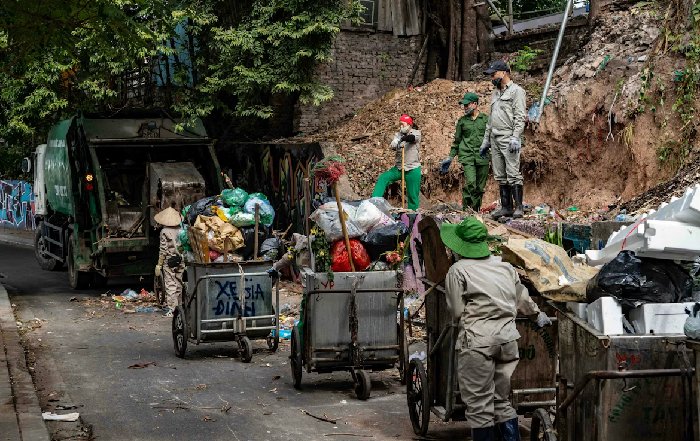
Despite the global narratives around circularity and sustainable development, local waste challenges are highly context-specific, shaped by geography, culture, income levels, infrastructure and governance. In rapidly growing cities across Asia and Africa, informal waste pickers often play a crucial role in collecting, sorting and recycling materials, operating in parallel with or in the absence of formal municipal systems; in many European and North American cities, sophisticated collection and sorting infrastructure coexists with persistent contamination of recycling streams and consumer confusion about proper disposal. The United Nations Environment Programme (UNEP) has highlighted how these disparities can lead to transboundary waste issues, such as the export of plastic and electronic waste from high-income to lower-income countries, where inadequate facilities can result in open burning, groundwater contamination and serious health risks for local communities. Understanding these dynamics is essential for designing global solutions that are fair, effective and adaptable.
For a platform like YouSaveOurWorld.com, which aims to bridge global insights with local action, the emphasis falls on translating international best practices into guidance that can be implemented at the scale of cities, neighborhoods and individual households. Local leaders, whether in municipal government or in business, need to understand how global policy developments such as the emerging international plastics treaty, extended producer responsibility schemes and climate commitments will influence their waste management responsibilities and opportunities. Readers seeking a deeper exploration of how waste, climate and global policy intersect can consult resources from the Intergovernmental Panel on Climate Change (IPCC) and the UNFCCC, while reflecting on how these frameworks can be integrated into community planning, procurement decisions and local climate strategies that address both mitigation and adaptation.
Plastic Waste and the Search for Scalable Recycling
Plastic waste remains one of the most visible and politically charged aspects of the global waste crisis, with images of marine litter, microplastics and overflowing dumpsites capturing public attention and prompting calls for urgent action. Scientific research compiled by institutions such as UNESCO and NOAA has shown that plastic pollution affects marine ecosystems, food chains and potentially human health, while also contributing indirectly to climate change through energy-intensive production and incineration. Yet plastics are deeply embedded in global supply chains due to their versatility, low cost and functional performance, which means that solutions must be multifaceted, combining reduction, redesign, reuse, recycling and, where appropriate, safe substitution. Readers interested in practical guidance on how to reduce plastic footprints at home and in the workplace can explore plastic recycling and reduction strategies that have been curated specifically for the YouSaveOurWorld.com audience.
Recycling alone cannot solve the plastic problem, but improving the quality, scale and economics of recycling remains a critical component of any comprehensive strategy. Innovations in chemical recycling, advanced sorting technologies and design for recyclability are being pursued by leading companies and research institutions, while policy instruments such as deposit-return schemes, minimum recycled content requirements and bans on certain single-use items are being implemented in many jurisdictions. Organizations like the OECD and the European Environment Agency provide detailed analyses of which policies and technologies are most effective under different conditions, offering valuable lessons for policymakers and corporate decision-makers alike. For businesses, aligning product design and packaging choices with emerging regulations and consumer expectations can reduce regulatory risk and enhance brand trust, particularly when these efforts are communicated transparently and supported by third-party certifications and credible reporting frameworks such as those promoted by the Global Reporting Initiative (GRI).
Innovation, Technology and Data-Driven Waste Management
Technological innovation is transforming waste management from a largely logistical function into a data-rich, analytics-driven domain where real-time information, predictive modeling and digital platforms enable more efficient, transparent and responsive systems. Smart bins equipped with sensors, route optimization software for collection fleets, and automated sorting lines using AI-enabled robotics are becoming more common in cities that invest in modern waste infrastructure. Organizations such as the International Solid Waste Association (ISWA) and technology companies active in the waste sector have documented how these tools can reduce operational costs, improve worker safety and increase recycling rates, particularly when combined with robust regulatory frameworks and public engagement. For readers interested in how technology intersects with sustainability, YouSaveOurWorld.com provides additional perspectives on innovation and technology for environmental solutions, emphasizing not only the potential but also the governance and ethical considerations that accompany digital transformation.
Data is also reshaping how businesses and municipalities measure and manage waste, with material flow analysis, lifecycle assessment and digital product passports enabling more precise tracking of where materials originate, how they are used and where they end up. Initiatives supported by the World Resources Institute (WRI) and the International Resource Panel have underscored the importance of robust data for setting realistic reduction targets, monitoring progress and identifying hotspots where interventions can have the greatest impact. For corporate sustainability teams, integrating waste metrics into broader environmental, social and governance (ESG) strategies is becoming a standard expectation among investors, regulators and customers, reinforcing the need for accurate reporting and continuous improvement. As these practices become more widespread, they also create opportunities for collaboration across value chains, where suppliers, manufacturers, retailers and recyclers can share information and coordinate actions to close material loops and minimize leakage into landfills and the environment.
Business Leadership and the Circular Economy Opportunity
Businesses are increasingly recognized as central actors in addressing local waste challenges, not only because they generate significant volumes of waste through operations and products, but also because they possess the resources, innovation capacity and market influence to reshape entire value chains. Leading companies such as Unilever, IKEA, Patagonia and Microsoft have announced ambitious targets to reduce waste, increase recycled content, design for circularity and support take-back or reuse schemes, setting benchmarks that influence industry norms and consumer expectations. Analyses by the World Business Council for Sustainable Development (WBCSD) and the CDP have shown that companies with robust waste and resource strategies are often better positioned to manage regulatory changes, supply chain disruptions and reputational risks, while also capturing new revenue streams from circular products and services. Readers seeking strategic insights into how businesses can align profitability with environmental responsibility can explore sustainable business approaches that have been tailored to the needs of executives, entrepreneurs and sustainability professionals.
The business case for addressing waste is also reinforced by macroeconomic trends, including resource scarcity, volatile commodity prices and increasing stakeholder pressure for transparency and accountability. Financial institutions, including major asset managers and development banks, are integrating circular economy criteria into investment decisions, while initiatives such as the Task Force on Climate-related Financial Disclosures (TCFD) and emerging standards on nature-related risks are encouraging companies to evaluate the financial implications of environmental degradation, including waste and pollution. For YouSaveOurWorld.com, communicating these developments in a clear and accessible manner is essential to empower business readers who may be convinced of the ethical imperative of reducing waste but still need to justify investments in circularity to boards, shareholders and customers. By showcasing case studies, tools and frameworks, the platform helps translate abstract concepts into practical action plans that can be implemented across different industries and regions.
Community Engagement, Education and Behavioral Change
While technology and policy are crucial, the success of any waste strategy ultimately depends on human behavior, which is shaped by awareness, social norms, incentives and education. Community-based initiatives, from neighborhood composting programs to repair cafés and zero-waste stores, demonstrate how local engagement can change habits, build social cohesion and reduce the volume of waste sent to landfills and incinerators. Research from institutions such as Harvard University and Stanford University has shown that behavioral nudges, clear communication and participatory approaches can significantly increase recycling rates and reduce contamination, particularly when residents feel a sense of ownership and understand the environmental and economic benefits of their actions. For readers who want to deepen their understanding of the social dimensions of waste, YouSaveOurWorld.com offers resources on environmental awareness and education that connect global issues with everyday choices.
Education systems are also beginning to integrate circular economy and waste literacy into curricula, from primary schools to universities and vocational training programs, recognizing that future professionals in design, engineering, business, public policy and healthcare will need to understand how their decisions influence material flows and environmental outcomes. Partnerships between schools, municipalities and businesses can create living laboratories where students participate in waste audits, design challenges and community projects, linking theory with practice and fostering a culture of innovation and responsibility. Organizations like UNESCO and the OECD have emphasized the importance of education for sustainable development in achieving global goals such as the UN Sustainable Development Goals (SDGs), particularly SDG 12 on responsible consumption and production. For the audience of YouSaveOurWorld.com, which includes educators, parents and lifelong learners, the integration of waste topics into broader sustainability education represents a powerful lever for long-term change.
Design, Lifestyle and the Future of Consumption
Design decisions made at the earliest stages of product development have profound implications for waste generation, recyclability and environmental impact, which is why many leading design schools and companies are now embracing principles of eco-design and cradle-to-cradle thinking. By selecting materials that are recyclable or biodegradable, minimizing the number of components, avoiding hazardous substances and designing for disassembly, designers can significantly reduce the end-of-life burden of products and packaging. Organizations such as the Cradle to Cradle Products Innovation Institute and the Design Council provide frameworks and examples of how design can drive circularity across sectors ranging from fashion and furniture to electronics and construction. Readers interested in how design intersects with sustainability can explore perspectives on sustainable design and innovation, where YouSaveOurWorld.com highlights both cutting-edge concepts and practical tools for professionals and students.
Lifestyle choices also play a crucial role in shaping local waste streams, as decisions about what to buy, how to use products, and how to dispose of them influence demand for resource-intensive goods, single-use items and fast-moving consumer products. The rise of minimalism, sharing economies and repair cultures reflects a growing awareness that well-being is not necessarily linked to ever-increasing consumption, and that experiences, relationships and health often matter more than material accumulation. Research from organizations like the World Health Organization (WHO) and the World Happiness Report has explored how sustainable lifestyles can support personal well-being by reducing stress, improving air and water quality, and fostering stronger community ties. On YouSaveOurWorld.com, discussions of lifestyle and personal well-being emphasize that reducing waste is not merely an environmental duty but also an opportunity to live more intentionally, healthily and meaningfully.
Integrating Waste into Broader Economic and Climate Strategies
Waste management cannot be treated in isolation from broader economic, climate and development strategies, as it intersects with energy systems, land use, public health, employment and social equity. Landfills and waste incineration facilities contribute to greenhouse gas emissions, while poorly managed waste can exacerbate flooding, disease and environmental degradation, particularly in vulnerable communities. Conversely, well-designed waste systems can support climate mitigation by capturing landfill gas, promoting material efficiency and reducing the need for virgin resource extraction, as highlighted in reports by the IPCC and the International Energy Agency (IEA). For policymakers and business leaders, integrating waste considerations into climate action plans, urban development strategies and industrial policies is therefore essential to achieving net-zero and resilience goals. Readers can explore how waste and climate are interconnected through resources on climate change and sustainable economies, where YouSaveOurWorld.com connects macroeconomic insights with practical pathways.
Economic instruments such as landfill taxes, pay-as-you-throw schemes, green public procurement and circular economy incentives can create powerful signals that shift markets toward waste prevention and resource efficiency. International organizations including the International Monetary Fund (IMF) and the World Bank have examined how fiscal policies can support greener growth, while also cautioning that social safeguards are needed to ensure a just transition for workers and communities dependent on traditional waste and resource industries. At the same time, global agreements such as the Paris Agreement and the emerging international plastics treaty are setting the direction of travel for national policies, investor expectations and corporate strategies, reinforcing the importance of aligning local waste initiatives with global commitments. For YouSaveOurWorld.com, which seeks to help readers navigate this complex landscape, the emphasis remains on translating high-level frameworks into actionable steps that can be implemented in businesses, municipalities and households worldwide.
A Shared Agenda for Global and Local Action
Today the convergence of technological innovation, policy momentum, business leadership and community engagement is creating a unique opportunity to address local waste challenges through global solutions that are both ambitious and grounded in real-world experience. The path forward will require sustained collaboration across sectors and borders, as well as a willingness to rethink long-standing assumptions about consumption, responsibility and value. For the audience here, this moment offers a chance to move beyond incremental improvements and toward systemic change, whether by adopting more sustainable habits at home, advocating for better waste policies in local communities, or integrating circular economy principles into corporate strategies and investment decisions. Those who wish to explore these themes further can navigate the platform's resources on waste and resource management, global sustainability trends, and innovation for a circular future, each designed to support informed, practical and impactful action.
Ultimately, global solutions for local waste challenges are not abstract concepts reserved for policymakers and experts; they are living practices that emerge whenever individuals, organizations and communities choose to see waste not as an inevitable by-product of modern life, but as a design flaw that can be corrected through creativity, collaboration and commitment. By connecting authoritative global knowledge with local experience and by fostering a culture of shared responsibility, YouSaveOurWorld team seeks to contribute to a world in which waste is minimized, resources are valued and communities thrive in healthier, more resilient environments. In this vision, every decision about what to produce, purchase, use and discard becomes part of a larger story of transformation, where global insight and local action work together to save not only resources, but also the quality of life and opportunities available to current and future generations.
