
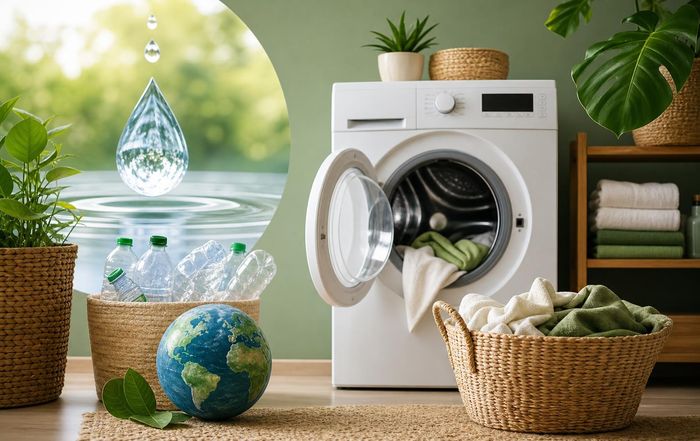
Eco-Friendly Laundry Habits That Save Water and Energy
Laundry is one of the most routine household tasks, but it is also surprisingly resource-intensive. In many homes, washing machines and dryers are among the biggest users of water and electricity, and the detergents and microfibres they release can affect rivers, oceans, and air quality. The good news is that small, practical changes in how laundry is done can significantly cut water and energy use, reduce pollution, and even make clothes last longer. For households trying to live more sustainably, laundry is a high-impact place to start.
This guide looks at how laundry affects the environment, then walks through concrete habits, technologies, and product choices that help save water and energy without sacrificing cleanliness or convenience. It focuses on steps that people in different housing situations and climates can realistically adopt, from city apartments to rural homes.
Why laundry has a big environmental footprint
Residential laundry combines several environmental pressures: water consumption, energy demand, chemical use, and textile shedding. According to the U.S. Environmental Protection Agency (EPA), conventional top-loading washers can use well over 100 litres of water per cycle, while older models may use significantly more. High-efficiency front-loaders typically cut that use by around half or more, but many households still run older machines. In regions facing water stress, such as parts of the western United States, southern Europe, and Australia, laundry can be a notable share of domestic water demand.
Energy use is another concern. Washing machines draw power to heat water and run the motor, while tumble dryers are among the highest energy-using appliances in many homes. Data from agencies such as the International Energy Agency (IEA) and national energy offices consistently show that water heating is a major share of household energy use. Every load washed in hot water instead of cold, and every extra hour of tumble drying, adds to greenhouse gas emissions in countries that still rely heavily on fossil fuel-based electricity.
Detergents and fabric softeners also matter. Many conventional products contain surfactants, fragrances, and preservatives that can be harmful to aquatic life if not properly treated. Organizations like the European Environment Agency (EEA) and UN Environment Programme (UNEP) have highlighted household chemicals as one of several contributors to water pollution. Finally, synthetic clothing sheds tiny plastic microfibres during washing. Research coordinated by groups such as the International Union for Conservation of Nature (IUCN) has identified textiles as a significant source of microplastics in the oceans.
For readers interested in broader context on how everyday habits shape planetary health, the overview of sustainable living offers a wider lens. Laundry is a single, but important, piece of that picture.
Choosing (and using) a water-efficient washing machine
The type of washing machine in a home largely determines baseline water and energy use per load. Modern high-efficiency front-loading or advanced top-loading machines use significantly less water than older agitator-style top-loaders, and often extract more water in the spin cycle, which reduces drying time.
When choosing a new machine, independent labeling schemes such as Energy Star in the United States (energystar.gov), the EU energy label, or similar national programs in Australia, Japan, and other markets help consumers compare performance. These labels typically rate both energy and water efficiency. Paying attention to the combined rating is important because some models may excel on one dimension but be mediocre on the other.
However, simply owning an efficient machine does not guarantee low impact. How it is used day-to-day is just as important. Many households routinely run half-full loads, use hotter cycles than necessary, or select "quick wash" programs that can be less efficient per kilogram of laundry. For most everyday clothing, choosing an "eco" or "cold" cycle, running the machine with a full but not overstuffed drum, and avoiding unnecessary pre-wash options can significantly cut resource use. Readers interested in how appliance choices intersect with broader technology and innovation trends may also want to explore advances in smart home systems and demand-response energy programs.
In some regions, water-efficient machines are supported by rebates or incentives from utilities or governments. Checking local programs through municipal authorities, water utilities, or national energy agencies can reduce the upfront cost of switching to a more efficient model, making the sustainable choice more accessible.
Smart washing habits: temperature, load size, and timing
Everyday decisions about when and how to wash clothes can have as much impact as the choice of machine. One of the most effective shifts is lowering wash temperatures. According to organizations such as the UK's Energy Saving Trust (energysavingtrust.org.uk) and various national energy agencies, heating water typically accounts for the majority of the energy used in a wash cycle. For lightly soiled clothes, washing at 20-30°C (68-86°F) is often sufficient when combined with modern detergents formulated for cold water. Reserving hotter cycles for bedding, towels, or heavily soiled items can cut overall energy use while maintaining hygiene.
Load management is another powerful lever. Running full loads reduces per-item water and energy use, but overfilling can lead to poor cleaning and increased wear on fabrics and the machine. A reasonable rule is that clothes should fill the drum loosely, leaving space at the top so they can move freely. Households that generate small amounts of laundry might consider coordinating wash days or separating items differently so that loads are full without mixing incompatible fabrics or colors.
Timing also matters, especially in regions with time-of-use electricity pricing or grids with variable renewable energy generation. Running machines during off-peak hours can reduce strain on the grid and sometimes lower bills. In areas with high solar penetration, daytime washing can make use of abundant solar power. Some smart washers can be programmed or controlled via apps to run at optimal times, aligning personal routines with system-level climate change goals.
Finally, rethinking what actually needs washing is a subtle but important habit. Many garments, especially jeans, sweaters, and jackets, do not need to be washed after every wear unless soiled. Airing clothes between uses, spot cleaning stains, and using garment brushes can extend the time between washes, saving water and energy while also prolonging the life of clothing.
Detergents, softeners, and the chemistry of clean
What goes into the washing machine is as important as how often it runs. Detergents are complex mixtures of surfactants, builders, enzymes, fragrances, and other additives. Some of these ingredients can have negative environmental impacts, particularly if wastewater treatment is inadequate. Regulatory frameworks in many countries have phased out or restricted certain phosphates and problematic surfactants, but differences remain between products and regions.
Consumers looking for more environmentally responsible options can look for credible third-party certifications, such as EU Ecolabel, Nordic Swan, Blue Angel, or similar labels in other markets. These schemes, referenced by bodies like the European Commission (ec.europa.eu), typically consider biodegradability, aquatic toxicity, packaging, and performance. In North America and elsewhere, non-profit organizations and some government agencies provide guidance on safer household products, though criteria and logos vary.
Concentrated detergents are generally preferable from a resource perspective because they reduce packaging, transport emissions, and storage space. However, they must be dosed correctly. Using more detergent than recommended does not improve cleaning and can lead to residue on clothes, extra rinse cycles, and higher chemical loads in wastewater. Hard water conditions may require slightly more product, but following the manufacturer's guidelines is usually a good starting point.
Fabric softeners and fragranced additives are often less essential than marketing suggests. They can introduce additional chemicals into wastewater and sometimes reduce the absorbency of towels or performance fabrics. For many households, simply reducing or eliminating softener use is a straightforward way to lower chemical footprints. Alternatives such as vinegar rinses are sometimes suggested in popular advice, but users should be cautious about long-term effects on machine components and always consult appliance guidance.
Readers interested in the broader issue of household chemicals and pollution may find the section on waste useful, as it explores how everyday products move through and affect ecosystems.
Tackling microfibres and textile waste
Beyond water and energy, laundry is a major source of microplastic pollution. Synthetic textiles such as polyester, acrylic, and nylon shed tiny fibres during washing. These microfibres pass through wastewater systems and can end up in rivers, lakes, and oceans, where they are ingested by aquatic organisms. The IUCN and other research groups have highlighted textile washing as a notable contributor to microplastic loads in the environment.
Several practical steps can reduce fibre shedding. Washing clothes at lower temperatures and on gentler cycles can lessen mechanical stress on fabrics. Front-loading machines tend to be less abrasive than traditional agitator top-loaders, which may also help. Turning garments inside out and using shorter cycles when appropriate can further reduce shedding and prolong garment life.
Additional tools are emerging to address microfibres directly. Aftermarket products like washing bags or in-drum filters are designed to capture fibres before they leave the machine. Some new washing machines come with built-in microfibre filters, and certain jurisdictions-such as France-have moved toward requiring such features on new models in the coming years. While these technologies are not perfect, they represent a practical step toward limiting textile pollution.
Equally important is reconsidering clothing choices and consumption patterns. Natural fibres such as organic cotton, linen, or wool do not shed plastic, though they have their own environmental footprints related to land, water, and chemical use. Buying fewer, better-quality garments, repairing items rather than discarding them, and reusing or recycling textiles where possible all reduce the volume of material entering the laundry system. For a broader look at consumption and the circular economy, the site's global and economy sections explore how everyday choices shape resource flows.
Drying clothes with less energy and more care
Drying is often the most energy-intensive stage of laundry, particularly in households that depend on electric tumble dryers. According to data from organizations such as Natural Resources Canada (nrcan.gc.ca) and various national energy agencies, dryers can consume more electricity per cycle than washing machines, especially older vented models. Shifting how clothes are dried can dramatically reduce household energy use.
Air drying, whether on an outdoor line or indoor rack, is the most energy-efficient option. In many climates, even partial air drying-such as hanging heavier items like towels, jeans, and bedding-can significantly cut dryer run time. Indoor drying does require attention to ventilation and humidity to avoid mold or condensation, particularly in smaller or poorly ventilated homes. Dehumidifiers or controlled ventilation can help in humid or cold regions.
When a tumble dryer is necessary, choosing an efficient model and using it wisely matters. Heat pump dryers, more common in Europe and increasingly available elsewhere, typically use much less energy than traditional vented or condenser dryers by recycling heat within a closed system. They are generally more expensive upfront but can save energy and operating costs over time. Cleaning the lint filter after every load, ensuring vents are clear, and using sensor-dry rather than timed cycles can further reduce energy use and prevent over-drying, which damages fabrics.
Spin efficiency in the washing machine also affects drying. Selecting a higher spin speed (where fabrics allow) removes more water mechanically, reducing the time and energy needed for either air or tumble drying. Balancing spin speed with fabric care is important, as very high speeds may be too aggressive for delicate garments. For readers interested in how home practices connect to broader lifestyle choices, drying habits are a clear example of everyday decisions that compound over time.
Designing a low-impact laundry routine at home
Turning individual tips into a consistent routine is often the biggest challenge. Households vary widely: some have children or work uniforms that generate heavy laundry loads; others live in small apartments with shared facilities; still others may rely on laundromats or community washing spaces. A sustainable routine needs to fit real constraints, not an idealized picture.
One useful approach is to map out typical laundry categories-everyday clothes, linens, delicate items, sportswear-and decide default settings for each: temperature, cycle length, detergent dose, and drying method. For example, a household might choose cold water and air drying as the standard for everyday clothes, a warm cycle and partial tumble drying for towels, and a specialized cold gentle cycle for technical sportswear. Writing this down or posting a simple guide near the machine can help everyone in the home follow the same practices.
Households in water-stressed regions may prioritize reduced wash frequency and full loads, while those with renewable-rich electricity grids might focus more on timing and appliance efficiency. Renters using shared machines may have limited control over equipment but can still adjust temperature, load size, detergent, and drying choices. In some multi-unit buildings, collective decisions-such as installing more efficient machines or adding drying lines-can make a substantial difference.
For those interested in the intersection of household routines and personal well-being, simplifying laundry can also reduce stress. Fewer but more intentional wash days, standardized settings, and a smaller, better-curated wardrobe can make the task more manageable, while also aligning with environmental goals. Over time, these routines become automatic, turning sustainability from an extra effort into the default.
The role of policy, labels, and business innovation
While individual habits are crucial, structural changes in technology, policy, and business can make eco-friendly laundry easier and more accessible. Governments and regulators influence appliance efficiency through standards and labeling, while businesses innovate in detergents, machines, and service models.
Many countries use minimum energy performance standards (MEPS) and water efficiency regulations to phase out the least efficient washing machines and dryers. Labels such as Energy Star, the EU energy label, and similar schemes in Asia-Pacific and Latin America help consumers identify better-performing models at the point of sale. International cooperation through bodies like the International Energy Agency and national environment ministries continues to refine these standards as technology improves.
On the business side, manufacturers are investing in smart appliances that optimize water and energy use, integrate with home energy management systems, and in some cases coordinate with utilities to run at grid-friendly times. Detergent companies are reformulating products for cold-water performance and reduced environmental impact, sometimes in response to pressure from NGOs and consumer groups. Service-based models such as shared laundry rooms, laundromats with high-efficiency machines, and textile care services can also reduce per-capita resource use when well managed.
For readers following developments in sustainable business and business more broadly, laundry is an example of how regulatory frameworks, corporate innovation, and consumer demand interact. Policy can set floors for performance, companies can differentiate with cleaner products and technologies, and households can reinforce positive trends through purchasing and usage decisions.
Everyday choices that add up
Laundry may feel like a small part of the global environmental picture, but it sits at the intersection of water, energy, chemicals, and textiles-four areas central to a more sustainable future. By lowering wash temperatures, running full loads, choosing efficient machines and detergents, reducing microfibre shedding, and favoring air drying where possible, households can cut their footprint without sacrificing cleanliness or comfort.
These habits also support wider efforts to address climate and ecological challenges. They reduce demand on water supplies and energy systems, limit chemical and microplastic pollution, and extend the life of clothing, which in turn reduces the need for new resource-intensive textiles. When combined with other low-impact practices at home, they become part of a broader shift toward more sustainable living.
For those looking to deepen their understanding beyond the laundry room, the sections on environmental awareness and global issues offer further context on how everyday routines connect to planetary boundaries. Eco-friendly laundry is not a complete solution to the world's environmental problems, but it is a practical, repeatable action where individual choices truly matter-and where better habits can start with the next load.
