
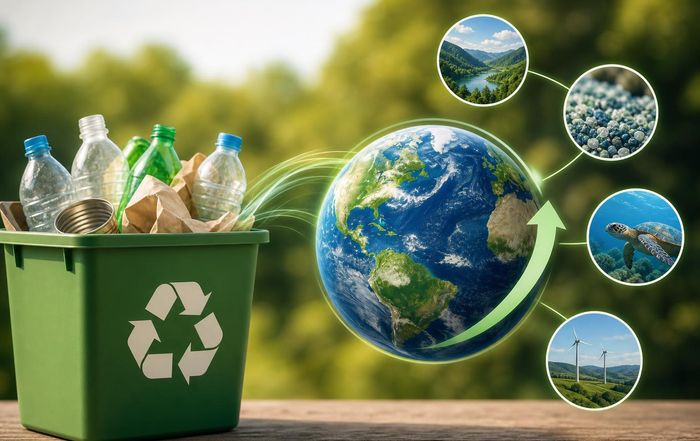
How Local Recycling Habits Create Worldwide Impact
A New Lens on Everyday Waste
The global conversation about climate, resources, and economic resilience has moved far beyond abstract policy debates and scientific forecasts, and is now firmly anchored in the choices made in homes, offices, and communities every single day. Online here this shift is particularly evident in the way readers increasingly seek practical, evidence-based guidance on how routine actions, such as separating plastics or reusing packaging, can meaningfully influence global environmental and economic outcomes. What once felt like a marginal contribution-placing a bottle in a recycling bin instead of a trash can-has become part of a broader, data-backed narrative that connects local recycling habits with worldwide impacts on climate stability, resource security, public health, and business innovation.
Understanding this connection requires more than an appeal to good intentions; it calls for a careful look at how materials move through the global economy, how policies and technologies convert waste into value, and how individual and corporate behaviors aggregate into measurable, system-level change. As organizations such as UN Environment Programme (UNEP) and the Organisation for Economic Co-operation and Development (OECD) have repeatedly highlighted, improving local materials management is one of the most cost-effective strategies to reduce emissions, protect ecosystems, and support sustainable growth. Readers who explore the platform's dedicated pages on sustainable living and waste increasingly recognize that recycling is no longer a peripheral environmental gesture, but a core component of a resilient global economy.
The Global Waste Challenge Behind Local Bins
To appreciate the global influence of local recycling, it is essential to understand the scale and complexity of the waste challenge. According to assessments by the World Bank, municipal solid waste generation is projected to rise significantly as urbanization and consumption grow in emerging economies, putting unprecedented pressure on landfills, incinerators, and informal dumping sites. This surge in waste is not merely an aesthetic or logistical issue; it is a direct driver of greenhouse gas emissions, biodiversity loss, soil and water contamination, and public health risks, especially in communities lacking robust infrastructure. Readers who delve into the site's analysis of climate change quickly see that waste management and climate policy are tightly interwoven, as waste sector emissions are closely tied to methane from landfills, energy used in materials production, and the lost opportunity to recover resources.
Global institutions such as the Intergovernmental Panel on Climate Change (IPCC) have emphasized that reducing waste and improving recycling rates are among the fastest and most scalable ways to cut emissions associated with materials production, especially in carbon-intensive industries like metals, plastics, and cement. When a local community improves its recycling rates, it is not simply reducing the volume of garbage sent to a nearby landfill; it is also lowering global demand for virgin materials, which often involve energy-intensive mining, refining, and manufacturing processes. This connection between local behavior and global impact is one of the core themes explored on YouSaveOurWorld.com, where readers are encouraged to see their neighborhood recycling station as a node in a vast international network of resources, markets, and environmental consequences.
Plastic Recycling as a Catalyst for Systemic Change
Among all material streams, plastic has become the most visible and politically charged symbol of the global waste crisis. Reports from organizations such as The Ellen MacArthur Foundation and OECD have shown that only a fraction of plastic produced worldwide is effectively recycled, with the rest ending up in landfills, incinerators, or the natural environment, including rivers and oceans. The growing body of scientific evidence on microplastics, published by institutions like UNESCO and leading universities, has revealed how fragmented plastic debris infiltrates food chains, water supplies, and even human bodies, raising serious concerns about long-term health and ecological impacts.
In this context, local plastic recycling habits take on outsized significance. When residents and businesses adopt consistent, informed practices-sorting plastics correctly, reducing contamination, and supporting recycled-content products-they help stabilize and strengthen the economics of recycling systems. This is why YouSaveOurWorld dedicates a specific section to plastic recycling, explaining not only how to recycle more effectively, but also how consumer demand can incentivize companies to invest in better packaging design and circular business models. International initiatives, such as those documented by the World Economic Forum, demonstrate that when cities and regions improve plastic collection and sorting, they can significantly reduce marine litter and open new opportunities for local manufacturing based on recycled feedstock.
At the same time, plastic recycling underscores the importance of design and innovation. Organizations like Ellen MacArthur Foundation and World Resources Institute have stressed that recycling alone cannot solve the plastic problem if products remain difficult to disassemble, sort, and process. By supporting companies that prioritize recyclability and reuse, and by advocating for policies that reward responsible design, local communities send a powerful signal up the value chain. This alignment between consumer behavior, corporate strategy, and public policy is a recurring theme across the platform's pages of innovation and design, where the focus is on how everyday choices can push entire sectors toward more circular and less wasteful practices.
Recycling, Climate Change, and the Carbon Footprint of Materials
For readers concerned about the climate crisis, one of the most compelling reasons to strengthen local recycling habits lies in the carbon savings associated with using recycled rather than virgin materials. Studies by agencies such as the United States Environmental Protection Agency (EPA) and the European Environment Agency (EEA) have consistently shown that recycling metals, paper, plastics, and glass generally requires far less energy than producing the same materials from raw resources. This energy difference translates directly into lower carbon emissions, making recycling a practical and immediate tool in the broader climate mitigation toolkit.
On YouSaveOurWorld.com, the link between climate change and material flows is framed in a way that resonates with both individuals and businesses. When a company commits to using recycled aluminum in its products, it is effectively reducing the upstream emissions associated with mining and refining bauxite, a process documented by organizations like the International Energy Agency (IEA) as highly energy-intensive. Similarly, when households consistently recycle paper and cardboard, they contribute to lower demand for virgin pulp, which can in turn reduce deforestation pressure and protect carbon-rich ecosystems, as highlighted by World Wildlife Fund (WWF) and other conservation bodies.
The climate benefits of recycling are not confined to energy savings. By diverting organic waste and certain recyclables from landfills, communities can significantly cut methane emissions, a potent greenhouse gas. Integrated strategies that combine recycling, composting, and waste prevention are increasingly recognized by cities featured in C40 Cities Climate Leadership Group case studies as essential components of urban climate action plans. For the fans here, these examples demonstrate that small, local improvements in sorting and collection can scale up to measurable contributions in national and international climate targets.
Sustainable Business and the Economics of Circularity
In 2026, sustainability is no longer a peripheral corporate initiative; it is a strategic imperative. Companies across sectors-from consumer goods and technology to construction and logistics-are rethinking their relationship with materials and waste, driven by regulatory pressure, investor expectations, and shifting customer preferences. Leading consultancies and institutions such as McKinsey & Company and the World Business Council for Sustainable Development (WBCSD) have documented how circular business models, which prioritize reuse, repair, remanufacturing, and recycling, can unlock new revenue streams, reduce risk, and enhance brand value.
The business-focused readership of YouSaveOurWorld.com finds this transformation reflected in its dedicated section on sustainable business, where recycling is positioned not only as a compliance requirement but as a source of competitive advantage. When companies design products for disassembly, establish take-back schemes, or invest in local recycling infrastructure, they reduce dependence on volatile commodity markets and strengthen their supply chain resilience. Local recycling habits-both inside corporate facilities and across customer communities-feed directly into these strategies by ensuring a more reliable flow of quality secondary materials.
In parallel, financial markets are increasingly rewarding firms that demonstrate credible circular economy strategies. Major asset managers and initiatives such as the Principles for Responsible Investment (PRI) have integrated resource efficiency and waste reduction into their environmental, social, and governance (ESG) frameworks, recognizing that unmanaged waste can pose regulatory, reputational, and operational risks. Readers exploring the site's coverage of business and economy can see how local recycling participation-employees sorting waste correctly in offices, customers returning packaging, communities supporting repair and reuse-helps companies meet their ESG targets and report tangible progress to investors and regulators.
Technology, Data, and the Future of Local Recycling
Technological innovation is rapidly changing how recycling systems operate, making it easier to connect local actions with global outcomes in measurable ways. Advances in artificial intelligence, robotics, and digital tracking are enabling more accurate sorting, better contamination detection, and real-time monitoring of material flows. Organizations such as MIT and Fraunhofer Institute are at the forefront of developing smart sorting systems and sensor-based technologies that improve the efficiency and economics of recycling plants, while startups around the world experiment with digital deposit schemes, blockchain-based material passports, and app-enabled citizen engagement.
For the community of YouSaveOurWorld.com, which follows developments in technology and innovation, this technological shift underscores the importance of high-quality input from households and businesses. Even the most advanced sorting lines perform best when materials are clean and correctly separated, meaning that local habits still determine the effectiveness of high-tech solutions. Digital tools now allow municipalities and companies to provide tailored feedback to residents, showing how their recycling performance compares with other neighborhoods and how improvements translate into concrete environmental benefits, such as reduced emissions or avoided landfill expansion.
At the same time, data analytics and life-cycle assessment methodologies, refined by institutions like The International Organization for Standardization (ISO) and Global Reporting Initiative (GRI), allow organizations to quantify the climate and resource savings associated with recycled materials more precisely. This transparency reinforces trust, a core pillar of the platform's focus on experience, expertise, authoritativeness, and trustworthiness. When citizens can see verified data on how much energy and emissions were saved by their community's recycling program, they are more likely to maintain and improve their participation, creating a positive feedback loop between information, behavior, and environmental outcomes.
Lifestyle, Education, and the Culture of Environmental Awareness
Local recycling habits do not emerge in a vacuum; they are shaped by culture, education, infrastructure, and social norms. Over the past decade, environmental awareness has grown significantly, supported by schools, NGOs, media, and public campaigns, many of which draw on research and resources from organizations such as UNESCO, UNICEF, and National Geographic. For the audience of YouSaveOurWorld.com, which frequently explores content on environmental awareness, education, and lifestyle, this evolution is visible in the way recycling has become a normalized, almost expected component of responsible living.
Education plays a crucial role in building the habits and competencies needed for effective recycling. When schools integrate practical lessons on sorting waste, understanding symbols on packaging, and tracing the journey of materials from production to disposal, they help students internalize the idea that resources are finite and that personal choices matter. Community workshops, online courses, and corporate training programs extend this learning to adults, ensuring that knowledge keeps pace with changing packaging formats, technologies, and local regulations. Resources from platforms like Coursera and edX, which host courses on circular economy and sustainable resource management, complement the guidance offered on YouSaveOurWorld.com, helping individuals connect theory with the everyday decisions they make at home and at work.
Lifestyle choices, including diet, purchasing habits, and product use, also intersect with recycling in significant ways. Choosing products with minimal or recyclable packaging, supporting refill and deposit schemes, and favoring durable goods over disposable ones all contribute to reducing waste generation and improving the quality of recyclable materials. The site's content on personal well-being emphasizes that these choices are not only environmentally beneficial but can also reduce clutter, save money, and foster a sense of agency and alignment with personal values. In this sense, local recycling habits are both a reflection of and a catalyst for a broader cultural shift toward mindful consumption and long-term thinking.
Global Equity, Trade, and Shared Responsibility
The story of local recycling is also a story of global interdependence. For many years, high-income countries exported significant quantities of recyclable materials to lower-income nations, often without adequate safeguards or infrastructure, leading to environmental and social challenges in receiving regions. Policy changes in major importing countries, such as China's National Sword policy, have forced exporting nations to confront the true costs of their waste and invest more seriously in domestic recycling capacity. Reports by Basel Convention and coverage from Reuters and BBC News have highlighted how this shift has exposed imbalances in the global waste trade and underscored the need for more equitable and transparent systems.
For the nature lover community, which frequently engages with content on global issues and economy, this evolution underscores the ethical dimension of local recycling habits. When communities take responsibility for their own waste-investing in local processing, reducing contamination, and supporting domestic markets for recycled materials-they help reduce the burden on vulnerable regions and promote fairer, more sustainable trade practices. International frameworks, such as those developed under the Basel Convention and the emerging global plastics treaty negotiations, reinforce the principle that waste should be managed as close as possible to its source and that all nations share responsibility for protecting the global commons.
Local recycling efforts also support broader sustainable development goals. The United Nations Sustainable Development Goals (SDGs) explicitly link responsible consumption and production, climate action, and life below water and on land, highlighting how material management intersects with poverty reduction, health, and resilience. By improving recycling systems and habits, communities contribute not only to environmental protection but also to job creation, social inclusion, and economic diversification, especially when informal waste pickers are integrated into formal systems with fair wages and safe working conditions. This holistic perspective aligns with the platform's mission to connect environmental action with social and economic well-being, demonstrating that recycling is not an isolated technical issue but part of a comprehensive approach to sustainable development.
From Individual Action to Systemic Transformation
The central message that emerges from the analysis on YouSaveOurWorld.com is that local recycling habits, when cultivated thoughtfully and supported by effective systems, can drive change that extends far beyond municipal boundaries. Each correctly sorted bottle, can, or piece of cardboard becomes part of a larger flow of materials that displaces virgin resource extraction, reduces greenhouse gas emissions, and supports new business models grounded in circularity rather than linear consumption. Over time, these individual actions help reshape markets, influence policy, and normalize a culture of responsibility and care for shared resources.
For businesses, this means recognizing that internal recycling programs, supplier engagement, and customer-facing initiatives are not mere public relations exercises but strategic components of long-term resilience and competitiveness. For policymakers, it means designing regulations and incentives that align local behaviors with national and international sustainability objectives, ensuring that citizens are empowered with the infrastructure, information, and motivation needed to participate effectively. For individuals and communities, it means understanding that daily routines-how waste is handled in kitchens, offices, schools, and public spaces-are part of a global tapestry of actions that collectively determine the health of the planet.
Our environmental and climate carrying community are increasingly aware that the question is not whether local recycling habits matter, but how quickly and how ambitiously they can be improved, scaled, and integrated into broader strategies for sustainable living and responsible business. By connecting practical guidance on topics such as sustainable living, waste, sustainable business, and technology with insights from global institutions and real-world case studies, the platform seeks to equip its audience with the knowledge and confidence to act.
Ultimately, the worldwide impact of local recycling habits is measured not only in tons of material diverted from landfills or kilograms of carbon avoided, but also in the gradual emergence of a new mindset-one that views every product, package, and material as part of a continuous cycle rather than a linear journey from extraction to disposal. In nurturing this mindset, communities, businesses, and individuals together move closer to the vision that animates YouSaveOurWorld: a world in which environmental responsibility is embedded in everyday life, and where the simple act of choosing the right bin is recognized as a meaningful contribution to global change.
