Safeguarding Biodiversity: A Collective Responsibility

Last updated by Editorial team at yousaveourworld.com on Friday 23 January 2026
Safeguarding Biodiversity: A Collective Responsibility

Biodiversity, Business, and the Battle for a Liveable Planet in 2026

Why Biodiversity Now Sits at the Heart of a Liveable Future

In 2026, the conversation about the future of life on Earth has moved decisively from abstract concern to concrete risk management, boardroom strategy, and national security planning. Biodiversity-the full spectrum of species, genes, and ecosystems-has shifted from being perceived as a purely environmental issue to being recognized as a foundational pillar of economic resilience, social stability, and human well-being. On YouSaveOurWorld.com, biodiversity is no longer discussed in isolation; it is framed as the living infrastructure that underpins sustainable living, inclusive growth, and the global transition to a low-carbon, circular economy. As climate impacts intensify and supply chains are repeatedly disrupted, the question facing governments, companies, and communities is no longer whether biodiversity matters, but how quickly they can integrate its protection into policy, strategy, and everyday decision-making.

The scientific community, including bodies such as IPBES and the Intergovernmental Panel on Climate Change (IPCC), has made it clear that planetary boundaries are being tested in real time. Human activity has altered three-quarters of the land surface and two-thirds of marine environments, while extinction rates far exceed historical baselines. Yet the same research also shows that when habitats are restored, pressures are reduced, and communities are empowered, nature rebounds with remarkable speed. Against this backdrop, You Save Our World is positioning biodiversity as a practical lens through which readers can rethink their homes, businesses, investments, and lifestyles, connecting global science and policy with actionable choices and strategies. Readers seeking a broader framing of these themes can explore how biodiversity intersects with climate, economy, and personal choices in the dedicated section on climate change and the platform's overview of sustainable living.

The Invisible Infrastructure of Ecosystems

Modern economies are often described in terms of capital, labor, and technology, but in practice they rest on a less visible foundation: functioning ecosystems. Forests regulate rainfall and stabilize soils, wetlands filter water and buffer floods, oceans regulate climate and support fisheries, and healthy soils sustain agriculture and store carbon. These systems are not interchangeable; they operate as complex, interdependent networks where the loss of key species can trigger cascading failures. When pollinators decline, crop yields fall; when mangroves are cleared, coastal communities become more vulnerable to storms; when coral reefs bleach and die, fisheries and tourism collapse together. Organizations such as the Food and Agriculture Organization (FAO) and the International Union for Conservation of Nature (IUCN) have spent decades documenting these relationships, and their conclusions are now reaching CFOs, risk officers, and urban planners as material business issues rather than background context.

This systems perspective is deeply embedded in the way You Save Our World approaches environmental awareness. Instead of treating climate, waste, and biodiversity as separate topics, the platform emphasizes their interlocking nature, helping readers understand how choices in energy, food, design, and technology reverberate through ecosystems. Those looking to deepen this systems understanding can learn more about the links between biodiversity, pollution, and resource use in the site's focus on waste and in global resources such as the United Nations Environment Programme (UNEP), which offers extensive material on ecosystem-based approaches to development at unep.org.

Biodiversity as an Economic Asset and Strategic Risk

Across boardrooms and ministries, biodiversity is increasingly being framed in two parallel ways: as a critical natural asset that creates value and as a systemic risk that can undermine entire sectors when degraded. The World Economic Forum has consistently ranked biodiversity loss and ecosystem collapse among the top global risks by likelihood and impact, noting that more than half of global GDP is moderately or highly dependent on nature and its services. From agriculture and fisheries to pharmaceuticals, tourism, and insurance, sectors that once viewed biodiversity as an external issue now recognize it as core to their operating environment.

For businesses, this recognition is reshaping strategy. Companies are beginning to map their dependencies and impacts on nature, guided by frameworks such as the Taskforce on Nature-related Financial Disclosures (TNFD), and investors are increasingly asking how firms plan to manage nature-related risks and opportunities. On You Save Our World, this shift is explored through the lens of sustainable business transformation, where biodiversity is treated not only as a compliance issue but as a driver of innovation, brand equity, and long-term value creation. Readers seeking to understand how biodiversity considerations translate into corporate strategy can explore the platform's dedicated section on sustainable business and complement this with global insights from organizations such as the OECD, which provides analysis on biodiversity and economics at oecd.org.

Climate Change, Biodiversity, and the Feedback Loops That Matter

By 2026, it has become impossible to discuss biodiversity without discussing climate change, and vice versa. Climate disruption accelerates biodiversity loss by shifting temperature and rainfall patterns, intensifying fires and storms, and altering ocean chemistry. In turn, the destruction of ecosystems weakens the planet's ability to absorb carbon and regulate climate, creating harmful feedback loops. Deforestation in the Amazon, for example, not only destroys habitat but also threatens to turn a vast carbon sink into a net source of emissions, with implications for global climate stability. Similarly, the degradation of peatlands and coastal wetlands releases large quantities of stored carbon, while the loss of marine biodiversity undermines the ocean's role as a climate regulator.

Policy frameworks are slowly catching up to this reality. The Kunming-Montreal Global Biodiversity Framework, agreed under the Convention on Biological Diversity (CBD), and the Paris Agreement on climate are increasingly seen as mutually reinforcing pillars of a single planetary agenda rather than separate treaties. On You Save Our World, this integration is reflected in content that links climate action with ecosystem protection, highlighting how nature-based solutions-from reforestation and regenerative agriculture to urban green infrastructure-can simultaneously reduce emissions, build resilience, and restore biodiversity. Readers interested in the broader policy context can explore the CBD's evolving work programme at cbd.int and connect these global commitments with practical lifestyle shifts through the platform's coverage of technology and climate-conscious design.

Plastic, Pollution, and the Everyday Drivers of Ecological Decline

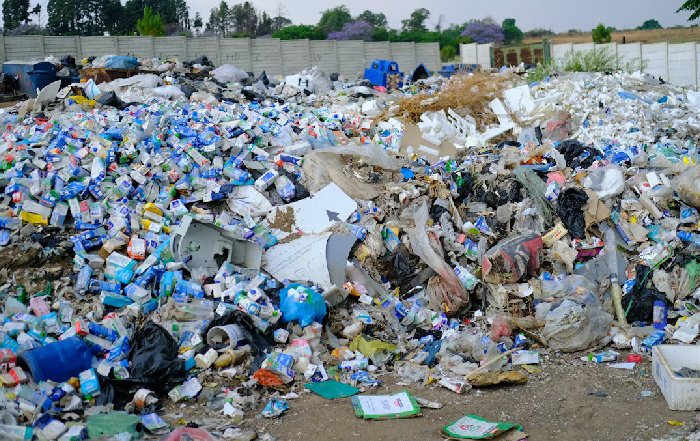
While climate change dominates headlines, day-to-day pollution and waste remain among the most direct and pervasive drivers of biodiversity loss. Plastic debris infiltrates rivers, oceans, and soils, entangling wildlife, entering food chains, and altering entire ecosystems. Microplastics have now been found from the deepest ocean trenches to polar ice, raising concerns about long-term impacts on both nature and human health. Chemical pollution-from pesticides and fertilizers to industrial effluents-further degrades ecosystems, reducing insect populations, contaminating water bodies, and undermining soil fertility.

The emerging global plastic treaty negotiations, convened under the auspices of the United Nations, signal a recognition that incremental measures are no longer sufficient. At the same time, cities and companies are experimenting with circular economy models, extended producer responsibility schemes, and new materials to reduce plastic at the source. You Save Our World places particular emphasis on connecting these global shifts with household and community choices, highlighting how responsible consumption, recycling, and design decisions can cumulatively drive systemic change. Readers can delve into practical approaches to reducing plastic impacts in the site's detailed guide to plastic recycling and explore broader circular strategies through international resources provided by the Ellen MacArthur Foundation at ellenmacarthurfoundation.org.

Innovation, Technology, and the New Tools of Conservation

The conservation landscape of 2026 looks markedly different from that of a decade ago, largely because of rapid advances in technology and data. High-resolution satellite imagery, AI-driven analytics, acoustic monitoring, environmental DNA (eDNA), and low-cost sensors are transforming how ecosystems are mapped, how illegal activities are detected, and how species are tracked. Platforms such as Global Forest Watch, developed with the support of organizations including the World Resources Institute (WRI), now allow near-real-time monitoring of deforestation, while AI systems help rangers and authorities anticipate poaching hotspots and allocate scarce enforcement resources more effectively.

These tools are not a substitute for political will or community engagement, but they significantly enhance the precision and speed of conservation responses. On You Save Our World, technology is presented not as a silver bullet but as an enabler that, when combined with local knowledge, strong governance, and sustainable finance, can accelerate progress. Readers can explore how digital innovation intersects with environmental stewardship in the site's dedicated section on innovation and in global initiatives such as the UN Biodiversity Lab, which provides open data on ecosystems and protected areas at unbiodiversitylab.org.

Cities, Design, and the Urban-Nature Interface

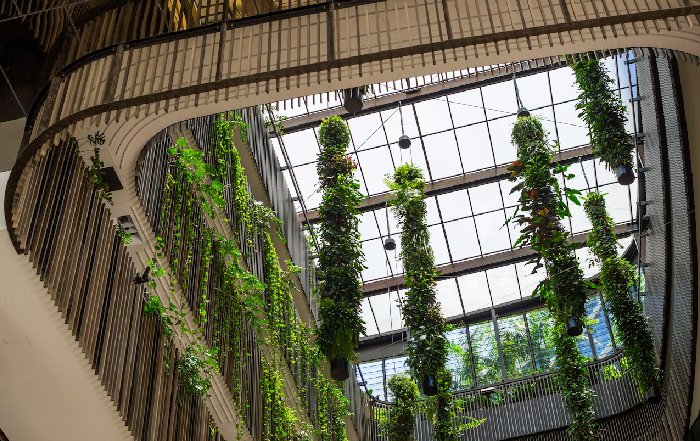
As more than half of humanity now lives in cities, urban areas have become both a pressure point and a laboratory for biodiversity solutions. Traditional urban expansion has typically replaced natural habitats with impermeable surfaces, fragmented landscapes, and heat islands, but a new generation of planners, architects, and policymakers is reimagining cities as part of the solution. Concepts such as biophilic design, nature-based solutions, and zero-carbon architecture are gaining traction, with green roofs, urban forests, restored waterways, and permeable surfaces helping to cool cities, manage stormwater, and create habitat corridors.

These design choices do more than support birds, insects, and urban wildlife; they also improve human health and well-being by reducing air pollution, encouraging active mobility, and providing restorative spaces that reduce stress. On You Save Our World, the intersection of biodiversity, design, and human experience is a recurring theme, reflecting the idea that sustainable cities must function as ecosystems rather than machines. Readers can explore how design principles can be aligned with ecological resilience in the platform's section on design and complement this with global guidance from C40 Cities and ICLEI, which share best practices on climate- and nature-positive urban development at c40.org and iclei.org.

Education, Culture, and the Mindset Shift Underway

Long-term biodiversity protection depends not only on laws and technologies but on culture, values, and education. Over the past few years, there has been a marked increase in environmental content in school curricula, university programmes, and professional training, reflecting the understanding that every sector-from finance and law to engineering and healthcare-needs a basic literacy in ecological risk and opportunity. At the same time, youth movements and indigenous leadership have brought moral clarity and urgency to biodiversity debates, emphasizing intergenerational equity and the rights of nature.

You Save Our World treats education as a strategic lever for change, not just a background activity. By presenting biodiversity through the lenses of economy, lifestyle, and personal well-being, the platform seeks to make ecological thinking part of everyday reasoning rather than a specialized niche. Readers interested in embedding these perspectives into their own learning journeys can explore the site's resources on education and connect them with international frameworks such as UNESCO's Education for Sustainable Development initiative at unesco.org.

Lifestyle, Well-Being, and the Personal Dimension of Biodiversity

The link between nature and personal well-being is now well documented. Time spent in green spaces reduces stress, improves cognitive function, and supports physical health; diets rich in diverse, sustainably produced foods contribute to both human nutrition and ecosystem resilience; and everyday routines, from how people travel to how they manage waste, shape ecological footprints. In this sense, biodiversity is not only a planetary-level concern but a deeply personal one, influencing mental health, social cohesion, and quality of life.

On You Save Our World, biodiversity is woven into guidance on lifestyle choices, from low-impact travel and responsible consumption to home design and community engagement. The emphasis is on realistic, high-impact shifts that align with modern professional lives while reducing pressure on ecosystems and supporting regenerative practices. Those interested in this personal dimension can explore the platform's section on lifestyle and consider how well-being, productivity, and environmental responsibility can reinforce rather than compete with one another. For a broader health perspective, the World Health Organization (WHO) provides extensive material on the health benefits of green and blue spaces at who.int.

Finance, Policy, and the Architecture of a Nature-Positive Economy

Transforming biodiversity from an externality into a core economic parameter requires changes in finance, regulation, and metrics. Over the past few years, central banks, regulators, and standard-setters have begun to examine how nature-related risks could affect financial stability, while investors are experimenting with green bonds, sustainability-linked loans, and emerging biodiversity credits. At the policy level, countries are starting to translate the goals of the Kunming-Montreal framework into national biodiversity strategies, aligning land-use planning, agricultural subsidies, and infrastructure development with nature-positive outcomes.

For businesses and investors, this evolving architecture presents both challenges and opportunities. Firms that proactively align with emerging standards, invest in nature-based solutions, and redesign products and supply chains around circular principles are likely to be more resilient and competitive in a resource-constrained, climate-stressed world. You Save Our World engages with this shift by connecting macro-level trends in the economy with practical tools for sustainable business and finance. Readers can complement this with insights from the International Finance Corporation (IFC) and World Bank, which provide guidance on integrating biodiversity into investment decisions at ifc.org and worldbank.org.

A Global, Connected Challenge-and a Shared Opportunity

Biodiversity loss is, by definition, a global issue. Migratory species cross borders, atmospheric and oceanic systems connect continents, and supply chains link consumer choices in one region to land-use changes in another. As a result, no country or company can address biodiversity in isolation. International collaboration-through treaties, shared data platforms, technology transfer, and joint enforcement efforts-is essential, but so too is alignment across local, national, and global scales. Indigenous and local communities, often stewards of some of the most biodiverse regions on Earth, must be central partners rather than peripheral stakeholders.

You Save Our World reflects this global reality in its global perspective, while remaining grounded in the practical realities of households, neighborhoods, and businesses. By connecting high-level frameworks with on-the-ground stories and tools, the platform aims to help readers see themselves as active participants in a worldwide effort to stabilize and restore the living systems on which all prosperity depends. For those seeking authoritative global overviews, the IUCN Red List at iucnredlist.org and WWF's Living Planet Report at worldwildlife.org provide powerful snapshots of both the scale of the challenge and the pathways to recovery.

Towards a Nature-Positive Future with You Save Our World

In 2026, the future of biodiversity is not predetermined. The trends are sobering, but the tools, knowledge, and frameworks to reverse them are more advanced than at any previous point in human history. The decisive variable is how quickly societies can realign incentives, redesign systems, and reimagine success in ways that respect ecological limits and value the richness of life on Earth. This realignment spans every domain the audience of You Save Our World cares about: from sustainable living and plastic recycling to innovation, technology, business strategy, education, and personal well-being.

As a platform, You Save Our World positions itself as a bridge between global expertise and individual agency, inviting readers to see biodiversity not as a distant conservation issue, but as a living thread that runs through their homes, careers, investments, and communities. By engaging with the site's resources on business, sustainable lifestyles, and technological innovation, readers can begin to translate complex global challenges into concrete steps that support both planetary resilience and personal prosperity. In doing so, they contribute to a broader shift towards a nature-positive, climate-resilient economy-one in which protecting the diversity of life on Earth is recognized as the most rational, future-proof investment any society can make.

Soaring Global Temperatures - A Climate Wake-Up Call

Last updated by Editorial team at yousaveourworld.com on Friday 23 January 2026
Soaring Global Temperatures - A Climate Wake-Up Call

Global Heat, Global Stakes: How Business and Society Must Respond to a Hotter Planet

A Planet Crossing Critical Thresholds

The evidence of a rapidly warming planet is no longer confined to scientific reports or distant projections; it is visible in disrupted supply chains, volatile commodity prices, stressed health systems, and increasingly fragile ecosystems. The record-breaking global temperatures of 2024 marked a turning point rather than a peak, confirming that the climate system is entering a new, risk-laden phase that demands a fundamentally different approach to economic development, corporate strategy, and public policy. For You Save Our World, which has long emphasized the interdependence of environment, economy, and personal well-being, this moment underscores why sustainability is no longer a niche concern but a core competency for any organization or individual seeking resilience in the years ahead.

Scientific datasets compiled by institutions such as NASA and NOAA show that the last decade has produced the hottest years in the instrumental record, with 2023 and 2024 standing out for both average global temperatures and the persistence of extreme heat events. Sea surface temperatures have remained at historically high levels, amplifying storms, altering precipitation patterns, and accelerating the degradation of marine ecosystems. The World Meteorological Organization (WMO) has repeatedly noted that these extremes are consistent with a world that has already warmed by more than 1.1-1.3°C above pre-industrial levels and is edging closer to breaching the 1.5°C guardrail that underpins international climate agreements. This is not a temporary fluctuation driven only by natural cycles such as El Niño; it is the outcome of decades of accumulating greenhouse gas emissions from energy, industry, transport, and land use.

For decision-makers in boardrooms and governments, and for citizens making daily lifestyle choices, the implications are profound. Rising temperatures are reshaping risk, costs, and expectations across all sectors. They are also amplifying inequalities, as the most vulnerable communities often face the greatest exposure and the least capacity to adapt. Against this backdrop, You Save Our World positions itself as a practical guide and critical ally, helping businesses and individuals translate climate science into actionable strategies for sustainable living, resilient business models, and long-term value creation.

Understanding the Drivers: Human Influence and Systemic Feedbacks

The scientific consensus, anchored by decades of research from the Intergovernmental Panel on Climate Change (IPCC), is unequivocal that human activities are the dominant driver of the warming observed since the mid-twentieth century. Carbon dioxide concentrations have surpassed 420 parts per million, a level not seen in millions of years, while methane and nitrous oxide have also reached record highs. These gases trap heat in the atmosphere, shifting the entire distribution of temperatures upward and increasing the frequency and intensity of extremes. Natural variability still plays a role in year-to-year fluctuations, but it now operates on top of a persistent anthropogenic trend that pushes the climate system into unfamiliar territory.

This human-driven warming is setting off a series of feedbacks that further complicate the outlook. Melting Arctic sea ice reduces the planet's albedo, or reflectivity, causing more solar radiation to be absorbed by darker ocean surfaces and accelerating regional warming. Thawing permafrost threatens to release additional greenhouse gases, while warmer oceans store vast amounts of heat that will influence weather patterns for decades to come. These dynamics mean that even if emissions were to fall sharply, some degree of continued warming is already locked in, making adaptation as essential as mitigation. For businesses seeking to understand this evolving risk landscape, resources from UNEP and the World Bank provide valuable macro-level analysis, while You Save Our World offers accessible overviews of climate change tailored to operational and strategic decision-making.

Economic Systems Under Climate Stress

Redefining Business Resilience and Competitive Advantage

The economic consequences of this warming trajectory are increasingly visible in disrupted operations, asset write-downs, and shifting consumer behavior. Heatwaves reduce labor productivity, damage infrastructure, and strain power grids; droughts and floods destabilize agricultural output; and extreme events drive up insurance costs and, in some regions, threaten the insurability of entire asset classes. For many organizations, climate risk has moved from the sustainability report to the core risk register.

Forward-looking companies now recognize that climate resilience and sustainability are integral to long-term competitiveness. Major firms such as Microsoft, Google, Unilever, and Siemens have committed to aggressive decarbonization targets, invested in renewable energy, and integrated climate-related metrics into executive compensation. These moves are not purely reputational; they reflect a growing understanding that investors, regulators, and customers are aligning around environmental, social, and governance (ESG) expectations. Financial institutions, guided by frameworks promoted by bodies such as the Task Force on Climate-related Financial Disclosures (TCFD) and the International Sustainability Standards Board (ISSB), increasingly demand transparent climate risk reporting and credible transition plans.

For small and medium-sized enterprises, the pathway can appear more complex, yet the underlying logic is the same. Energy efficiency, waste reduction, and circular design can reduce costs, open new markets, and strengthen supply chain relationships. On You Save Our World, the section on sustainable business translates these high-level trends into practical guidance, helping leaders build strategies that align profitability with environmental responsibility and societal expectations.

Supply Chains, Infrastructure, and the Cost of Inaction

Global supply chains, finely tuned for efficiency, are proving vulnerable to climate-induced disruptions. Flooded ports, overheated rail lines, and storm-damaged factories create cascading delays and cost overruns. Critical raw materials, from agricultural commodities to rare earth elements, are increasingly exposed to climate variability and water stress. Insurers and reinsurers, including major players like Munich Re and Swiss Re, have warned that rising losses from climate-related disasters could undermine the affordability and availability of coverage in high-risk regions, with direct implications for asset values and investment decisions.

Infrastructure, much of it designed for historical climate conditions, is being tested by heat, storms, and sea-level rise. Transport networks buckle under extreme temperatures; aging grids struggle to meet peak demand during prolonged heatwaves; and coastal defenses built for twentieth-century sea levels are being overtopped by storm surges intensified by warmer oceans. The OECD and International Energy Agency (IEA) have highlighted the enormous investment needed to retrofit and redesign infrastructure for a warmer, more volatile world. Failing to act will not only increase repair and replacement costs but also erode economic productivity and social cohesion.

This context makes the work of You Save Our World on business, innovation, and technology particularly relevant. By curating examples of climate-resilient design, low-carbon technologies, and adaptive management, the platform helps organizations and communities identify solutions that reduce vulnerability, enhance operational continuity, and create new value streams in a low-carbon, climate-resilient economy.

Food, Water, and the Foundations of Stability

Agriculture in a Hotter, Less Predictable Climate

Agriculture sits at the nexus of climate, economy, and social stability. Rising temperatures and shifting rainfall patterns are already altering growing seasons, reducing yields, and increasing the risk of simultaneous crop failures across multiple breadbasket regions. Heat stress affects staple crops such as wheat, maize, and rice, while more intense droughts and floods compound the challenge. The Food and Agriculture Organization (FAO) and other agencies have documented the growing divergence between historical climate norms and the conditions farmers now face, particularly in vulnerable regions across Africa, South Asia, and Latin America.

In response, agronomists and farmers are accelerating the adoption of climate-smart agriculture, including drought-resistant crop varieties, precision irrigation, agroforestry, and regenerative practices that restore soil health and increase carbon sequestration. These strategies can reduce vulnerability to extremes while enhancing long-term productivity, yet they require investment, knowledge transfer, and supportive policy frameworks. For readers seeking to connect these global trends with household and community choices, You Save Our World explores how sustainable food systems intersect with lifestyle, education, and personal well-being, emphasizing that dietary choices, food waste reduction, and local sourcing all contribute to resilience.

Water Scarcity and the Energy-Water-Food Nexus

Water stress, exacerbated by higher temperatures and altered precipitation, is emerging as one of the most critical constraints on sustainable development. Regions dependent on glacial melt or snowpack, from the Himalayas to the Andes, face seasonal water shortages as ice reserves diminish. Groundwater depletion in heavily irrigated agricultural zones, combined with more frequent and intense droughts, threatens both food production and industrial activity. Reports from UN-Water and the World Resources Institute (WRI) highlight that billions of people already live in areas of high water stress, a figure expected to rise as climate change intensifies existing pressures.

The interdependence of water, energy, and food systems complicates the challenge. Thermal power plants rely on water for cooling; hydropower depends on predictable river flows; agriculture remains the largest global water user. As scarcity grows, competition among sectors can fuel social tension and geopolitical risk. Addressing this nexus requires integrated planning, investment in efficiency and reuse, and governance mechanisms that balance ecological limits with human needs. Within this complex picture, You Save Our World's focus on waste and resource efficiency underscores that effective water stewardship is inseparable from broader efforts to minimize waste, close material loops, and design systems that operate within planetary boundaries.

Ecosystems, Biodiversity, and the Cost of Ecological Decline

Biodiversity as a Strategic Asset

The unprecedented pace of warming is driving habitat shifts, species migration, and, in many cases, extinction. Coral reefs, already stressed by pollution and overfishing, are experiencing mass bleaching events as ocean temperatures rise; forests are increasingly susceptible to fires, pests, and diseases; and many species are unable to adapt or relocate quickly enough to survive. The Intergovernmental Science-Policy Platform on Biodiversity and Ecosystem Services (IPBES) has warned that one million species face extinction, with climate change acting as a major accelerator.

For business and society, biodiversity loss is not an abstract environmental issue; it is a direct threat to supply chains, risk management, and long-term economic stability. Ecosystems provide services-such as pollination, flood protection, water filtration, and carbon storage-that underpin agriculture, infrastructure, and health. Degrading these systems erodes natural capital and increases the cost of engineered substitutes. Recognizing this, leading companies and financial institutions are beginning to incorporate nature-related risk into decision-making, guided by emerging frameworks like the Taskforce on Nature-related Financial Disclosures (TNFD).

You Save Our World approaches biodiversity as both a moral imperative and a strategic consideration, linking global ecosystem health to themes explored in its global and economy sections. By highlighting how conservation, restoration, and nature-based solutions can deliver financial returns, risk reduction, and social benefits, the platform encourages its audience to see biodiversity protection as integral to resilient growth.

Polar and Coastal Frontlines

The polar regions and low-lying coasts have become early warning systems for the rest of the world. The accelerated melting of Greenland and Antarctic ice sheets contributes to rising sea levels, while the loss of Arctic sea ice disrupts atmospheric circulation patterns that influence weather far beyond the poles. Coastal cities and island states face a combination of chronic sea-level rise, land subsidence, and more intense storm surges, threatening infrastructure, freshwater supplies, and in some cases, the very habitability of entire territories. Organizations such as the Intergovernmental Oceanographic Commission of UNESCO and research centers like Woods Hole Oceanographic Institution have documented these changes in detail, warning of escalating risks if emissions continue unchecked.

For businesses with coastal assets, ports, or tourism operations, these trends translate into mounting adaptation costs and potential stranded assets. For communities, they mean displacement, cultural loss, and complex questions of legal and political responsibility. You Save Our World addresses these realities through its emphasis on environmental awareness, encouraging its audience to understand that the stability of coastal and polar systems is directly linked to global trade, food security, and financial stability.

Plastic, Waste, and the Circular Economy Imperative

Plastic Pollution in a Warming World

While climate change and plastic pollution are distinct crises, they are deeply interconnected. The production of plastics is energy-intensive and heavily reliant on fossil fuels, contributing significantly to greenhouse gas emissions. At the same time, mismanaged plastic waste exacerbates environmental stress, harming marine life, clogging waterways, and degrading into microplastics that infiltrate food chains and human bodies. The United Nations Environment Programme (UNEP) has highlighted that plastic production is on track to double or triple in the coming decades without decisive intervention, undermining both climate and biodiversity objectives.

For businesses, this trajectory poses regulatory, reputational, and operational risks. Governments are tightening rules on single-use plastics, extended producer responsibility, and recycling targets. Consumers are increasingly demanding alternatives, and investors are scrutinizing plastic footprints as part of broader ESG assessments. On You Save Our World, the dedicated page on plastic recycling provides a practical bridge between global policy shifts and everyday choices, explaining how upstream design, material innovation, and downstream recycling infrastructure can work together to reduce plastic's climate and ecological impacts.

From Linear to Circular: Rethinking Waste

The traditional linear model of "take, make, dispose" is fundamentally incompatible with planetary boundaries. It drives resource depletion, pollution, and emissions at every stage of the value chain. In contrast, circular economy approaches aim to keep materials in use for as long as possible, design out waste, and regenerate natural systems. This shift is not merely a technical challenge; it is a strategic reorientation that touches product design, business models, customer relationships, and policy frameworks.

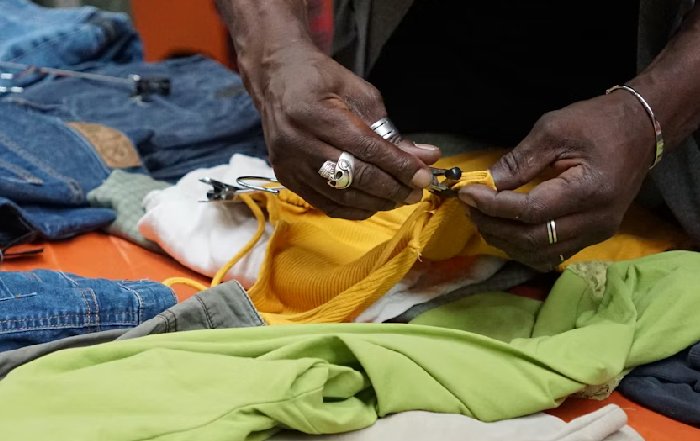
Leading organizations, from Ellen MacArthur Foundation to World Economic Forum, have documented the economic potential of circularity, including cost savings, innovation opportunities, and job creation. For companies, implementing circular strategies can mean designing products for repair and reuse, adopting service-based models, and collaborating across sectors to create closed-loop systems. For households and communities, it involves rethinking consumption, embracing repair and sharing cultures, and supporting policies that prioritize resource efficiency.

You Save Our World integrates these concepts across its coverage of waste, design, and technology, emphasizing that circularity is not a distant ideal but a practical pathway to reduce emissions, cut costs, and build resilience in a resource-constrained world.

Innovation, Technology, and the Race to Decarbonize

Clean Energy and Low-Carbon Transitions

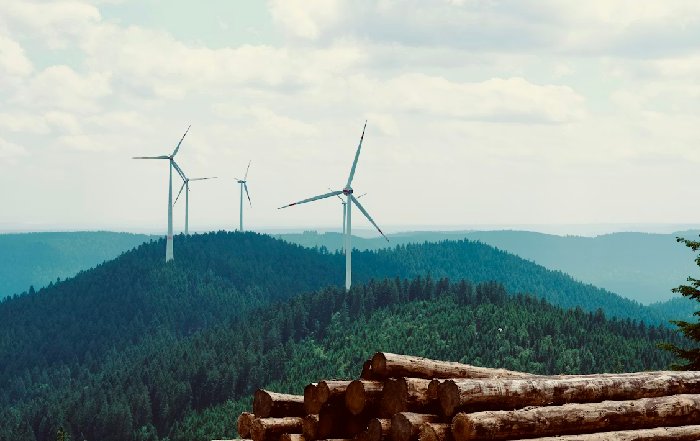
Technological innovation remains one of the most powerful levers for bending the emissions curve while supporting economic development. The cost of solar and wind power has fallen dramatically over the past decade, making them the cheapest sources of new electricity in many markets, as documented by the International Renewable Energy Agency (IRENA) and IEA. Advances in battery storage, grid management, and demand-side flexibility are enabling higher penetration of variable renewables, while electrification is spreading rapidly in transport, buildings, and industry.

At the same time, emerging technologies such as green hydrogen, advanced bioenergy, and carbon capture, utilization, and storage (CCUS) are being developed and deployed to tackle harder-to-abate sectors like steel, cement, aviation, and shipping. These innovations are not silver bullets, and they must be scaled responsibly, but they expand the portfolio of solutions available to policymakers and businesses. The challenge now lies in accelerating deployment, aligning regulation and finance, and ensuring that the benefits of the energy transition are shared equitably across regions and communities.

On You Save Our World, the themes of innovation and technology are framed not as ends in themselves but as tools for building robust, low-carbon systems that support health, prosperity, and ecological integrity. The platform helps readers connect high-level technological trends with on-the-ground decisions, from choosing efficient appliances and electric vehicles to advocating for clean energy policies in their local jurisdictions.

Digital Tools for Climate and Sustainability

Beyond hardware, digital technologies are transforming how societies understand and manage climate risk. Satellite monitoring, artificial intelligence, and big data analytics enable more precise weather forecasting, disaster early warning, and resource management. Platforms developed by organizations such as European Space Agency (ESA) and Copernicus provide near-real-time information on land use, deforestation, air quality, and ocean conditions, empowering governments, businesses, and civil society to make evidence-based decisions.

In the corporate sphere, digital tools support emissions tracking, scenario analysis, and supply chain transparency, making it easier to identify hotspots, set science-based targets, and monitor progress. For individuals, digital platforms enable education, behavior change, and community organizing at unprecedented scale. You Save Our World leverages this digital ecosystem to offer accessible, curated knowledge that supports informed choices on sustainable living, climate-conscious investment, and responsible consumption.

Human Well-Being, Equity, and the Ethics of a Warming World

Health, Livelihoods, and Social Stability

The human consequences of rising temperatures extend well beyond physical discomfort. Heatwaves increase mortality and morbidity, particularly among the elderly, children, and those with pre-existing health conditions. Outdoor workers, from construction laborers to agricultural employees, face heightened risks of heat stress and lost income. Vector-borne diseases such as malaria and dengue are expanding into new regions as warmer temperatures and altered precipitation patterns expand suitable habitats for mosquitoes and other vectors. The World Health Organization (WHO) has repeatedly warned that climate change is one of the greatest health threats of the twenty-first century.

At the same time, climate impacts on agriculture, fisheries, and ecosystems can undermine livelihoods and fuel displacement, with knock-on effects for social cohesion and geopolitical stability. Climate-related migration, while often driven by multiple factors, is expected to increase as certain regions become less habitable due to heat, water scarcity, or sea-level rise. Addressing these dynamics requires integrated approaches that combine adaptation, social protection, and development policy.

For You Save Our World, which emphasizes the connection between environmental conditions and personal well-being, this human dimension is central. The platform highlights that mental health, community resilience, and a sense of agency are as important as infrastructure or technology in navigating a hotter world. It encourages readers to see climate action not only as an environmental necessity but as a pathway to healthier, more equitable societies.

Justice, Responsibility, and Shared Opportunity

Climate change raises profound ethical questions about responsibility, equity, and intergenerational fairness. Those who have contributed least to greenhouse gas emissions-often low-income communities and developing nations-are frequently the most exposed to climate impacts and the least equipped to adapt. This disparity underscores why concepts such as climate justice, loss and damage, and just transition have moved to the center of global climate negotiations under the auspices of the United Nations Framework Convention on Climate Change (UNFCCC).

For businesses and policymakers, integrating justice into climate strategies means more than philanthropy; it involves ensuring that decarbonization does not leave workers or regions behind, that adaptation funding reaches those who need it most, and that decision-making processes include voices from affected communities. For individuals, it involves recognizing how lifestyle choices, political engagement, and investment decisions shape not only personal futures but also the prospects of people in other regions and of future generations.

You Save Our World reflects this ethical dimension across its content, linking environmental awareness, education, and economy to questions of fairness, responsibility, and shared benefit. By framing sustainability as a holistic endeavor-encompassing climate, biodiversity, health, and justice-the platform invites its audience to see themselves as participants in a global transformation rather than passive observers of environmental decline.

A Strategic Agenda for 2026 and Beyond

As the world moves deeper into the 2020s, the record-breaking temperatures of 2024 stand as a stark indicator of the narrowing window for effective action. The science is clear, the economic signals are increasingly aligned, and societal expectations are shifting. The remaining question is how quickly and decisively governments, businesses, and individuals will act to align their choices with a climate-safe, ecologically resilient trajectory.

For corporate leaders, this means embedding climate and nature considerations into governance, strategy, risk management, and product development. It means leveraging innovation, finance, and partnerships to decarbonize operations, build resilient supply chains, and support just transitions for workers and communities. For policymakers, it requires aligning regulations, incentives, and public investment with net-zero and nature-positive goals, while ensuring that vulnerable populations are protected and empowered. For citizens, it involves embracing sustainable living, supporting responsible businesses, advocating for effective policy, and nurturing community-level resilience.

You Save Our World exists to make this agenda tangible. By connecting global trends to practical guidance on sustainable business, responsible waste management, climate-conscious lifestyle choices, and the strategic use of technology, the platform helps its audience move from awareness to action. In a world reshaped by unprecedented heat, such informed, coordinated action is not optional; it is the foundation of long-term resilience, competitiveness, and shared prosperity.

The stakes are high, but so is the capacity for innovation, collaboration, and leadership. If businesses, governments, and citizens harness that capacity with clarity and urgency, the record temperatures of the mid-2020s may ultimately be remembered not only as a warning, but as the catalyst for a decisive pivot toward a more sustainable, just, and resilient global economy.

The Enduring Promise of Sustainable Agriculture

Last updated by Editorial team at yousaveourworld.com on Friday 23 January 2026
The Enduring Promise of Sustainable Agriculture

Sustainable Agriculture in 2026: A Strategic Blueprint for Food, Climate, and Prosperity

Why Sustainable Agriculture Now Defines Global Stability

By 2026, sustainable agriculture has moved from the margins of environmental discourse to the center of economic, social, and geopolitical strategy. As climate volatility intensifies, populations grow, and supply chains remain fragile, food systems have become a decisive factor in national security, public health, and global trade. Governments, corporations, investors, and communities increasingly recognize that conventional, input-heavy agriculture is too risky-ecologically, financially, and socially-to sustain the demands of the coming decades.

Within this global context, You Save Our World has positioned sustainable agriculture as a core pillar of its mission, connecting it with themes of sustainable living, climate resilience, circular economies, and personal well-being. The platform's audience, drawn from business, policy, academia, and civil society, is no longer asking whether agriculture must transform, but how rapidly and strategically that transformation can be achieved while maintaining profitability and social stability.

International frameworks such as the United Nations Sustainable Development Goals and the climate guidance of the Intergovernmental Panel on Climate Change (IPCC) at ipcc.ch now explicitly frame agriculture as both a major driver of environmental degradation and one of the most powerful levers for mitigation and adaptation. For decision-makers who follow You Save Our World, sustainable agriculture in 2026 is not a niche environmental preference; it is a boardroom, cabinet, and community-level priority that underpins long-term competitiveness and societal resilience.

From Input-Intensive Production to Regenerative Value Creation

The shift away from conventional models dominated by monocultures, synthetic fertilizers, and intensive chemical use is accelerating. Evidence from research institutes, multilateral agencies, and forward-thinking agribusinesses demonstrates that the externalities of traditional systems-soil degradation, water contamination, biodiversity loss, and high greenhouse gas emissions-translate directly into operational and financial risk.

Sustainable agriculture in 2026 is increasingly defined by regenerative principles that restore natural capital rather than deplete it. Practices such as diversified crop rotations, cover cropping, integrated livestock systems, and reduced tillage are now widely recognized as commercially viable, particularly when supported by digital tools and data analytics. Organizations like the Food and Agriculture Organization of the United Nations (FAO), accessible via fao.org, continue to publish compelling evidence that yields can be stabilized or improved while reducing input dependency and environmental impact.

In parallel, national agencies such as the United States Department of Agriculture (USDA), through resources at usda.gov, are expanding support for conservation programs, soil health initiatives, and climate-smart agriculture. For the readership of You Save Our World, these developments align with a broader transition already visible in sustainable business, where value is increasingly measured not only in quarterly earnings but in long-term resource security, risk reduction, and stakeholder trust.

Soil Health as Strategic Infrastructure

In 2026, leading agronomists, investors, and policymakers increasingly treat soil as a form of national infrastructure-an asset that underpins food security, water regulation, carbon storage, and rural livelihoods. Degraded soils reduce yields, increase vulnerability to drought and floods, and require greater inputs to maintain productivity, eroding margins and amplifying volatility.

Regenerative soil practices have moved from experimental projects to mainstream risk management tools. Crop rotations that integrate legumes, deep-rooted species, and cover crops are enhancing soil organic matter, improving structure, and supporting beneficial microbial communities. Reduced or no-till systems, when combined with careful residue management, are lowering erosion rates and enhancing water infiltration, enabling farms to better withstand extreme rainfall and prolonged dry spells.

Scientific institutions and journals, including platforms such as Nature at nature.com, continue to publish robust evidence linking soil carbon, biodiversity, and yield stability. Their findings complement the climate assessments of the IPCC, which emphasize that soils represent one of the most scalable terrestrial carbon sinks. For the You Save Our World community, soil health is no longer a purely agronomic concern; it sits at the intersection of climate change, financial resilience, and national competitiveness.

Water Stewardship in an Era of Scarcity

Water stress is now a structural feature of many agricultural regions, not a temporary anomaly. In 2026, the business case for efficient, climate-resilient water management is as compelling as the environmental one. Traditional flood irrigation and poorly managed surface systems are increasingly viewed as incompatible with long-term viability, particularly in water-stressed basins where agriculture competes with urban, industrial, and ecological demands.

Sustainable agriculture is therefore pivoting to precision irrigation, rainwater harvesting, and landscape-level hydrological planning. Drip and micro-irrigation systems, coupled with soil moisture sensors and satellite-based monitoring, allow farmers to target water application with unprecedented accuracy. These technologies reduce pumping costs, mitigate salinization, and help maintain yields under erratic rainfall patterns.

Organizations such as the United Nations Environment Programme (UNEP), accessible at unep.org, are increasingly focusing on integrated water resource management that includes agricultural users as central partners rather than downstream recipients of policy. On You Save Our World, water stewardship is framed not only as a farm-level practice but as part of a broader rethink of waste and resource efficiency, linking irrigation efficiency with urban water reuse, circular economy strategies, and household conservation.

Cutting Emissions While Enhancing Productivity

Agriculture and land use changes remain significant contributors to global greenhouse gas emissions, particularly through nitrous oxide from fertilizers, methane from livestock, and carbon losses from deforestation and soil degradation. Yet in 2026, the sector is also emerging as one of the most practical arenas for near- to mid-term emissions reductions, thanks to a combination of technological innovation, financial incentives, and evolving consumer expectations.

Carbon-smart practices-such as agroforestry, managed grazing, improved manure handling, and optimized fertilizer application-are being integrated into national climate strategies and corporate net-zero plans. Digital platforms now allow farmers and agribusinesses to track emissions at the field or supply-chain level, enabling participation in carbon markets and green finance instruments. The Environmental Protection Agency (EPA) at epa.gov and the International Energy Agency (IEA) at iea.org continue to highlight the mitigation potential of agricultural innovation, with particular emphasis on energy-efficient machinery, renewable energy integration on farms, and reduced food loss and waste.

For the audience of You Save Our World, this intersection of emissions reduction, efficiency, and profitability connects directly to themes explored across the site, including technology adoption, low-carbon supply chains, and the evolution of climate-aligned investment strategies. Sustainable agriculture is thus understood as a central component of credible decarbonization roadmaps for businesses and governments alike.

Biodiversity as a Risk Management Asset

In 2026, biodiversity is no longer framed merely as a conservation ideal; it is recognized as a functional asset that underpins risk management in agricultural landscapes. Diverse cropping systems, hedgerows, wetlands, and mixed farming enterprises support pollinators, natural pest predators, and resilient ecological networks that buffer farms against shocks.

Research collaborations involving agencies like NASA, through resources at nasa.gov, are providing high-resolution data on land cover, crop diversity, and ecosystem health, enabling more informed decision-making at both farm and policy levels. These insights are increasingly used by insurers, lenders, and supply-chain managers to assess and price risk, with biodiversity-enhancing practices often correlating with greater resilience and lower long-term volatility.

On You Save Our World, biodiversity is consistently linked to environmental awareness, urban design, and lifestyle choices, reinforcing the idea that ecological diversity on farms is connected to consumer behavior, regulatory frameworks, and cultural attitudes toward land use. Sustainable agriculture becomes, in this view, a living demonstration of how ecological integrity and economic performance can be aligned.

Economic Pressures and the Case for Efficiency

High interest rates, volatile energy prices, and elevated input costs continue to shape the agricultural economy in 2026. Many producers operate on tight margins, exposed to both climatic and financial shocks. In this context, sustainable agriculture is increasingly perceived not as an optional ethical upgrade but as a rational strategy to reduce cost exposure and enhance financial resilience.

By reducing reliance on synthetic fertilizers and pesticides through biological alternatives, precision application, and improved rotations, farmers can buffer themselves against commodity price swings. On-farm energy generation from solar, biogas, and small-scale wind systems reduces exposure to grid price volatility and improves operational continuity during disruptions. These strategies align closely with the broader economic perspectives shared on You Save Our World, particularly in resources related to economy, risk management, and sustainable investment.

International financial institutions such as the World Bank, accessible at worldbank.org, and the International Monetary Fund (IMF) at imf.org, increasingly integrate climate and sustainability criteria into their lending and advisory frameworks, encouraging countries to align agricultural policies with long-term resilience rather than short-term extraction. For business leaders following the platform, this signals a structural shift: capital is gradually favoring systems that internalize environmental and social risk, with sustainable agriculture a prime beneficiary.

Technology and the Fourth Agricultural Revolution

The fourth agricultural revolution has moved decisively from theory to implementation. In 2026, artificial intelligence, robotics, remote sensing, and the Internet of Things are being widely deployed across value chains, from field operations to logistics and retail. Yet the most forward-looking strategies do not treat technology as an end in itself; they integrate it with ecological principles and human expertise to create adaptive, resilient systems.

Precision agriculture platforms combine satellite imagery, drone data, and in-field sensors to provide real-time insights on soil moisture, nutrient status, and pest pressures. This enables targeted interventions that reduce inputs and environmental impact while maintaining or increasing yields. Robotics and automation address chronic labor shortages in tasks such as weeding, harvesting, and sorting, freeing human workers for higher-value roles in planning, analysis, and relationship management.

The role of data and connectivity in this transformation is increasingly discussed in policy and business circles, with attention to equity, access, and data governance. On You Save Our World, these technological shifts are examined alongside broader conversations about innovation, digital inclusion, and the future of work, underscoring that technology must be shaped by social and environmental objectives rather than purely by short-term efficiency gains.

Organic and Regenerative Markets Maturing

The global market for organic and regenerative products has continued to expand into 2026, but it is also maturing. Certification standards are tightening, traceability technologies are improving, and consumers are becoming more sophisticated in their expectations. Organic labels are increasingly evaluated alongside broader indicators of sustainability, such as carbon footprint, water use, labor conditions, and packaging.

Health-focused organizations such as the World Health Organization (WHO), accessible at who.int, continue to highlight the benefits of reducing chemical exposure and improving dietary diversity. At the same time, investors and retailers are moving beyond simple organic premiums to longer-term partnerships with producers who can demonstrate consistent environmental and social performance.

For the audience of You Save Our World, this evolution connects directly to trends in sustainable consumerism, ethical branding, and lifestyle choices. Sustainable agriculture is not only about how food is grown; it is about how products are designed, marketed, and integrated into broader narratives of health, identity, and responsibility.

Emerging Economies and Inclusive Growth

Emerging economies in Asia, Africa, and Latin America are increasingly shaping the global agricultural agenda. Their demographic weight, rapid urbanization, and vulnerability to climate impacts mean that their choices in 2026 will heavily influence global food, climate, and trade trajectories. Many of these regions are pioneering context-specific models of sustainable agriculture that blend traditional knowledge with modern science and technology.

Mobile-based advisory services, cooperative input purchasing, and community-led processing and marketing are enabling smallholders to participate more effectively in value chains while adopting climate-resilient practices. Governments are investing in rural infrastructure, extension services, and digital connectivity, often with support from organizations such as the World Economic Forum, accessible at weforum.org, which emphasizes inclusive, climate-smart growth.

On You Save Our World, these developments are framed within a broader global perspective, highlighting that sustainable agriculture is not a one-size-fits-all model exported from industrialized countries, but a diverse set of strategies co-created with local communities, cultures, and ecosystems.

Policy, Governance, and Market Signals

The policy environment in 2026 is rapidly evolving, with governments using a mix of regulations, incentives, and public procurement to steer agriculture toward sustainability. Subsidy reforms are slowly beginning to favor soil health, biodiversity, and emissions reductions over volume-based production. Public institutions are increasingly integrating environmental conditions into support programs, from crop insurance to infrastructure funding.

International bodies such as the World Trade Organization (WTO), via wto.org, are engaged in complex debates about how trade rules can accommodate climate and biodiversity goals without exacerbating inequality. At the same time, voluntary standards, corporate sourcing policies, and investor expectations are creating powerful market signals that reward sustainable practices.

For readers of You Save Our World, this policy landscape intersects with broader questions of business strategy, risk disclosure, and corporate governance. Boards and executives are increasingly expected to understand the agricultural footprint of their supply chains and to demonstrate concrete steps toward alignment with global climate and nature targets.

Education, Skills, and the Future Workforce

The transformation of agriculture depends on human capital as much as on technology or policy. In 2026, universities, vocational institutes, and non-formal learning platforms are reshaping curricula to integrate agronomy, ecology, data science, and entrepreneurship. Students are exposed not only to production techniques but also to systems thinking, climate science, and circular economy concepts.

This educational shift mirrors the emphasis that You Save Our World places on education and continuous learning as foundations for sustainable transitions. Farmers, agronomists, policymakers, and business leaders alike are engaging in upskilling and reskilling, often through blended models that combine digital resources with field-based demonstrations and mentorship.

In parallel, there is growing recognition of the importance of mental health and personal well-being in agricultural communities facing uncertainty and change. Sustainable agriculture, when implemented thoughtfully, can reduce stress by stabilizing yields, diversifying income, and fostering stronger community networks-benefits that resonate strongly with the holistic perspective championed by You Save Our World.

Integrating Agriculture into a Broader Sustainability Vision

Sustainable agriculture in 2026 cannot be understood in isolation. It is deeply intertwined with urban planning, energy systems, waste management, and design. The same principles that guide low-carbon buildings, circular product design, and responsible consumption also apply to fields, orchards, and pastures.

On You Save Our World, agriculture is consistently linked with themes such as plastic recycling, sustainable infrastructure, and green design, reinforcing the idea that food systems are embedded within a larger web of economic and ecological relationships. Decisions made in boardrooms, classrooms, homes, and municipalities all influence the incentives and constraints that farmers face.

By treating agriculture as a central node rather than a separate sector, the platform encourages its audience to think in terms of integrated strategies: aligning procurement with regenerative practices, connecting urban food policies with rural development, and viewing waste streams as potential inputs into new cycles of value creation.

A Strategic Agenda for the Years Ahead

As 2026 unfolds, sustainable agriculture stands at a pivotal moment. The technical solutions are increasingly available, the economic rationale is strengthening, and the societal demand for responsible production is clear. What remains is the sustained, coordinated effort to scale these solutions, align incentives, and ensure that transitions are just and inclusive.

For the community around You Save Our World, this represents both a responsibility and an opportunity. By engaging with resources across the site-from sustainable living and climate change to technology and global trends-readers can situate agricultural transformation within a comprehensive sustainability strategy that spans business models, policy frameworks, and everyday choices.

Ultimately, sustainable agriculture in 2026 is best understood as a long-term investment in stability: stability of yields, of rural economies, of ecosystems, and of the climate itself. It is a field where Experience, Expertise, Authoritativeness, and Trustworthiness are not abstract concepts but practical requirements for success. As You Save Our World continues to curate and connect knowledge across disciplines, it invites its audience to see agriculture not only as a sector to be reformed, but as a powerful platform for shaping a resilient, equitable, and thriving future.

Expanding Global Challenge of Plastic Pollution

Last updated by Editorial team at yousaveourworld.com on Friday 23 January 2026
Expanding Global Challenge of Plastic Pollution

Plastic Pollution: Turning a Global Crisis into a Circular Opportunity

Plastic in the Mid-2020s: From Convenience to Critical Risk

Plastic pollution has moved from being a distant environmental concern to a central test of global governance, corporate responsibility, and societal values. What began in the 1950s as a revolutionary material that enabled unprecedented convenience, affordability, and industrial efficiency has, over seven decades, become a defining symbol of unsustainable growth. The very properties that made plastics so attractive-durability, light weight, resistance to degradation-are now driving a long-term ecological and economic burden that modern societies can no longer ignore.

For You Save Our World, which is dedicated to practical and actionable sustainability, plastic pollution is not an abstract topic but a daily reality that shapes how people think about sustainable living, business strategy, climate risk, and personal well-being. The mid-2020s have brought clearer data, more urgent warnings from scientific institutions, and a growing consensus that incremental change is insufficient. At the same time, they have revealed a powerful counter-trend: rapid innovation in materials, recycling, technology, and policy that, if scaled and governed wisely, can turn plastics from a linear waste stream into a circular resource.

A Historical Arc of Production, Convenience, and Externalized Costs

The post-war period saw plastics enter mass production, with global output expanding from a few million tonnes in the 1950s to hundreds of millions of tonnes annually by the 2020s. The material's rise paralleled the growth of global consumer culture, just-in-time logistics, and single-use packaging that enabled globalized trade and modern retail. According to assessments synthesized by organizations such as the Organisation for Economic Co-operation and Development and the International Energy Agency, plastics became deeply entangled with fossil fuel extraction, petrochemical development, and the evolution of global value chains.

Yet waste management systems did not evolve at the same pace. Landfilling remained the default option in many economies, open dumping persisted in rapidly urbanizing regions, and recycling rates stagnated at low levels. This structural imbalance between production and end-of-life management led to the accumulation of billions of tonnes of plastic in landfills and the environment, a legacy that is now visible in urban streets, agricultural soils, and remote ecosystems. The underlying pattern-a linear "take, make, waste" model-is precisely what You Save Our World challenges through its focus on waste minimization and circular design.

Oceans Under Pressure: Ecosystems, Food Webs, and Coastal Economies

Marine ecosystems have become the most visible victims of plastic pollution, a reality documented extensively by National Geographic and the United Nations Environment Programme. From macro-debris such as discarded fishing gear and packaging to microplastics and nanoplastics, synthetic materials are now found from coastal shallows to the deepest ocean trenches. Seabirds, turtles, fish, and marine mammals ingest or become entangled in plastics, often with fatal consequences, while microplastics infiltrate plankton communities and propagate through food webs.

The Great Pacific Garbage Patch remains an emblematic example, but it is only one manifestation of a pervasive issue: ocean gyres and current systems that trap buoyant plastics for decades. As microplastics are ingested by lower trophic levels, they carry with them additives and adsorbed pollutants, raising concerns about bioaccumulation and biomagnification. Research synthesized by platforms such as ScienceDirect and the U.S. National Oceanic and Atmospheric Administration underscores the potential implications for seafood safety and human nutrition.

Coastal economies, particularly those reliant on tourism and small-scale fisheries, face direct financial losses as polluted beaches deter visitors and degraded marine habitats reduce fish stocks. For communities highlighted by You Save Our World in its global perspectives on climate change and global environmental risks, plastic pollution is not only an ecological crisis but also a threat to livelihoods, cultural heritage, and long-term resilience.

Land, Soil, and Cities: The Less Visible Half of the Crisis

While images of ocean plastics dominate public discourse, terrestrial impacts are equally significant. Urban environments worldwide struggle with littered packaging, single-use bags, and disposable products that clog drainage systems, contribute to flooding, and degrade public spaces. Municipalities are forced to allocate substantial budgets to street cleaning, landfill management, and ad-hoc remediation, diverting resources from essential services such as education, health, and climate adaptation.

In many rapidly growing cities, particularly in the Global South, informal waste pickers play a vital but often under-recognized role in recovering recyclable materials and preventing further leakage into the environment. Their contribution, increasingly acknowledged by international bodies and NGOs, is a crucial element of a more inclusive and just circular economy.

Less visible, but equally concerning, is the infiltration of microplastics into soils. As plastics fragment under UV radiation and mechanical stress, particles accumulate in agricultural land through mulching films, sludge application, and atmospheric deposition. Research compiled by academic institutions and reported by outlets such as The Guardian indicates that soil microplastics may disrupt microbial communities, alter soil structure, and impair water retention, with potential implications for crop yields and food security. For readers of You Save Our World, who are increasingly attentive to sustainable food systems and regenerative design, this terrestrial dimension links plastic directly to sustainable business, design, and long-term economy performance.

Human Health, Inequality, and the True Cost of Plastic

In the 2020s, microplastics and associated chemicals have been detected in drinking water, table salt, air, and even human blood and lung tissue, raising pressing questions about long-term health outcomes. Regulatory bodies such as the U.S. Environmental Protection Agency and the European Food Safety Authority continue to evaluate the effects of additives like bisphenols and phthalates, which have been linked to endocrine disruption, developmental effects, and certain cancers. Although scientific understanding is still evolving, precautionary approaches are increasingly informing policy and corporate decisions.

The burden of plastic pollution is not evenly distributed. Communities living near landfills, informal dumps, and incineration facilities are more likely to experience exposure to toxic emissions and contaminated water, a pattern often aligned with existing socioeconomic and racial inequities. Export of plastic waste from wealthier nations to lower-income countries, though now more tightly regulated under amendments to the Basel Convention, has historically shifted environmental and health risks away from those who benefit most from plastic-intensive consumption.

Economic analyses by institutions such as the World Bank and the World Economic Forum highlight the macro-level implications: lost tourism revenue, increased healthcare costs, diminished ecosystem services, and higher municipal expenditure on waste management. For the business-oriented audience of You Save Our World, this underscores a critical point: unmanaged plastic pollution is not merely an environmental externality but a material financial risk that can erode competitiveness, brand value, and social license to operate.

Corporate Accountability and Regulatory Momentum

In recent years, public brand audits conducted by civil society groups, including the Break Free From Plastic Movement, have repeatedly identified fast-moving consumer goods companies such as Coca-Cola, PepsiCo, Nestle, and Danone among the largest contributors to branded plastic waste. These findings have intensified scrutiny of corporate packaging strategies and highlighted the limitations of voluntary commitments that lack binding targets or transparent reporting.

Many multinationals now publish sustainability roadmaps that include pledges to increase recycled content, phase out problematic formats, and support collection and recycling infrastructure. However, independent assessments by organizations such as CDP and the Ellen MacArthur Foundation suggest that progress remains uneven and, in many cases, insufficient to counteract overall growth in plastic production and consumption.

Against this backdrop, governments are moving from soft encouragement to hard regulation. The European Union has implemented directives restricting certain single-use plastics, mandating recycled content in beverage bottles, and requiring member states to establish extended producer responsibility schemes. Other jurisdictions in Asia, Africa, and the Americas are introducing bans, levies, and mandatory take-back programs. These regulatory shifts are reshaping market incentives and accelerating innovation, aligning with the type of systemic change You Save Our World advocates across its coverage of business, policy, and innovation.

Extended Producer Responsibility (EPR) is particularly significant. By obliging producers to finance and organize the collection, sorting, and recycling of their products, EPR internalizes environmental costs that were previously borne by taxpayers and communities. When designed well, it can drive eco-design, reduce non-recyclable formats, and support the emergence of robust secondary materials markets. When designed poorly, it risks becoming a compliance exercise with limited impact. The difference lies in clear targets, transparent metrics, and enforcement mechanisms that align corporate incentives with societal goals.

Technological Innovation: From Advanced Recycling to New Materials

Technological progress is central to any credible strategy for addressing plastic pollution. Mechanical recycling-sorting, shredding, washing, and reprocessing-remains the backbone of most recycling systems, and advances in optical sorting, robotics, and artificial intelligence are improving efficiency and material purity. These innovations, documented by the EPA and other technical agencies, enable higher-value applications for recycled plastics and reduce contamination that previously rendered many streams uneconomical.

Chemical recycling, which breaks plastics down into monomers or feedstock through processes such as pyrolysis, gasification, or depolymerization, has attracted significant investment and debate. Proponents argue that it can handle mixed or contaminated plastics and generate outputs suitable for high-quality applications, including food-grade packaging. Critics, including some environmental NGOs, warn about energy intensity, potential emissions, and the risk of prolonging dependence on single-use models. In 2026, pilot facilities and early commercial plants are testing these claims, but robust, independent life-cycle assessments will be essential to determine which technologies truly contribute to a low-carbon, circular system.

In parallel, bioplastics and compostable materials have matured, moving beyond niche applications. Derived from renewable feedstocks such as corn, sugarcane, or algae, these materials are designed to degrade under specific industrial composting or controlled conditions. However, their environmental performance depends heavily on end-of-life infrastructure and clear labeling; without appropriate collection and processing, they can contaminate recycling streams or persist in the environment like conventional plastics. Standards set by organizations such as CEN and ASTM International are helping to clarify definitions and performance requirements, but policymakers, businesses, and consumers must remain vigilant to avoid substituting one poorly managed material with another.

For You Save Our World, which emphasizes the role of technology and design thinking in sustainability, the key message is that innovation must be guided by robust science, systems thinking, and transparent governance. New materials and processes are necessary but not sufficient; they must be embedded in circular business models, supportive regulation, and informed consumer behavior.

Digital Tools, Data, and the Rise of the Circular Business Model

Digitalization is transforming how plastic flows are measured, managed, and monetized. Remote sensing, drones, and satellite imagery, combined with advanced analytics, now allow researchers and policymakers to map plastic hotspots on land and at sea with increasing precision. Initiatives reported by The New York Times and other reputable outlets show how these tools inform targeted cleanup campaigns, infrastructure investment, and policy interventions.

Blockchain and digital product passports are emerging as mechanisms to trace materials across complex supply chains, documenting composition, origin, and recycling potential. For manufacturers and brands, this traceability can support compliance, enable higher-value secondary markets, and provide credible evidence for sustainability claims. For regulators and investors, it offers a way to verify performance and manage risk.

At the business model level, circular approaches are gaining traction. Reuse and refill systems-ranging from durable packaging for e-commerce to in-store dispensing for household products-are being piloted by major retailers and startups alike. Deposit-return schemes for beverage containers, long established in some regions, are expanding globally as evidence from the World Economic Forum and others confirms their effectiveness in achieving high collection rates and high-quality material streams.

These developments resonate strongly with the themes explored on You Save Our World, where circularity is framed not only as an environmental imperative but as a strategic opportunity for value creation, differentiation, and risk reduction. For enterprises that engage with our content on sustainable business and innovation, the message is clear: integrating circular design, data-driven decision-making, and transparent reporting is rapidly becoming a baseline expectation from investors, regulators, and customers.

Policy, Multilateral Action, and Emerging Global Norms

The global nature of plastic pollution has spurred a new wave of multilateral engagement. Building on earlier amendments to the Basel Convention, governments have, in recent years, negotiated towards a legally binding international instrument on plastic pollution under the auspices of UNEP and the United Nations. While negotiations are complex and ongoing, they signal a shift from fragmented, voluntary initiatives to a more coherent global governance framework.

Such an agreement is expected to address the full life cycle of plastics, from production and design to waste management and remediation. It may include provisions on reducing unnecessary plastic production, phasing out particularly harmful products and chemicals, harmonizing design standards, and supporting infrastructure development in lower-income countries. The United Nations Sustainable Development Goals, particularly SDG 12 on responsible consumption and production and SDG 14 on life below water, provide the broader policy context for these efforts.

Nationally, governments are experimenting with combinations of bans, taxes, incentives, and public procurement policies to shift markets. Green public procurement-where governments prioritize products with high recycled content or reusable formats-has begun to shape supply chains in sectors ranging from packaging to construction. For businesses that follow You Save Our World for strategic insights, understanding these evolving policy landscapes is essential for long-term planning and risk management.

Grassroots Action, Education, and Cultural Change

Alongside top-down policy and corporate initiatives, bottom-up action continues to drive change. Community cleanups, citizen science projects, and local zero-waste initiatives have become powerful platforms for engagement and education. NGOs and local groups use these activities not only to remove waste but to build environmental literacy, foster civic pride, and influence local and national decision-makers.

Educational programs-from school curricula to adult learning initiatives-are increasingly integrating plastic pollution into broader discussions of climate change, biodiversity, and sustainable lifestyles. This aligns closely with the mission of You Save Our World, which treats environmental awareness, lifestyle, education, and personal well-being as interconnected dimensions of a resilient future. When individuals understand both the systemic drivers of plastic pollution and the practical steps they can take-from product choices to civic engagement-they become more effective agents of change.

Cultural norms around convenience, disposability, and status are slowly evolving. Reusable containers, repair, and second-hand markets are gaining social acceptance, especially among younger generations. Media coverage by trusted outlets such as BBC News and sustained advocacy by NGOs and social entrepreneurs are helping to reframe waste reduction as a marker of responsibility and modernity rather than sacrifice.

Plastic, Climate, and the Integrated Sustainability Agenda

Plastics are deeply intertwined with the climate crisis. Most conventional plastics are derived from fossil fuels, and each stage of their life cycle-extraction, refining, production, transport, and disposal-emits greenhouse gases. Analyses by bodies such as the International Energy Agency and UNEP indicate that, without significant intervention, plastics could account for a substantial share of the remaining global carbon budget compatible with the 1.5°C target.

Conversely, reducing unnecessary plastic production, improving efficiency, and deploying circular models can deliver meaningful emissions reductions. When businesses redesign products to use less material, substitute lower-carbon options where appropriate, and extend product lifetimes through repair and reuse, they simultaneously cut waste and carbon. For a platform like You Save Our World, which treats climate change, economy, and technology as mutually reinforcing themes, this integrated perspective is central: plastic policy is climate policy, and climate strategy is incomplete without addressing materials.

A 2026 Outlook: From Linear Legacy to Circular Leadership

As of 2026, the world stands at a pivotal juncture. The scale of the plastic problem is fully recognized: vast legacy pollution, rising production, and persistent gaps in infrastructure and governance. Yet the tools for transformation-technological, financial, regulatory, and cultural-have never been more accessible. The question is not whether change is possible, but how quickly and coherently it can be realized.

For governments, this means aligning national strategies with emerging global norms, investing in modern waste and recycling systems, and ensuring that policies are socially just and economically sound. For businesses, it demands a shift from incremental improvements to systemic redesign, embedding circular principles into product development, supply chains, and corporate governance. For cities and communities, it entails integrating waste management into broader resilience and climate plans, while engaging citizens as partners rather than passive service recipients.

For individuals and households, the path forward involves informed choices, active participation in local initiatives, and a willingness to question ingrained habits of convenience. You Save Our World exists precisely to support this transformation, offering practical guidance on sustainable living, plastic recycling, innovation, and the broader economic and lifestyle shifts needed for a thriving, low-waste future.

The legacy of plastic pollution is profound, but it need not define the decades ahead. With coordinated action, evidence-based policy, responsible innovation, and a renewed sense of shared responsibility, plastic can be reimagined from a symbol of unsustainability into a test case for how global society manages resources in a finite world. In doing so, businesses, governments, and citizens together can help secure a cleaner environment, a more resilient economy, and a healthier, more equitable future for generations to come.

Achieving Sustainable Electricity Use: Strategies and Insights for Work and Home

Last updated by Editorial team at yousaveourworld.com on Friday 23 January 2026
Achieving Sustainable Electricity Use: Strategies and Insights for Work and Home

Smarter Electricity Use in 2026: How Responsible Power Management Is Redefining Sustainable Progress

Electricity in a Decisive Decade

By 2026, the global conversation around electricity has moved far beyond simple notions of "saving power" and into a deeper, more strategic dialogue about resilience, competitiveness, and long-term planetary health. Governments, corporations, and households now recognize that electricity is not merely a utility, but a critical enabler of digital economies, advanced manufacturing, artificial intelligence, and modern lifestyles. At the same time, the accelerating climate crisis, extreme weather events, and mounting pressure on grids have made it impossible to ignore the environmental and systemic risks embedded in how power is produced and consumed.

Within this evolving landscape, YouSaveOurWorld.com has positioned itself as a platform dedicated to connecting practical action with credible expertise, helping readers understand how electricity use touches every aspect of sustainable living, from sustainable lifestyles and personal well-being to business strategy, global policy, and the future of the economy. The energy transition is no longer a distant ambition; it is a daily operational reality for organizations and individuals who wish to remain relevant, resilient, and responsible in a rapidly changing world.

Global Demand Patterns and the New Energy Reality

Electricity demand has continued to grow through the mid-2020s, but the trajectory differs sharply between regions and sectors. Emerging economies in Asia, Africa, and Latin America are still experiencing robust demand growth as industrialization, urbanization, and digitalization accelerate. In many of these countries, electrification is both a development priority and a climate imperative, as access to reliable power underpins education, healthcare, small business growth, and the shift away from traditional biomass and diesel generators.

Organizations such as the International Energy Agency (IEA), accessible via iea.org, have documented how electricity is becoming the "fuel of choice" for decarbonization, especially as transport, heating, and industry gradually electrify. At the same time, institutions like the World Bank, through worldbank.org, continue to emphasize that universal, affordable, and clean electricity access is fundamental to inclusive development. The challenge is to meet rising demand without locking in carbon-intensive infrastructure that will be costly to retire.

In advanced economies, the pattern is more nuanced. Overall demand growth is modest, but the composition of electricity use is changing rapidly. Data centers, electric vehicles, heat pumps, and industrial electrification are driving new peaks and reshaping load profiles, even as efficiency improvements in lighting, appliances, and building envelopes offset some of the increase. Analysts at Bloomberg and Forbes, available through bloomberg.com and forbes.com, have highlighted how these structural shifts are forcing utilities, regulators, and investors to rethink grid planning, pricing models, and risk management.

For readers of YouSaveOurWorld.com, these global trends are not merely statistics; they translate into concrete questions about how to align electricity use with climate change mitigation, business competitiveness, and everyday choices. The way organizations and households respond to these demand patterns will determine whether electricity remains a driver of sustainable prosperity or becomes a source of instability and environmental harm.

Regional Dynamics and Socioeconomic Drivers of Consumption

Electricity consumption remains a mirror of socioeconomic conditions. In rapidly growing economies across Southeast and South Asia, for instance, rising incomes and expanding manufacturing bases are pushing up per capita electricity use, yet millions still lack reliable access. Countries such as Indonesia and others in the region are investing heavily in grid expansion, transmission upgrades, and renewable generation, supported by multilateral financing and private capital. These investments are not purely technical; they are deeply social, as they shape employment, education opportunities, and the resilience of communities facing climate-related disruptions.

In many African countries, electricity access remains uneven, with urban centers often better served than rural areas. Here, decentralized solutions-mini-grids, solar home systems, and community-based generation-are beginning to bridge the gap. International development agencies, regional governments, and local entrepreneurs are collaborating to address infrastructure bottlenecks and affordability constraints. High-quality analyses from sources such as The World Bank and IEA illustrate how targeted investment, governance reforms, and innovative business models are gradually changing the picture, though the pace must accelerate to meet global climate and development goals.

In high-income regions, the link between electricity use and industrial output has evolved. While traditional heavy industry remains important in some economies, the growth of services, cloud computing, and advanced manufacturing has created new electricity-intensive hubs such as data centers, logistics facilities, and technology campuses. Media outlets like The Economist, through economist.com, frequently report on how these sectors are reshaping regional energy systems and prompting new debates about land use, water consumption, and local air quality.

For the YouSaveOurWorld.com audience, understanding these regional dynamics is essential to building meaningful environmental awareness. Electricity is not consumed in isolation; it is intertwined with social equity, economic opportunity, and the capacity of societies to adapt to climate shocks. Recognizing these connections helps businesses, policymakers, and citizens design strategies that are both environmentally sound and socially just.

Technology at the Core of Smarter Energy Management

By 2026, technology has become the backbone of modern electricity management. Smart meters, sensors, automated controls, and advanced analytics now allow utilities, businesses, and households to monitor and optimize power use with a precision that was unthinkable a decade ago. The convergence of the Internet of Things (IoT), artificial intelligence, and cloud computing has transformed the grid into a more dynamic, data-rich system.

Research institutions such as the National Renewable Energy Laboratory (NREL), via nrel.gov, and specialist platforms like Renewable Energy World, at renewableenergyworld.com, showcase how machine learning algorithms are forecasting demand, integrating variable renewables, and improving system reliability. These tools are enabling grid operators to respond in real time to fluctuations in solar and wind output, extreme weather events, and shifting consumption patterns.

For businesses, advanced energy management systems now integrate with building automation, production planning, and corporate sustainability dashboards. Facilities teams can track performance across multiple sites, identify anomalies, and prioritize investments in retrofits and process improvements. The most forward-looking organizations treat electricity data as a strategic asset, using it to support sustainable business innovation, manage risk, and demonstrate environmental leadership to investors, regulators, and customers.

At the household level, smart thermostats, connected appliances, and intelligent lighting systems are becoming mainstream. Homeowners can monitor consumption via mobile apps, respond to time-of-use tariffs, and participate in demand response programs that reward flexibility. These developments are closely aligned with the themes explored on YouSaveOurWorld.com around sustainable living, where technology is not an end in itself but a tool to support healthier, more efficient, and more resilient lifestyles.

Appliances, Heating, Cooling, and the Everyday Efficiency Frontier

Despite the rise of data centers and electric vehicles, appliances, heating, and cooling still account for a large share of electricity use in homes and commercial buildings. The efficiency of these systems is therefore central to any serious strategy for reducing emissions and managing costs. Governments, manufacturers, and consumers have made notable progress, but substantial gains remain possible.

In many markets, appliance standards and labeling programs-such as those overseen by Energy Star in the United States and similar schemes elsewhere-have pushed manufacturers to improve performance. Guidance from agencies like Energy.gov, through energy.gov, demonstrates how high-efficiency refrigerators, dishwashers, and washing machines can cut electricity use significantly over their lifetimes, often with attractive payback periods. For businesses managing large fleets of equipment, these savings can translate into material improvements in operating margins.

Heating and cooling systems are undergoing a similar transformation. Heat pumps are rapidly displacing traditional furnaces and, in some regions, gas boilers, offering both efficiency gains and a pathway to low-carbon heating when paired with clean electricity. Building management systems now coordinate temperature control across zones, adjust setpoints based on occupancy, and integrate with weather forecasts and utility signals. In commercial properties, this level of control is becoming a differentiator, influencing tenant satisfaction, asset valuation, and regulatory compliance.

Readers of YouSaveOurWorld.com who are interested in the intersection of comfort, health, and sustainability can relate these developments to broader themes of personal well-being and design. Efficient buildings are not only cheaper to operate; they often provide better air quality, more stable temperatures, and quieter environments, all of which support productivity and quality of life.

Behavior, Culture, and the Human Side of Electricity

Technological solutions alone cannot deliver the scale of change required. Human behavior-habits, norms, and organizational culture-remains a decisive factor in how much electricity is actually used. In 2026, leading companies and institutions are increasingly treating energy behavior as a strategic management issue rather than a peripheral concern.

Global technology leaders such as Google and Microsoft have demonstrated how internal campaigns, transparent reporting, and employee engagement can embed energy awareness into daily operations. These organizations use digital dashboards, internal competitions, and targeted training to encourage staff to switch off unused equipment, optimize workspace usage, and support corporate climate commitments. Their experiences, widely discussed in business media and sustainability forums, highlight that culture change can unlock savings that complement capital investments in efficiency.

Educational institutions and public-sector organizations are adopting similar approaches, often linking energy initiatives to broader themes of citizenship, climate responsibility, and education for sustainability. For households, community-based programs, neighborhood challenges, and school-led projects are proving effective in encouraging families to adopt energy-saving habits that align with sustainable lifestyle choices.

For the YouSaveOurWorld.com community, this human dimension reinforces a core message: responsible electricity use is not solely a technical or regulatory matter; it is also a question of values, identity, and shared purpose. When organizations and individuals see themselves as stewards of energy, their decisions become more aligned with long-term environmental and social goals.

Renewables, Storage, and the Diversification of Supply

The rapid expansion of renewable energy has been one of the defining stories of the 2020s. Solar and wind are now the cheapest sources of new electricity in many regions, a trend documented extensively by sources such as IEA and international media. Governments have introduced auctions, feed-in tariffs, and tax incentives that have driven down costs and scaled deployment, while corporations have signed long-term power purchase agreements to secure predictable, low-carbon electricity.

For businesses and households, rooftop solar and community energy projects offer a pathway to partial self-sufficiency and greater control over costs. In some markets, building codes and planning regulations now encourage or require on-site generation in new developments, aligning with the green building principles discussed later in this article. These trends resonate strongly with the themes explored on YouSaveOurWorld.com around sustainable business and innovation in technology, where decentralized solutions are seen as catalysts for resilience and local empowerment.

Energy storage has emerged as the critical complement to renewable generation. Advances in battery technology, including lithium-ion and emerging chemistries, are enabling households, businesses, and utilities to store excess solar and wind power and release it when needed. This capability is essential for managing variability, avoiding curtailment, and reducing reliance on fossil-fuel peaker plants. Research reported by outlets such as MIT Technology Review, accessible via technologyreview.com, shows how storage is also supporting new business models, from virtual power plants to grid-interactive buildings.

For readers focused on waste reduction and circularity, it is important to recognize that renewable and storage technologies come with their own material and end-of-life challenges. Responsible sourcing, recycling, and design for disassembly-topics closely related to plastic recycling and broader resource management-must be integrated into energy planning to ensure that solutions are sustainable across their full life cycle.

Energy Audits, Data, and Continuous Improvement

Comprehensive energy audits have become a cornerstone of serious efficiency strategies. For commercial and industrial facilities, these assessments combine on-site inspections, data logging, and analytical modeling to identify inefficiencies and prioritize interventions. They often reveal low-cost opportunities-such as control adjustments, maintenance improvements, and behavioral changes-alongside capital-intensive projects like equipment replacement and building envelope upgrades.

Specialist consultancies and engineering firms, guided by standards from organizations such as ISO and professional bodies, provide structured frameworks for these audits. High-quality guidance from agencies like Energy.gov and thought leadership from platforms such as Scientific American, via scientificamerican.com, have helped to mainstream the idea that energy performance should be managed with the same rigor as financial performance or occupational safety.

In the residential sector, online tools, smart meter portals, and professional home energy assessments give homeowners insight into where electricity is being used and where improvements will yield the greatest benefit. These diagnostics support informed decisions about insulation, window upgrades, appliance replacement, and the adoption of renewables. They also connect directly with broader themes of sustainable living promoted by YouSaveOurWorld.com, where electricity is treated as one dimension of an integrated approach to resource stewardship that includes water, materials, and waste.

Green Building, Design, and the Built Environment

The built environment is responsible for a substantial share of global electricity consumption, and in 2026, green building practices have moved from niche to mainstream. Certification systems such as LEED and other regional frameworks encourage architects, developers, and owners to design and retrofit buildings for efficiency, comfort, and low environmental impact. Media outlets like The Guardian, via theguardian.com, and The Economist frequently report on how high-performance buildings can command rental premiums, reduce operating expenses, and enhance occupant well-being.

Key strategies include high-performance envelopes, optimized glazing, advanced HVAC systems, daylighting, and on-site renewables, all coordinated through intelligent control systems. For commercial real estate, these features are increasingly seen as essential to future-proof assets against tightening regulations, rising energy prices, and investor scrutiny. For residential properties, they offer a pathway to lower bills, improved comfort, and alignment with the values of environmentally conscious occupants.

On YouSaveOurWorld.com, discussions of design and sustainable business models emphasize that green building is not only a technical challenge but also an opportunity for innovation in materials, construction methods, financing, and urban planning. As cities grapple with heatwaves, air pollution, and housing demand, electricity-efficient buildings become central to broader strategies for livable, climate-resilient communities.

Policy, Regulation, and the Architecture of Trust

The evolution of electricity use is shaped not only by markets and technology but also by policy and regulation. Around the world, governments are tightening efficiency standards, setting clean energy targets, and introducing carbon pricing mechanisms. These measures are informed by scientific assessments from bodies such as the Intergovernmental Panel on Climate Change (IPCC), accessible at ipcc.ch, and by economic analyses from institutions like the World Bank and IEA.

Public policy plays a crucial role in creating the conditions under which responsible electricity use becomes the default rather than the exception. Building codes, appliance standards, grid interconnection rules, and tariff structures all influence the incentives facing investors, businesses, and households. Effective regulation can accelerate innovation, reduce systemic risk, and protect vulnerable consumers, while poorly designed policies can entrench inefficiencies and inequities.

For companies, this regulatory landscape is both a constraint and an opportunity. Those that anticipate and shape policy trends-by investing early in efficiency and renewables, engaging in transparent reporting, and collaborating with peers-are better positioned to thrive in a low-carbon economy. These dynamics are central to the themes explored on YouSaveOurWorld.com around business strategy, global governance, and climate change, where trust is built through credible commitments, measurable action, and alignment with scientifically grounded pathways.

Emerging Technologies and the Future of Electricity

Looking ahead, the electricity system of the late 2020s and 2030s will likely be even more digital, decentralized, and decarbonized. Artificial intelligence is already being used to optimize building operations, forecast renewable generation, and detect faults in grid infrastructure. As algorithms become more sophisticated and datasets richer, these applications will expand, enabling more granular control and new forms of value creation.

Electrification of transport is another transformative force. As electric vehicles proliferate, they will act both as new loads and as potential storage resources, interacting with grids through smart charging and, in some cases, vehicle-to-grid technologies. The implications for urban planning, retail, logistics, and personal mobility are profound, touching many of the themes that YouSaveOurWorld.com explores in relation to technology, economy, and sustainable lifestyles.

At the system level, innovations such as advanced grid-forming inverters, long-duration storage, and digital twins of power networks are enabling operators to manage increasingly complex systems with high shares of renewables. Research from leading universities and laboratories, often reported in outlets like Scientific American and MIT Technology Review, underscores that the technical barriers to a largely decarbonized electricity system are surmountable, provided that investment, regulation, and social acceptance keep pace.

Integrating Sustainability: From Kilowatt-Hours to Life Choices

Ultimately, responsible electricity use in 2026 is not an isolated objective; it is part of a broader rethinking of how societies define prosperity, design systems, and live their daily lives. On YouSaveOurWorld.com, readers encounter electricity in contexts as diverse as sustainable living, plastic recycling, waste reduction, and personal well-being. This reflects a core insight: energy decisions are embedded in choices about housing, mobility, diet, consumption, work patterns, and education.

When households choose efficient appliances, adjust thermostat settings, or invest in rooftop solar, they are not only managing bills; they are participating in a collective effort to stabilize the climate and reduce pressure on ecosystems. When businesses optimize processes, redesign products, and commit to 100 percent renewable electricity, they are signaling that environmental responsibility is integral to long-term value creation. When policymakers set ambitious targets, support innovation, and protect vulnerable communities, they are creating the policy scaffolding that allows these individual and organizational choices to add up to meaningful global impact.

Conclusion: Electricity as a Foundation for a Sustainable Future

In 2026, electricity sits at the heart of the transition to a sustainable, resilient, and inclusive global economy. The way it is generated, delivered, and used reflects and shapes broader priorities in climate policy, technological innovation, social equity, and economic development. For the community that engages with YouSaveOurWorld.com, this reality presents both a challenge and an opportunity.

The challenge lies in the complexity of the task: aligning infrastructure investments, regulatory frameworks, business models, and daily behaviors in a way that reduces emissions, enhances reliability, and supports human well-being. The opportunity lies in the wealth of tools, knowledge, and collaborative platforms now available. High-quality resources from organizations such as IEA, World Bank, IPCC, NREL, and leading media and research outlets provide a solid evidence base for action. At the same time, digital technologies, innovative financing, and evolving social norms are making it easier than ever for individuals and organizations to contribute to meaningful change.

As YouSaveOurWorld.com continues to explore topics ranging from sustainable living and climate change to sustainable business and innovation, electricity will remain a recurring theme-a lens through which to understand the interconnectedness of environment, economy, and society. By approaching electricity use with the same seriousness and creativity that we apply to finance, strategy, and design, it is possible to transform a seemingly mundane aspect of modern life into a powerful driver of sustainable progress.

For decision-makers, professionals, and citizens alike, the path forward is clear: treat every kilowatt-hour as a resource to be managed wisely, align choices with credible science and sound economics, and recognize that responsible electricity use is not only an environmental obligation but also a foundation for long-term resilience and shared prosperity.

The Value of Tree Planting for Environmental and Human Prosperity

Last updated by Editorial team at yousaveourworld.com on Friday 23 January 2026
The Value of Tree Planting for Environmental and Human Prosperity

Trees, Climate, and Commerce: Why Strategic Tree Planting Is Now Core Business in 2026

Trees have shifted, decisively and irreversibly, from being perceived as a scenic backdrop to being recognized as strategic assets in climate resilience, public health, and long-term economic performance. By 2026, the convergence of climate science, urban planning, and corporate sustainability has made tree planting and forest conservation central to how forward-looking organizations, cities, and investors define risk, opportunity, and value creation. For YouSaveOurWorld.com, which focuses on connecting sustainable living with business strategy and global impact, trees are no longer simply a symbol of environmentalism; they are a measurable, finance-relevant and technology-enabled lever for managing climate risk, strengthening communities, and building durable competitive advantage.

This reframing is underpinned by mounting evidence from institutions such as the Intergovernmental Panel on Climate Change (IPCC) and the World Bank, which quantify how forest ecosystems underpin climate stability, water security, and economic resilience. At the same time, regulatory frameworks, investor expectations, and consumer preferences have evolved rapidly. Companies that once treated tree planting as a philanthropic gesture now embed it within climate transition plans, nature-related risk disclosures, and net-zero roadmaps, while cities integrate urban forestry into infrastructure planning, public health strategies, and climate adaptation programs. Within this landscape, the mission of YouSaveOurWorld.com is to translate this complex, fast-changing picture into actionable insights for individuals, communities, and businesses seeking to align daily decisions with a credible sustainability strategy.

Trees as Critical Infrastructure for a Warming World

The scientific consensus in 2026 is unequivocal: limiting global warming to 1.5-2°C requires both rapid emissions reductions and large-scale enhancement of natural carbon sinks, with forests playing a pivotal role. Trees absorb and store carbon dioxide, but their strategic importance extends far beyond sequestration. They regulate local and regional climates, stabilize soils, protect watersheds, and support biodiversity, all of which are now recognized as material to economic stability and social well-being.

Forests and urban tree canopies are increasingly treated as critical infrastructure, not optional amenities. In dense cities, strategically planted trees reduce the urban heat island effect, lowering peak temperatures and reducing energy demand for cooling, which directly affects energy costs, grid stability, and public health. In rural and peri-urban regions, forested landscapes mitigate flood risk, support agriculture through microclimate regulation, and provide ecosystem services that underpin food and water security. These interdependencies are central to the themes explored across YouSaveOurWorld.com, from sustainable living and climate change to the evolving role of business in a resource-constrained world.

Global institutions such as the World Resources Institute and the Food and Agriculture Organization of the United Nations have, over the past decade, sharpened their analyses of how forest loss amplifies climate risks and economic volatility. At the same time, the Taskforce on Nature-related Financial Disclosures (TNFD) has accelerated the integration of nature into financial decision-making, prompting boards and executives to treat tree cover, watershed integrity, and biodiversity as issues of fiduciary responsibility rather than optional corporate responsibility.

Urban Air Quality, Health, and the Business Case for Green Cities

In many metropolitan regions, air quality has become both a public health emergency and a business risk. Fine particulate matter and nitrogen oxides from traffic and industry increase healthcare costs, reduce worker productivity, and shorten lifespans. Trees, through photosynthesis and deposition of airborne particles on leaves and bark, offer a cost-effective complement to technological pollution controls. Research summarized by the World Health Organization shows that urban green infrastructure, when properly planned, can significantly reduce concentrations of pollutants in densely populated districts.

For municipal decision-makers, the economics are increasingly compelling. Investments in urban forestry deliver multiple co-benefits: lower healthcare costs, higher property values, improved worker performance, and enhanced attractiveness for talent and tourism. For companies, locating offices and facilities in greener districts can be linked to reduced absenteeism and higher employee satisfaction. This is why urban greening is now often embedded in broader sustainability and wellness strategies, connecting environmental performance with personal well-being and long-term workforce resilience.

At YouSaveOurWorld.com, these dynamics are framed not only as environmental imperatives but as integral to sustainable business strategy. As organizations seek to strengthen their social license to operate, initiatives that improve local air quality and public health through tree planting and green corridors are increasingly featured in environmental, social, and governance (ESG) reporting and stakeholder engagement.

Cooling Cities, Stabilizing Energy Demand, and Protecting Infrastructure

The record-breaking heatwaves of the early 2020s demonstrated how vulnerable cities and energy systems are to extreme temperatures. Heat-related mortality surged, infrastructure buckled, and electricity grids faced unprecedented stress from air-conditioning demand. In this context, trees emerged as a practical, scalable tool for adaptation. Their shade and evapotranspiration can reduce local ambient temperatures by several degrees, with measurable impacts on peak electricity load and building cooling costs.

Urban planners now routinely integrate canopy cover targets into zoning regulations and resilience plans, recognizing that tree-lined streets, parks, and green roofs can delay or reduce the need for expensive grey infrastructure upgrades. This integration of ecology and engineering aligns closely with YouSaveOurWorld.com's focus on innovation and technology, where natural systems are treated as performance-enhancing assets rather than constraints.

Organizations such as NASA and the European Space Agency have contributed significantly to this shift by using satellite data to map urban heat islands, monitor canopy cover, and model the cooling benefits of different greening strategies. These data-driven insights have made it possible for city leaders and businesses to quantify the return on investment of tree planting, moving the conversation from aesthetic preference to risk management and cost optimization.

Trees, Noise, and the Human Experience of the City

While climate and carbon dominate much of the public discourse, the quieter yet profound influence of trees on the sensory and psychological quality of urban life is increasingly recognized. Dense vegetation acts as a natural sound barrier, softening traffic noise and industrial hum, and providing spaces where residents and workers can experience relative calm. This has direct implications for mental health, stress levels, and overall life satisfaction.

Evidence from environmental psychology, highlighted by organizations such as National Geographic and leading academic centers, shows that regular exposure to tree-rich environments is correlated with lower stress, improved attention, and better long-term health outcomes. For employers, these findings reinforce the business case for integrating greenery into office campuses, logistics hubs, and retail environments, linking environmental design to employee performance and customer experience. For cities, tree-lined streets and parks become part of a broader strategy to enhance liveability, retain residents, and attract investment.

On YouSaveOurWorld.com, the intersection of green spaces, mental health, and productivity is explored not only from an environmental standpoint but as a core dimension of sustainable lifestyle and holistic well-being. Trees, in this framing, are not simply carbon sinks; they are foundational to how people experience and navigate increasingly dense and digital urban environments.

Natural Defenses Against Extreme Weather and Systemic Risk

As climate impacts intensify, the role of trees and forests as natural defenses against extreme weather has become a central theme in climate adaptation planning. Coastal mangroves, riparian forests, and upland woodlands help dissipate storm surges, stabilize riverbanks, and reduce landslide and erosion risks. Their contribution to disaster risk reduction is now quantified in economic terms, with studies by the United Nations Environment Programme and the World Bank estimating billions of dollars in avoided damages when natural infrastructure is preserved or restored.

This recognition has led to a revaluation of land and asset portfolios. Insurers and reinsurers increasingly factor nature-based defenses into their risk models and pricing, while governments and businesses collaborate on large-scale reforestation and conservation projects around critical infrastructure such as ports, highways, and industrial zones. These developments are closely aligned with the themes of global risk and opportunity that YouSaveOurWorld.com examines, emphasizing how local tree planting decisions can contribute to macro-level resilience.

For businesses, especially those with extended supply chains across climate-vulnerable regions, supporting forest conservation and landscape restoration is now understood as a strategic investment in continuity and risk reduction. This perspective underscores the importance of integrating nature-based solutions into corporate climate adaptation plans, rather than treating them as separate philanthropic initiatives.

Carbon Sequestration, Integrity, and the Evolving Market for Nature-Based Solutions

The rapid expansion of voluntary carbon markets in the early 2020s placed forests and tree planting at the center of corporate net-zero strategies. However, controversies around additionality, permanence, and community rights exposed the risks of treating trees as simple offsets rather than complex living systems. By 2026, standards and expectations have evolved substantially. Organizations such as the Science Based Targets initiative (SBTi) and the Integrity Council for the Voluntary Carbon Market now emphasize that nature-based solutions must complement, not substitute, deep emissions reductions.

In this context, high-quality forest projects are characterized by rigorous monitoring, transparent governance, and genuine co-benefits for local communities and biodiversity. Tree planting is increasingly embedded in landscape-level strategies that consider species diversity, ecological integrity, and long-term stewardship. This aligns with YouSaveOurWorld.com's emphasis on environmental awareness, where readers are encouraged to scrutinize claims, understand underlying methodologies, and support initiatives that balance carbon objectives with social justice and ecosystem health.

Leading conservation organizations such as The Nature Conservancy and research outlets like Scientific American have played a crucial role in clarifying best practices and exposing greenwashing. Their work has helped businesses and investors distinguish between superficial tree-planting claims and robust, science-based projects that truly contribute to climate mitigation and resilience.

Biodiversity, Food Systems, and the Hidden Economic Value of Trees

Trees are keystones of biodiversity, providing habitat, food, and migration corridors for countless species. The erosion of forest ecosystems has direct implications for agriculture, water availability, and disease regulation, all of which are central to economic stability. Pollinators, natural pest predators, and soil organisms depend on diverse, healthy landscapes; their decline can disrupt food systems and raise input costs for farmers and food companies.

Agroforestry-integrating trees into agricultural systems-has gained prominence as a practical approach to enhancing resilience, diversifying income, and improving soil health. In Latin America, Africa, and Asia, successful case studies show how trees on farms can stabilize yields, improve microclimates, and open access to premium markets for sustainably produced commodities. These approaches resonate strongly with the integrated view of environment and economy promoted on YouSaveOurWorld.com, where sustainable agriculture, forest conservation, and climate resilience are treated as interlocking elements of long-term prosperity.

Institutions such as the Food and Agriculture Organization of the United Nations and the Convention on Biological Diversity have, in recent years, underscored the need to align forest and agricultural policies, moving beyond siloed approaches. For business leaders, this means that strategies for supply chain resilience, market differentiation, and regulatory compliance increasingly depend on how effectively they support tree-rich, biodiverse landscapes.

Community Cohesion, Education, and the Social License to Operate

Tree planting has proven to be a powerful catalyst for community engagement and environmental education. When residents participate in planning, planting, and caring for trees, they develop a sense of shared ownership and stewardship that extends beyond individual plots or projects. This social dimension is critical for the long-term success of urban forestry and reforestation efforts, as trees require ongoing care, protection, and integration into local decision-making.

For businesses and institutions, partnering with communities on tree-planting initiatives can strengthen trust, enhance brand reputation, and build a more resilient operating environment. However, the most effective partnerships are those that respect local knowledge, address community priorities, and provide tangible social and economic benefits. This perspective aligns with YouSaveOurWorld.com's emphasis on education and empowerment, where environmental action is framed as a collaborative, inclusive process rather than a top-down directive.

International organizations such as the United Nations Development Programme and global media outlets like BBC News have showcased how community-led reforestation projects can transform degraded landscapes, revive local economies, and foster social cohesion. These stories reinforce a key message: tree planting is most impactful when it is embedded in broader efforts to enhance livelihoods, strengthen local governance, and expand access to environmental education.

Technology, Data, and the Professionalization of Tree Planting

The practice of tree planting has been transformed by technology. Remote sensing, artificial intelligence, and drones have made it possible to map degraded lands, monitor forest health, and optimize planting strategies with unprecedented precision. Startups and established firms alike now offer end-to-end solutions that combine site assessment, species selection, planting logistics, and long-term monitoring, turning tree planting into a data-rich, performance-managed activity.

Satellites operated by NASA, the European Space Agency, and private providers deliver high-resolution data on canopy cover, moisture levels, and land-use change, enabling investors, regulators, and the public to verify claims about reforestation and conservation. This transparency is critical for building trust in nature-based solutions and ensuring that financial flows support genuinely effective projects. It also creates new opportunities for innovation in fields such as environmental fintech, climate risk analytics, and sustainable design.

For YouSaveOurWorld.com, this technological shift reinforces the importance of bridging environmental science, business strategy, and digital innovation. Tree planting is no longer a purely manual or symbolic act; it is a sophisticated, data-informed discipline that requires cross-functional expertise in ecology, engineering, finance, and community engagement.

Integrating Trees into Business Strategy and Urban Policy

By 2026, leading organizations treat trees and forests as strategic assets that intersect with risk management, brand positioning, regulatory compliance, and innovation. In practice, this means integrating tree-related considerations into core processes: site selection, facility design, logistics planning, supply chain management, and employee engagement. It also means aligning corporate initiatives with city-level plans for green infrastructure, climate adaptation, and public health.

Cities, for their part, are embedding canopy targets, biodiversity corridors, and nature-based solutions into building codes, infrastructure investments, and zoning regulations. This alignment of public policy and private strategy is essential for scaling impact and avoiding fragmented, short-lived projects. It also reflects a deeper understanding that environmental integrity is inseparable from long-term economic competitiveness and social stability.

On YouSaveOurWorld.com, this integrated perspective is reflected across content on sustainable business, waste, and plastic recycling, where trees and forests are consistently positioned within broader systems of production, consumption, and urban development. Readers are encouraged to see tree planting not as an isolated act, but as part of a coherent strategy that spans lifestyle choices, investment decisions, and organizational governance.

A Long-Term Vision: Trees as the Backbone of a Regenerative Economy

Looking ahead, the role of trees in shaping a regenerative, low-carbon economy will only grow in significance. As climate impacts intensify and resource pressures mount, societies will increasingly depend on forests and tree-rich landscapes to stabilize ecosystems, support food and water security, and buffer communities against shocks. At the same time, the expectations placed on businesses, investors, and governments to demonstrate credible, science-based action on climate and nature will continue to rise.

For YouSaveOurWorld.com, the task is to help individuals and organizations navigate this evolving landscape with clarity, integrity, and ambition. This involves highlighting best practices, exposing superficial or misleading claims, and emphasizing the interconnectedness of environmental, economic, and social systems. Trees, in this narrative, are both a practical tool and a powerful symbol: they embody the patience, foresight, and collaboration required to build a future in which prosperity is aligned with planetary boundaries.

By embedding tree planting and forest conservation into everyday decisions-from city planning and corporate strategy to household choices and educational curricula-societies can move beyond incremental change toward genuinely transformative progress. In that journey, the insights, resources, and perspectives curated by YouSaveOurWorld.com aim to support readers in translating awareness into action, ensuring that every tree planted contributes meaningfully to a more resilient, equitable, and thriving world.

Global Imperative of Resource Preservation

Last updated by Editorial team at yousaveourworld.com on Friday 23 January 2026
Global Imperative of Resource Preservation

Natural Resources in 2026: Redefining Prosperity Through Sustainable Stewardship

Natural Resources at a Turning Point

By 2026, the global conversation on natural resources has moved decisively from abstract concern to concrete urgency. The accelerating convergence of climate disruption, geopolitical instability, and technological transformation has made it clear that the traditional model of "extract, consume, discard" is incompatible with long-term prosperity. Natural resources are no longer viewed merely as inputs for industrial production; they are increasingly recognized as strategic assets, foundations of social stability, and pillars of human well-being.

Within this evolving landscape, YouSaveOurWorld.com positions itself as a platform dedicated to translating complex global trends into practical insight, connecting sustainable living choices with high-level policy debates and business strategies. The site's focus on sustainable living, sustainable business, and climate change reflects a broader shift: societies are beginning to understand that environmental integrity, economic resilience, and personal well-being are inseparable.

Natural capital-forests, soils, oceans, minerals, freshwater, and biodiversity-underpins every sector of the global economy. According to the World Bank, nature-based assets account for a substantial share of the wealth of many nations, especially in the Global South, where agriculture, fisheries, and forestry remain central to livelihoods. At the same time, organizations such as the United Nations Environment Programme have repeatedly warned that humanity is operating beyond planetary boundaries in areas such as biodiversity loss, nitrogen cycles, and climate stability. In this context, the central question for 2026 is no longer whether to change, but how quickly and how effectively societies can realign resource use with ecological limits while still enabling inclusive growth.

Escalating Extraction and the Limits of a Linear Economy

Over the last half-century, global material extraction has more than tripled, with annual use of minerals, metals, fossil fuels, and biomass exceeding 100 billion tonnes. This growth has far outpaced population increase, reflecting consumption-intensive lifestyles and infrastructure expansion in wealthier regions and emerging economies. Reports from the International Resource Panel highlight that material use, more than population alone, is driving environmental degradation, from land-use change and water stress to greenhouse gas emissions.

The traditional linear economic model has treated natural resources as abundant and disposable, externalizing environmental and social costs. Yet the consequences of this approach are now visible in depleted fisheries, shrinking freshwater reserves, degraded soils, and climate-induced disruptions to global supply chains. Businesses that once took resource availability for granted are beginning to factor physical climate risks and resource volatility into strategic planning, supported by guidance from organizations such as the Task Force on Climate-related Financial Disclosures. For leaders seeking to adapt, it has become essential to learn more about sustainable business practices that decouple growth from raw material throughput.

The Strategic Value of Ecosystem Services

Beyond their role as inputs to production, natural systems deliver ecosystem services that are indispensable for human survival and economic stability. Forests regulate water cycles and store carbon; wetlands filter pollutants and buffer floods; oceans absorb vast amounts of heat and carbon dioxide; healthy soils sustain agricultural productivity and store significant carbon stocks. The Intergovernmental Science-Policy Platform on Biodiversity and Ecosystem Services (IPBES) has emphasized that the degradation of these systems undermines food security, health outcomes, and long-term economic performance.

For decision-makers, recognizing ecosystem services as strategic infrastructure is increasingly vital. Investment in nature-based solutions-such as mangrove restoration for coastal protection or regenerative agriculture for soil health-is now seen as a cost-effective complement to traditional "grey" infrastructure. These approaches are gaining traction in corporate risk management and public policy, supported by research from institutions such as the World Resources Institute, which documents the economic benefits of restoring degraded landscapes. At YouSaveOurWorld.com, this systems perspective informs content that links environmental awareness with practical guidance for households, businesses, and communities.

Inequality, Resource Access, and Global Stability

Disparities in resource consumption remain stark. High-income countries consume several times more materials per capita than low-income countries, while outsourcing many of the environmental impacts to resource-exporting regions. This asymmetry fuels tensions over land, water, and mineral rights, and contributes to patterns of environmental injustice in which vulnerable communities bear the brunt of pollution, deforestation, and climate impacts. Studies by Oxfam and the Stockholm Environment Institute have highlighted how the carbon footprints of the wealthiest individuals dwarf those of the poorest, amplifying debates over fair transitions and climate justice.

In 2026, resource governance is increasingly recognized as a driver of both risk and opportunity in the global economy. Competition over critical minerals used in clean technologies, such as lithium, cobalt, and rare earth elements, has intensified, prompting governments and firms to diversify supply, invest in recycling, and improve traceability. The International Energy Agency has underscored that securing sustainable mineral supply chains is essential for the energy transition. For readers interested in the global dimension of these shifts, YouSaveOurWorld.com provides context through its global and economy sections, connecting macro-level trends to local realities.

Climate Change as a Resource Multiplier Risk

Climate change has become the defining force amplifying resource vulnerabilities. Intensifying droughts, heatwaves, floods, and storms are disrupting agriculture, damaging infrastructure, and altering water availability. The Intergovernmental Panel on Climate Change (IPCC) has made clear that even at 1.5-2°C of warming, many regions will face heightened competition for water and arable land, while ocean warming and acidification threaten fisheries and coastal livelihoods.

This feedback loop between resource depletion and climate instability is now central to risk assessments in both the public and private sectors. Food and energy systems, which depend heavily on stable climatic conditions, are particularly exposed. The Food and Agriculture Organization has documented how climate stress undermines yields and exacerbates food insecurity, especially in regions already facing governance and infrastructure challenges. Against this backdrop, YouSaveOurWorld.com emphasizes that effective climate action is inseparable from responsible resource use, and its climate change content is framed around both mitigation and adaptation strategies that can be applied at household, city, and corporate levels.

Circular Economy and Waste Redesign

Waste is emerging as one of the most visible and solvable manifestations of unsustainable resource use. The proliferation of plastic pollution, electronic waste, and construction debris reveals the inefficiencies of linear production systems. In response, governments and companies are increasingly adopting circular economy principles that prioritize durability, repair, reuse, and high-quality recycling. The Ellen MacArthur Foundation has played a pivotal role in defining circular models that maintain materials in circulation at their highest value for as long as possible.

For businesses, this shift is not only an environmental imperative but also an innovation opportunity. Product-as-a-service models, remanufacturing, and advanced recycling technologies are reshaping value chains in sectors ranging from electronics to automotive and textiles. Regulatory measures, such as extended producer responsibility and right-to-repair laws, are accelerating these changes. On the consumer side, behavioral shifts-choosing reusable over disposable products, participating in repair networks, and supporting responsible brands-reinforce market signals. At YouSaveOurWorld.com, the themes explored on waste and plastic recycling reflect this new paradigm, offering readers both strategic insights and everyday practices that reduce waste and conserve resources.

Renewable Energy and Critical Materials

The rapid expansion of renewable energy and electrification is transforming the global resource landscape. Solar, wind, and battery storage technologies are now central to national energy strategies, supported by falling costs and policy incentives. The International Renewable Energy Agency (IRENA) has documented how renewables are becoming the cheapest source of new power generation in many regions, reducing dependence on fossil fuel imports and cutting emissions.

Yet this transition brings its own resource challenges, particularly around the extraction and processing of critical minerals. Concerns about environmental impacts, labor conditions, and geopolitical concentration of supply are leading to calls for more transparent and responsible sourcing. Initiatives such as the Responsible Minerals Initiative and emerging due diligence regulations in major markets are pushing companies to trace materials back to mine sites and demonstrate compliance with environmental and social standards. Complementing these efforts, advances in battery chemistry, recycling technologies, and material substitution aim to reduce pressure on scarce resources. YouSaveOurWorld.com addresses this duality in its technology and innovation sections, emphasizing that clean energy must be paired with ethical and efficient material use to truly deliver sustainable outcomes.

Sustainable Business as Core Strategy

In 2026, sustainability has moved from the margins of corporate strategy to its core. Leading firms now treat environmental performance as integral to competitiveness, risk management, and access to capital. Frameworks such as the Global Reporting Initiative, Sustainability Accounting Standards Board, and Science Based Targets initiative guide companies in setting measurable goals for emissions reduction, water stewardship, and resource efficiency. Investors, informed by Environmental, Social, and Governance (ESG) data, increasingly reward organizations that demonstrate credible transition plans and penalize those that ignore environmental risks.

This shift is evident in sectors historically seen as resource-intensive, including construction, manufacturing, and consumer goods. Companies are redesigning products for recyclability, reducing packaging, and integrating renewable energy into operations. In parallel, financial institutions are channelling capital toward green infrastructure, clean technologies, and nature-positive solutions, supported by taxonomies and disclosure rules in major financial centers. YouSaveOurWorld.com aligns with this evolution by providing analysis and guidance through its dedicated sustainable business hub, helping executives and entrepreneurs understand how resource stewardship can drive innovation, reduce costs, and strengthen brand trust.

Urbanization, Design, and Resource-Efficient Infrastructure

Cities are at the forefront of resource transformation. Urban areas consume the majority of the world's energy and materials, yet they also offer the greatest potential for efficiency gains through thoughtful planning, design, and technology. Concepts such as compact, transit-oriented development, green buildings, and circular urban metabolism are becoming mainstream in city planning, supported by evidence from organizations like C40 Cities and the World Green Building Council.

Sustainable design now extends beyond aesthetics to encompass lifecycle impacts, from material sourcing and construction methods to operational energy use and end-of-life reuse. Innovations such as passive building design, modular construction, and nature-based stormwater management demonstrate how infrastructure can be both resource-efficient and climate-resilient. For professionals and households alike, YouSaveOurWorld.com connects these principles to practical choices in its design and lifestyle content, illustrating how built environments can support lower-carbon, lower-waste ways of living without sacrificing comfort or productivity.

Education, Culture, and Personal Well-Being

Long-term change in resource use ultimately depends on shifts in values, knowledge, and everyday habits. Educational systems are beginning to integrate sustainability across disciplines, from engineering and business to public policy and the humanities. Universities and schools, guided by frameworks from bodies such as UNESCO, are embedding environmental literacy, systems thinking, and civic responsibility into curricula. This educational transformation is critical for cultivating leaders and citizens capable of navigating complex trade-offs in resource management.

At the cultural level, narratives of success are gradually expanding beyond material accumulation to include health, community, and ecological harmony. The link between environmental quality and personal well-being-clean air, access to green spaces, healthy diets, and reduced exposure to toxins-is increasingly supported by research from organizations such as the World Health Organization. This evidence reinforces the idea that sustainable choices are not sacrifices but investments in quality of life. Reflecting this perspective, YouSaveOurWorld.com emphasizes the intersection of environment and human flourishing through its focus on education and personal well-being, encouraging readers to view sustainable living as a pathway to resilience, mental clarity, and long-term health.

Governance, Collaboration, and Global Frameworks

Effective resource stewardship requires governance systems that are transparent, science-based, and inclusive. International agreements-such as the Paris Agreement on climate change and the Kunming-Montreal Global Biodiversity Framework-provide overarching goals, but their success depends on national implementation, local enforcement, and meaningful stakeholder participation. Multilateral institutions, including the United Nations, OECD, and regional development banks, play a coordinating role in setting standards, facilitating finance, and sharing best practices.

At the same time, cross-sector collaboration has become indispensable. Partnerships among governments, businesses, civil society organizations, and academic institutions enable the pooling of data, expertise, and resources needed to address complex challenges such as deforestation, overfishing, and pollution. Voluntary initiatives, certification schemes, and multi-stakeholder platforms complement regulatory measures and create spaces for experimentation and learning. YouSaveOurWorld.com contributes to this collaborative ecosystem by curating insights across geographies and sectors, positioning itself as a bridge between high-level policy discourse and the practical realities facing communities and enterprises worldwide.

A Holistic Path Forward for 2026 and Beyond

The state of natural resources in 2026 is both a warning and an invitation. On one hand, scientific assessments from bodies such as the IPCC, IPBES, and leading research institutions underscore that many ecological thresholds are under severe pressure. On the other hand, the rapid progress in renewable energy, circular economy solutions, digital monitoring, and nature-based approaches demonstrates that a different trajectory is possible if societies act with urgency and coherence.

For the audience of YouSaveOurWorld.com, the implications are clear. Sustainable resource management is no longer a niche concern reserved for environmental specialists; it is central to business strategy, urban planning, public health, and personal lifestyle choices. Whether the focus is on reducing household waste, designing low-carbon buildings, rethinking supply chains, or reshaping investment portfolios, each decision contributes to a wider pattern that will determine the resilience of ecosystems and economies alike.

By integrating insights across sustainable living, technology, innovation, and global developments, YouSaveOurWorld.com aims to support a new mindset in which natural resources are treated not as expendable commodities but as shared assets requiring care, foresight, and collaboration. The path forward demands that leaders in business, government, and civil society embrace long-term thinking, align financial flows with ecological realities, and foster cultures that value sufficiency, regeneration, and equity.

If this transformation succeeds, the decades ahead can see economies that thrive within planetary boundaries, communities that are more resilient to shocks, and individuals who experience a deeper connection between their daily choices and the health of the planet. In this vision, natural resources are not merely extracted and consumed; they are stewarded, restored, and celebrated as the foundation of a prosperous, balanced, and humane future.

The Urgent Need for Alternative Energy

Last updated by Editorial team at yousaveourworld.com on Friday 23 January 2026
The Urgent Need for Alternative Energy

The Renewable Energy Revolution: How Business, Technology, and Everyday Choices Are Redefining Our Future

A New Phase in the Global Energy Transition

Now the global energy transition has moved decisively from aspiration to execution, and the pace of change is reshaping markets, policy frameworks, and daily life in ways that are both profound and measurable. The accelerating impacts of climate change, from record-breaking heatwaves and megadroughts to increasingly destructive storms, have reinforced the urgency of replacing fossil fuels with cleaner alternatives, while advances in technology and finance have made this transition more feasible and economically compelling than at any point in history. What was once viewed as a niche domain of environmental policy has become a central pillar of industrial strategy, national security, and long-term economic planning.

Within this evolving landscape, YouSaveOurWorld.com has positioned itself as a trusted hub for decision-makers, professionals, and households seeking practical insights into how renewable energy, sustainable lifestyles, and innovative business models intersect. Readers exploring themes such as sustainable living, climate change, and sustainable business increasingly recognize that the energy system is not an isolated technical domain, but a foundation for global prosperity, environmental integrity, and personal well-being.

The year 2026 marks a turning point: renewable energy technologies have scaled, costs have dropped, regulatory frameworks have matured, and public expectations have shifted. At the same time, this transition is far from complete. It demands a deeper integration of innovation, policy, finance, and social equity, and it calls for a level of collaboration that spans industries, borders, and communities.

Climate Risk, Energy Security, and the Business Case for Change

The intensification of climate impacts has transformed the energy debate from a long-term environmental concern into a present-day economic and risk-management imperative. Data from organizations such as the Intergovernmental Panel on Climate Change and the World Meteorological Organization show that extreme weather events are becoming more frequent and more costly, disrupting supply chains, damaging infrastructure, and affecting the reliability of traditional energy systems. This reality has made resilience-both physical and financial-a core objective for governments and businesses alike.

For corporate leaders and policymakers who engage with YouSaveOurWorld.com, the link between energy strategy and risk management is now obvious. Volatile fossil fuel prices, geopolitical tensions, and stranded asset risks have made conventional energy portfolios increasingly difficult to justify. Renewable energy, by contrast, draws on resources that are locally available and not subject to commodity-market shocks, enabling more stable long-term planning. Those seeking to understand the broader macroeconomic implications of this shift can explore analyses from institutions such as the International Monetary Fund and the World Bank, which increasingly frame clean energy as a driver of sustainable growth rather than a cost burden.

The public health dimension reinforces this economic rationale. Air pollution associated with fossil fuel combustion remains a leading cause of premature mortality worldwide, according to the World Health Organization. As cities and regions adopt cleaner energy sources, they not only reduce carbon emissions but also lower healthcare costs, improve worker productivity, and enhance quality of life. For organizations assessing long-term competitiveness, the alignment between environmental performance and social outcomes is no longer optional; it is central to reputation, regulatory compliance, and investor expectations.

Technology at the Core of the Renewable Transformation

The rapid evolution of clean energy technologies has been one of the defining characteristics of the past decade, and by 2026 this trend has only accelerated. Advances in materials science, data analytics, and digital infrastructure have combined to make renewable energy more efficient, more reliable, and more deeply integrated into the fabric of modern economies.

Solar photovoltaic systems now routinely achieve conversion efficiencies that would have been considered aspirational only a few years ago, while manufacturing innovation has helped drive down costs and expand deployment across both developed and emerging markets. Those interested in the technical and market dynamics of these trends can find robust analysis through organizations such as the International Energy Agency and the National Renewable Energy Laboratory, which document how falling costs and rising performance have made solar energy a mainstream option for utilities, businesses, and households.

In parallel, wind energy has benefited from taller towers, longer blades, and sophisticated control systems that optimize performance in real time. Offshore wind, in particular, has moved from a handful of pioneering projects to a fast-growing global industry. The ability to harness powerful, consistent offshore winds has turned coastal regions into major clean energy hubs, with countries in Europe, Asia, and North America investing heavily in both fixed-bottom and floating turbine technologies. For readers of YouSaveOurWorld.com who are exploring how innovation shapes the future of energy, the broader context of technological change is closely aligned with themes covered in our content on innovation and technology.

Equally transformative has been the rise of advanced energy storage and smart grid systems. Lithium-ion batteries, solid-state prototypes, and emerging long-duration storage technologies have expanded the ability of power systems to balance variable renewable output with demand. Digital platforms, powered by artificial intelligence and the Internet of Things, allow grid operators to forecast generation, anticipate demand, and manage distributed resources with unprecedented precision. Publications such as MIT Technology Review and BloombergNEF provide in-depth coverage of these developments, underscoring how digitalization and decarbonization are converging into a single, integrated transformation.

Solar Energy as a Foundation of Sustainable Lifestyles and Business Models

Solar energy has become a cornerstone of both national energy strategies and household-level sustainability decisions. For businesses, large-scale solar farms and corporate power purchase agreements offer predictable pricing and clear emissions reductions; for homeowners, rooftop solar systems provide a tangible way to participate in the energy transition while reducing long-term electricity costs.

Visitors to YouSaveOurWorld.com who are interested in practical pathways to sustainable living increasingly view solar as a gateway technology: a visible, measurable step that aligns personal values with financial prudence. The combination of declining hardware costs, innovative financing models, and supportive policies-such as net metering, tax incentives, and feed-in tariffs-has made solar adoption accessible to a broader demographic.

From a business perspective, solar energy is now embedded in corporate sustainability strategies. Leading firms, including Apple, Google, and Microsoft, have committed to sourcing large portions of their electricity from renewables, often through long-term contracts that support new solar capacity. These commitments send powerful market signals, reinforcing the investment case for developers and helping to stabilize project revenues. The broader implications of these corporate strategies are explored regularly by financial and business outlets such as Forbes and the Financial Times, which track how clean energy procurement is reshaping corporate balance sheets and investor expectations.

In emerging markets, solar mini-grids and off-grid solutions are also expanding energy access, offering communities a way to leapfrog centralized fossil-fuel-based systems. This democratization of energy is closely connected to the themes of equity, resilience, and local empowerment that underpin much of the content on YouSaveOurWorld.com, including our resources on global sustainability dynamics and community-level innovation.

Wind, Water, and the Diversification of Renewable Portfolios

While solar power often dominates public attention, the broader renewable landscape is increasingly diversified, with wind, hydropower, biomass, and geothermal playing complementary roles. Wind energy, in particular, has become a major contributor to electricity generation in countries such as Denmark, Germany, the United States, and China, where supportive policy frameworks and robust industrial capabilities have nurtured strong domestic supply chains.

Hydropower remains a critical source of low-carbon baseload electricity, especially in regions with abundant water resources. Nations like Norway and Canada continue to rely heavily on hydropower, while also investing in modernization and ecological safeguards to reduce environmental impacts and improve operational flexibility. The U.S. Environmental Protection Agency and the World Bank provide detailed discussions on how hydropower can be aligned with biodiversity protection, climate resilience, and community needs, reflecting a more sophisticated approach than earlier generations of large-scale dam projects.

Biomass and geothermal energy, though smaller in global share, are increasingly recognized for their unique attributes. Biomass can convert agricultural residues and organic waste into usable energy, aligning closely with circular economy principles and the waste-reduction priorities that many YouSaveOurWorld.com readers explore through our pages on waste and plastic recycling. Geothermal energy, meanwhile, offers reliable, weather-independent power and heat, particularly in geologically active regions such as Iceland, Indonesia, and parts of East Africa.

The cumulative effect of this diversification is a more resilient and adaptable energy system. By blending intermittent resources like solar and wind with dispatchable sources such as hydropower, geothermal, and sustainably managed biomass, grid operators can achieve higher shares of renewables without compromising reliability.

Finance, Policy, and the Maturation of the Clean Energy Market

The rise of renewable energy in 2026 is as much a financial and regulatory story as it is a technological one. Capital markets have increasingly internalized climate risk and sustainability criteria, and this has reshaped investment flows at scale. Green bonds, sustainability-linked loans, and dedicated clean energy funds have become mainstream financial instruments, allowing institutional investors to channel capital into projects that deliver both returns and measurable environmental benefits.

The integration of environmental, social, and governance (ESG) factors into investment decisions has been a critical catalyst. Pension funds, sovereign wealth funds, and major asset managers now routinely evaluate portfolio exposure to carbon-intensive assets and seek opportunities in low-carbon infrastructure. This trend is documented and analyzed by organizations such as the UN Principles for Responsible Investment and the OECD, which highlight how climate-aligned investing is moving from a niche strategy to a core fiduciary expectation.

Government policy remains a decisive enabler. Many countries have strengthened their national climate pledges under the Paris Agreement, introduced carbon pricing mechanisms, and set legally binding targets for renewable energy deployment. Regulatory frameworks that streamline permitting, clarify grid access rules, and provide stable policy signals have proven particularly effective in mobilizing private investment. For businesses engaging with YouSaveOurWorld.com and exploring topics on business and economy, understanding these regulatory trajectories is increasingly central to strategic planning and risk assessment.

At the same time, there is growing recognition that fossil fuel subsidies and misaligned incentives continue to slow progress in some regions. The policy debate has therefore shifted toward comprehensive reforms that level the playing field, phase out environmentally harmful subsidies, and ensure that the full social and environmental costs of energy choices are transparently reflected in market prices.

Corporate Leadership, Innovation, and Competitive Advantage

In 2026, the most forward-looking companies no longer treat sustainability as a peripheral corporate social responsibility initiative; instead, they embed it at the core of strategy, product design, and capital allocation. Energy is a critical part of this transformation, as firms recognize that decarbonizing their operations and supply chains can reduce long-term costs, strengthen brand value, and open new market opportunities.

Global leaders such as Apple, Google, Siemens, and Ørsted have demonstrated that ambitious renewable energy commitments can coexist with robust profitability and shareholder returns. They have invested in on-site generation, signed long-term power purchase agreements, and supported the development of new renewable capacity in multiple regions. Their actions have set benchmarks for peers and suppliers, creating ripple effects across entire value chains.

For small and medium-sized enterprises, the path may differ in scale but not in principle. Energy-efficiency upgrades, on-site solar installations, and participation in community energy projects are increasingly viable, especially as technologies and financing models become more accessible. Readers of YouSaveOurWorld.com who are building or transforming organizations can explore our resources on sustainable business to understand how energy strategy, innovation, and long-term competitiveness intersect.

Corporate leadership also extends beyond internal operations. By advocating for strong climate policies, supporting clean-tech startups, and collaborating through industry alliances, companies are helping to shape the broader ecosystem in which renewable energy thrives. This approach reflects a growing understanding that long-term business success is inseparable from the health of the planet and the resilience of the societies in which companies operate.

Social Equity, Education, and the Human Dimension of the Energy Transition

The renewable energy revolution is not only a story of technology and capital; it is also a story about people, livelihoods, and social justice. As coal, oil, and gas industries decline in some regions while clean energy sectors grow in others, the distribution of costs and benefits becomes a central policy concern. Ensuring that workers and communities are not left behind is a defining challenge of this decade.

Concepts such as the "just transition" have gained prominence, emphasizing the need for retraining programs, social protection measures, and inclusive planning processes. Organizations including the International Labour Organization and the United Nations Environment Programme (UNEP) have underscored that climate policies must be designed with social equity in mind, particularly for workers in carbon-intensive sectors and communities that have historically borne the brunt of pollution.

Education and public awareness are vital components of this human-centered transition. From schools and universities to professional training centers and community workshops, there is a growing emphasis on equipping people with the knowledge and skills required for a low-carbon economy. Visitors to YouSaveOurWorld.com frequently explore our content on education and personal well-being, recognizing that the energy transition intersects with career choices, lifestyle decisions, and mental resilience in the face of rapid change.

At the household level, choices around energy use, mobility, diet, and consumption patterns collectively exert a powerful influence on emissions trajectories. By integrating information on energy with broader themes such as lifestyle and design, YouSaveOurWorld.com helps readers see how their everyday decisions are connected to global trends-turning abstract climate goals into tangible, actionable steps.

Smart Infrastructure, Circularity, and the Next Frontier

Looking ahead from 2026, the trajectory of the renewable energy revolution is clear, but its full potential will only be realized if it is integrated with parallel transformations in infrastructure, resource management, and urban planning. Smart grids, high-efficiency buildings, sustainable mobility, and circular economy practices are increasingly viewed as interdependent components of a coherent sustainability strategy.

Advanced metering infrastructure and real-time data analytics are enabling more dynamic, responsive energy systems that can accommodate high shares of distributed renewable generation. Electric vehicles are progressively linked to the grid as flexible storage assets, while building codes and retrofitting programs are turning homes and offices into active participants in energy management rather than passive consumers. For professionals designing these systems, resources from the U.S. Department of Energy and the European Commission provide detailed technical and policy guidance on best practices.

At the same time, the integration of renewable energy with circular economy principles is helping to address concerns about resource use and waste. Responsible sourcing of critical minerals, recycling of solar panels and batteries, and the design of products for durability and reuse all contribute to a more holistic sustainability framework. These issues resonate strongly with the YouSaveOurWorld.com community, which often explores interconnected topics such as waste, plastic reduction, and resource efficiency as part of a broader commitment to planetary health.

Emerging technologies-ranging from green hydrogen and advanced biofuels to tidal and wave energy-are expanding the frontier of what is technically feasible. While many of these solutions are still in early stages of commercialization, they point toward a future energy system that is more diverse, flexible, and deeply integrated into the natural systems on which it depends.

A Strategic Outlook for 2026 and Beyond

In 2026, the renewable energy revolution stands at a critical juncture. The progress achieved to date demonstrates that large-scale decarbonization is both technically and economically viable; yet the pace of change must continue to accelerate if the world is to meet the climate goals articulated in the Paris Agreement and reaffirmed in subsequent international negotiations.

For the audience of YouSaveOurWorld.com-business leaders, educators, policymakers, innovators, and engaged citizens-the implications are clear. Energy decisions are no longer confined to engineers and regulators; they are strategic choices that shape competitiveness, resilience, and social stability. The organizations and communities that thrive in the coming decades will be those that understand this interdependence and act accordingly, integrating renewable energy into broader strategies for sustainable living, economic development, and human well-being.

As the site continues to deepen its coverage of climate change, sustainable business, and global innovation, YouSaveOurWorld.com remains committed to providing rigorous, actionable insights that help readers navigate this transition with clarity and confidence. The energy choices made today-by governments, corporations, and individuals-will define not only the trajectory of emissions, but also the quality of life, economic opportunity, and environmental security for generations to come.

The renewable energy revolution is therefore more than a technological shift; it is a comprehensive reimagining of how societies organize production, consumption, and value. In that reimagining lies both a profound responsibility and an unprecedented opportunity: to build an energy system that is cleaner, fairer, and more resilient, and, in doing so, to help secure a livable and prosperous future for the entire planet.