Soaring Popularity of Organic Gardening in a Changing World

Last updated by Editorial team at yousaveourworld.com on Friday 23 January 2026
Soaring Popularity of Organic Gardening in a Changing World

Organic Gardening in 2026: How a Regenerative Movement Is Redefining Sustainable Living and Business

Organic gardening in 2026 has matured into a sophisticated, data-informed, and globally connected practice that sits at the heart of the sustainability conversation. What began as a countercultural response to industrial agriculture has evolved into a multidimensional movement that reshapes how food is produced, how communities interact with their environments, and how businesses design resilient value chains. On You Save Our World, organic gardening is not treated as a lifestyle trend but as a strategic lever for addressing climate risk, resource scarcity, public health, and long-term economic stability, and it increasingly serves as a practical bridge between individual behavior and systemic change.

From Niche Practice to Regenerative Model

The historical arc of organic gardening reveals an instructive pattern for contemporary decision-makers. Long before synthetic fertilizers and pesticides became dominant after the Second World War, farmers across Asia, Africa, Europe, and the Americas relied on practices that are now recognized as regenerative: composting organic waste, rotating crops to break pest cycles, integrating livestock to close nutrient loops, and cultivating polycultures that stabilized yields and supported biodiversity. These approaches, rooted in indigenous and traditional knowledge, maintained soil structure and fertility over centuries without the external energy and chemical inputs that characterize modern industrial systems.

By the late twentieth century, the ecological costs of intensive monoculture-soil erosion, declining organic matter, water contamination, and biodiversity loss-were increasingly documented by institutions such as FAO and the Environmental Protection Agency (EPA), and by the 2020s the global data on degraded soils, dwindling pollinator populations, and agricultural greenhouse gas emissions had become impossible for policymakers and businesses to ignore. In this context, organic gardening emerged not as a nostalgic return to the past but as a scientifically grounded, scalable model that integrates traditional wisdom with contemporary agronomy, soil microbiology, and climate science. Readers seeking broader context on how this shift aligns with planetary boundaries and systemic sustainability can explore the climate-focused resources on climate change and the wider framing of environmental awareness on You Save Our World.

Soil Health, Biodiversity, and the Climate Imperative

In 2026, soil is increasingly treated as strategic natural capital. Organic gardening places soil health at the center of decision-making, prioritizing organic matter, microbial diversity, and structural integrity over short-term yield maximization. Through composting, cover cropping, mulching, and reduced tillage, organic systems build soil organic carbon, which improves water retention, buffers crops against drought and temperature extremes, and sequesters atmospheric carbon dioxide. Research synthesized by organizations such as Rodale Institute and published in journals hosted by Nature has underscored that biologically active soils can increase resilience to climate volatility while maintaining competitive yields over the medium term.

Biodiversity is another critical dimension. By favoring diverse rotations, intercropping, hedgerows, and habitat corridors, organic gardens support beneficial insects, birds, and soil organisms that perform essential ecosystem services, from pollination to natural pest control. In an era where many regions report steep declines in insect biomass and pollinator populations, the habitat created by organic gardens-whether in rural landscapes or dense cities-functions as a distributed safety net for local ecosystems. Readers who wish to deepen their understanding of how these ecological benefits intersect with everyday choices can engage with the sustainable lifestyle guidance on sustainable living and the broader environmental content at National Geographic.

Economic Maturation of the Organic Market

The economic landscape surrounding organic production has changed markedly by 2026. The global organic food and beverage market has expanded into a complex ecosystem that now includes textiles, personal care, biobased materials, and eco-certified hospitality. Large retailers such as Walmart and Costco have significantly increased their organic offerings, while direct-to-consumer channels and digital marketplaces enable small producers and community gardens to reach niche and local markets more efficiently.

For businesses, organic gardening and farming are no longer peripheral branding tools; they are increasingly integrated into risk management, supply chain resilience, and ESG strategies. Investors and corporate boards, informed by frameworks from bodies such as the United Nations Environment Programme (UNEP), now scrutinize soil stewardship, input dependency, and climate vulnerability as material financial risks. This has driven demand for organic and regenerative sourcing, long-term contracts with organic producers, and investments in farmer training and transition support. For a business-oriented synthesis of how these trends intersect with corporate strategy, readers can review the analyses on sustainable business and the business-focused insights at business on You Save Our World.

Regulation, Certification, and the Trust Challenge

Despite market growth, the transition to organic remains complex. Certification standards administered by bodies such as the United States Department of Agriculture (USDA), the European Commission, and national organic programs provide a framework for consumer trust, but they also impose documentation, inspection, and transition-period requirements that can be onerous for smallholders and urban gardeners. There is ongoing debate about how to streamline certification, recognize participatory guarantee systems, and incorporate outcome-based metrics such as soil carbon, biodiversity indicators, and water quality into regulatory frameworks.

For producers moving from conventional to organic methods, the three- to five-year transition period can involve yield variability and learning curves. Access to organic seed, biological pest controls, and certified inputs may be limited in some regions, and cultural resistance to changing long-established practices remains a barrier. However, these challenges have stimulated innovation in cooperative models, local input production, and farmer-to-farmer knowledge networks, and they have created opportunities for advisory services and agri-tech startups specializing in organic systems. Readers who are evaluating the business case for navigating these hurdles can connect the regulatory and operational dimensions with the broader economic narratives discussed on economy.

Technology-Enabled Organic Systems

Contrary to the misconception that organic gardening is inherently low-tech, the most advanced organic systems in 2026 are characterized by sophisticated use of data, sensors, and automation. Precision irrigation controlled by soil moisture sensors, satellite imagery, and drone-based crop monitoring allows organic growers to apply water and organic inputs only where needed, significantly improving resource efficiency and reducing environmental impact. Open-source farm management platforms and AI-supported decision tools help gardeners and farmers interpret soil test results, weather forecasts, and pest pressure to optimize rotations and interventions.

Soil diagnostics have become both more accessible and more nuanced, with portable devices and lab services capable of analyzing microbial communities, nutrient cycling, and structural parameters. This allows organic practitioners to move beyond generic recommendations and toward site-specific management that maximizes the benefits of compost, green manures, and locally available organic residues. For readers interested in the intersection of sustainability and digital innovation, the technology-focused sections on technology and innovation at You Save Our World, alongside coverage from outlets such as BBC, provide a broader picture of how these tools are reshaping sustainable agriculture.

Urban Gardens, Community Resilience, and Social Equity

In cities around the world, organic gardening has become a powerful instrument for community resilience and social inclusion. Rooftop gardens, vertical systems, school gardens, and community plots convert underused spaces into productive, biodiverse landscapes that deliver fresh produce, educational opportunities, and social cohesion. In many urban neighborhoods affected by food insecurity, community-led organic gardens have reduced dependence on long supply chains and provided culturally appropriate foods that are often unavailable in conventional retail outlets.

These spaces also function as living classrooms where children and adults learn about soil health, composting, pollinators, and climate impacts in a tangible way. The experiential dimension of gardening supports environmental literacy and reinforces the behavioral changes that underlie sustainable lifestyles, from waste reduction to dietary shifts. The mental health benefits-reduced stress, improved mood, and enhanced sense of purpose-are increasingly documented by public health researchers and recognized by urban planners. For readers exploring how personal well-being, community design, and sustainability intersect, the resources on personal well-being and the lifestyle-oriented guidance on lifestyle offer complementary perspectives.

Health, Nutrition, and Consumer Expectations

Consumer interest in organic food remains strongly linked to perceptions of health and safety. While scientific debates continue regarding the magnitude of nutritional differences between organic and conventional produce, multiple meta-analyses referenced by organizations such as Scientific American indicate that organically managed systems tend to yield crops with lower levels of synthetic pesticide residues and, in some cases, higher concentrations of certain antioxidants and micronutrients. For many households, particularly those with children or individuals managing chronic conditions, this risk profile is a decisive factor.

Equally significant is the alignment between organic gardening and broader dietary patterns associated with health and sustainability. Home and community organic gardens often encourage higher consumption of vegetables, fruits, and herbs, and they make seasonal, minimally processed foods more accessible. This supports public health goals related to non-communicable diseases, obesity, and metabolic disorders, while also reducing the environmental footprint associated with heavily processed, resource-intensive foods. The connection between home environments, health, and sustainable practice is explored in depth in environmental and lifestyle content on You Save Our World, which complements external reporting from outlets such as Reuters on global health and food system trends.

Waste, Circularity, and Plastic Reduction

Organic gardening is inherently aligned with circular economy principles. By converting kitchen scraps, yard trimmings, and farm residues into compost, gardeners transform waste streams into valuable soil amendments, thereby reducing landfill burden and methane emissions while closing nutrient loops. This practice also encourages critical reflection on packaging, especially single-use plastics, since organic practitioners quickly see the contrast between biodegradable organic matter and persistent synthetic waste.

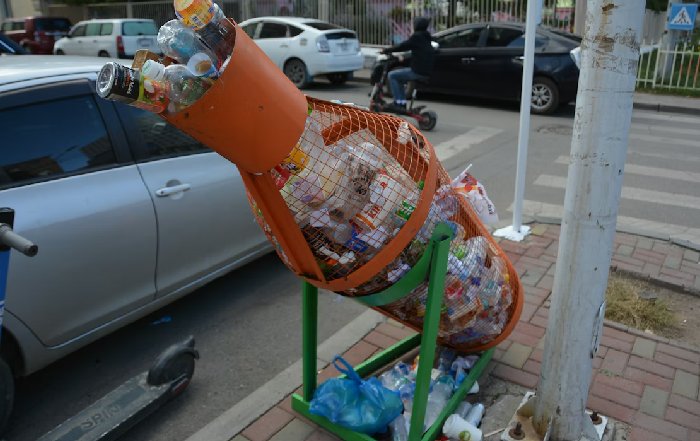
Many organic gardeners and community projects now integrate plastic reduction strategies into their operations, from avoiding plastic mulch and disposable pots to organizing local recycling and reuse initiatives. These efforts complement broader societal shifts toward responsible materials management and are closely aligned with the themes explored on plastic recycling and waste. As policymakers and businesses move toward extended producer responsibility and stricter waste regulations, the practical experience of organic gardeners in managing organic and inorganic materials offers valuable, ground-level insights.

Education, Knowledge Sharing, and Capacity Building

The rapid diffusion of organic gardening practices over the last decade is inseparable from advances in education and digital communication. Universities, vocational schools, and extension services increasingly incorporate organic and regenerative principles into their curricula, while online platforms host comprehensive guides, webinars, and forums that allow practitioners at all levels to learn, experiment, and share results. Organizations such as IFOAM - Organics International and FAO play a central role in codifying best practices and facilitating South-South and North-South knowledge exchange.

On You Save Our World, educational content on education is deliberately structured to connect technical guidance with broader themes of environmental responsibility, social justice, and economic resilience. This integrated approach reflects the reality that organic gardening is not simply a set of techniques but a gateway to understanding systems thinking, from soil microbiomes to global commodity markets. For leaders in business, government, and civil society, such education is increasingly viewed as a strategic investment in human capital and institutional capacity.

Design, Architecture, and the Built Environment

The influence of organic gardening now extends into design and architecture. Landscape architects, urban designers, and building professionals are integrating edible and ecological plantings into residential, commercial, and public projects. Green roofs, living walls, and courtyard gardens designed for organic cultivation are being specified not only for their aesthetic and recreational value but also for their contributions to stormwater management, urban cooling, and biodiversity.

In corporate campuses and hospitality developments, organic gardens are used to supply on-site kitchens, demonstrate sustainability commitments, and provide restorative spaces for employees and guests. These design choices reflect a growing recognition that the built environment must actively contribute to environmental regeneration rather than merely minimize harm. Readers interested in how design thinking intersects with sustainability can explore the design-oriented perspectives on design and connect them with external discussions on regenerative architecture and urbanism in leading design and science publications.

Global Dynamics and Equity Considerations

At the global level, organic gardening and farming intersect with complex questions of equity, food sovereignty, and trade. In many low- and middle-income countries, smallholder farmers have historically practiced low-input agriculture that shares many characteristics with organic systems, though without formal certification. As global demand for certified organic products rises, there is both opportunity and risk: opportunities in accessing premium markets and securing long-term contracts, and risks related to certification costs, market volatility, and power imbalances in value chains dominated by large buyers.

International organizations, NGOs, and some forward-looking corporations are working to design models that ensure fair compensation, respect for local knowledge, and gender-inclusive participation in organic value chains. The global perspective presented in the global section of You Save Our World is deliberately framed to highlight these justice dimensions, recognizing that sustainable agriculture must be socially as well as environmentally and economically viable.

Integrating Organic Gardening into Everyday Strategy

For the audience of You Save Our World, which includes sustainability professionals, entrepreneurs, educators, and engaged citizens, the key question in 2026 is no longer whether organic gardening matters, but how to integrate it strategically into broader plans for resilience and growth. At the household level, this may involve redesigning yards and balconies for food production, composting, and biodiversity support, while aligning consumption habits with the principles practiced in the garden. At the business level, it may require rethinking procurement, investing in regenerative supply partnerships, or using organic demonstration gardens as tangible embodiments of corporate values and ESG commitments.

For municipalities and national governments, organic gardening can be leveraged as a low-cost, high-impact tool for climate adaptation, public health promotion, and community engagement. Integrating organic gardens into schools, public housing, healthcare facilities, and urban regeneration projects creates visible, participatory anchors for otherwise abstract policy goals.

A Strategic Asset for a Constrained Century

As the world moves deeper into a century defined by climate instability, resource constraints, and rapid technological change, organic gardening stands out as a rare convergence point: it is scientifically credible, economically relevant, socially inclusive, and accessible to individuals as well as institutions. It offers a practical framework for aligning daily actions with long-term sustainability objectives and for translating high-level strategies into living, measurable systems on the ground.

For You Save Our World, organic gardening is therefore more than a topic; it is a lens through which to examine sustainable living, responsible business, climate resilience, innovation, and personal well-being as interconnected elements of a single, coherent agenda. By continuing to document best practices, highlight emerging research, and provide actionable guidance across areas such as sustainable living, business, technology, and personal well-being, the platform aims to support readers in turning the principles embodied by organic gardening into durable, scalable change.

In 2026, each organically tended plot-whether a balcony box, a community allotment, or a diversified farm-functions as both a productive system and a living proof-of-concept that regenerative, low-impact, and equitable models are not only possible but already underway. The challenge and opportunity for the coming decade lie in amplifying these examples, embedding them in policy and business practice, and ensuring that the benefits of this transformation are shared widely across societies and generations.

Environmental and Personal Benefits of a Clean Home

Last updated by Editorial team at yousaveourworld.com on Friday 23 January 2026
Environmental and Personal Benefits of a Clean Home

Eco-Sustainable Home Cleaning in 2026: How Every Household Decision Shapes Our Shared Future

From "Clean House" to Climate Strategy

By 2026, a pristine home is no longer viewed merely as a private sanctuary or a marker of personal discipline; it has become a visible expression of environmental values, health priorities, and a household's understanding of its role in the global economy. On You Save Our World, this shift is especially evident in the way readers now connect everyday routines with the major themes that define this decade: climate resilience, resource scarcity, circular design, and the search for healthier lifestyles that do not compromise planetary boundaries. A mop, a vacuum cleaner, or a bottle of detergent has effectively become part of an informal climate strategy, and the home itself functions as a small but influential node in a wider network of sustainable living practices.

This evolution has been accelerated by mounting scientific evidence on climate change, the public health implications of indoor pollution, and the economic costs of wasteful consumption. Resources such as the Intergovernmental Panel on Climate Change and World Health Organization have underscored how closely household behavior is tied to emissions, air quality, and water use, while platforms like You Save Our World - Climate Change translate these global findings into actionable guidance for individuals and businesses. As a result, cleaning in 2026 is no longer a background task; it is a deliberate, knowledge-driven activity that reflects experience, expertise, and a growing sense of responsibility.

Environmental Significance: Why Cleaning Choices Matter More Than Ever

The environmental significance of housekeeping in 2026 rests on an understanding that every product selected and every appliance operated has a lifecycle impact. When a household chooses a biodegradable detergent in a refillable container rather than a conventional cleaner in single-use plastic, it is not simply opting for a different scent or brand; it is influencing upstream manufacturing decisions, downstream waste flows, and the carbon intensity of the supply chain. This is why You Save Our World places such emphasis on sustainable living, framing domestic routines as part of a broader ecological system.

In practice, this environmental significance manifests through several interconnected dimensions. First, chemical profiles of cleaning products matter: formulations with fewer persistent or bioaccumulative substances reduce the burden on wastewater treatment facilities and surrounding ecosystems. Agencies such as the U.S. Environmental Protection Agency provide guidance on safer ingredients and ecolabels, and readers can learn more about safer cleaning chemistry to inform their purchases. Second, packaging decisions have become central to the fight against plastic pollution. Studies documented by organizations like UNEP and OECD demonstrate that packaging constitutes a large share of household waste, and this reality has prompted many consumers to align their cleaning practices with resources such as You Save Our World - Plastic Recycling, which explore strategies for reducing and reusing materials rather than discarding them.

Finally, cleaning routines influence energy and water demand, and therefore a home's contribution to greenhouse gas emissions and resource depletion. The way floors are washed, laundry is done, or surfaces are disinfected now sits alongside choices about transportation or diet in determining a household's environmental footprint. This integrated view of domestic life and planetary health is one of the defining shifts of the mid-2020s.

Waste Reduction and the Circular Mindset in Housekeeping

Waste reduction has moved from being a niche concern of environmentally conscious households to a mainstream expectation, supported by policy, market innovation, and changing social norms. In 2026, the most forward-thinking homes apply a circular mindset to cleaning: they seek to keep materials in use for as long as possible, design waste out of the system, and regenerate natural systems where feasible. On You Save Our World, this mindset is reflected in guidance on waste and resource efficiency, which encourages readers to view every cleaning tool and container as part of a continuous loop rather than a linear "use and discard" trajectory.

This approach begins with product formats. Concentrated cleaners, solid bars, and tablets that dissolve in water minimize packaging and transportation emissions. Refillable systems further reduce the need for new containers, while glass or metal dispensers extend product life and enhance recyclability. Global analyses available from sources such as UNEP's circular economy initiatives show that these shifts, when scaled, can significantly cut plastic leakage and material throughput. At the same time, reusable cleaning tools-durable cloths, washable mop heads, and long-lasting brushes-replace disposable wipes and single-use accessories, aligning routine tasks with the principles of a circular economy.

The circular mindset also influences what happens when products reach the end of their useful life. Rather than sending broken appliances or worn textiles directly to landfill, households increasingly explore repair services, donation networks, and specialized recycling streams. This behavior is reinforced by growing awareness of global material flows, as explained by platforms like Ellen MacArthur Foundation, and by local infrastructure that supports responsible disposal. For readers of You Save Our World, the connection between circular design, waste reduction, and sustainable business models is further explored on pages such as sustainable business, where the same logic applied in a living room or kitchen is extended to corporate operations and supply chains.

Carbon Footprint: Cleaning as an Energy and Emissions Decision

The carbon footprint of housekeeping is often underestimated, yet in aggregate it is substantial. Heating water for laundry and dishwashing, running vacuum cleaners and air purifiers, operating dryers and steam cleaners, and maintaining HVAC systems all draw on electricity or gas, which in many regions still rely heavily on fossil fuels. In 2026, households that seek to align their daily routines with climate goals are increasingly attentive to the way cleaning choices intersect with energy use, a topic that You Save Our World connects to broader discussions on technology and innovation.

One of the most effective strategies for reducing cleaning-related emissions is optimizing appliance efficiency. Regularly cleaning filters, coils, and vents ensures that refrigerators, air conditioners, and heating systems operate at their designed efficiency, a principle reinforced by guidance from agencies like the International Energy Agency, where readers can learn more about residential energy efficiency. Clean filters reduce airflow resistance, lower energy consumption, and prolong equipment life, turning routine maintenance into a climate-positive action. Similarly, choosing cold-water detergents that perform well at lower temperatures can dramatically cut the energy required for laundry, a change that organizations such as Energy Star highlight as one of the simplest household emissions reductions.

Lighting and ventilation practices linked to cleaning also carry climate implications. Keeping windows clean and interior spaces uncluttered maximizes natural light, allowing households to reduce reliance on artificial lighting during the day. Coordinating cleaning activities with periods of daylight or with off-peak electricity tariffs can further optimize energy use. For readers who wish to integrate these measures into a broader home energy strategy, You Save Our World offers insights that complement international resources like International Renewable Energy Agency, aligning micro-level habits with macro-level energy transitions.

Water Conservation and Chemical Stewardship

Water scarcity is no longer a theoretical future risk; in many regions it is a present reality. Consequently, the way households use water for cleaning has become a central concern for policymakers, businesses, and citizens. In 2026, responsible housekeeping is inseparable from water stewardship, and You Save Our World addresses this connection through its focus on global environmental awareness and sustainable lifestyles.

High-efficiency washing machines and dishwashers, many of them certified under rigorous standards, now offer eco-modes that reduce both water and energy consumption while maintaining cleaning performance. Guidance from entities such as WaterSense and the World Resources Institute helps consumers learn more about efficient water use, while manufacturers continue to refine spray patterns, sensor technologies, and cycle algorithms to minimize waste. At the same time, households increasingly adopt behavioral changes-running full loads, pre-soaking selectively rather than excessively rinsing, and using microfiber cloths that clean effectively with minimal moisture.

Equally important is the quality of water discharged after cleaning. Biodegradable, low-toxicity formulations reduce the burden on wastewater treatment plants and mitigate the release of harmful compounds into rivers and oceans. Scientific reviews published in journals accessible via Springer Nature and other platforms have documented the ecological risks of conventional surfactants, fragrances, and preservatives, reinforcing the importance of ingredient transparency. By selecting products that align with these findings and consulting educational resources such as You Save Our World - Environmental Awareness, households participate in a form of chemical stewardship that protects both human health and aquatic ecosystems.

Indoor Air Quality, Health, and Well-Being

Indoor air quality has emerged as a critical public health issue, particularly as people spend a significant proportion of their time at home or in hybrid work environments. Cleaning practices are central to this discussion because they can either mitigate or exacerbate exposure to allergens, particulate matter, and volatile organic compounds. In 2026, the most health-conscious households and businesses approach cleaning as part of a comprehensive air-quality strategy, a theme that resonates strongly with You Save Our World readers interested in personal well-being.

Effective dust control, vacuuming with HEPA filtration, and regular laundering of textiles reduce the presence of allergens such as dust mites, pollen, and pet dander. At the same time, a shift toward low-VOC or VOC-free cleaning agents lowers the risk of headaches, respiratory irritation, and long-term chemical exposure. Organizations like the American Lung Association and European Environment Agency provide accessible overviews of these issues, and consumers can learn more about indoor air and health to guide their product choices and ventilation habits.

Ventilation itself is a crucial component of healthy cleaning. Opening windows when weather and outdoor air quality permit, using extractor fans in kitchens and bathrooms, and maintaining mechanical ventilation systems all help dilute any residual pollutants. This is particularly important when disinfectants are used, as some active ingredients can react with indoor air to form secondary pollutants. On You Save Our World, these health considerations are consistently linked back to sustainability: the same practices that reduce indoor toxicity often reduce environmental harm, reinforcing the idea that responsible housekeeping benefits both occupants and the wider ecosystem.

Mental Health, Order, and Sustainable Lifestyles

The psychological benefits of a clean, orderly home are now well documented. Research from institutions such as Harvard Medical School and Mayo Clinic has shown that clutter and disorganization can elevate stress levels, impair focus, and even influence sleep quality. In 2026, many households recognize that sustainable cleaning routines are not only about environmental outcomes but also about mental clarity and emotional resilience. This holistic view aligns closely with the ethos of You Save Our World, where environmental guidance is often integrated with reflections on lifestyle and well-being.

A thoughtfully maintained space provides cues of control and predictability in an otherwise volatile world. When cleaning is approached as a structured, manageable practice rather than an overwhelming obligation, it can foster a sense of progress and agency. This is especially true when households adopt realistic schedules that distribute tasks over time and among household members, thereby preventing burnout and reinforcing shared responsibility. Such routines embody the principle that sustainability must be livable; if environmental practices are mentally exhausting, they are unlikely to be sustained.

Moreover, the alignment between values and behavior-choosing products and practices that reflect one's environmental convictions-can strengthen a sense of purpose. Readers of You Save Our World often report that integrating eco-friendly cleaning into their daily lives reinforces their broader commitment to sustainable business, ethical consumption, and responsible citizenship. This alignment contributes to what psychologists describe as "value congruence," a state associated with higher life satisfaction and reduced cognitive dissonance.

The Green Cleaning Market in 2026: Trust, Transparency, and Innovation

The market for eco-sustainable cleaning products has matured significantly by 2026. What was once a niche category confined to specialty stores now occupies substantial shelf space in mainstream retailers, and digital marketplaces are filled with brands that claim to be "green," "natural," or "non-toxic." This proliferation has made trust and verification critical, and discerning consumers increasingly rely on independent standards, robust science, and transparent communication to navigate their choices.

Established brands such as Seventh Generation, Ecover, Method, and Mrs. Meyer's continue to expand their portfolios, moving toward more concentrated formulas, refill stations, and packaging that incorporates high percentages of post-consumer recycled content. At the same time, innovative start-ups are experimenting with plastic-free formats, subscription-based refills, and hyper-local supply chains that reduce transportation emissions. Certifications and ecolabels, assessed by organizations like Green Seal and EU Ecolabel, help consumers learn more about credible product standards and distinguish genuinely sustainable offerings from superficial "greenwashing."

For You Save Our World, the evolution of this market is not only a story of consumer choice but also a case study in sustainable business transformation. It exemplifies how regulatory pressure, investor expectations, and informed demand can push companies to redesign products in line with circular and low-carbon principles. This is why the site's coverage of business and economy often references home cleaning as a tangible illustration of larger shifts in design, supply chains, and corporate accountability.

Integrating Technology and Design into Sustainable Housekeeping

Technology and design now play a decisive role in shaping how cleaning is carried out, with implications for efficiency, comfort, and sustainability. Smart appliances, connected sensors, and data-driven maintenance schedules are increasingly common, especially in newer housing stock and in homes that have embraced the broader trend toward "smart living." These developments intersect directly with the themes of innovation and technology that are central to You Save Our World.

Robot vacuum cleaners equipped with mapping capabilities optimize their paths to minimize redundant passes, thereby saving energy while maintaining cleanliness. Smart washing machines can adjust water levels and cycle length based on load weight and soil level, and they can be scheduled to run when renewable energy penetration on the grid is higher. Air-quality monitors provide real-time feedback on particulate matter and VOCs, allowing residents to evaluate the impact of specific products or activities and to modify their routines accordingly. For those interested in the intersection of smart home technologies and sustainability, resources such as International Energy Agency's digitalization reports provide an analytical backdrop to the practical advice offered on You Save Our World.

Design considerations within the home also influence the sustainability of cleaning. Surfaces that are durable, easy to maintain, and resistant to staining or microbial growth reduce the need for aggressive chemicals and frequent deep cleaning. Thoughtful storage solutions make it easier to keep spaces organized, which in turn reduces the time and resources required to maintain them. On the design-focused pages of You Save Our World, such as those addressing sustainable design and interiors, readers can explore how material choices and spatial planning contribute to both aesthetic appeal and environmental performance.

Balancing Cleanliness, Health, and Environmental Impact

One of the most nuanced challenges in 2026 is finding the equilibrium between adequate hygiene, mental and physical well-being, and environmental responsibility. Overcleaning with harsh chemicals can undermine indoor air quality and contribute to antimicrobial resistance, while undercleaning can increase the risk of infections, allergens, and accidents. The goal, therefore, is not maximal cleaning but optimal cleaning-frequent enough and thorough enough to protect health, yet measured and thoughtful enough to avoid unnecessary resource use and chemical exposure.

Public health agencies such as the Centers for Disease Control and Prevention and Public Health England have increasingly emphasized targeted disinfection rather than indiscriminate use of powerful agents, advising households to focus on high-touch surfaces during illness outbreaks while relying on milder, more environmentally benign products for routine tasks. Readers can learn more about evidence-based hygiene to calibrate their routines according to risk rather than habit or marketing messages.

For You Save Our World, this balanced approach is central to the concept of trustworthy guidance. The platform's content consistently encourages readers to weigh trade-offs, question assumptions, and integrate new research as it emerges. Whether the topic is the frequency of laundering, the necessity of certain disinfectants, or the benefits of mechanical cleaning methods, the emphasis is on informed decision-making rather than rigid rules. This perspective reinforces the site's mission: to empower individuals and organizations with the knowledge needed to act responsibly in a complex, rapidly changing world.

The Role of You Save Our World in Guiding Sustainable Home Cleaning

By 2026, You Save Our World has become a reference point for households, entrepreneurs, and educators seeking to connect the micro-scale of home life with the macro-scale of planetary health. The site's interconnected coverage of sustainable living, business and innovation, technology, and personal well-being reflects a conviction that sustainable housekeeping is not an isolated niche but a central strand in the fabric of a resilient society.

Through in-depth articles, practical guides, and links to authoritative external resources such as UNEP, National Geographic, and leading academic and policy institutions, the platform supports readers in building both competence and confidence. It recognizes that experience and expertise develop over time as individuals experiment with new products, technologies, and habits, and it seeks to accelerate that learning curve by sharing evidence-based insights in a clear and accessible manner.

In this way, a clean home in 2026 is more than a private achievement; it is a visible, daily reaffirmation of a household's commitment to environmental stewardship, health, and responsible citizenship. Each choice-whether about a detergent, a vacuum filter, a smart sensor, or a cleaning schedule-carries weight beyond the front door. By helping readers understand and navigate these choices, You Save Our World ensures that the simple act of cleaning becomes a powerful contribution to a more sustainable, equitable, and healthy future for all.

Global Call to Rethink Waste: Emerging Initiatives and the Future of Sustainability

Last updated by Editorial team at yousaveourworld.com on Friday 23 January 2026
Global Call to Rethink Waste Emerging Initiatives and the Future of Sustainability

Waste, Innovation, and Responsibility: How YouSaveOurWorld.com Helps Redefine Sustainability

From 2025 Turning Point to 2026 Momentum

The inflection point that many observers anticipated in 2025 has clearly materialized into a structural shift in how societies understand and manage their relationship with the environment. What was once framed as a future aspiration-transitioning from linear, disposable models of production and consumption to circular, regenerative systems-has become a central organizing principle for policymakers, business leaders, technologists, and communities across the globe. The accelerating climate crisis, mounting waste volumes, and visible ecological degradation have forced a reassessment of what constitutes progress, resilience, and value in modern economies.

Within this context, You Save Our World has positioned itself not as a detached commentator but as an active partner in this transition, curating knowledge, tools, and perspectives that speak directly to individuals, households, businesses, and communities seeking practical, credible, and actionable guidance. The platform's focus on integrated themes-ranging from sustainable living and plastic recycling to sustainable business, climate change, and innovation-reflects an understanding that environmental progress is no longer a niche concern but a core dimension of economic strategy, social well-being, and long-term competitiveness.

In 2026, the discussion is less about whether sustainability matters and more about which models, metrics, technologies, and governance approaches can deliver measurable results at scale. Against this backdrop, the evolution of waste management, corporate accountability, and sustainable lifestyles is not only a story of environmental necessity but also of business opportunity, policy sophistication, and cultural transformation.

Waste Management as an Economic and Strategic Priority

The last decade has seen waste management move from a municipal housekeeping function to a strategic pillar of urban resilience, public health, and economic planning. Municipalities that once measured success primarily by landfill capacity now increasingly assess performance through diversion rates, material recovery value, greenhouse gas reductions, and community engagement outcomes. This shift has been particularly pronounced in fast-growing cities, where the costs of unmanaged waste-flooding from blocked drainage, air pollution from open burning, and land scarcity for new disposal sites-have become impossible to ignore.

In 2026, advanced waste audits, pay-as-you-throw schemes, and integrated material recovery facilities are being adopted not only in high-income regions but also in emerging economies, supported by knowledge-sharing platforms from organizations such as the United Nations Environment Programme (UNEP) and the Organisation for Economic Co-operation and Development (OECD). Readers seeking a broad perspective on global waste trends can review analyses such as the Global Waste Management Outlook, which underscore the economic and environmental stakes of current practices.

At the same time, the cultural narrative around waste is changing. Households and businesses are increasingly aware that waste is not an inevitable byproduct of modern life but a design and management failure that can be corrected. Resources on You Save Our World help translate this insight into daily practice, connecting high-level strategy with everyday decision-making. Articles on waste and resource use and environmental awareness demonstrate how choices about packaging, purchasing, maintenance, and disposal cascade into broader environmental and economic outcomes.

The maturation of waste management in 2026 is therefore not only technical but also educational and behavioral. Municipal infrastructure, corporate systems, and citizen habits are beginning to align around a shared recognition: that waste prevention, reuse, and high-quality recycling are essential components of a resilient, low-carbon future.

Technology, Data, and the New Circular Infrastructure

The integration of advanced technologies into waste and resource management has accelerated rapidly since 2025. Artificial intelligence, machine vision, robotics, and Internet-of-Things (IoT) devices are no longer restricted to pilot projects; they are increasingly embedded in mainstream operations. Automated sorting systems now identify and separate materials with precision that far surpasses manual methods, while sensor-equipped containers transmit real-time fill-level data, enabling dynamic routing that reduces fuel use and emissions.

These developments are part of a broader digital transformation of environmental management, in which data is treated as a strategic asset. Platforms that consolidate information on material flows, emissions, and resource use are enabling businesses and governments to benchmark performance, identify inefficiencies, and design targeted interventions. Institutions such as the United States Environmental Protection Agency (EPA) provide extensive guidance on how such technologies can support sustainable operations; readers can learn more about sustainable business practices that integrate data-driven decision-making into waste and materials management.

For businesses, the implications are profound. Circularity and resource efficiency are increasingly embedded into enterprise resource planning, product lifecycle management, and risk management systems. Leading companies now track not only financial metrics but also material circularity indicators, lifecycle emissions, and supplier environmental performance. These practices align with the growing emphasis on Environmental, Social, and Governance (ESG) criteria, which investors, regulators, and rating agencies use to evaluate long-term resilience and risk exposure. Firms that treat waste as a design flaw and resource loss, rather than a downstream problem, are finding competitive advantages in cost reduction, brand differentiation, and regulatory readiness.

On You Save Our World, this convergence of technology and sustainability is reflected in content that links technology and innovation with practical environmental outcomes. By presenting case examples, strategic frameworks, and lifestyle implications, the platform helps readers understand not only what technologies exist but how they can be deployed responsibly and effectively within homes, businesses, and communities.

Global Policy Alignment and the Maturing Circular Economy Agenda

By 2026, the circular economy has moved from conceptual framework to policy agenda in many jurisdictions. National strategies, regional roadmaps, and sectoral action plans are being developed and implemented with growing sophistication. Extended Producer Responsibility (EPR) schemes for packaging, electronics, and other product categories are expanding, placing greater responsibility on manufacturers to design for durability, repairability, and recyclability, and to finance end-of-life collection and treatment.

Internationally, frameworks under the United Nations system, including climate commitments aligned with the Paris Agreement and negotiations on plastics pollution, are pushing countries to harmonize standards and reporting. The alignment between climate policy, waste policy, and industrial strategy is becoming clearer: reducing waste and increasing circularity directly supports emission reductions, resource security, and innovation-led growth. Reports from bodies such as the Intergovernmental Panel on Climate Change (IPCC), available through resources like the IPCC assessment reports, continue to highlight the role of material efficiency and circularity in meeting climate targets.

For business leaders, this policy convergence means that regulatory risk and opportunity are increasingly tied to how effectively organizations anticipate and respond to circular economy requirements. Compliance is no longer limited to end-of-pipe controls; it encompasses product design, supply chain transparency, take-back systems, and collaboration with recyclers and remanufacturers. Companies that act early gain influence over emerging standards and can shape markets for secondary materials and circular services.

You Save Our World supports this transition by connecting global policy developments with practical guidance for individuals and enterprises. Articles on climate change, global sustainability, and business strategy highlight how international frameworks translate into local obligations and opportunities, enabling readers to position themselves proactively rather than reactively in a rapidly evolving regulatory landscape.

Corporate Accountability, ESG, and Investor Expectations

The rise of ESG investing and mandatory sustainability reporting has fundamentally altered the expectations placed on corporations by regulators, investors, customers, and employees. In 2026, large listed companies in many jurisdictions are required to disclose climate-related financial risks, emissions data, and, increasingly, information about waste generation, resource use, and circularity initiatives. Standards developed by organizations such as the International Sustainability Standards Board (ISSB) and the Global Reporting Initiative (GRI) are shaping a more consistent and comparable disclosure landscape.

This trend has two important consequences. First, sustainability performance is now directly linked to access to capital and cost of capital. Investors are increasingly wary of business models that depend on cheap resources, high waste outputs, and exposure to tightening regulations. Second, the quality and credibility of data have become critical. Stakeholders are no longer satisfied with aspirational statements; they expect verifiable metrics, independent assurance, and clear evidence of progress over time. Initiatives from groups like the Task Force on Climate-related Financial Disclosures (TCFD) and successor frameworks have reinforced the importance of integrating environmental risks into core financial planning, as can be seen in guidance available through resources such as the Financial Stability Board.

This environment rewards organizations that embed sustainability into governance structures, incentive systems, and operational processes. It also heightens reputational risks for those that engage in greenwashing or fail to address material environmental impacts. For many companies, waste and resource use have emerged as visible indicators of broader environmental performance, making them priority areas for improvement and reporting.

On You Save Our World, the theme of corporate responsibility is closely tied to the platform's emphasis on sustainable business and economy. Content is curated to help business leaders and professionals understand not only the moral imperative of environmental stewardship but also its financial, regulatory, and reputational dimensions. By presenting sustainability as a driver of long-term value creation rather than a compliance burden, the platform speaks directly to the strategic concerns of a business audience.

Community Engagement, Education, and Lifestyle Change

While policy frameworks and corporate strategies are indispensable, they are insufficient without meaningful engagement at the community and individual levels. In 2026, some of the most effective environmental initiatives remain those that mobilize local networks-residents, schools, small businesses, and civil society organizations-to co-create solutions tailored to their specific contexts. Community composting, neighborhood repair cafes, local refill stations, and citizen science projects are reshaping how people think about consumption, waste, and shared responsibility.

Education plays a central role in this transformation. Schools, universities, and informal learning platforms are integrating sustainability into curricula, emphasizing systems thinking, ecological literacy, and practical skills such as waste segregation, urban gardening, and energy conservation. Global organizations like the UNESCO education network and initiatives such as the UN Decade of Education for Sustainable Development have contributed to this shift, with resources and frameworks accessible through sites like UNESCO's education for sustainable development.

For many individuals, sustainable living is no longer an abstract ideal but a set of daily choices that intersect with health, finances, and personal well-being. The relationship between a cleaner home, reduced exposure to pollutants, and improved mental health is increasingly recognized, as is the connection between time management, digital balance, and environmentally conscious lifestyles. On You Save Our World, themes of lifestyle and personal well-being are deliberately interwoven with environmental content, reflecting the platform's belief that sustainable choices must be compatible with, and supportive of, a fulfilling life.

By providing accessible explanations, practical tips, and real-world examples, the platform helps bridge the gap between macro-level sustainability discourse and individual action. This focus on education and empowerment is central to its mission of building environmental awareness that is both informed and actionable.

Plastic, E-Waste, and the Challenge of Modern Materials

Among the most pressing waste challenges in 2026 are plastics and electronic waste, both emblematic of the tension between technological progress and environmental limits. Plastic pollution in oceans, rivers, and soils has become a visible symbol of unsustainable consumption, while e-waste highlights the hidden costs of rapid innovation, short product cycles, and complex material compositions.

In response, governments and industry coalitions are implementing stricter controls on single-use plastics, investing in advanced recycling technologies, and exploring alternative materials. Chemical recycling, while still controversial and uneven in its environmental performance, has gained attention as a potential complement to mechanical recycling for certain hard-to-recycle streams. International efforts, including ongoing negotiations toward a global plastics treaty under the auspices of the United Nations, signal growing recognition that plastic pollution is a transboundary problem requiring coordinated solutions. Organizations such as World Wildlife Fund (WWF) provide extensive analysis of these issues; readers can explore broader perspectives on plastics and biodiversity through resources like WWF's plastics initiative.

E-waste presents a different but equally complex set of challenges. The presence of hazardous substances, combined with valuable metals and rare earth elements, makes proper collection and treatment both a health necessity and an economic opportunity. Extended Producer Responsibility schemes for electronics, right-to-repair legislation, and modular product designs are emerging as key strategies to address this issue. The International Telecommunication Union (ITU) and United Nations University (UNU) have documented the scale of global e-waste in reports accessible through platforms such as the Global E-waste Monitor, emphasizing the urgency of systemic responses.

You Save Our World addresses these intertwined challenges through focused content on plastic recycling, waste reduction, and technology. By explaining the trade-offs, limitations, and opportunities associated with different approaches, the platform helps readers navigate a complex landscape where simplistic solutions are often inadequate. The emphasis is on informed decision-making, from product choices and disposal practices to advocacy for better policies and corporate behavior.

Design, Innovation, and the Next Generation of Sustainable Solutions

Design and innovation sit at the heart of long-term sustainability. The environmental performance of products, buildings, and systems is largely determined at the design stage, long before materials are purchased, factories are built, or consumers make choices. In 2026, concepts such as eco-design, cradle-to-cradle thinking, regenerative design, and biomimicry are gaining traction across industries, influencing everything from packaging and consumer electronics to urban planning and architecture.

Zero-carbon and low-impact design principles are increasingly embedded in building codes and procurement policies, supported by research and guidance from organizations such as the World Green Building Council and the International Energy Agency (IEA). Businesses and cities that adopt these principles not only reduce emissions and resource use but also enhance resilience against climate-related risks, such as heatwaves and flooding. Readers interested in the broader context of sustainable buildings and energy efficiency can explore perspectives from the IEA's energy efficiency resources.

On the product side, circular design is enabling new business models such as product-as-a-service, leasing, and take-back programs, where manufacturers retain ownership of materials and capture value over multiple use cycles. Digital tools, including lifecycle assessment software and digital product passports, support these models by providing transparency and traceability across complex supply chains.

For You Save Our World, design is not a purely technical topic but a bridge between environmental responsibility, economic performance, and user experience. Articles addressing design and sustainability, innovation, and business speak to decision-makers who must balance cost, functionality, aesthetics, and environmental impact. By emphasizing the role of thoughtful design in preventing waste and enabling circularity, the platform reinforces the message that sustainability begins long before disposal.

Integrating Sustainability into Everyday and Strategic Decisions

The defining characteristic of sustainability in 2026 is its integration into both everyday life and high-level strategy. Environmental considerations are no longer confined to specialized departments or activist communities; they are present in boardroom discussions, household budgeting, product development, urban planning, and educational curricula. This integration is the result of years of advocacy, technological progress, policy development, and cultural change.

You Save Our World has evolved alongside this transformation, positioning itself as a trusted resource for readers who recognize that sustainability is multi-dimensional. The platform connects sustainable living with economy, technology with personal well-being, and global policy with local practice. This holistic approach reflects an underlying conviction: that meaningful environmental progress depends on aligning personal values, business incentives, and public policy.

External organizations such as National Geographic, Greenpeace International, and World Wildlife Fund continue to document and advocate for environmental protection at a global level, offering in-depth reporting and campaigns accessible through sites like National Geographic's environment section and Greenpeace's climate and energy work. You Save Our World complements these global perspectives with a more personal and practical orientation, helping readers translate awareness into action in their own spheres of influence.

As 2026 unfolds, the trajectory is clear. The legacy of the mid-2020s will likely be remembered as the period when environmental responsibility moved from the margins to the mainstream of economic and social life. The work is far from complete, and the challenges of climate change, biodiversity loss, and resource depletion remain formidable. Yet the convergence of policy innovation, technological capability, corporate accountability, and citizen engagement offers a credible path forward.

In this evolving landscape, You Save Our World continues to serve as a bridge between knowledge and practice, strategy and lifestyle, global frameworks and local realities. By emphasizing experience, expertise, authoritativeness, and trustworthiness, and by grounding its content in both rigorous analysis and practical relevance, the platform aims to equip its readers-not as passive observers of environmental change, but as informed participants in shaping a more sustainable, resilient, and equitable future.

Global Imperative of Cleaner Air: Examination of Causes, Effects, and Strategies

Last updated by Editorial team at yousaveourworld.com on Friday 23 January 2026
Global Imperative of Cleaner Air Examination of Causes Effects and Strategies

Air Pollution in 2026: Strategic Imperatives for Business, Policy, and Society

A New Phase in the Global Air Quality Crisis

By 2026, air pollution has become both a defining environmental risk and a central business issue, shaping regulatory agendas, investment decisions, and consumer expectations across every major market. For the audience of YouSaveOurWorld.com, which has consistently focused on connecting sustainability with daily life, business strategy, and global policy, air quality is no longer a narrowly environmental topic; it is a core determinant of public health, economic resilience, social stability, and long-term competitiveness.

Global assessments from organizations such as the World Health Organization and the World Bank continue to show that outdoor and indoor air pollution together are responsible for millions of premature deaths each year, as well as vast economic losses from reduced productivity, healthcare costs, and degraded ecosystems. At the same time, advances in clean technology, data analytics, and sustainable design are opening new pathways for mitigation and adaptation, and businesses that move early are already capturing strategic advantages.

Within this evolving landscape, YouSaveOurWorld.com positions air quality as a unifying theme that links sustainable living, sustainable business, innovation, technology, waste management, and personal well-being. Readers exploring topics such as sustainable living and climate change increasingly recognize that air pollution is not an isolated problem but a visible symptom of broader systemic choices about energy, mobility, production, and consumption.

The State of Air Quality in 2026

Over the last decade, many high-income countries have recorded modest improvements in key air quality indicators, largely driven by tighter emission standards, a shift away from coal, and the diffusion of cleaner vehicles and industrial processes. Regulatory agencies such as the U.S. Environmental Protection Agency (EPA), the European Environment Agency, and leading Asian environmental ministries have strengthened ambient air quality standards and introduced more robust enforcement mechanisms, while city-level initiatives-from congestion pricing to low-emission zones-have demonstrated measurable benefits.

Yet these gains are uneven and fragile. Rapid urbanization, rising energy demand, and industrial expansion in emerging economies continue to generate high levels of particulate matter, nitrogen oxides, sulfur dioxide, and ground-level ozone. Satellite observations by agencies such as NASA and data curated on Climate.gov show persistent pollution hotspots across South and East Asia, parts of Africa, and industrial corridors in Latin America, where economic growth has often outpaced environmental governance.

A defining feature of 2026 is the growing granularity of air quality information. Low-cost sensors, mobile monitoring devices, and advanced modeling platforms have enabled governments, companies, and communities to track pollution at the neighborhood scale, revealing stark disparities in exposure. These insights reinforce themes that YouSaveOurWorld.com has long highlighted in its coverage of environmental awareness and global sustainability: environmental risks are not distributed evenly, and data transparency is reshaping how citizens, investors, and regulators evaluate environmental performance and social equity.

Principal Drivers of Air Pollution

Industrial Production and Energy Systems

Industrial activity remains one of the most significant and complex contributors to air pollution. Heavy industries such as steel, cement, petrochemicals, and mining continue to rely heavily on fossil fuels, generating large quantities of sulfur dioxide, nitrogen oxides, and fine particulate matter. Although many facilities in advanced economies have installed state-of-the-art filtration and control technologies, a substantial share of global production has shifted to jurisdictions with weaker standards or limited enforcement capacity.

At the same time, the structure of the global energy system continues to shape air quality outcomes. Coal use has declined in several OECD countries, but remains entrenched in many fast-growing economies, where it is frequently justified as a low-cost means of meeting rising electricity demand. International agencies such as the International Energy Agency emphasize that phasing down unabated coal and accelerating the deployment of renewables and storage are among the most powerful levers for reducing both air pollution and greenhouse gas emissions.

For businesses, these shifts are no longer peripheral compliance issues; they are central to risk management, investor confidence, and supply chain resilience. Readers interested in how corporate strategy intersects with emissions reduction can explore insights on sustainable business, where YouSaveOurWorld.com examines how companies are integrating environmental performance into core decision-making and reporting.

Transport, Logistics, and Urban Mobility

The transport sector continues to be a dominant source of urban air pollution, especially in rapidly growing cities where vehicle fleets are expanding faster than infrastructure and regulation can adapt. Internal combustion engine vehicles emit a combination of carbon monoxide, nitrogen oxides, volatile organic compounds, and particulate matter, with congestion amplifying emissions per kilometer traveled.

In response, governments and manufacturers have accelerated the transition to electric vehicles (EVs), clean buses, and more efficient logistics networks. Leading firms such as Tesla, BYD, and major traditional automakers have scaled EV production, while numerous cities have committed to electrifying bus fleets and implementing low-emission zones. Nonetheless, the overall impact on air quality depends heavily on electricity generation mixes and complementary investments in public transit, cycling infrastructure, and compact urban design.

For businesses operating in logistics, retail, and mobility services, air quality is now closely tied to brand reputation and license to operate. Companies that adopt cleaner fleets, optimize delivery routes, and support multimodal transport options are increasingly favored by regulators and environmentally conscious consumers. Those seeking to understand how transport choices intersect with broader sustainability strategies can learn more about sustainable business practices through resources on business and technology at YouSaveOurWorld.com.

Agriculture, Land Use, and Waste

Agriculture and land management also play a significant role in air pollution, though their impacts are often underappreciated in mainstream discussions. Ammonia emissions from synthetic fertilizers and livestock operations contribute to the formation of secondary particulates, while open burning of crop residues and grasslands releases large amounts of smoke and black carbon. These practices are common where mechanization is limited or where regulatory oversight is weak, and they often intersect with poverty, land tenure issues, and inadequate access to alternative technologies.

Waste management is another critical dimension, particularly in fast-growing urban areas where solid waste systems are overstretched or underfunded. Open burning of municipal waste, including plastics, emits toxic pollutants and undermines both air quality and climate objectives. International initiatives led by organizations such as the United Nations Environment Programme (UNEP) and OECD underscore that transitioning to circular economy models, improving collection systems, and expanding formal recycling are essential to reducing these emissions. Readers can explore how better waste practices support cleaner air in the context of waste management and plastic recycling on YouSaveOurWorld.com, where the links between local choices and global atmospheric impacts are a recurring theme.

Domestic Energy Use and Indoor Air

In many low- and middle-income regions, household energy use remains a major driver of both indoor and outdoor air pollution. Reliance on biomass, coal, or kerosene for cooking and heating leads to high concentrations of particulate matter and other harmful pollutants in homes, with smoke frequently vented directly into living spaces or released into surrounding neighborhoods.

Initiatives to promote clean cooking technologies-such as improved biomass stoves, LPG, biogas, and electric cooking-have gained momentum through the efforts of organizations including the Clean Cooking Alliance and development agencies, but progress remains uneven. Indoor air pollution is now recognized as a critical public health issue by bodies such as the National Institutes of Health, which highlight its links with respiratory and cardiovascular disease, adverse pregnancy outcomes, and impaired cognitive development in children.

From the perspective of YouSaveOurWorld.com, indoor air quality connects directly with themes of personal well-being and sustainable lifestyle choices. Improving ventilation, reducing the use of high-VOC products, and adopting cleaner energy sources are presented not only as environmental actions, but as investments in family health and productivity.

Health, Environmental, and Economic Impacts

Public Health and Human Capital

The scientific consensus on the health impacts of air pollution has strengthened significantly, with robust evidence linking both short- and long-term exposure to a broad spectrum of diseases. Institutions such as the American Lung Association and the British Medical Journal have documented associations between fine particulate matter (PM2.5) and increased risks of asthma, chronic obstructive pulmonary disease, stroke, ischemic heart disease, and lung cancer. Emerging research also points to potential connections with diabetes, dementia, and adverse mental health outcomes.

These health burdens translate directly into economic costs through increased healthcare spending, lost working days, reduced labor force participation, and diminished cognitive performance. Studies compiled by the OECD and Lancet Commission on Pollution and Health estimate that the global economic losses attributable to air pollution reach trillions of dollars annually. For businesses, this reality reframes clean air as a core component of human capital management: healthier employees are more productive, more engaged, and less costly to insure, which makes air quality a strategic concern for employers and investors alike.

Ecosystems, Climate Interactions, and Resource Security

Air pollutants do not only affect people; they also alter the functioning of ecosystems and the stability of critical natural resources. Deposition of sulfur and nitrogen compounds leads to soil and water acidification, damaging forests and freshwater systems. Ground-level ozone impairs photosynthesis and reduces crop yields, undermining food security in regions already vulnerable to climate variability.

Certain pollutants, such as black carbon and tropospheric ozone, are also short-lived climate forcers, accelerating warming in the near term. The Intergovernmental Panel on Climate Change (IPCC) and initiatives like the Climate and Clean Air Coalition have emphasized that reducing these pollutants offers a powerful opportunity to deliver immediate health benefits while slowing the rate of climate change. This linkage is particularly important for readers following climate-related content on YouSaveOurWorld.com, where air pollution is framed as both a driver and a consequence of broader climate change dynamics.

Inequality, Justice, and Social Stability

A defining characteristic of the air pollution crisis is its deep inequity. Low-income communities, informal settlements, and marginalized ethnic or racial groups are disproportionately located near industrial facilities, major transport corridors, and waste sites, or are more reliant on polluting fuels. Research from universities, think tanks, and organizations such as the Environmental Defense Fund consistently shows that these communities face higher exposure levels, greater health burdens, and fewer resources to adapt or relocate.

This environmental injustice has become a central concern for policymakers, activists, and investors, influencing zoning debates, infrastructure planning, and corporate ESG strategies. It also shapes the editorial approach of YouSaveOurWorld.com, where articles on environmental awareness and global challenges emphasize that sustainable solutions must integrate equity, participation, and community-level empowerment.

Policy, Regulation, and Governance in 2026

Governments at all levels remain pivotal actors in determining air quality trajectories. Many jurisdictions have adopted more stringent ambient air quality standards, vehicle emission norms, and industrial permitting processes, often guided by WHO air quality guidelines and informed by advances in epidemiology and atmospheric science.

Internationally, frameworks under the UNFCCC, regional agreements such as the Convention on Long-Range Transboundary Air Pollution, and sector-specific initiatives have encouraged countries to align air quality and climate policies. The growing emphasis on nationally determined contributions that integrate co-benefits for health and air quality reflects a more sophisticated understanding of policy synergies.

However, implementation gaps remain significant. Weak enforcement, insufficient monitoring capacity, and competing short-term economic pressures frequently undermine ambitious legislation. For businesses and investors, this creates a complex risk environment, where regulatory expectations are tightening, but enforcement may be uneven. To navigate this landscape, companies increasingly rely on voluntary standards, third-party verification, and transparent reporting aligned with frameworks like the Task Force on Climate-related Financial Disclosures (TCFD) and emerging nature-related disclosure standards.

For readers of YouSaveOurWorld.com, understanding these governance dynamics is essential to evaluating both public policy and corporate claims. Articles on economy and business explore how regulatory trends are reshaping competitive advantage and investor expectations, especially in sectors with large emission footprints.

Corporate Strategy, ESG, and Market Expectations

In 2026, air pollution control is fully embedded in the broader movement toward Environmental, Social, and Governance (ESG) integration. Leading companies across manufacturing, energy, transport, real estate, and consumer goods now treat air emissions as a board-level issue, closely monitored by investors, lenders, and rating agencies.

Multinational corporations are setting science-based climate targets, phasing out high-emission fuels, upgrading production processes, and redesigning products to minimize lifecycle emissions. Supply chain programs increasingly require suppliers to adopt cleaner technologies and transparently report air emissions, with non-compliant partners facing the risk of exclusion from global value chains. In parallel, financial institutions are tightening due diligence on projects with high pollution risks, influenced by guidance from bodies such as the International Finance Corporation and the Principles for Responsible Investment.

For businesses that engage with YouSaveOurWorld.com to refine their sustainability strategies, air quality is presented as a tangible, measurable dimension of environmental performance that directly influences community relations, regulatory risk, and brand equity. The site's resources on innovation and design highlight how forward-looking firms are embedding clean air considerations into product development, building design, and service delivery.

Technology, Data, and Innovation

Technological innovation is reshaping both how air pollution is measured and how it is mitigated. Dense networks of sensors, satellite data, and advanced analytics platforms enable real-time air quality mapping at unprecedented resolution. Start-ups and established technology companies are offering integrated solutions that combine monitoring, forecasting, and decision support, allowing municipalities, industrial operators, and building managers to optimize operations and reduce emissions.

On the mitigation side, rapid cost declines in solar, wind, and battery storage have made clean energy a commercially viable alternative in many contexts, while progress in green hydrogen, carbon capture, and advanced bioenergy offers additional long-term options. In the built environment, high-performance building envelopes, smart ventilation, and low-emission materials are becoming standard in leading markets, supported by green building certifications and evolving consumer expectations.

For individuals and households, a growing array of technologies-from high-efficiency air purifiers to smart thermostats and low-emission appliances-offer new ways to protect health and reduce emissions simultaneously. YouSaveOurWorld.com connects these innovations with practical guidance on technology, lifestyle, and sustainable living, emphasizing not only the technical features of products, but how they fit into coherent, low-impact ways of living and working.

Individual and Organizational Action

While structural change in energy, transport, and industry is essential, individual and organizational choices remain powerful drivers of cleaner air. Businesses can redesign operations, logistics, and purchasing to minimize emissions; schools and universities can integrate air quality into curricula and campus planning; cities can prioritize walking, cycling, and public transport; and households can adjust energy use, purchasing habits, and waste practices to reduce their pollution footprint.

For the community around YouSaveOurWorld.com, this multi-level perspective is central. Articles across the site connect macro-level policy and technology developments with concrete actions that readers can take in their homes, workplaces, and communities. Whether exploring sustainable commuting options, supporting local clean energy initiatives, improving indoor air quality, or advocating for stronger environmental standards, individuals are positioned not as passive recipients of policy, but as active participants in a broader movement toward cleaner air and a more resilient economy.

Outlook: Air Quality as a Strategic Lens for the Future

Looking beyond 2026, the trajectory of global air quality will be determined by how effectively societies integrate clean air objectives into core systems of energy, transport, agriculture, urban development, and industrial production. The science is clear, the health and economic stakes are well documented, and the technological options are rapidly expanding. The remaining variables are political will, institutional capacity, and the speed with which businesses and citizens align their decisions with long-term sustainability.

For a business-oriented audience, air pollution is best understood as a strategic lens through which to evaluate risk, opportunity, and responsibility. Firms that anticipate tighter regulations, shifting consumer expectations, and evolving investor criteria will be better positioned to innovate, attract capital, and build durable trust with stakeholders. Those that delay adaptation face growing legal, financial, and reputational exposure.

YouSaveOurWorld.com will continue to serve as a platform where these themes converge, offering analysis, practical guidance, and perspectives that connect air quality to the broader pillars of sustainable living, sustainable business, innovation, education, and personal well-being. By engaging with resources across the site-from sustainable living and climate change to waste and innovation-readers can develop an integrated understanding of how cleaner air supports healthier communities, more competitive businesses, and a more stable global economy.

In this sense, the challenge of air pollution in 2026 is not only a test of environmental governance; it is a measure of collective commitment to a future in which economic progress, social equity, and environmental integrity reinforce rather than undermine one another.

Local Community Recycling Initiatives: Paving the Way for Global Impact

Last updated by Editorial team at yousaveourworld.com on Friday 23 January 2026
Local Community Recycling Initiatives Paving the Way for Global Impact

Local Community Recycling: How Grassroots Action is Rewiring the Global Economy

A New Phase for Community Recycling

Local community recycling initiatives have matured from well-intentioned side projects into strategic engines of environmental, economic, and social transformation. Across cities, suburbs, and rural regions, residents are no longer treating recycling as a peripheral chore but as a central pillar of how they live, work, and do business. On YouSaveOurWorld.com, these developments are not observed from a distance; they shape the very mission of the platform, which exists to connect sustainable living, responsible business, and long-term personal well-being in a coherent, actionable way.

The shift is visible in the way communities now design their infrastructure, rethink waste streams, and link local action to global climate objectives. Municipal recycling depots have evolved into multi-purpose resource hubs, neighborhood volunteers have become data-literate circular economy advocates, and small enterprises are building viable business models around materials that, only a decade ago, were destined for landfill. Readers who are exploring how these changes intersect with daily life can find practical context in YouSaveOurWorld's dedicated pages on sustainable living and waste, where the emphasis is consistently on translating high-level goals into concrete personal and organizational choices.

The Maturation of Grassroots Recycling Movements

Grassroots recycling movements that once relied on ad-hoc collection drives and volunteer labor have, by 2026, become sophisticated networks built on data, design thinking, and continuous education. Community leaders now work with material scientists, logistics experts, and digital innovators to create systems that not only divert waste but also maximize the value of recovered resources. Many of these initiatives integrate real-time tracking, standardized sorting protocols, and local processing partnerships, ensuring that materials such as plastics, metals, and paper re-enter productive use as quickly and efficiently as possible.

In numerous cities, residents have seen firsthand how targeted educational campaigns, informed by behavioral science and supported by local schools, can dramatically reduce contamination in recycling streams and increase participation rates. This alignment of knowledge and practice is central to the ethos of YouSaveOurWorld.com, where content on plastic recycling and environmental awareness underscores that technical solutions only succeed when communities understand and trust the systems they are asked to use. Internationally, organizations such as the UN Environment Programme provide frameworks and data that help local actors benchmark their progress and learn more about sustainable resource management, while agencies such as the U.S. Environmental Protection Agency offer practical guidance on community recycling models that can be adapted to different regions and regulatory environments.

Economic Value, Circular Business, and Local Empowerment

The economic dimension of community recycling has become impossible to ignore. By closing material loops, local initiatives are increasingly embedded in regional value chains, supplying feedstock to manufacturers, construction firms, and designers who are under growing regulatory and market pressure to reduce their environmental footprint. What began as cost-saving measures for municipalities-diverting waste from expensive landfills-has evolved into a source of revenue, jobs, and competitive advantage.

In many locations, small and medium-sized enterprises are emerging that specialize in remanufacturing, repair, and upcycling, often in partnership with local authorities. These businesses create skilled employment in sorting, materials characterization, product design, and reverse logistics, while also stimulating ancillary services in transport, maintenance, and digital monitoring. Readers seeking to understand how these dynamics fit within broader economic trends can explore analyses from institutions such as The World Bank and business-focused platforms such as GreenBiz, both of which examine how circularity is reshaping investment priorities and industrial strategies.

For YouSaveOurWorld.com, this economic realignment is central to its coverage of sustainable business and economy. The platform emphasizes that local recycling is not merely an environmental obligation but a driver of resilient, diversified local economies that are less exposed to volatile commodity markets and supply chain disruptions. In this sense, community recycling becomes a form of economic risk management as well as a pathway to inclusive growth.

Social Fabric, Culture, and Identity in a Recycling Era

The social and cultural implications of community recycling are equally significant. As neighborhoods organize around shared sustainability goals, recycling centers have taken on the role of civic spaces where residents learn, collaborate, and build a shared sense of identity. Community events centered on repair, exchange, and creative reuse are redefining how people relate to material goods, shifting the narrative from ownership and disposability to stewardship and longevity.

In schools, curricula increasingly integrate circular economy concepts, teaching students not only how to sort waste but also how product design choices influence resource use and climate outcomes. This educational foundation is reinforced by local media, social platforms, and cultural institutions that highlight stories of successful recycling entrepreneurs, innovative community projects, and art created from repurposed materials. On YouSaveOurWorld.com, the intersection of culture and sustainability is reflected in content on lifestyle and personal well-being, which explore how living in cleaner, more collaborative neighborhoods contributes to mental health, social cohesion, and a sense of shared purpose.

Internationally, media outlets such as National Geographic and Scientific American have chronicled these social transformations, documenting how community-driven recycling initiatives can reduce local pollution, reclaim neglected spaces, and foster intergenerational learning. This growing body of evidence reinforces a central message that underpins much of YouSaveOurWorld's work: sustainable systems are most durable when they are woven into the cultural fabric of daily life.

Technology, Data, and Design as Enablers

Technological innovation now underpins nearly every successful community recycling initiative. Automation and artificial intelligence enable high-precision sorting, allowing facilities to separate materials that were previously too complex or contaminated to process economically. Machine vision systems can distinguish between different types of plastics or fiber compositions, while robotics reduce the health and safety risks associated with manual sorting. These advancements significantly increase recovery rates and reduce the proportion of recyclables that end up in landfills or incinerators.

At the household level, smart bins, QR-coded packaging, and mobile applications provide instant feedback on proper disposal, collection schedules, and local drop-off points. Some municipalities use data from these systems to design incentive programs, rewarding neighborhoods that consistently reduce contamination or increase diversion rates. For readers interested in how these trends intersect with broader technological shifts, the technology and innovation sections on YouSaveOurWorld.com-including pages dedicated to technology and innovation-offer insights into how digital tools are accelerating the transition toward more efficient, transparent, and participatory recycling systems.

Academic institutions and research centers, including initiatives at universities such as Stanford University, are advancing new recycling methods, from chemical depolymerization of plastics to AI-driven optimization of collection routes. Their work, combined with open-access data from organizations like the International Energy Agency and the OECD, is helping communities and businesses make evidence-based decisions about which technologies to adopt and how to integrate them into existing infrastructure.

Climate Change, Resource Security, and Environmental Outcomes

In the context of accelerating climate change, community recycling has moved from being a "nice-to-have" environmental measure to a core component of climate and resource security strategies. By reducing the demand for virgin raw materials, recycling directly cuts the energy use and emissions associated with extraction, processing, and transport. This is particularly true for energy-intensive materials such as aluminum, steel, and certain plastics, where recycled inputs can reduce lifecycle emissions by significant margins.

On YouSaveOurWorld.com, the climate dimension of recycling is explored in depth on the climate change pages, which connect local waste decisions to global emissions trajectories and international climate commitments. Reports from bodies such as the Intergovernmental Panel on Climate Change (IPCC) and the International Renewable Energy Agency (IRENA) highlight that circular economy measures, including robust recycling, are indispensable if nations are to meet their mid-century net-zero targets.

Beyond greenhouse gases, community recycling initiatives have measurable impacts on air and water quality, biodiversity, and land use. Reducing landfill volumes decreases methane emissions and leachate risks, while minimizing incineration lowers the release of particulate matter and toxic pollutants. International organizations such as The Nature Conservancy and WWF have documented how reduced pressure on mining, logging, and petrochemical extraction can protect critical habitats and ecosystems. These environmental dividends are increasingly visible at the neighborhood scale, where cleaner streets, reduced illegal dumping, and revitalized public spaces contribute directly to quality of life.

Policy, Regulation, and Local Government Leadership

Robust policy frameworks are essential to sustaining and scaling community recycling. By 2026, many municipalities have adopted comprehensive waste strategies that align with national and regional circular economy plans, integrating recycling with upstream measures such as eco-design standards, packaging regulations, and bans on specific single-use items. Extended producer responsibility schemes, in which manufacturers are accountable for the end-of-life management of their products, are reshaping how packaging and consumer goods are designed, labeled, and collected.

Local governments play a critical role in translating these high-level policies into operational systems that residents can understand and support. This includes investing in infrastructure, standardizing collection rules, and ensuring that information is accessible in multiple languages and formats. For business readers, the policy and regulatory dimensions of recycling are closely tied to the content on business and global at YouSaveOurWorld.com, where the focus is on how regulatory trends influence corporate strategy, risk, and opportunity.

Internationally, guidance from entities such as the European Environment Agency, the OECD, and the World Economic Forum helps local authorities benchmark their recycling performance and design policies that are consistent with global best practices. This interplay between local action and international standards is central to building trust and ensuring that recycling metrics are credible, comparable, and aligned with broader sustainability objectives.

Corporate Responsibility and Market Transformation

Corporate engagement has become one of the most powerful accelerators of community recycling in 2026. Large brands and retailers, facing investor scrutiny, regulatory requirements, and shifting consumer expectations, are redesigning packaging, investing in reverse logistics, and partnering directly with municipalities and community groups. Visionary leaders at organizations such as Unilever, IKEA, and Microsoft have publicly committed to ambitious waste reduction and recycled content targets, signaling to suppliers and competitors that circularity is now a strategic imperative rather than a marketing add-on.

These shifts create new markets for high-quality recycled materials and incentivize communities to improve the consistency and purity of their recycling streams. For local initiatives, corporate partnerships can provide funding, technical expertise, and access to broader networks, while businesses gain a more reliable supply of secondary materials and stronger relationships with the communities in which they operate. Readers who follow corporate sustainability trends will recognize that many of these developments echo themes covered by YouSaveOurWorld.com in its exploration of sustainable business, where the emphasis is on aligning environmental responsibility with long-term competitiveness and innovation.

Global reporting frameworks such as those from the Global Reporting Initiative (GRI), the Sustainability Accounting Standards Board (SASB), and the Task Force on Climate-related Financial Disclosures (TCFD) are reinforcing these shifts by requiring companies to disclose waste, recycling, and circularity metrics, thereby making performance more transparent and comparable across sectors.

Education, Skills, and Leadership for a Circular Future

Effective recycling systems depend on informed, empowered citizens and a skilled workforce. Educational institutions, from primary schools to universities, are increasingly integrating circular economy principles into curricula, while vocational programs train technicians, data analysts, and process engineers specifically for roles in recycling and resource management. Community workshops, maker spaces, and repair cafes provide informal learning environments where residents can acquire practical skills in repair, upcycling, and responsible consumption.

On YouSaveOurWorld.com, the importance of knowledge and capacity building is reflected in its focus on education, where the platform highlights case studies of communities that have successfully leveraged training and awareness programs to transform their recycling performance. Internationally, organizations such as UNESCO, UNICEF, and the Ellen MacArthur Foundation are promoting educational frameworks that position circularity as a core competency for the next generation of professionals, entrepreneurs, and public servants.

Leadership is not confined to formal positions of authority. In many neighborhoods, the most effective advocates are local champions-teachers, small business owners, youth organizers, and faith leaders-who translate abstract sustainability concepts into locally relevant narratives and practices. Their work aligns closely with YouSaveOurWorld's emphasis on community-level action and the belief that meaningful environmental change is ultimately a human, not purely technical, endeavor.

Integrating Recycling into Everyday Life and Well-Being

One of the most profound changes between the early 2020s and 2026 is the normalization of sustainable habits in everyday life. Households are increasingly accustomed to separating multiple material streams, using refill systems, and choosing products designed for durability and recyclability. Many people now view these practices not as sacrifices but as expressions of personal values and contributors to a healthier, more orderly living environment.

This connection between environmental behavior and individual well-being is a recurring theme on YouSaveOurWorld.com, where guidance on sustainable living and personal well-being emphasizes that cleaner homes, reduced clutter, and more intentional consumption can reduce stress, improve physical health, and foster a sense of control in an increasingly complex world. International health authorities such as the World Health Organization (WHO) have also recognized the links between environmental quality, mental health, and social cohesion, reinforcing the idea that recycling and waste reduction are not only ecological imperatives but also public health strategies.

At the same time, digital tools and community initiatives are making it easier for individuals to track their environmental impact, set personal sustainability goals, and participate in local projects. This feedback loop-seeing the tangible results of one's actions-helps sustain motivation and builds a culture in which sustainable choices are both socially reinforced and personally rewarding.

Global Context, Cooperation, and the Road to 2030

While community recycling initiatives are inherently local, their significance is global. International agreements, including the UN Sustainable Development Goals and emerging global treaties on plastic pollution, depend on effective local implementation to achieve their targets. Cooperation between cities, regions, and countries-often facilitated by networks such as C40 Cities, ICLEI - Local Governments for Sustainability, and the Global Covenant of Mayors-enables the rapid diffusion of successful models and the sharing of lessons learned.

On YouSaveOurWorld.com, this global perspective is reflected in the global section, where the platform connects local case studies to international policy debates and scientific findings. Readers can see how a neighborhood recycling program in one city contributes, in aggregate, to global efforts to reduce emissions, conserve resources, and protect ecosystems.

Looking toward 2030, projections from organizations such as the International Resource Panel and the World Economic Forum suggest that scaling circular economy practices, including advanced recycling, could significantly reduce global material demand and associated emissions while generating millions of jobs. Achieving this potential will require sustained collaboration between communities, businesses, and governments, as well as continued investment in technology, infrastructure, and education.

A Strategic Role for YouSaveOurWorld.com

In this rapidly evolving landscape, YouSaveOurWorld.com serves as a bridge between high-level strategy and day-to-day decision-making. By curating insights on sustainable business, technology, design, and lifestyle, the platform helps business leaders, policymakers, educators, and households understand how local recycling fits into a broader system of sustainable living and resilient economies.

The site's perspective is grounded in the belief that experience, expertise, authoritativeness, and trustworthiness are built not only through data and analysis but also through consistent engagement with communities that are experimenting, learning, and improving. By documenting both successes and challenges, and by linking readers to reputable external resources such as UNEP, The World Bank, National Geographic, Scientific American, The Guardian, and The Nature Conservancy, YouSaveOurWorld positions itself as a reliable partner for those seeking to align their personal choices and business strategies with the imperatives of a circular, low-carbon future.

As 2026 progresses, the story of local community recycling is still being written. What is already clear is that these initiatives have moved far beyond symbolic gestures; they are now integral components of how societies manage resources, create value, and define progress. For readers of YouSaveOurWorld.com, the message is straightforward but profound: by treating waste as a resource, by integrating recycling into business models and daily routines, and by participating in community-driven initiatives, every individual and organization can contribute to a more sustainable, resilient, and equitable world.

The Future of Global Tree Planting: A Holistic Overview

Last updated by Editorial team at yousaveourworld.com on Friday 23 January 2026
The Future of Global Tree Planting A Holistic Overview

Global Reforestation in 2026: How Trees Are Redefining Sustainable Growth

Reforestation at a Turning Point

As 2026 unfolds, global reforestation has moved from the margins of environmental policy into the mainstream of economic and development strategy. What was once framed as a charitable or symbolic gesture is now treated by governments, investors, and communities as critical natural infrastructure that supports climate stability, food security, water systems, public health, and long-term economic resilience. On You Save Our World, this shift is central to how the platform connects sustainable living, responsible business, and global environmental awareness, translating the science and policy of tree planting into practical guidance for households, enterprises, and communities.

The accelerating impacts of climate change, biodiversity loss, and land degradation have made it clear that planting and protecting trees is not an optional add-on to sustainability; it is a core pillar of any credible strategy for the future. Reforestation is now woven into national climate pledges, corporate net-zero plans, local development agendas, and personal lifestyle choices, from how food is produced to how cities are designed. In this context, You Save Our World positions reforestation as a bridge between individual action and systemic change, linking it to themes such as sustainable living, sustainable business, innovation, circular economy, and personal well-being.

From Local Planting Days to Global Restoration Frameworks

Historically, tree planting was largely a localized response to visible damage-replacing trees after logging, stabilizing eroding hillsides, or beautifying urban spaces. These efforts, often driven by volunteers and schools, created important social capital and environmental benefits, but they rarely scaled beyond the municipal or regional level. Over the past two decades, however, a confluence of climate science, economic analysis, and public pressure has transformed reforestation into a coordinated global restoration agenda.

Scientific assessments from organizations such as the Intergovernmental Panel on Climate Change (IPCC) and IPBES have clarified the role of forests in regulating climate, conserving biodiversity, and buffering communities from extreme weather. At the same time, macroeconomic studies from institutions like the World Bank and OECD have quantified how forest loss undermines productivity, infrastructure, and health, while restoration can generate jobs and growth. As this evidence base has matured, reforestation has been integrated into national climate strategies, known as Nationally Determined Contributions under the Paris Agreement, and into long-term development planning.

This evolution is reflected in the way You Save Our World frames reforestation as a cross-cutting solution that connects climate change, waste, innovation, and technology, emphasizing that trees are not just symbols of environmentalism, but strategic assets that support stable economies and healthier societies.

Landmark Global Commitments and Regional Leadership

Internationally, forest restoration has been anchored by ambitious frameworks such as the Bonn Challenge, the UN Decade on Ecosystem Restoration, and the global "trillion trees" vision championed by coalitions of governments, businesses, and civil society. The United Nations Environment Programme (UNEP) and Food and Agriculture Organization (FAO) have provided technical guidance and monitoring tools, while platforms like the UNFCCC climate portal and IUCN's Restoration Barometer have improved transparency and accountability, allowing stakeholders to track progress and identify gaps.

Countries with very different economic profiles have stepped forward as leaders. China has continued to expand large-scale restoration programs aimed at combating desertification and improving air quality. India has linked tree planting to rural employment schemes and watershed protection, aligning ecological restoration with poverty reduction and inclusive growth. Several African nations, including Ethiopia, Kenya, and Rwanda, have advanced the African Forest Landscape Restoration Initiative, demonstrating how reforestation can support food security, local energy needs, and climate resilience.

These examples underscore a core message that You Save Our World emphasizes across its global and business content: reforestation succeeds where it is embedded in broader social and economic strategies, rather than treated as an isolated environmental project.

The Business Case: Trees as Strategic Assets

In 2026, the private sector's relationship with forests has shifted from risk management to strategic value creation. Major corporations in sectors ranging from consumer goods and finance to technology and infrastructure increasingly recognize that their long-term profitability depends on stable climates, reliable water supplies, and resilient supply chains, all of which are underpinned by healthy forest ecosystems.

Many leading firms now integrate reforestation into science-based climate targets, supply chain risk mitigation, and nature-positive commitments aligned with frameworks such as the Taskforce on Nature-related Financial Disclosures (TNFD). For consumer-facing brands, credible tree planting programs-especially those certified by independent organizations like Rainforest Alliance or aligned with Forest Stewardship Council (FSC) principles-have become an important dimension of brand trust and customer loyalty.

On You Save Our World, reforestation is presented as a natural extension of sustainable business strategy: a way to align corporate climate pledges with tangible on-the-ground impact, while also supporting local livelihoods and community resilience. The platform highlights how integrating tree planting into product design, logistics, finance, and employee engagement can transform forests from a compliance topic into a source of innovation and competitive advantage.

Technology, Data, and the New Science of Restoration

One of the most striking developments since the early 2020s is the rapid maturation of technologies that make reforestation more precise, transparent, and accountable. Advances in Earth observation by agencies such as NASA and the European Space Agency (ESA), combined with cloud computing and machine learning, allow practitioners to map degradation, prioritize sites, and monitor regrowth at high resolution. Platforms like Global Forest Watch, backed by the World Resources Institute, provide near real-time deforestation alerts, while new tools track canopy cover, biomass, and carbon stocks over time.

On the ground, drones and autonomous vehicles are increasingly used to distribute seed pods in difficult terrain, augmenting-but not replacing-community-based planting efforts. Precision agriculture techniques, soil sensors, and climate modeling help match species to microclimates, improving survival rates and long-term resilience. In parallel, advances in nursery management and ecological restoration science have shifted best practice away from monoculture plantations toward diverse, native species mixes that support biodiversity and ecosystem function.

For You Save Our World, these technological breakthroughs are not abstract innovations but practical tools that connect directly with topics such as technology, innovation, and sustainable design. The platform underscores that credible reforestation in 2026 is data-driven, locally informed, and designed for long-term ecosystem health rather than short-term tree counts.

Social Impact, Community Rights, and Local Economies

Reforestation efforts that ignore social realities tend to fail, either ecologically or politically. Over the past decade, there has been growing recognition that successful forest restoration depends on respecting land tenure, indigenous rights, and local knowledge. International standards from bodies such as UNDP, IFAD, and the World Bank increasingly emphasize Free, Prior and Informed Consent (FPIC), gender equity, and benefit-sharing as non-negotiable elements of forest projects.

When these principles are honored, reforestation can be a powerful engine of rural development. Tree planting and forest management create jobs in nurseries, planting crews, monitoring teams, and value-added processing of non-timber forest products such as fruits, resins, and medicinal plants. In many regions, agroforestry systems-where trees are integrated with crops and livestock-have improved soil fertility, diversified incomes, and enhanced resilience to drought and market shocks.

On You Save Our World, this social dimension is closely linked to lifestyle, education, and personal well-being. The platform emphasizes that forests are not remote abstractions but living systems that sustain food, water, culture, and mental health, and that supporting fair, community-driven reforestation is one of the most effective ways individuals and organizations can contribute to a just transition.

Integrating Reforestation with Food Systems and Urban Growth

One of the most persistent myths about tree planting is that it inevitably competes with agriculture and urban development. In practice, the most successful reforestation strategies are those that integrate trees into food systems and city planning, rather than displacing them.

Agroforestry, silvopasture, and regenerative agriculture models show that trees can coexist with crops and livestock, providing shade, windbreaks, nitrogen fixation, pollinator habitat, and water regulation. Research from institutions like CIFOR-ICRAF and FAO has demonstrated that well-designed tree-crop systems can increase yields and farm profitability over time, while also sequestering carbon and improving biodiversity. In many climate-vulnerable regions, these models are now central to adaptation strategies.

Urban planners, meanwhile, are treating trees as critical green infrastructure. Cities from Singapore to Copenhagen and New York are investing in urban forests, green corridors, and nature-based flood management. Public health research from organizations such as the World Health Organization (WHO) has documented how access to green space reduces heat stress, improves air quality, and supports mental health, making urban trees central to resilient, liveable cities.

Within You Save Our World, these developments link directly to themes of economy, sustainable living, and climate change, reinforcing the message that reforestation is compatible with, and often essential to, food security, housing, and economic opportunity.

Finance, Carbon Markets, and Integrity Risks

As demand for climate solutions has grown, so too has the flow of capital into forest projects. Carbon markets-both compliance and voluntary-have channeled billions of dollars into afforestation, reforestation, and avoided deforestation, while green bonds, impact funds, and blended finance structures have sought to de-risk long-term landscape investments. Institutions such as the Green Climate Fund, Global Environment Facility, and major development banks have expanded dedicated forest and land restoration portfolios.

This surge in finance has created opportunities and risks. Investigations by media outlets such as BBC, The Guardian, and scientific journals have highlighted cases where forest carbon credits were overestimated, poorly monitored, or misaligned with community needs. In response, standard-setting bodies and initiatives like the Integrity Council for the Voluntary Carbon Market have tightened methodologies, and there is a growing emphasis on high-integrity, jurisdictional approaches that embed reforestation in broader land-use planning.

For You Save Our World, which consistently promotes informed, ethical engagement with environmental solutions, this evolution underscores the importance of due diligence. The platform encourages readers to scrutinize the governance, social safeguards, and monitoring systems behind any tree planting or carbon offset scheme they support, aligning financial decisions with genuine, measurable impact.

Education, Culture, and Environmental Awareness

Reforestation is not only a technical or financial challenge; it is also a cultural project. Building a long-term tree-planting culture requires education systems, media, and community institutions to foster ecological literacy and a sense of shared responsibility. Schools in many countries now integrate tree planting into curricula, linking biology, geography, and civics to hands-on restoration activities. Universities and vocational programs are expanding training in restoration ecology, landscape planning, and nature-based solutions.

Digital platforms, from global science outlets like National Geographic and Scientific American to social media campaigns led by youth movements and indigenous organizations, have amplified stories of successful restoration and exposed the consequences of deforestation. Citizen science initiatives invite individuals to map trees, monitor wildlife, and track forest health, turning passive audiences into active participants.

On You Save Our World, this educational and cultural dimension is reflected in the focus on environmental awareness and practical guidance that connects daily choices-such as reducing waste, choosing sustainable products, or supporting ethical businesses-to the health of forests worldwide. The platform's broader content on plastics, energy, and lifestyle change reinforces the message that reforestation is most powerful when combined with reductions in pressure on ecosystems.

Challenges: Quality, Permanence, and Competing Pressures

Despite impressive momentum, significant challenges remain. One of the most critical is ensuring that planted trees survive and mature into resilient forests. Poor species selection, inadequate maintenance, and planting in ecologically inappropriate areas can lead to high mortality and limited ecosystem benefits. Monoculture plantations, especially of non-native species, may deliver short-term carbon gains but undermine biodiversity, water security, and community needs.

Land-use competition is another persistent issue. Expanding agriculture, infrastructure, and urban areas continue to drive deforestation in many regions, sometimes outpacing restoration gains. Without strong governance, clear land rights, and integrated spatial planning, reforestation risks being undermined by ongoing forest loss elsewhere. Climate change itself adds complexity, as shifting rainfall patterns, heatwaves, pests, and fires challenge the survival of young forests.

These realities shape how You Save Our World approaches reforestation within its broader sustainability narrative. The platform emphasizes that planting trees cannot substitute for rapid decarbonization, responsible consumption, and protection of existing intact forests. Instead, it positions reforestation as a complementary solution that must be grounded in science, equity, and long-term stewardship.

A Systems View: Trees Within a Circular, Low-Carbon Economy

Looking across the interconnected themes that You Save Our World covers-sustainable living, plastic recycling, waste, business, technology, and well-being-a clear pattern emerges: reforestation is most effective when embedded in a systemic shift toward a circular, low-carbon economy.

Reducing deforestation-driving commodities, cutting unnecessary consumption, eliminating avoidable waste, and transitioning to clean energy all reduce pressure on forests. At the same time, restoring degraded lands, greening cities, and investing in regenerative agriculture enhance the capacity of landscapes to absorb carbon, support biodiversity, and sustain livelihoods. This integrated approach aligns with the latest thinking from organizations such as the World Economic Forum, World Wildlife Fund, and leading academic institutions.

In this systems view, trees are not a single solution but a unifying element that connects climate, water, food, health, culture, and finance. You Save Our World leverages this integrative perspective to help readers see how personal choices, corporate strategies, and public policies interact, and how aligning them can dramatically accelerate progress.

A Shared Agenda for 2030 and Beyond

As the world moves toward 2030, the target year for many global climate and biodiversity goals, the role of reforestation is becoming even more central. National and corporate net-zero pathways increasingly assume significant contributions from nature-based solutions, including forest restoration, alongside deep emissions cuts. Global assessments from UNEP and FAO suggest that scaling high-quality restoration to hundreds of millions of hectares is technically and economically feasible if political will, finance, and social safeguards align.

For You Save Our World, this moment represents both an opportunity and a responsibility. The platform's mission is to translate this global agenda into accessible, actionable insights for individuals, businesses, educators, and communities, showing how reforestation links directly to everyday decisions and long-term planning. Whether the focus is on sustainable product design, responsible investment, low-impact lifestyle choices, or community projects, the message is consistent: every sector and every person has a role to play in restoring and protecting the world's forests.

In 2026, the global reforestation movement is no longer a hopeful experiment; it is a proven pathway that, when executed with integrity, science, and inclusion, strengthens economies, stabilizes climates, and enhances human well-being. The challenge now is to scale what works, correct what does not, and ensure that the benefits of restored forests are shared fairly across generations and geographies. Through its ongoing work across sustainable living, global trends, and practical guidance, You Save Our World is committed to supporting that collective journey toward a greener, more resilient planet.

Embracing Unplugged Learning for a Sustainable Future

Last updated by Editorial team at yousaveourworld.com on Friday 23 January 2026
Embracing Unplugged Learning for a Sustainable Future

Childhood, Screens, and Sustainability in 2026: How Unplugged Learning Shapes the Future

The New Childhood Landscape: Between Screens and Soil

By 2026, childhood has become a continuous negotiation between luminous screens and living ecosystems, with young people navigating a world in which digital interaction is almost inseparable from daily life while the need for authentic, nature-based experiences has never been more urgent. Children move effortlessly between online classrooms, social platforms, and immersive media, yet educators, health professionals, and sustainability leaders increasingly recognize that this digital fluency must be complemented by grounded, sensory engagement with the physical world if societies are to cultivate resilient, environmentally literate citizens. For YouSaveOurWorld.com, which has long advocated for sustainable living and environmental awareness, this evolving landscape is not merely a trend to be observed but a field of action where educational practice, climate responsibility, and human well-being intersect.

The rapid expansion of digital technology has undeniably democratized access to knowledge, enabled global collaboration, and opened new pathways for innovation. Yet the same tools that connect children to distant cultures and cutting-edge research can, if unbalanced, erode time spent outdoors, diminish unstructured play, and weaken direct familiarity with local ecosystems. Leading organizations such as UNICEF and WHO, whose perspectives are regularly reflected in analyses on platforms like World Health Organization and UNICEF, have underscored the links between screen-heavy lifestyles, physical inactivity, mental health concerns, and reduced exposure to nature. The critical question for 2026 is no longer whether digital tools belong in childhood, but how societies can design educational and social systems that integrate technology intelligently while restoring the central role of real-world, environmentally grounded learning.

Digital Saturation and Its Consequences for Development

The ubiquity of connected devices has reconfigured how children learn, socialize, and perceive their surroundings. Interactive platforms, adaptive learning software, and streaming media have made education more accessible and personalized, with institutions documented by UNESCO and OECD using digital solutions to reduce barriers to learning across regions and income levels. Insights from organizations featured on UNESCO and OECD demonstrate that digital literacy is now an indispensable component of economic opportunity and civic participation. However, this transformation has also highlighted the developmental costs of a predominantly screen-based childhood.

Researchers in environmental psychology and pediatric health note that when virtual interactions displace direct contact with natural environments, children may miss critical opportunities to develop sensory integration, motor skills, and the capacity for sustained attention. The phenomenon often described as "nature deficit" is linked with increased anxiety, diminished creativity, and reduced empathy, all of which carry implications not only for individual well-being but also for the quality of future leadership in a world facing complex climate and resource challenges. For a platform like YouSaveOurWorld.com, which maintains a dedicated focus on climate change and global sustainability, this developmental imbalance is a warning sign: a generation disconnected from nature may struggle to fully grasp, let alone solve, the environmental crises it will inherit.

Rediscovering Unplugged Learning in a Climate-Constrained World

Unplugged learning-structured and unstructured educational experiences that minimize reliance on screens and maximize direct engagement with physical surroundings-has gained renewed prominence as a counterbalance to digital saturation and as a strategic response to environmental imperatives. Where previous generations might have taken outdoor play and community-based learning for granted, contemporary educators now treat them as intentional design elements in curricula that aim to cultivate ecological literacy, emotional resilience, and collaborative problem-solving.

In 2026, unplugged learning is no longer presented as nostalgia for a pre-digital era but as a forward-looking strategy that aligns with evidence from institutions such as Stanford University and University College London, which regularly publish research on the cognitive and emotional benefits of nature exposure through outlets like Stanford University and UCL. Children who participate in garden-based science projects, citizen science biodiversity counts, or hands-on recycling initiatives do more than memorize facts; they experience environmental systems as living, dynamic networks in which their actions carry visible consequences. This experiential understanding is fundamental to the mission of YouSaveOurWorld.com, which uses its resources on environmental awareness and waste to translate abstract sustainability concepts into tangible everyday behaviors.

Nature as a Foundation for Cognitive, Emotional, and Ethical Growth

Across multiple disciplines, evidence converges on the conclusion that regular contact with nature supports not only physical health but also cognitive performance, emotional regulation, and ethical development. Studies highlighted by organizations featured on American Psychological Association and Nature describe how green spaces enhance attention restoration, reduce stress, and foster pro-social behavior among children. When learners engage in activities such as observing pollinators, tracking seasonal changes in local parks, or participating in community clean-ups, they develop a layered understanding of cause and effect that is difficult to replicate through screens alone.

This layered understanding extends beyond scientific literacy into values formation. Handling soil, seeing the impact of litter on waterways, or harvesting food from a school garden builds an intuitive sense of interdependence and responsibility. These experiences align directly with the ethos of YouSaveOurWorld.com, which emphasizes that sustainable lifestyles and personal well-being are inseparable. When children see that composting reduces waste volume, that local plants support pollinators, or that reduced energy use lowers both bills and emissions, they internalize sustainability as a practical, rewarding norm rather than an abstract obligation.

Integrating Environmental Education into Core Learning

In 2026, environmental education is increasingly treated not as a standalone subject but as a cross-cutting theme integrated into science, social studies, design, and even business education. Forward-thinking schools and educational systems, often guided by frameworks discussed on United Nations Environment Programme and IPCC, recognize that climate literacy, resource awareness, and systems thinking are foundational competencies for the twenty-first century. This integration reflects a shift from viewing sustainability as an optional enrichment topic to recognizing it as a structural lens through which all learning can be interpreted.

For YouSaveOurWorld.com, which connects themes of sustainable business, economy, and innovation, this curricular evolution is particularly significant. When students calculate the carbon footprint of school operations, analyze the lifecycle of consumer products, or design low-waste packaging in design and technology classes, they are simultaneously learning mathematics, economics, and environmental science. Such interdisciplinary projects mirror the real-world challenges that future professionals will face, where profitability, regulatory compliance, and ecological impact are deeply entangled.

The Business Case: Why Companies Need Nature-Literate Graduates

Beyond pedagogy, unplugged and sustainability-oriented learning carries a clear business rationale. Organizations documented in publications such as Harvard Business Review and World Economic Forum consistently highlight that the most valuable employees are those who can think systemically, manage complexity, and innovate under constraints-all skills strengthened by experiential, problem-based learning in real environments. As climate regulations tighten, supply chains face disruption, and stakeholder expectations around environmental, social, and governance (ESG) performance intensify, companies increasingly seek talent that understands climate risk, circular economy principles, and stakeholder engagement not as theoretical buzzwords but as practical levers.

For YouSaveOurWorld.com, which maintains a dedicated section on business, the connection between childhood experiences and corporate performance is explicit. Children who participate in school-based energy audits, community recycling campaigns, or urban greening projects are rehearsing precisely the kinds of diagnostic and collaborative skills that sustainable businesses require. As adults, they are better positioned to lead initiatives in energy efficiency, resource optimization, and responsible sourcing, contributing directly to long-term competitiveness and risk mitigation.

Global Collaboration and Local Implementation

The push to rebalance childhood between screens and soil is increasingly global in scope, yet its most meaningful expressions are local. International frameworks and agreements, often discussed on United Nations and World Bank, set broad targets for climate action, biodiversity protection, and sustainable development. However, the translation of these ambitions into lived experience for children depends on local schools, municipalities, community groups, and families. This is where platforms like YouSaveOurWorld.com, with its emphasis on global perspectives anchored in practical guidance, play a crucial bridging role.

Collaborations between schools and conservation organizations, municipal governments and youth groups, or businesses and non-profits are increasingly common in 2026. Urban schools partner with city planners to co-design green corridors, rural communities work with agricultural cooperatives to promote regenerative practices, and youth groups collaborate with local authorities on waste reduction strategies. These partnerships, frequently profiled on outlets like National Geographic and The Guardian, demonstrate that when children are involved as co-creators rather than passive recipients, environmental initiatives gain both legitimacy and longevity.

Technology as an Enhancer, Not a Replacement

Despite the emphasis on unplugged learning, technology remains a critical ally when deployed with discernment. Educators in 2026 increasingly adopt a "tech-after-touch" approach, in which direct, tactile experiences precede digital augmentation. Children might first explore a wetland, collect samples, and record observations by hand before using tablets to identify species, map data, or compare their results with global databases. This sequencing ensures that screens serve to deepen and contextualize understanding rather than replace sensory engagement.

Innovations discussed on platforms like MIT Technology Review and NASA Earthdata illustrate how tools such as augmented reality, low-cost environmental sensors, and open climate datasets can enrich fieldwork. When students overlay historical satellite imagery to see how a coastline has shifted, or use handheld air quality monitors to compare pollution levels near traffic corridors and green spaces, they connect the local with the global in powerful ways. For YouSaveOurWorld.com, whose resources on technology emphasize responsible innovation, such blended approaches embody the ideal synergy between digital capability and ecological humility.

Policy, Regulation, and Institutional Commitment

Sustaining a meaningful shift in childhood experiences requires more than inspired teachers and motivated families; it demands structural support through policy, funding, and institutional culture. In many jurisdictions, education ministries and local authorities are revising curricula to mandate outdoor learning hours, incorporate climate literacy, and encourage project-based assessment. Reports accessible via European Commission and UNESCO show that countries integrating environmental education into national standards are beginning to see measurable gains in student engagement and civic participation.

Such reforms align closely with the long-standing advocacy of YouSaveOurWorld.com, which has consistently argued that climate and sustainability education should be treated as core infrastructure rather than optional enrichment. By aligning school investments with broader climate and resilience strategies-such as green school buildings, safe walking and cycling routes, and community gardens-governments can simultaneously advance educational outcomes and environmental objectives. This integrated approach resonates with the platform's emphasis on design and economy, where built environments and financial systems are understood as levers for systemic change.

Lifestyle, Well-Being, and the Family Dimension

While schools and policy frameworks are crucial, the daily rhythms of family life ultimately determine how children experience the balance between digital and natural worlds. In 2026, many households are reassessing routines around device use, outdoor time, and shared activities in light of growing evidence that balanced lifestyles support both mental health and environmental responsibility. Guidance from health authorities and child development experts, often disseminated through outlets like Mayo Clinic and American Academy of Pediatrics, emphasizes the importance of screen-free meals, regular outdoor play, and collaborative household practices such as recycling and energy conservation.

For YouSaveOurWorld.com, which maintains resources on lifestyle and sustainable living, the family is viewed as the primary arena where values become habits. When children see caregivers choosing active transport, minimizing food waste, or repairing items instead of discarding them, they absorb sustainability as a lived norm. Unplugged learning, in this context, extends beyond formal lessons to include gardening on balconies, nature walks in urban parks, and shared reading about ecosystems and cultures, all of which reinforce a sense of connection and stewardship.

YouSaveOurWorld.com's Role in a Changing Educational Ecosystem

Within this evolving landscape, YouSaveOurWorld.com positions itself as both a curator of knowledge and a catalyst for action. By offering accessible, business-grade analysis on topics ranging from plastic recycling to sustainable business and innovation, the platform serves educators, corporate leaders, policymakers, and families seeking to align their decisions with long-term environmental and social value. Its editorial approach emphasizes experience and expertise, drawing on the best available research and practice to translate complex sustainability issues into clear, actionable guidance.

This commitment is deeply personal to the team behind YouSaveOurWorld.com, who see the site not merely as an information repository but as a community hub where individuals and organizations can find the insights needed to design more sustainable schools, businesses, and lifestyles. Whether a teacher is seeking ideas for low-cost outdoor science projects, a business executive is exploring climate risk in supply chains, or a parent is searching for ways to reduce household waste, the platform aims to provide trustworthy, forward-looking content grounded in a holistic understanding of environmental, economic, and human systems.

Towards a Generation of Climate-Ready, Nature-Connected Citizens

As the world moves deeper into the 2020s, the convergence of digital transformation and ecological crisis makes the stakes of childhood education unmistakably high. Children growing up in 2026 will come of age in an era defined by climate volatility, resource constraints, and rapid technological change. Whether they experience these forces primarily as threats or as catalysts for innovation will depend significantly on how societies shape their early encounters with both technology and nature.

Unplugged learning, when woven into a broader framework of sustainability education, offers a pathway to develop citizens who are not only digitally competent but also environmentally grounded, emotionally resilient, and ethically engaged. For YouSaveOurWorld.com, this is not an abstract aspiration but a concrete agenda: to support the creation of learning environments, business strategies, and family practices that honor the irreplaceable role of the natural world while harnessing technology to amplify, rather than obscure, its lessons.

In this vision of childhood and education, screens and soil are not adversaries but partners. Digital tools provide reach, precision, and connectivity; natural environments provide context, meaning, and humility. When children are granted regular opportunities to explore forests and data sets, gardens and global markets, rivers and regulatory frameworks, they are better prepared to navigate the complex trade-offs that define sustainable development. The work of building such an educational ecosystem is ongoing, demanding continuous learning and collaboration across sectors and borders, yet the potential rewards-in human flourishing, business resilience, and planetary health-are immense.

For readers seeking to deepen their understanding of these interconnected themes and to translate them into practical action, YouSaveOurWorld.com remains committed to expanding and refining its coverage across education, business, technology, and lifestyle, ensuring that the next generation is equipped not only to succeed in a digital economy but also to safeguard the living systems on which that economy ultimately depends.

Significance and Practicality of Eco-Conscious Living

Last updated by Editorial team at yousaveourworld.com on Friday 23 January 2026
Significance and Practicality of Eco-Conscious Living

Eco-Conscious Living in 2026: How Business, Technology, and Everyday Choices Are Rewriting the Future

In 2026, eco-conscious living has moved decisively from the margins to the mainstream, shaping how societies think about growth, innovation, and personal well-being. Around the world, governments, corporations, and citizens are aligning environmental responsibility with economic ambition, recognizing that climate resilience, resource efficiency, and social stability are now core drivers of long-term prosperity rather than optional aspirations. Within this global transformation, You Save Our World has positioned itself as a dedicated platform for translating complex sustainability challenges into practical guidance, strategic insight, and actionable inspiration, helping readers connect their daily decisions with the wider planetary systems they affect.

The acceleration of sustainability in 2026 is not merely a reaction to climate crises or resource constraints; it is also a demonstration of human creativity and problem-solving when directed toward the common good. From the decarbonization of energy systems to the redesign of cities and supply chains, the principles of sustainable living now underpin policy debates, boardroom strategies, and household routines. As the scientific consensus grows ever clearer through organizations such as the Intergovernmental Panel on Climate Change (IPCC), and as institutions like the United Nations Environment Programme (UNEP) continue to frame global environmental priorities, the imperative to act has become both a moral and a business necessity.

From Awareness to Action: The Maturation of Sustainable Living

The last decade has seen a shift from abstract concern about environmental degradation to a more grounded understanding of how everyday patterns of production and consumption contribute to climate change, biodiversity loss, and pollution. Sustainable living in 2026 is defined less by symbolic gestures and more by measurable changes in behavior, infrastructure, and investment. It is now widely accepted that current generations must meet their needs without undermining the capacity of future generations to meet theirs, and this principle is increasingly embedded in corporate strategies, government policies, and personal lifestyles.

This maturation of sustainability thinking is visible in the way environmental issues are now framed as interconnected with health, social equity, and economic resilience. Air quality, for example, is no longer discussed only as a local pollution issue but as a determinant of public health and productivity, supported by research from organizations such as the World Health Organization (WHO). Similarly, climate impacts on water availability, agriculture, and infrastructure are influencing everything from insurance markets to migration patterns, as highlighted by resources like NASA Climate Change (NASA Climate). On You Save Our World, this integrated perspective is reflected in content that links sustainable living with economic trends, technological innovation, and personal well-being, emphasizing that environmental choices are never isolated from broader life outcomes.

Education has been central to this evolution. As environmental literacy improves, supported by universities, think tanks, and public-interest media such as BBC Environment (BBC Environment), more people understand not only the scale of ecological challenges but also the concrete steps they can take to address them. You Save Our World contributes to this learning journey by framing sustainability as a practical, achievable pathway rather than an abstract ideal, offering accessible explanations of complex topics like climate science, circular economy models, and low-carbon technologies.

Energy Transformation: Efficiency and Renewables as Strategic Imperatives

Energy remains the backbone of modern economies, and in 2026 the way it is produced, distributed, and consumed is undergoing profound change. Efficiency and electrification are now seen as strategic levers for both competitiveness and decarbonization. Businesses and households are investing in smart systems that manage energy use in real time, from intelligent building controls to AI-enabled industrial processes, while governments refine standards and incentives to accelerate adoption.

The transition to renewable energy has shifted from pilot projects to large-scale deployment. Solar and wind power have continued to fall in cost, with grid-scale storage enabling higher penetration levels and more reliable supply. Organizations such as the National Renewable Energy Laboratory (NREL) and the International Energy Agency (IEA) provide the analytical backbone for this shift, documenting how renewable technologies are reshaping energy markets and reducing emissions. Leading energy companies, including NextEra Energy, Brookfield Renewable, Xcel Energy, and Enel Green Power S.p.A., demonstrate that long-term value creation increasingly depends on low-carbon portfolios, robust climate risk management, and transparent sustainability reporting.

On You Save Our World, energy is treated not only as a technical issue but as a lifestyle and business design question. Articles on sustainable business explore how organizations can reduce operating costs and strengthen brand trust through energy efficiency, while guidance on technology highlights how smart devices, home solar, and emerging storage solutions empower individuals to cut emissions and gain more control over their energy futures. For many readers, the key insight is that energy choices are no longer confined to utility bills; they are central to climate strategy, risk management, and long-term financial resilience.

Rethinking Mobility: Low-Carbon Transport and Human-Centric Cities

Transportation remains a significant contributor to global greenhouse gas emissions, but 2026 is witnessing a rapid reconfiguration of how people and goods move. Electric vehicles have passed a critical tipping point in many markets, supported by falling battery costs, expanding charging networks, and policy frameworks that phase out internal combustion engines. At the same time, cities are rebalancing their infrastructure to prioritize public transit, cycling, and walking, recognizing that mobility systems must support both environmental targets and quality of life.

The shift toward sustainable mobility is not solely about vehicle technology; it is also about urban design, logistics, and digital platforms. Shared mobility services, integrated ticketing, and real-time route optimization are reducing congestion and emissions, while freight systems experiment with electric delivery fleets and consolidated distribution hubs. Global organizations such as C40 Cities (C40) and ICLEI - Local Governments for Sustainability (ICLEI) provide frameworks and case studies that help municipalities chart their own decarbonization pathways.

For You Save Our World, transportation is a bridge between environmental awareness and everyday experience. Discussions of climate change are grounded in tangible decisions about commuting, business travel, and urban planning, helping readers see how their choices interact with larger policy and infrastructure trends. By highlighting the co-benefits of low-carbon mobility-cleaner air, quieter streets, safer neighborhoods-the platform underscores that sustainable transport is as much about human well-being as it is about emissions metrics.

Waste, Plastics, and the Circular Economy

Waste has emerged as one of the most visible and emotionally resonant sustainability issues, particularly in relation to plastics. By 2026, the inadequacy of linear "take-make-dispose" models is widely acknowledged, and circular economy principles are gaining traction across industry sectors. The goal is no longer simply to manage waste more efficiently, but to design it out of systems altogether through product redesign, new business models, and improved material recovery.

Plastic recycling remains a critical focus. Advances in mechanical and chemical recycling technologies are increasing the range and quality of materials that can be recovered, while extended producer responsibility schemes push manufacturers to account for end-of-life impacts. Organizations such as the Ellen MacArthur Foundation (Ellen MacArthur Foundation) and OECD Environment (OECD Environment) provide frameworks for circular design, policy instruments, and performance measurement, helping governments and companies track progress beyond simple recycling rates.

Within this context, You Save Our World treats plastic recycling as part of a broader conversation about waste, resource management, and responsible consumption. The platform emphasizes that effective waste strategies begin upstream, with design choices, procurement policies, and consumption habits that minimize unnecessary materials and prioritize durability and repairability. At the same time, it offers practical advice to households and businesses on sorting, reusing, and reducing waste, demonstrating how local action supports global efforts to protect oceans, soils, and communities from pollution.

Conscious Consumption, Lifestyle Design, and Personal Well-Being

Sustainable living in 2026 is as much about mindset as it is about technology. Conscious consumption has become a defining theme, with more people scrutinizing the origins, impacts, and lifecycles of the products and services they use. This shift reflects a growing recognition that every purchase is effectively a vote for a particular set of environmental and social outcomes, and that consumer demand can accelerate or hinder corporate transformation.

Ethical purchasing decisions increasingly consider supply chain transparency, labor conditions, carbon footprints, and biodiversity impacts. Certifications and ratings systems, while imperfect, offer signals that help differentiate more responsible products, and digital tools allow consumers to compare options quickly. Reports from sources like Forbes Sustainability (Forbes Sustainability) and The Guardian Environment (The Guardian Environment) showcase how brands are responding to these pressures, investing in traceability, low-impact materials, and circular design.

On You Save Our World, conscious consumption is closely linked to lifestyle and personal well-being. The platform highlights how simplifying possessions, prioritizing quality over quantity, and aligning purchases with personal values can reduce environmental footprints while also lowering stress and enhancing life satisfaction. Rather than framing sustainable choices as sacrifice, the emphasis is on designing a life that feels purposeful, balanced, and resilient in a changing world.

Food Systems, Regenerative Agriculture, and Climate Resilience

Food remains one of the most powerful levers for sustainability. In 2026, there is growing awareness that agricultural practices, dietary patterns, and food waste are deeply intertwined with climate change, land use, and public health. Regenerative and organic farming approaches are gaining momentum as evidence accumulates that they can improve soil health, enhance biodiversity, and store more carbon, while also supporting rural livelihoods.

Institutions such as the Food and Agriculture Organization of the United Nations (FAO) and World Resources Institute (WRI) provide data and frameworks that guide policymakers and businesses in reorienting food systems toward sustainability. At the consumer level, trends toward plant-forward diets, local sourcing, and reduced food waste are reshaping markets and restaurant offerings. These shifts are not uniform or without challenges, but they signal a broader recognition that food choices are climate choices.

For readers of You Save Our World, food is a practical entry point into sustainability. Articles connect agricultural practices with global environmental trends, explain how dietary changes can lower individual carbon footprints, and offer actionable suggestions for reducing waste at home and in workplaces. By linking food with culture, health, and community, the platform underscores that sustainable diets are not about rigid rules, but about aligning everyday habits with long-term ecological and personal resilience.

Policy, Regulation, and the Business Case for Sustainability

The role of public policy in 2026 is increasingly to set clear direction, correct market failures, and create enabling conditions for sustainable innovation. Carbon pricing mechanisms, green public procurement, building codes, and disclosure requirements are now common elements of national and regional strategies, reflecting the understanding that voluntary action alone is insufficient to achieve climate and biodiversity goals. The Sustainable Development Goals (UN SDGs) remain a central reference point, providing a shared language for governments, businesses, and civil society to align their efforts.

For businesses, the integration of environmental, social, and governance (ESG) considerations has moved from a reputational issue to a core aspect of risk management and value creation. Investors increasingly rely on sustainability data to assess long-term performance, and regulators are tightening requirements around climate-related financial disclosures, drawing on frameworks such as those developed by the Task Force on Climate-related Financial Disclosures (TCFD). Companies that fail to adapt face not only regulatory and physical risks, but also declining relevance in markets where customers and employees expect credible climate and social commitments.

You Save Our World helps its audience navigate this evolving landscape by connecting policy developments with practical implications for business, entrepreneurs, and professionals. Articles explain how regulatory trends influence supply chains, product design, and capital allocation, while also showcasing organizations that demonstrate leadership in emissions reduction, circular models, and social impact. In doing so, the platform reinforces the message that sustainability is not a peripheral concern; it is now central to strategy, innovation, and competitiveness.

Innovation, Technology, and Design for a Regenerative Economy

Technological innovation is often perceived as a driver of environmental degradation, yet in 2026 it is increasingly harnessed to enable more efficient, equitable, and regenerative systems. Digital tools, advanced materials, and new business models are converging to support a low-carbon, circular economy in which value is created with far fewer resources and far less waste. Artificial intelligence helps optimize energy use and logistics, the Internet of Things enables real-time monitoring of environmental performance, and advanced analytics support better decision-making across sectors.

At the same time, design thinking is being applied to reimagine products, services, and cities from the ground up. Rather than treating sustainability as an afterthought, leading organizations embed environmental and social criteria into the earliest stages of concept development, prototyping, and testing. This shift is evident in sectors as diverse as construction, fashion, electronics, and mobility, where modularity, repairability, and recyclability are becoming central design objectives. External resources such as MIT Technology Review - Climate and Energy (MIT Technology Review Climate) and Bloomberg Green (Bloomberg Green) chronicle these developments, highlighting both breakthroughs and emerging risks.

For You Save Our World, innovation is a recurring theme that intersects with innovation, design, and technology. The platform emphasizes that technological solutions must be evaluated not only for their immediate efficiency gains but also for their lifecycle impacts, ethical implications, and alignment with human and ecological well-being. By presenting case studies and frameworks, it encourages readers to see innovation as a tool for regeneration rather than mere optimization.

Education, Culture, and the Human Dimension of Change

No sustainability transition can succeed without a corresponding cultural and educational shift. In 2026, environmental education is increasingly integrated into school curricula, professional training, and lifelong learning programs, reflecting the understanding that climate literacy and systems thinking are essential skills for the twenty-first century. Universities, NGOs, and media organizations are collaborating to provide accessible, evidence-based content that helps people understand not only what is happening to the planet, but why it is happening and how they can respond.

Platforms such as You Save Our World contribute to this cultural shift by blending information with motivation, offering narratives that highlight agency rather than helplessness. Through content on environmental awareness, education, and community engagement, the site underscores that sustainable living is a collective learning process. Mistakes and setbacks are acknowledged as part of the journey, but the overarching message is one of possibility: that individuals, organizations, and societies can learn, adapt, and innovate in ways that protect and restore the natural systems on which they depend.

This human dimension is crucial. Data and technology alone cannot drive transformation; they must be coupled with values, stories, and relationships that make change meaningful. By framing sustainability as a path to healthier communities, more resilient economies, and richer lives, You Save Our World helps its readers see themselves not merely as consumers or workers, but as active participants in shaping a more balanced and just future.

Economic Realities and Opportunities in a Low-Carbon World

As the global economy continues to adjust to climate constraints and resource limits, sustainability is increasingly recognized as a source of competitive advantage and risk mitigation. Green infrastructure, renewable energy, sustainable agriculture, and circular business models are attracting significant investment, supported by both public funds and private capital seeking long-term, resilient returns. Analyses from institutions like the World Bank (World Bank Climate) and OECD Green Growth (OECD Green Growth) highlight how environmental policies and market signals can drive innovation, job creation, and inclusive growth.

At the same time, the costs of inaction are becoming more visible. Climate-related disasters, supply chain disruptions, and health impacts impose real financial burdens on companies and governments, reinforcing the argument that prevention and adaptation are not optional expenditures but prudent investments. This evolving understanding is reshaping corporate strategies, insurance models, and public budgets.

On You Save Our World, the economic dimension of sustainability is explored through content on the economy, green finance, and sustainable entrepreneurship. The platform helps readers understand how macroeconomic trends translate into concrete opportunities and risks for businesses of all sizes, from multinational corporations to local start-ups. By presenting sustainability as a driver of innovation and resilience rather than a compliance cost, it supports a mindset in which environmental stewardship and economic success reinforce each other.

A Shared Path Forward

In 2026, eco-conscious living is no longer a fringe lifestyle; it is a foundational element of how societies plan, invest, and imagine their futures. The convergence of scientific evidence, technological capability, policy frameworks, and cultural shifts has created a unique window of opportunity to reorient economies and lifestyles toward long-term ecological balance. Yet this opportunity is not guaranteed; it depends on sustained commitment, honest reflection, and collaborative action across sectors and borders.

You Save Our World exists to support that ongoing journey. By connecting global insights with practical guidance, and by grounding high-level trends in the realities of homes, workplaces, and communities, the platform aims to make sustainability both understandable and achievable. Whether readers are exploring new approaches to sustainable living, rethinking their role in business, or seeking to align their personal choices with planetary boundaries, they find here a space dedicated to clarity, integrity, and constructive engagement.

The coming years will demand more of everyone: more creativity, more cooperation, and more willingness to question assumptions about growth, success, and comfort. Yet they also offer the possibility of building economies and societies that are fairer, healthier, and more resilient than those of the past. By embracing innovation, strengthening governance, and nurturing a culture of responsibility and care, individuals and organizations alike can help ensure that the story of eco-conscious living in 2026 is remembered not simply as a response to crisis, but as the beginning of a lasting transformation toward a thriving, regenerative world.