Reducing Carbon Footprints in 2026: An Integrated Roadmap for Sustainable Living and Business
In 2026, the conversation about climate, resources, and resilience has shifted from whether societies should change to how quickly and intelligently that change can occur. Around the world, governments, businesses, and citizens now operate in an environment where climate risk, resource volatility, and social expectations converge, compelling a rethinking of how energy is produced and consumed, how products are designed and used, and how communities define prosperity. Within this evolving context, You Save Our World positions itself as a practical and strategic guide for decision-makers and households who recognize that sustainable choices are no longer peripheral lifestyle preferences but core elements of economic competitiveness, social stability, and personal well-being.
As global climate indicators continue to break records, with scientific assessments from organizations such as the Intergovernmental Panel on Climate Change reinforcing the urgency of rapid decarbonization, the imperative to reduce carbon footprints has become a central organizing principle for policy, business strategy, and everyday life. For the audience of You Save Our World, which spans professionals, entrepreneurs, educators, and families, the question is how to translate this urgency into concrete action that is both environmentally sound and economically rational. By connecting themes such as sustainable living, climate-aware business models, circular waste systems, and technology-enabled innovation, this article offers a comprehensive, business-focused perspective on how carbon reduction can be embedded into the fabric of modern life and work.
Energy Conservation and Renewable Power: Foundations of a Low-Carbon Future
Energy remains the backbone of every modern economy, and in 2026 the relationship between energy use and competitiveness has become more explicit than ever. Rising carbon prices, evolving disclosure requirements, and the volatility of fossil fuel markets are reshaping how organizations and households think about efficiency and supply. For readers of You Save Our World, energy conservation is no longer just a matter of cutting utility bills; it is a strategic pillar of resilience and risk management that directly influences long-term performance and reputation.
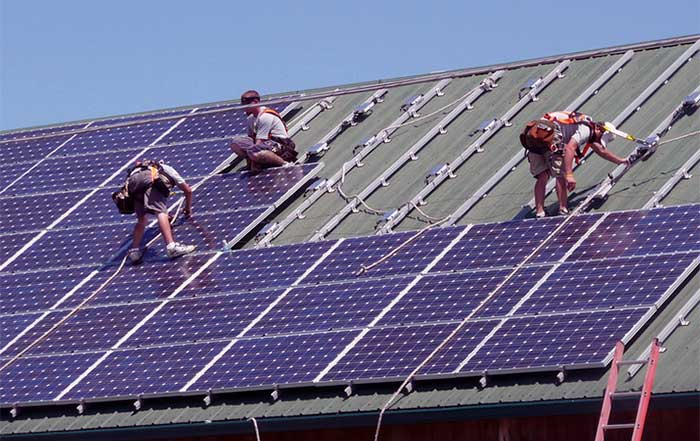
At the household level, the integration of efficient appliances, advanced building envelopes, and smart controls has moved from niche to mainstream. Data from agencies such as the U.S. Department of Energy and the International Energy Agency consistently show that the cheapest and cleanest unit of energy is the one never used, and organizations that internalize this principle are gaining a measurable advantage. The shift to LED lighting, high-efficiency HVAC systems, and demand-response technologies has become a baseline expectation rather than an aspirational goal, and forward-looking property owners are now combining these measures with on-site generation and storage to create buildings that function as active participants in the energy system rather than passive consumers.
For businesses, the conversation has broadened from operational efficiency to a holistic view of value chains, covering everything from supplier energy intensity to customer use-phase emissions. Enterprises that align their strategies with science-based targets and integrate energy performance into their sustainable business frameworks are finding that investors, regulators, and customers increasingly reward transparency and ambition. By viewing energy conservation as both a cost-management tool and a reputational asset, they create a virtuous cycle in which efficiency investments unlock capital for further innovation and decarbonization.
Mobility, Urban Design, and the Transformation of Transport
Transportation remains one of the most stubborn sources of greenhouse gas emissions, yet the sector is undergoing a profound transformation driven by technology, regulation, and changing consumer expectations. As cities around the world reconfigure streetscapes to prioritize active mobility and public transit, a new model of urban living is emerging-one in which walking, cycling, and shared mobility define the daily experience for a growing share of residents. For the You Save Our World community, this shift is not only an environmental opportunity but also a catalyst for new business models and healthier lifestyles.
The rise of electric vehicles has moved beyond early adopters, with manufacturers such as Tesla, Nissan, and General Motors now competing in a rapidly expanding market characterized by falling battery costs and improving charging infrastructure. At the same time, policy frameworks in major economies increasingly support zero-emission vehicles through incentives, mandates, and infrastructure funding, as highlighted by resources from the European Commission and the U.S. Environmental Protection Agency. Yet the true potential of decarbonized transport lies in integrating EVs with broader systems: smart grids, renewable energy, and digital platforms that optimize routing, sharing, and logistics.
Active transportation-walking, cycling, and micro-mobility-has gained renewed emphasis as urban leaders connect climate objectives with public health and livability. Well-designed cycling networks, low-emission zones, and transit-oriented development reduce congestion, lower emissions, and support local economies. For businesses, these shifts influence site selection, workforce planning, and customer access, reinforcing the need to align mobility strategies with broader climate change and sustainability objectives. Organizations that incorporate sustainable commuting programs, remote work policies, and logistics optimization are seeing tangible benefits in productivity, cost reduction, and employer branding.
Food Systems, Diet, and the Climate Impact of What We Eat
Food has emerged as one of the most powerful levers for reducing carbon footprints, yet it is also deeply intertwined with culture, livelihoods, and health. In 2026, the environmental footprint of diets is a central topic in both scientific and business circles, with a growing body of research from institutions such as the Food and Agriculture Organization of the United Nations and the World Resources Institute documenting the climate and land-use implications of different dietary patterns. For the audience of You Save Our World, this growing evidence base translates into a strategic opportunity to realign consumption with planetary boundaries while enhancing personal well-being.
Plant-forward diets-emphasizing vegetables, fruits, legumes, whole grains, nuts, and seeds-are now recognized as a practical pathway to reduce emissions, conserve water, and protect biodiversity. Businesses in the food sector, from global brands to local restaurants, are responding by diversifying menus, reformulating products, and investing in alternative proteins. Innovative companies are developing plant-based and cultivated meat products that appeal to mainstream consumers, while retailers experiment with labeling and nudges that make lower-impact choices more visible and convenient. For individuals and families exploring these shifts, resources on lifestyle choices and sustainable living can help bridge the gap between intent and daily practice.
Equally important is the restructuring of supply chains to favor regenerative and climate-smart agriculture. Practices such as cover cropping, reduced tillage, agroforestry, and integrated pest management help sequester carbon, improve soil health, and build resilience against extreme weather. Support for local and regional food systems-through community-supported agriculture, farmers' markets, and institutional procurement-further reduces transport emissions and strengthens rural economies. As organizations such as the United Nations Environment Programme emphasize, aligning food systems with environmental and social goals is pivotal to achieving global sustainability targets, and businesses that integrate these principles into sourcing and product strategy are better positioned for future regulatory and market shifts.
Circularity, Waste, and the Economics of Resource Efficiency
The concept of a circular economy has moved from theoretical frameworks to practical implementation, reshaping how companies design products and how consumers interact with goods. Instead of the traditional linear model of take-make-dispose, circular approaches focus on durability, repairability, reuse, remanufacturing, and high-quality recycling. For You Save Our World, which has long highlighted the importance of waste reduction and plastic recycling, this evolution is central to reducing carbon footprints while unlocking new economic value.
Plastics remain a critical test case. Despite ongoing challenges with collection, contamination, and economics, advances in mechanical and chemical recycling, design-for-recycling, and policy measures such as extended producer responsibility are beginning to change the trajectory. Global initiatives documented by organizations like the Ellen MacArthur Foundation showcase how brands and municipalities can redesign packaging systems, implement reuse models, and collaborate across value chains. For businesses, these changes are increasingly tied to regulatory compliance, investor expectations, and consumer trust, making robust plastics strategies a core component of modern risk management.
Beyond plastics, circular thinking is transforming sectors such as electronics, textiles, and construction. Refurbishment and remanufacturing programs extend product lifespans, while modular design and material passports facilitate repair and high-value recovery. In the built environment, circular construction practices emphasize low-carbon materials, adaptive reuse of existing structures, and design strategies that anticipate future disassembly and recovery. These developments align closely with the themes explored in You Save Our World's content on design and innovation, underlining how thoughtful material choices and system design can simultaneously reduce emissions, cut costs, and strengthen brand differentiation.
Buildings, Technology, and the Emergence of Intelligent, Low-Carbon Habitats
Buildings account for a substantial portion of global energy use and emissions, yet they also offer some of the most cost-effective opportunities for decarbonization. By 2026, the convergence of advanced materials, digital technologies, and performance-based standards has given rise to a new generation of high-efficiency, low-carbon buildings that redefine what is possible in residential and commercial real estate. For the You Save Our World audience, these trends influence everything from home renovation decisions to long-term corporate real estate strategies.
High-performance insulation, triple-glazed windows, and airtight construction techniques now form the foundation of energy-efficient building design, while heat pumps have become a central technology for decarbonizing heating and cooling in many climates. Building codes and certifications, including LEED, BREEAM, and emerging net-zero standards, guide developers and owners toward designs that minimize operational emissions and, increasingly, embodied carbon in materials. Organizations such as the World Green Building Council provide frameworks and case studies that demonstrate how these approaches can be integrated at scale, delivering both environmental and financial returns.
Digitalization further amplifies these gains. Smart thermostats, occupancy sensors, and integrated building management systems allow real-time optimization of energy use, while data analytics reveal patterns and opportunities that were previously invisible. When combined with on-site renewable energy and storage, buildings can function as flexible assets that support grid stability and generate long-term value. For households and enterprises exploring these options, You Save Our World's coverage of technology and innovation offers practical insights into how to prioritize investments, evaluate solutions, and align building strategies with broader sustainability objectives.
Corporate Strategy, Finance, and the Business Case for Decarbonization
Sustainability has moved decisively from the margins of corporate strategy to the center of boardroom agendas. Investors, regulators, and customers increasingly expect companies to articulate credible pathways to net-zero emissions, grounded in transparent data and aligned with emerging disclosure standards. For the business-focused readers of You Save Our World, this shift represents both a challenge and a rich field of opportunity, as organizations that act early and decisively can capture market share, reduce risk, and attract capital.
Global leaders such as Apple, Google, and Microsoft have set ambitious climate targets, investing heavily in renewable energy, efficiency, and low-carbon innovation. Their strategies often include long-term power purchase agreements, internal carbon pricing, and rigorous supplier engagement programs, creating ripple effects across entire industries. Financial institutions are also reshaping the landscape by integrating climate risk into lending and investment decisions, guided in part by frameworks from the Task Force on Climate-related Financial Disclosures and initiatives such as the Principles for Responsible Investment. As these practices become more widespread, companies that lag in climate performance face increased financing costs, reputational risk, and regulatory exposure.
At the same time, sustainable finance instruments-green bonds, sustainability-linked loans, and impact funds-are channeling capital toward projects that deliver measurable environmental benefits. For entrepreneurs and established firms alike, integrating decarbonization into business models is no longer a matter of corporate social responsibility; it is a strategic response to structural shifts in the economy. You Save Our World supports this transition by providing accessible analysis on how climate considerations intersect with governance, risk, and opportunity across sectors and regions.
Education, Awareness, and the Cultural Foundations of Sustainability
Lasting change depends not only on technology and regulation but also on the knowledge, values, and narratives that shape decisions at every level of society. Environmental literacy-understanding how energy systems, ecosystems, and economies interact-has become a critical competency for citizens, professionals, and leaders. In this context, You Save Our World plays a role that extends beyond information sharing; it contributes to building a culture in which environmental responsibility is seen as integral to personal identity, professional ethics, and societal progress.
Educational institutions, from primary schools to universities, are integrating sustainability across disciplines, recognizing that tomorrow's leaders in business, engineering, law, and health must understand the implications of climate and resource constraints. Initiatives highlighted by organizations such as the UNESCO Education for Sustainable Development program illustrate how curricula can connect abstract global issues with local realities and practical action. Parallel efforts in corporate training and professional development ensure that existing workforces can adapt to new technologies, regulations, and market expectations.
Public awareness campaigns, social movements, and community programs reinforce these efforts by translating complex issues into relatable stories and everyday actions. Platforms like You Save Our World, with dedicated content on environmental awareness and education, help bridge the gap between global science and local practice, making it easier for individuals and organizations to understand their role in a rapidly changing world. Through this lens, reducing carbon footprints becomes not just a technical challenge but a shared narrative about responsibility, innovation, and the kind of future society wishes to create.
Health, Well-Being, and the Human Dimension of Climate Action
An increasingly important dimension of the climate conversation is the recognition that many low-carbon choices directly enhance human health and quality of life. Cleaner air, quieter cities, safer streets, and more active lifestyles are natural co-benefits of decarbonization strategies that prioritize efficiency, active mobility, and green spaces. For the community around You Save Our World, this alignment between environmental outcomes and personal well-being provides a powerful motivation to pursue sustainable lifestyles that are not only responsible but also rewarding.
Medical and public health organizations, including the World Health Organization, have documented how reduced fossil fuel combustion lowers the burden of respiratory and cardiovascular disease, while plant-forward diets and active transportation support healthier body weight and mental health. Urban greening initiatives-parks, tree planting, and nature-based solutions-help mitigate heat islands, manage stormwater, and create restorative spaces that enhance psychological resilience. For businesses, recognizing these links opens up new avenues in employee engagement, workplace design, and community relations, as companies that invest in healthy, low-carbon environments see benefits in productivity, retention, and reputation.
By presenting sustainability as a pathway to a better quality of life rather than a narrative of sacrifice, You Save Our World helps reframe climate action as an investment in human flourishing. This perspective is particularly important for engaging broader audiences who may not be motivated primarily by environmental metrics but are deeply concerned about health, safety, and the future of their families and communities.
Global Governance, Collaboration, and the Road Ahead
The challenges of climate change, biodiversity loss, and resource scarcity are inherently global, transcending national borders and sectoral boundaries. International cooperation, informed by science and grounded in equity, remains essential to align national policies, mobilize finance, and track collective progress. Institutions such as the United Nations, supported by agreements like the Paris Agreement and ongoing climate conferences, provide frameworks within which countries can set and revise their commitments. Analytical resources from bodies such as the International Monetary Fund and the World Bank increasingly incorporate climate risk and transition pathways into economic outlooks and development strategies.
Within this global architecture, cities, regions, and businesses have emerged as critical actors, often moving faster than national governments in setting ambitious targets and implementing innovative solutions. Networks such as C40 Cities and the Global Covenant of Mayors demonstrate how local leadership can drive meaningful change, while cross-sector partnerships bring together public institutions, private companies, and civil society organizations to tackle complex challenges. The global perspective explored on You Save Our World's global and business pages underscores that effective climate action requires both local experimentation and international coordination.
As 2026 unfolds, the trajectory of global emissions will be shaped by decisions made across boardrooms, households, classrooms, and legislative chambers. Technological innovation is accelerating, policy frameworks are tightening, and public expectations are rising. Yet the outcome is not predetermined. The degree to which societies succeed in bending the emissions curve and building resilience will depend on how quickly and coherently they integrate sustainability into core systems of energy, mobility, food, buildings, finance, and culture.
For the readers and partners of You Save Our World, this moment offers both responsibility and opportunity. By engaging with the insights, tools, and perspectives shared across the platform-from practical guidance on sustainable living and plastic recycling to strategic analysis of sustainable business and global climate trends-individuals and organizations can position themselves not merely as observers but as active contributors to a low-carbon, resilient future.
Reducing carbon footprints in 2026 is no longer a peripheral project; it is a central organizing principle for modern life, business strategy, and public policy. By combining rigorous science, practical innovation, and a strong ethical compass, and by leveraging platforms such as You Save Our World to share knowledge and inspiration, societies can move beyond incremental improvements toward transformative change that safeguards both the planet and the prosperity of generations to come.
