
Sustainable Product Demand: How Conscious Choices Are Reshaping Business and the Planet
A New Era of Sustainability for Business and Society
Well sustainability has shifted from a peripheral concern to a defining force in global markets, public policy, and everyday life. Across industries and geographies, decision-makers now recognize that every product, service, and investment choice either strengthens or undermines long-term ecological stability and social well-being. For the audience of YouSaveOurWorld.com, this evolution is not an abstract trend but a lived reality that influences how they work, consume, design, and plan for the future.
What distinguishes the current phase of sustainable development is the convergence of three powerful drivers: heightened consumer awareness, rapidly advancing technology, and increasingly stringent regulatory frameworks. Together, these forces are transforming sustainability from a niche differentiator into a baseline expectation. Businesses that fail to respond risk reputational damage, regulatory penalties, and loss of market relevance, while those that lead in sustainable innovation are discovering new avenues for growth, resilience, and stakeholder trust. Readers interested in embedding these principles in their personal and professional lives can explore broader themes of sustainable living as curated by YouSaveOurWorld.com.
The Maturing Demand for Sustainable Products
The surge in demand for sustainable products that began in the late 2010s has not only persisted but matured significantly by 2026. Consumers no longer view eco-friendly attributes as a desirable bonus; instead, they increasingly see them as a prerequisite for purchase. Surveys by organizations such as McKinsey & Company and Deloitte indicate that a growing share of consumers in both developed and emerging markets actively research environmental and social impacts before buying, and many are prepared to switch brands if expectations are not met. Those who wish to understand how these shifts intersect with systemic environmental risks can review the evolving science and policy context around climate change.
This maturation is evident in the way sustainability considerations now permeate entire product categories rather than being confined to a few premium lines. In fast-moving consumer goods, fashion, electronics, mobility, and even financial services, sustainability-related performance-such as lifecycle emissions, recyclability, and ethical sourcing-has become a central dimension of competition. Governments reinforce this trend with extended producer responsibility schemes, carbon disclosure requirements, and bans or restrictions on certain high-impact materials. As a result, sustainable products are no longer merely a response to consumer preference; they are a strategic necessity in an environment where regulation, reputation, and resource constraints intersect.
Global Perspectives: Regional Convergence with Local Nuance
Although the global trajectory points toward greater sustainability, regional pathways differ in emphasis and speed. In the European Union, the Green Deal, Corporate Sustainability Reporting Directive, and circular economy action plans have established some of the world's most demanding standards for product design, packaging, and emissions disclosure. Businesses operating in this space must now treat sustainability as a core compliance and innovation challenge rather than a voluntary initiative. Those interested in policy trends can learn more about evolving regulatory frameworks via institutions such as the European Environment Agency.
In North America, market pressure and investor expectations increasingly complement regulation. Major asset managers and financial institutions, including BlackRock and Goldman Sachs, have integrated environmental, social, and governance (ESG) metrics into risk assessments and capital allocation. This shift has accelerated the flow of capital into clean technologies, low-carbon infrastructure, and sustainable product innovation. Meanwhile, in parts of Asia, Latin America, and Africa, rapid urbanization and vulnerability to climate impacts are catalyzing new models of sustainable development that prioritize resilience, resource efficiency, and inclusive growth. The global nature of these transitions underscores the relevance of a global sustainability perspective for readers seeking to understand how local choices connect to international trends.
The Evolving Sustainable Consumer: Values, Willingness to Pay, and Expectations
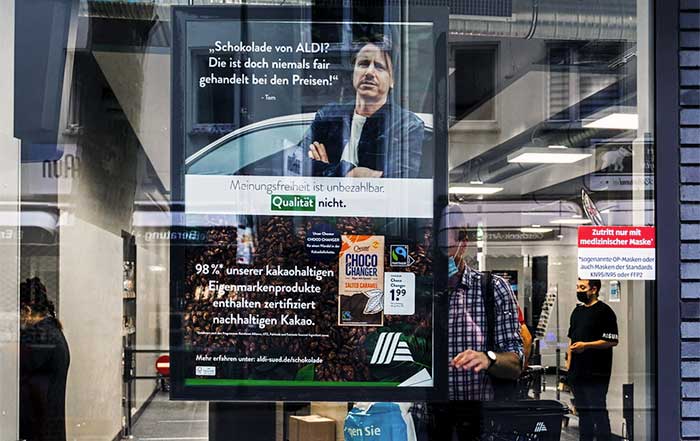
Today's sustainability-minded consumer is more informed, more demanding, and more discerning than in previous decades. While willingness to pay a premium for sustainable products remains strong in many segments, particularly among younger and higher-income demographics, the conversation has shifted from whether consumers will pay more to what they expect in return. They now look for demonstrable environmental benefits, credible certifications, transparent reporting, and alignment with broader social values such as fair labor and community impact.
This evolution places a premium on trust. Superficial or unsubstantiated claims-often described as greenwashing-are quickly identified and amplified through social media and independent review platforms. Reputational damage can be swift and severe. To build and sustain trust, leading organizations adopt rigorous measurement and disclosure frameworks, often guided by standards from bodies such as the Global Reporting Initiative (GRI) and the Sustainability Accounting Standards Board (SASB), accessible through resources like the IFRS Sustainability hub. For individuals seeking to align their purchasing behavior with these principles, YouSaveOurWorld.com's guidance on environmental awareness provides a practical foundation.
Sustainable Business as Core Strategy, Not Side Project
In 2026, sustainability is no longer a siloed function delegated to a corporate social responsibility department. Instead, it is increasingly embedded in core business strategy, risk management, product development, and capital planning. Boards and executive teams recognize that climate risk, resource scarcity, and shifting consumer preferences pose material threats and opportunities that must be managed with the same rigor as financial and operational risks.
Leading firms in sectors ranging from consumer goods to technology and heavy industry are adopting science-based targets for emissions reduction, often validated by initiatives such as the Science Based Targets initiative (SBTi), and are integrating circular economy principles into their product and packaging strategies. These companies view sustainability as a driver of innovation, differentiation, and long-term value creation. Business leaders and entrepreneurs can deepen their understanding of these shifts through the dedicated resources on sustainable business provided by YouSaveOurWorld.com, which connect global trends to concrete strategic actions.
The Transformation of Consumer Packaged Goods and Everyday Products
The Consumer Packaged Goods (CPG) sector offers a particularly vivid illustration of how sustainability reshapes entire value chains. Historically built on high-volume, resource-intensive production and linear take-make-dispose models, the industry is now reconfiguring itself around efficiency, circularity, and transparency. Large multinationals such as Unilever, Nestle, and Procter & Gamble have committed to ambitious targets for recycled content, packaging reduction, and emissions cuts, while smaller challenger brands differentiate themselves through zero-waste concepts, refill systems, and hyper-local sourcing.
This transformation requires rethinking not only materials and packaging but also logistics, product formulation, and consumer engagement. For example, concentrated products reduce transportation emissions; refillable formats encourage repeat use of durable containers; and digital tools enable consumers to trace ingredients back to origin. The broader implications for waste reduction and resource stewardship are substantial, and they align with YouSaveOurWorld.com's focus on waste reduction and responsible disposal.
Innovation, Technology, and the Circular Economy
Technological innovation is central to enabling sustainable products at scale. Advances in material science have yielded biodegradable polymers, bio-based textiles, and high-performance recycled materials that rival or surpass conventional options. At the same time, digital technologies-such as the Internet of Things, artificial intelligence, and blockchain-facilitate more efficient resource use, predictive maintenance, and traceability across complex supply chains. Those seeking to understand the intersection of sustainability and emerging technologies can explore YouSaveOurWorld.com's resources on technology and innovation and innovation.
The circular economy concept, championed by organizations like the Ellen MacArthur Foundation, has moved from theory to practice in many sectors. Businesses are designing products for disassembly, reuse, refurbishment, and high-quality recycling, thereby extending product lifespans and reducing reliance on virgin resources. Industrial symbiosis initiatives allow waste streams from one process to become inputs for another, further closing material loops. These developments not only reduce environmental impacts but also create new business models based on services, leasing, and product-as-a-service offerings.
Measuring and Managing Environmental Footprints
Robust measurement is foundational to credible sustainability claims and effective decision-making. Companies and policymakers increasingly rely on lifecycle assessment (LCA) to quantify environmental impacts from raw material extraction through manufacturing, distribution, use, and end-of-life. Tools and methodologies developed by institutions such as the UN Environment Programme and the World Resources Institute, which co-developed the widely used Greenhouse Gas Protocol, help organizations identify hotspots and prioritize interventions.
From a consumer perspective, understanding environmental footprints translates into more informed choices about materials, durability, repairability, and disposal options. For example, preferring durable, repairable products often yields lower lifetime impacts than frequently replacing cheaper alternatives, even when the initial price is higher. Similarly, choosing products made from recycled or certified sustainable materials supports markets that reward responsible sourcing and efficient resource use. Visitors to YouSaveOurWorld.com who wish to apply these principles in daily life can explore guidance on sustainable lifestyle choices.
Combatting Plastic Waste and Advancing Recycling
Plastic pollution remains one of the most visible and urgent environmental challenges. Despite progress in recycling technologies and policy interventions, global plastic production continues to rise, and mismanaged waste still contaminates oceans, soils, and food chains. In response, governments, NGOs, and businesses are intensifying efforts to reduce single-use plastics, improve collection and sorting infrastructure, and scale up advanced recycling methods.
Chemical recycling, for instance, can break plastics down to their molecular building blocks, enabling higher-quality recycled outputs and expanding the range of materials that can be recycled. However, these technologies must be evaluated carefully for energy use and emissions. Organizations such as the OECD and UNEP provide in-depth analysis of policy and technology options, including through resources available at UNEP's plastics platform. For readers who want to translate global concerns into practical action, YouSaveOurWorld.com offers focused insights on plastic recycling and strategies to reduce plastic dependence at home and at work.
Sustainable Design: From Aesthetics to Systems Thinking
Design has emerged as a critical leverage point in the sustainability transition. Decisions made at the concept and design stage often determine the majority of a product's environmental impact, influencing material choices, manufacturing processes, energy consumption, and end-of-life options. Designers are increasingly adopting systems thinking, considering not only the immediate user experience but also upstream supply chains and downstream waste streams.
Design frameworks such as cradle-to-cradle, biomimicry, and regenerative design encourage practitioners to move beyond harm reduction toward net-positive outcomes, where products and systems actively restore ecosystems and support social well-being. Institutions like the World Design Organization and leading design schools are embedding sustainability and circularity into their curricula and professional standards. For professionals and entrepreneurs seeking to align form, function, and responsibility, YouSaveOurWorld.com's perspective on sustainable design provides a useful complement to these global resources.
Education, Awareness, and Personal Well-Being
Sustainable product demand does not grow in a vacuum; it is nurtured by education, cultural narratives, and a deeper understanding of the link between planetary health and personal well-being. Schools, universities, and corporate training programs increasingly integrate sustainability into curricula, from environmental science and engineering to finance, marketing, and design. International initiatives, such as UNESCO's Education for Sustainable Development, promote competencies that enable individuals to make responsible decisions and participate in collective problem-solving.
On a personal level, many people now recognize that environmental stewardship is closely tied to mental and physical health. Access to clean air, safe water, green spaces, and resilient communities contributes directly to quality of life. Conversely, exposure to pollution, climate-related disasters, and resource conflicts undermines well-being. This holistic understanding is reflected in the growing interest in lifestyle choices that support both health and sustainability, such as active mobility, plant-rich diets, and mindful consumption. Readers can explore these intersections through YouSaveOurWorld.com's resources on education and personal well-being.
Economic Implications: Risk, Opportunity, and Resilience
From an economic perspective, the shift toward sustainable products and practices represents both a profound risk and a substantial opportunity. Companies that cling to high-carbon, resource-intensive models face stranded assets, supply chain disruptions, and reputational damage as stakeholders demand alignment with climate and biodiversity goals. At the same time, the global transition is unlocking trillions of dollars in potential value through new markets in renewable energy, energy efficiency, sustainable agriculture, green buildings, and circular materials.
Institutions such as the World Bank, International Energy Agency (IEA), and International Monetary Fund (IMF) have all highlighted the importance of aligning economic policy with climate objectives to avoid systemic financial instability. For businesses and individuals, understanding these macroeconomic dynamics helps inform investment, career, and innovation choices. YouSaveOurWorld.com supports this perspective with content on the evolving sustainable economy, connecting high-level trends to actionable strategies.
The Role of Policy, Standards, and Corporate Governance
Regulation and voluntary standards play a crucial role in translating sustainability aspirations into measurable progress. Governments increasingly employ carbon pricing mechanisms, product standards, and disclosure requirements to steer markets toward low-impact options. International agreements, such as the Paris Agreement under the UNFCCC, provide a framework for national commitments and global coordination.
At the corporate level, boards are strengthening governance structures to oversee sustainability strategy, risk, and performance. This includes integrating ESG metrics into executive compensation, establishing board-level sustainability committees, and adopting reporting standards aligned with the Task Force on Climate-related Financial Disclosures (TCFD) and its successor frameworks. Investors and rating agencies, in turn, use these disclosures to assess long-term resilience and value creation. These developments reinforce the importance of credible, decision-useful information, a principle that YouSaveOurWorld.com embraces in its mission to provide trustworthy, actionable guidance on business and sustainability.
From Individual Action to Systemic Change
While systemic transformations in energy, industry, and infrastructure are indispensable, individual and organizational choices remain powerful catalysts. Each decision to favor a durable product over a disposable one, to support a company with rigorous sustainability practices, or to advocate for stronger environmental policies contributes to a broader cultural and economic shift. Over time, these choices aggregate into market signals that influence investment flows, innovation priorities, and regulatory agendas.
The experience of the past decade demonstrates that when informed consumers, forward-looking businesses, and ambitious policymakers act in concert, change can be surprisingly rapid. Renewable energy costs have plummeted, electric vehicles have moved into the mainstream, and circular business models that once seemed experimental are becoming commercially viable. For the community engaged with YouSaveOurWorld.com, this trajectory affirms that informed engagement-grounded in credible information, thoughtful design, and a commitment to long-term well-being-can indeed help save our world.
In 2026 and beyond, the demand for sustainable products is more than a market trend; it is a manifestation of a deeper shift in values and understanding. It reflects a growing recognition that economic prosperity, technological progress, and personal fulfillment are inseparable from the health of the planet that sustains them. By continuing to explore, question, and act through platforms like YouSaveOurWorld.com, individuals and organizations alike can help ensure that sustainability becomes not just a feature of certain products, but the defining characteristic of the global economy.
