How Sustainable Practices Improve Brand Trust

Last updated by Editorial team at yousaveourworld.com on Friday 23 January 2026
Article Image for How Sustainable Practices Improve Brand Trust

How Sustainable Practices Deepen Brand Trust

Sustainability as the New Baseline for Credibility

Sustainability is no longer a progressive differentiator; it has become the baseline expectation for any organization that aspires to be taken seriously by its stakeholders. Across mature and emerging markets alike, brand trust is now evaluated through a dual lens: traditional measures such as product quality, price and service, and increasingly, the depth, integrity and consistency of a company's environmental and social performance. For the global community that turns to YouSaveOurWorld.com to explore sustainable living, sustainable business and climate change, this shift is not a theoretical development but a lived reality that shapes everyday decisions about what to buy, where to work and which organizations to support.

Regulation, investor pressure and public awareness have converged to redefine what constitutes a trustworthy brand. The implementation of the Corporate Sustainability Reporting Directive in the European Union, the ramping up of climate disclosure requirements by regulators in the United States and the United Kingdom, and the proliferation of national green taxonomies from China to South Africa have created a global environment in which opaque or superficial sustainability claims are increasingly untenable. International agreements such as the Paris Agreement, hosted by the UNFCCC at unfccc.int, and the United Nations Sustainable Development Goals continue to provide a shared framework for action, but the decisive factor for trust is how credibly individual companies translate these frameworks into measurable commitments and verifiable results.

For YouSaveOurWorld.com, which positions itself as a bridge between environmental science, business, innovation, technology and lifestyle, sustainability is not a side topic; it is the central narrative around which content, analysis and community engagement are built. The site's readers-executives, entrepreneurs, educators, policymakers and concerned citizens-seek not only information but also guidance on how to distinguish substantive sustainability performance from greenwashing and how to integrate credible practices into their own organizations and lives. In this context, brand trust emerges as a direct consequence of how convincingly a company demonstrates that its environmental and social commitments are embedded in strategy, culture and operations rather than confined to marketing communications.

From Risk Management to Strategic Differentiation

While early corporate sustainability efforts were often framed as risk management or compliance with environmental regulations, by 2026 leading organizations increasingly treat sustainability as a core driver of competitive advantage and a primary engine of brand trust. Analyses from McKinsey & Company, available at mckinsey.com, and from Deloitte at deloitte.com, have consistently shown that companies with robust environmental, social and governance performance tend to enjoy lower cost of capital, stronger resilience to shocks and greater customer loyalty. These findings have been reinforced by investor coalitions that integrate climate and nature-related risks into portfolio decisions, making sustainability performance a determinant of access to capital as well as market reputation.

Trust is central to this strategic reframing. In an era where stakeholders can cross-check corporate claims against independent data, satellite imagery, investigative journalism and NGO assessments within minutes, credibility cannot be manufactured through messaging alone. It must be earned through the coherence between what a brand promises and what it delivers, year after year. Policy initiatives such as the EU Green Deal, described on europa.eu, and climate disclosure frameworks in jurisdictions like Japan, Canada and Singapore have raised expectations that environmental performance data should be standardized, comparable and subject to external scrutiny. Brands that respond proactively by setting science-based targets, publishing detailed transition plans and openly discussing trade-offs signal to stakeholders that they are prepared to be judged on substance rather than rhetoric.

For organizations that engage with the audience of YouSaveOurWorld.com, sustainable practices are increasingly recognized as foundational to long-term brand equity. When companies demonstrate verifiable reductions in emissions, meaningful progress on waste minimization, credible plastic recycling programs or regenerative approaches to land use and water stewardship, they show alignment with the environmental values that the site's readers hold. This alignment fosters an emotional and rational confidence that the brand understands both planetary limits and stakeholder expectations, thereby strengthening trust in its long-term viability and integrity.

Evolving Stakeholder Expectations in a Climate-Constrained World

Stakeholder expectations in 2026 are shaped by lived experience of climate impacts, resource constraints and social inequality. Wildfires, floods, heatwaves and biodiversity loss are no longer distant projections but immediate realities that affect supply chains, insurance markets, public health and everyday life. As a result, stakeholders in different regions bring increasingly nuanced and context-specific expectations to their evaluation of corporate behavior, and these expectations are directly linked to perceptions of trust.

Consumers in North America and Europe routinely consult independent sources such as Consumer Reports, at consumerreports.org, and advocacy organizations like Greenpeace, at greenpeace.org, to verify product claims and corporate track records. In the European Union, the European Environment Agency, accessible at eea.europa.eu, provides data on emissions, air quality and environmental trends that inform public debate and shape consumer sentiment. In Asia, where air pollution, water scarcity and extreme weather events are highly visible, citizens and local communities pay close attention to how companies manage emissions, water use and land impacts, and whether they contribute to or alleviate local environmental pressures.

Employees, especially younger professionals, increasingly regard an employer's sustainability performance as a proxy for its overall ethics and future resilience. Many use platforms such as Glassdoor, at glassdoor.com, and sustainability rankings to assess whether a company's internal culture aligns with its external messaging. Investors rely on frameworks such as the Task Force on Climate-related Financial Disclosures, detailed at fsb-tcfd.org, and emerging nature-related disclosure standards to evaluate the credibility of corporate transition plans. Communities and regulators scrutinize not only headline commitments but also local impacts, from pollution control to labor practices and community engagement.

For the global readership of YouSaveOurWorld.com, understanding these differentiated expectations is essential to navigating the complex landscape of modern brand trust. The site's coverage of global sustainability perspectives helps readers recognize that what counts as responsible behavior in one region may be insufficient in another, and that truly trustworthy brands are those that tailor their sustainability strategies to the specific environmental and social realities of the communities in which they operate, while maintaining a coherent global vision aligned with climate science and human rights principles.

Experience: Making Sustainability Tangible in Daily Operations

Brand trust is ultimately grounded in experience: what stakeholders see, feel and encounter when they interact with an organization. In sustainability, this means that trust is built not only through formal reports and commitments but through the everyday manifestations of those commitments in products, services, facilities and interactions. A company that claims to prioritize sustainability but offers disposable, non-recyclable packaging, energy-inefficient facilities and opaque supply chains quickly undermines its own credibility, whereas a brand whose sustainability narrative is reflected consistently in the details of its operations earns trust incrementally, interaction by interaction.

Operational choices provide some of the clearest signals. Organizations that adopt energy-efficient building standards such as LEED, administered by the U.S. Green Building Council at usgbc.org, or follow guidance from the International Energy Agency, available at iea.org, on energy management and decarbonization pathways, demonstrate that they are serious about reducing their environmental footprint while managing long-term costs. When customers, employees or partners visit facilities powered in part by renewables, designed for natural light and ventilation, or equipped with visible waste-sorting and water-conservation systems, they experience sustainability as a concrete reality rather than an abstract promise.

Product and service design is equally critical. Brands that invest in durability, reparability and circularity, that minimize toxic substances and that provide clear, honest guidance on end-of-life options enable customers to participate in sustainable behavior without friction. On YouSaveOurWorld.com, discussions around plastic recycling and circular packaging show how companies that eliminate unnecessary plastics, design for recyclability and collaborate with local recycling infrastructures help close material loops and reduce environmental harm. This alignment between corporate practice and individuals' desire to live more responsibly strengthens trust by demonstrating that the brand respects its customers' values and is willing to shoulder part of the systemic challenge rather than shifting responsibility entirely onto consumers.

Sustainable experiences also intersect with personal well-being. Cleaner air, safer materials, healthier workplaces and more equitable supply chains contribute to both planetary and human health. Brands that can credibly show, for example, that their decarbonization efforts improve local air quality, that their sourcing practices support fair wages and safe working conditions, or that their product design reduces exposure to harmful chemicals, create a deeper form of trust that connects environmental responsibility with tangible benefits for individuals and communities.

Expertise: Demonstrating Depth of Knowledge and Capability

In 2026, stakeholder skepticism about superficial sustainability claims has made expertise a central pillar of brand trust. Companies are no longer judged solely on whether they have a sustainability department, but on the depth of technical knowledge, scientific grounding and cross-functional capability that supports their environmental and social strategies. A brand's credibility depends on whether it can explain, in detail, how it measures its emissions, manages its supply chain risks, evaluates trade-offs and updates its approach in light of new evidence.

Organizations that anchor their strategies in authoritative science and standards signal seriousness and competence. Many draw on the work of the Intergovernmental Panel on Climate Change, whose assessments at ipcc.ch provide the scientific basis for understanding climate risks and mitigation pathways, and on environmental management frameworks from ISO, available at iso.org. By aligning targets with 1.5°C pathways, conducting robust life-cycle assessments and incorporating climate and nature-related risks into enterprise risk management, companies demonstrate that their actions are informed by rigorous analysis rather than intuition or public relations considerations.

Building internal expertise is equally important. Leading organizations invest in training programs that equip employees across functions-finance, procurement, product development, marketing and operations-with the knowledge needed to integrate sustainability into daily decision-making. Many leverage open courses and research from institutions such as MIT, at mit.edu, and Stanford University, at stanford.edu, to deepen understanding of energy systems, circular economy models and climate policy. This diffusion of expertise reduces the risk of inconsistent or contradictory actions and helps ensure that sustainability is not siloed but embedded throughout the organization.

For the audience of YouSaveOurWorld.com, which places a strong emphasis on education as a driver of systemic change, demonstrable expertise is a key criterion for trust. Articles that unpack complex topics such as carbon accounting, eco-design, sustainable finance or climate risk modeling enable readers to evaluate corporate claims more critically and to build their own capabilities. In turn, this more informed stakeholder base raises expectations for corporate transparency and performance, creating a feedback loop in which brands must continually strengthen their expertise to maintain trust.

Authoritativeness: Leading Standards, Markets and Conversations

Authoritativeness in sustainability arises when organizations move beyond compliance and incremental improvement to shape standards, markets and public discourse. Brands perceived as authorities do not merely follow emerging norms; they help define them, often at some commercial or organizational risk in the short term, in order to align their business models with long-term planetary and societal needs. This willingness to lead, rather than simply to conform, is a powerful signal of authenticity and commitment that deepens trust.

Many of the most trusted brands in 2026 anchor their climate strategies in the Science Based Targets initiative, described at sciencebasedtargets.org, and set net-zero targets that include not only direct operations but also value chain emissions, backed by detailed interim milestones. Others commit to the principles of the UN Global Compact, at unglobalcompact.org, or to sector-specific alliances that aim to decarbonize industries such as shipping, aviation, steel and cement. By subjecting themselves to external validation and peer comparison, these companies signal that they are prepared to be held accountable against ambitious, science-aligned benchmarks.

Authoritativeness is also cultivated through thought leadership and transparent knowledge-sharing. When executives and experts publish detailed case studies, transition plans and lessons learned in platforms such as Harvard Business Review, at hbr.org, or participate in multi-stakeholder dialogues convened by organizations like the World Economic Forum, at weforum.org, they contribute to a broader ecosystem of learning and standard-setting. This visibility, when matched by credible performance data, positions their brands as reference points for peers, regulators and investors seeking models of effective sustainability integration.

For YouSaveOurWorld.com, which explores the intersection of sustainability, economy, design and innovation, showcasing authoritative practices is part of its mission to elevate the quality of global environmental discourse. By analyzing how leading organizations redesign business models, supply chains and product portfolios in response to climate and resource constraints, the platform reinforces its own authoritativeness as a trusted source of insight, while helping readers understand what genuine leadership looks like in practice and how it can be replicated or adapted in their own contexts.

Trustworthiness: Transparency, Accountability and the End of Greenwashing

Trustworthiness in sustainability is ultimately determined by the alignment between words and actions, and by the degree of transparency and accountability that an organization is willing to accept. In 2026, stakeholders are increasingly adept at identifying inconsistencies and exaggerations, and regulators have become more proactive in addressing deceptive environmental claims. As a result, greenwashing is not only an ethical failing but a significant legal and reputational risk, and brands that wish to be trusted must embrace a level of openness that would have been unthinkable a decade ago.

Organizations such as Carbon Disclosure Project, at cdp.net, continue to play a key role in collecting and benchmarking environmental data from thousands of companies, enabling investors and civil society to compare performance across sectors and regions. Reporting frameworks like the Global Reporting Initiative, accessible at globalreporting.org, provide structured approaches to disclosing environmental and social impacts, while guidance from the OECD, at oecd.org, influences emerging norms around responsible business conduct and due diligence. Regulators in the European Union, the United States, the United Kingdom and other jurisdictions have intensified scrutiny of environmental marketing claims, issuing guidelines and enforcement actions that penalize vague, unsubstantiated or misleading statements.

Trustworthy brands respond by publishing comprehensive, integrated sustainability reports that include both achievements and shortcomings, by engaging independent auditors and assurance providers, and by making methodologies, assumptions and data sources available for scrutiny. When errors are identified or targets are missed, they communicate openly about the causes and the corrective actions being taken. This willingness to confront complexity and imperfection, rather than offering only polished narratives, signals to stakeholders that the organization values truth over image.

The community around YouSaveOurWorld.com, which engages with topics such as environmental awareness, climate change and waste, expects this level of transparency as a prerequisite for trust. By highlighting both exemplary practices and common pitfalls, the platform encourages readers to interrogate corporate claims, seek third-party verification and pay attention to governance structures and incentive systems that shape sustainability outcomes. In doing so, it contributes to an environment in which trust is earned through verifiable performance, and in which superficial or misleading claims are increasingly challenged and corrected.

Innovation and Technology as Enablers of Trusted Sustainability

Innovation and technology play a dual role in the relationship between sustainability and brand trust. On one hand, digital tools, advanced materials and new business models enable more efficient resource use, more accurate measurement of impacts and more transparent supply chains, thereby supporting credible sustainability performance. On the other hand, rapid technological change raises new ethical questions about data privacy, labor conditions in digital supply chains and the environmental footprint of hardware and infrastructure, all of which influence trust.

Data analytics, Internet of Things devices and blockchain-based traceability systems are now widely used to monitor emissions, track resource flows and verify the provenance of materials. Examples include traceable recycled plastics, low-carbon building materials and responsibly sourced agricultural commodities, where digital ledgers and sensor data can provide stakeholders with a level of visibility that was previously impossible. Organizations such as World Resources Institute, at wri.org, and the Ellen MacArthur Foundation, at ellenmacarthurfoundation.org, document how circular economy innovation and digital tools are reshaping sectors ranging from packaging and textiles to electronics and mobility.

However, technological sophistication alone does not guarantee trust. Stakeholders expect organizations to govern their use of technology responsibly, ensuring data security, avoiding algorithmic bias, protecting labor rights in digital and gig-economy supply chains, and addressing the energy consumption and e-waste associated with data centers and devices. Brands that combine technological innovation with clear ethical frameworks, transparent reporting and stakeholder engagement demonstrate that they appreciate both the opportunities and the responsibilities that digital transformation entails.

For readers of YouSaveOurWorld.com, the connection between technology, innovation and sustainability is a recurring theme. The platform's analyses show that trusted brands are those that use technology not as a veneer for unsustainable practices but as a tool to solve real environmental and social challenges, to empower consumers with better information and to enable new forms of circular and low-carbon business models. This perspective reinforces the idea that innovation, when guided by clear environmental and social objectives, can be a powerful accelerator of both sustainability outcomes and brand trust.

Integrating Sustainability into Lifestyle, Economy and Well-Being

As sustainability concerns have moved from the margins of policy debates into everyday life, brand trust is increasingly shaped by how convincingly companies connect their environmental and social commitments to the lived experience of individuals and communities. Consumers in cities from New York and Toronto to Berlin, Singapore are not only asking whether a product is low-carbon or recyclable; they are also asking whether it contributes to a healthier, more equitable and more fulfilling way of living. This convergence of sustainability, lifestyle and well-being is central to the editorial perspective of YouSaveOurWorld.com, which explores how choices in housing, mobility, nutrition, fashion and leisure influence both personal health and planetary boundaries.

Health institutions such as the World Health Organization, at who.int, have underscored the links between environmental quality and public health, from air pollution and cardiovascular disease to climate-related heat stress and mental health impacts. Research published in outlets like The Lancet, at thelancet.com, has strengthened the concept of planetary health, emphasizing that human well-being ultimately depends on stable climate systems, biodiversity and resilient ecosystems. Brands that can show how their products, services and operations support cleaner air and water, more active and low-carbon lifestyles, healthier diets or more resilient communities build trust not only as responsible corporate actors but as partners in individuals' pursuit of a good life.

The readership of YouSaveOurWorld.com, which actively engages with lifestyle, economy and personal well-being, tends to favor brands that integrate sustainability into holistic value propositions. These are companies that design products for longevity and repair, that support local suppliers and communities, that enable low-carbon mobility and housing solutions, and that communicate honestly about the environmental and social implications of their offerings. When individuals see that a brand's sustainability efforts resonate with their own aspirations-to live healthily, responsibly and meaningfully-they are more likely to extend trust and loyalty, viewing the brand as an ally rather than merely a vendor.

Conclusion: Sustainability as the Foundation of Enduring Brand Trust

By 2026, the connection between sustainable practices and brand trust has become both clearer and more demanding. Organizations are judged not only on whether they acknowledge climate change, resource constraints and social inequality, but on how deeply and consistently they integrate these realities into strategy, governance, operations and culture. Brands that demonstrate experience through tangible sustainable operations, expertise grounded in science and robust internal capabilities, authoritativeness in setting and shaping standards, and trustworthiness through transparency and accountability are better positioned to earn and maintain the confidence of customers, employees, investors, regulators and communities.

For YouSaveOurWorld.com, this evolving landscape is both subject matter and guiding context. The platform's focus on sustainable living, sustainable business, environmental awareness, innovation and global perspectives reflects a conviction that credible sustainability is now inseparable from credible brand identity. By curating insights from leading institutions, analyzing real-world corporate practices and connecting systemic challenges to everyday decisions, the site provides its audience with tools to evaluate trust and to shape more responsible organizations and lifestyles.

As climate impacts intensify, biodiversity loss accelerates and social expectations rise, the brands that will endure are those that treat sustainability not as a marketing theme but as an expression of their core purpose and values. They will be the organizations that welcome scrutiny, invest in continuous learning, collaborate across sectors and geographies, and place long-term planetary and human well-being at the center of their strategies. In doing so, they will not only help to safeguard the natural systems on which economies and societies depend, but also earn the enduring trust of stakeholders who increasingly understand that their own futures are inseparable from the health of the world they share.

For the readers, contributors and partners of YouSaveOurWorld.com, the implication is straightforward: in a rapidly changing global economy, sustainable practices are not merely ethically desirable; they are foundational to building the resilient, credible and trustworthy brands that can lead the transition to a more sustainable and equitable future.
Practical Recycling Tips for Homes and Offices

Last updated by Editorial team at yousaveourworld.com on Friday 23 January 2026
Article Image for Practical Recycling Tips for Homes and Offices

Practical Recycling Strategies for Homes and Offices

Recycling in a Decisive Decade for Climate and Resources

Recycling has moved from being a symbolic environmental gesture to a strategic capability for households and organizations that wish to remain resilient in a world defined by climate risk, resource volatility and rapid regulatory change. Across North America, Europe, Asia, Africa and South America, families, entrepreneurs and corporate leaders are reassessing how they consume, design, reuse and recover materials, recognizing that waste is no longer an inevitable by-product of progress but a design and management failure that can, and must, be corrected. For the global community that turns to YouSaveOurWorld.com as a trusted guide on sustainable living, responsible business and personal well-being, practical recycling has become one of the most visible and measurable expressions of a circular mindset that aligns daily decisions with long-term planetary boundaries.

The shift from a linear "take-make-dispose" model to a circular economy continues to be championed by institutions such as the Ellen MacArthur Foundation, whose work on circular design and systems thinking has influenced policy makers, multinational corporations and startups alike. At the same time, climate science synthesized by the Intergovernmental Panel on Climate Change underscores that reducing material extraction and energy-intensive production is indispensable if the world is to stay close to the temperature goals embedded in the Paris Agreement. In this context, the editorial mission of YouSaveOurWorld.com is to translate complex global frameworks into clear, actionable guidance, connecting practical recycling in kitchens, offices and supply chains with the broader themes of sustainable living, climate mitigation, economic resilience and human health.

How Modern Recycling Systems Work in 2026

For recycling to deliver on its environmental and economic promise, households and organizations need a realistic understanding of how contemporary recycling systems function, where they perform well and where their limitations persist. Over the last several years, municipalities in the United States, Canada, the United Kingdom, Germany, the Nordic countries, Australia and across the European Union have upgraded their collection and sorting infrastructure, integrating optical scanners, AI-guided robotics and advanced data analytics into material recovery facilities. Agencies such as the U.S. Environmental Protection Agency and the European Environment Agency now publish increasingly granular data on recycling rates, contamination levels and regional performance, enabling both households and businesses to align their practices with local realities rather than assumptions.

Yet the economics and logistics of recycling remain uneven, particularly in rapidly urbanizing regions of Africa, South Asia and Latin America, where formal infrastructure often coexists with extensive informal waste-picking networks. Since China and several other Asian economies tightened import standards for scrap materials in the late 2010s and early 2020s, many exporting countries have invested in domestic processing capacity and quality control, but markets for low-value, mixed or contaminated recyclables are still fragile. International organizations such as the OECD and the World Bank document how policy instruments, from landfill taxes to extended producer responsibility schemes, are reshaping incentives across continents. For readers of YouSaveOurWorld.com, this global perspective complements the site's practical guidance on waste and global sustainability, reinforcing the message that clean, correctly sorted materials are far more likely to become valuable feedstock rather than stranded waste.

Building a High-Performing Home Recycling System

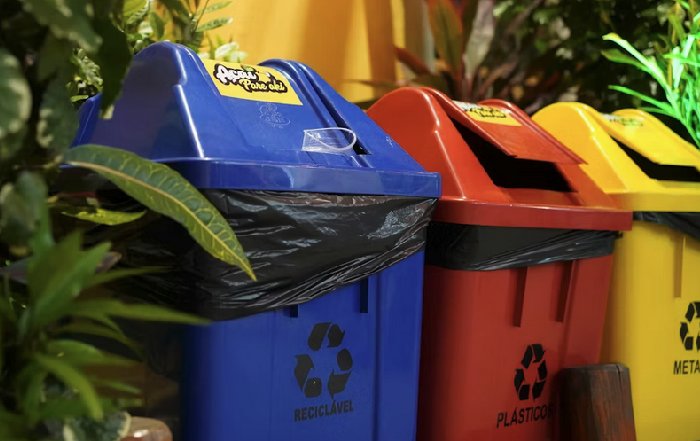
In homes ranging from compact apartments in Tokyo and Singapore to suburban houses in Canada, Spain, South Africa or Brazil, successful recycling systems share three core attributes: clarity, convenience and consistency. Clarity begins with understanding local rules, which can differ markedly even within the same country. Municipal portals, national guidance such as the UK Government's recycling information, and regional apps increasingly provide detailed lists of accepted materials, preparation requirements and collection schedules. Translating these rules into clearly labeled, strategically placed containers in kitchens, utility rooms and entryways helps households avoid one of the most common pitfalls: contamination caused by confusion.

Convenience is achieved when sorting aligns with daily routines rather than adding friction to them. Many households now maintain separate containers for paper near workspaces, for glass and metals near food preparation areas, and for deposit-return bottles where such systems exist. Labels that list both accepted and non-accepted items, supported by simple visual cues, reduce hesitation and errors, especially for children, guests or new housemates. Consistency comes from establishing habits, such as rinsing containers immediately after use and flattening cardboard to save space, which over time become automatic. On YouSaveOurWorld.com, the sections on sustainable living and lifestyle place these practical steps within a broader approach to home sustainability, connecting recycling to energy efficiency, water conservation and more mindful purchasing decisions.

Making Sense of Plastic Recycling at the Household Level

Among all material streams, plastics remain the most challenging for many households, not only because of the diversity of polymers and product formats but also due to frequent changes in local acceptance rules. By 2026, curbside systems in much of Europe, North America, parts of Asia and Oceania generally accept PET and HDPE packaging, while polypropylene collection is expanding and more complex items such as multi-layer films, expanded polystyrene and certain composites still require specialized drop-off or are not recyclable at scale. Learning to recognize basic resin identification codes and, more importantly, to follow local guidance rather than relying solely on symbols, is a key step toward effective participation.

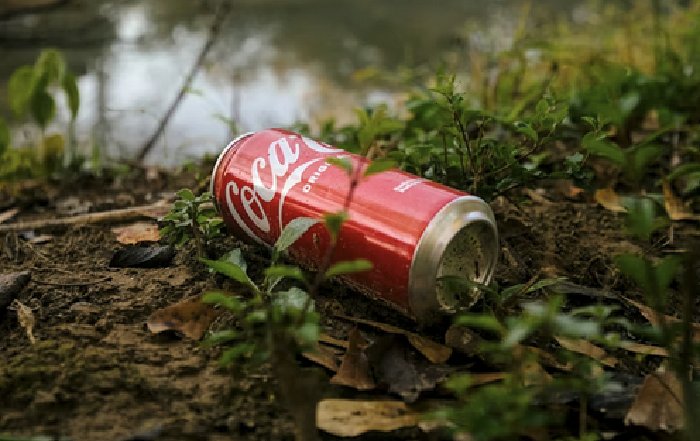
The practice of "wishcycling," where residents place questionable plastics into the recycling bin in the hope they will be processed, continues to be a major source of contamination that can downgrade or even ruin entire batches of otherwise recyclable material. Industry associations and initiatives, including Plastic Recyclers Europe and the Plastics Industry Association, have expanded their communication efforts to clarify which plastics have robust end markets and where innovation is emerging, such as advanced sorting, chemical recycling and refill or reuse systems. On YouSaveOurWorld.com, the dedicated guidance on plastic recycling translates this technical and market information into regionally relevant advice, helping readers in countries from the Netherlands and Norway to Malaysia and Chile choose products with simpler, more recyclable packaging, avoid unnecessary single-use plastics and dispose of unavoidable plastics through the most responsible available channels.

Designing Office Recycling Systems that People Actually Use

In offices from New York and Toronto to London, Berlin, Singapore, Sydney and Johannesburg, the gap between a recycling policy and actual performance is often determined less by technology and more by organizational design and culture. High-performing office recycling systems begin with a careful mapping of waste streams, including paper and cardboard, various plastics, metals, glass, food waste, coffee grounds, single-use service ware, e-waste and confidential documents. Instead of relying on individual desk-side bins that encourage indiscriminate disposal, many organizations now adopt centralized sorting stations in break rooms, print areas and corridors, where clear signage and standardized containers guide employees toward correct choices.

Leadership plays a decisive role in transforming recycling from a peripheral facilities issue into a core element of corporate responsibility. When senior executives visibly participate, when facilities and sustainability teams share progress data and when goals for waste reduction and recycling are integrated into broader environmental, social and governance strategies, participation rates typically rise and contamination falls. The sustainable business and business sections of YouSaveOurWorld.com explore how recycling programs can support brand positioning, regulatory compliance and operational efficiency. External networks such as the World Business Council for Sustainable Development and disclosure platforms like CDP provide frameworks that help organizations link office and operational waste performance to climate targets, resource efficiency metrics and stakeholder expectations, thereby elevating recycling from a facility-level consideration to a boardroom priority.

Embedding Recycling in a Broader Circular Business Strategy

By 2026, leading companies in sectors as diverse as technology, consumer goods, automotive, construction and finance increasingly treat recycling as one element in a comprehensive circular economy strategy that spans product design, supply chain management and end-of-life stewardship. Corporations such as Unilever, Microsoft and IKEA have publicized commitments to increase recycled content in products and packaging, reduce waste to landfill and support closed-loop systems that recover materials from customers and operations. These efforts are often aligned with global frameworks such as the UN Global Compact and the Science Based Targets initiative, which encourage businesses to set measurable, time-bound goals for emissions, resource use and social impact.

For small and medium-sized enterprises in regions from Scandinavia and the Baltics to South Africa, India and Latin America, practical recycling can be an accessible entry point into circular thinking, prompting deeper questions about product lifecycles, service-based business models and collaboration with suppliers and customers. Analyses from the World Economic Forum and the International Labour Organization illustrate how circular practices can create new employment opportunities in repair, remanufacturing and materials recovery while reducing exposure to volatile commodity prices and supply disruptions. Within this evolving landscape, YouSaveOurWorld.com positions recycling as a bridge between environmental responsibility and economic strategy, particularly through its focus on economy and innovation, where readers can explore how waste reduction initiatives often translate into cost savings, risk mitigation and competitive differentiation.

Managing E-Waste and Technology Lifecycles Responsibly

The proliferation of digital devices in both homes and offices has elevated electronic waste to one of the fastest-growing and most complex waste streams worldwide. Smartphones, laptops, monitors, printers, routers, wearables and a growing array of smart home and industrial devices contain valuable metals such as gold, copper and rare earth elements alongside hazardous substances that require careful handling. International agreements coordinated under the Basel Convention and research from the Global E-waste Statistics Partnership highlight not only the environmental and health risks of informal e-waste processing but also the substantial economic value that is currently lost when devices are discarded or improperly dismantled.

For households in technologically advanced economies, responsible e-waste management begins with extending device lifespans through repair, software updates and reuse, then turning to certified collection schemes when products genuinely reach end of life. Manufacturers and retailers increasingly offer take-back programs, sometimes mandated by extended producer responsibility regulations, while data protection requirements have elevated the importance of secure data wiping before devices leave homes or offices. Organizations can formalize these practices through periodic e-waste drives, asset inventories and procurement policies that prioritize repairability and modular design. On YouSaveOurWorld.com, the technology and innovation pages examine how responsible technology use, from procurement to disposal, supports environmental objectives, circular resource flows and digital security in an increasingly connected economy.

Connecting Recycling to Climate Action and Environmental Awareness

Although recycling is often discussed in municipal or operational terms, its implications extend deeply into climate policy, land use and ecosystem integrity. By substituting recycled materials for virgin inputs, effective recycling reduces emissions associated with extraction, processing and transportation, particularly in energy-intensive sectors such as metals, plastics, paper and glass. Analyses by the International Energy Agency and the UN Environment Programme demonstrate that material efficiency and circular economy strategies are essential complements to renewable energy deployment and energy efficiency if global climate goals are to remain within reach. For the audience of YouSaveOurWorld.com, the climate change and environmental awareness sections situate recycling within a portfolio of climate solutions that also includes clean energy, nature-based solutions and behavioral change.

Recycling also serves as a powerful educational and cultural tool. When sorting stations are visible in homes, schools, offices, public buildings and transport hubs, they act as daily prompts that encourage people to reflect on resource use and waste generation. Educational systems in countries such as Finland, Denmark, Singapore and New Zealand have integrated waste, materials and circular economy concepts into curricula, recognizing that early exposure shapes lifelong habits and civic engagement. Global initiatives like UNESCO's Education for Sustainable Development reinforce this trend by promoting pedagogical approaches that link environmental issues to social and economic dimensions. Through its dedicated education content, YouSaveOurWorld.com extends this mission into the digital space, offering readers practical tools to translate abstract sustainability concepts into everyday decisions, including how they manage materials at home and at work.

Designing Spaces and Products that Enable Recycling

Design decisions, whether in buildings, interiors, products or packaging, profoundly influence whether recycling is technically feasible and behaviorally easy. In the built environment, architects and interior designers in cities such as Zurich, Stockholm and Singapore increasingly integrate dedicated waste and recycling rooms, chutes and storage spaces into residential and commercial projects, guided by green building standards from organizations such as the U.S. Green Building Council and BRE in the United Kingdom. These standards often reward projects that facilitate source separation, allocate sufficient space for recyclables and provide intuitive signage, recognizing that infrastructure and human behavior are inseparable components of effective resource management.

At the product level, design-for-recycling principles are gradually moving from niche practice to mainstream expectation. Simplifying material combinations, avoiding problematic additives and inks, and clearly indicating recyclability on labels are now recognized as essential steps in enabling downstream recovery. Initiatives such as the Ellen MacArthur Foundation's New Plastics Economy have catalyzed collaborations among brands, suppliers and recyclers to standardize formats and improve compatibility with existing systems, while regulators in the European Union and beyond are embedding eco-design requirements into legislation. For readers of YouSaveOurWorld.com, the design and sustainable business sections highlight how design choices made in boardrooms and studios ultimately determine whether households and offices can recycle materials efficiently, reinforcing the idea that design is a strategic lever for circularity rather than a purely aesthetic concern.

Recycling, Lifestyle Choices and Personal Well-Being

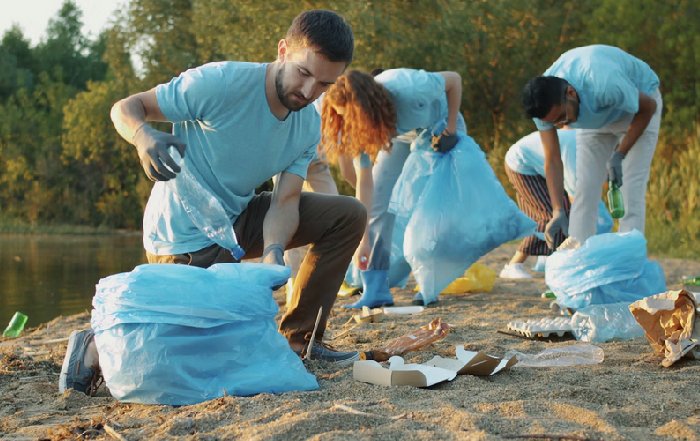
Beyond its environmental and economic dimensions, recycling has a personal and psychological aspect that resonates strongly with individuals seeking coherence between their values and their daily actions. In homes across France, Italy, Spain, the Netherlands, Brazil, Malaysia and many other countries, practices such as separating recyclables, choosing products with minimal or recyclable packaging, participating in local repair cafes or community clean-ups, and discussing environmental topics with children contribute to a sense of agency in the face of large-scale challenges such as climate change, biodiversity loss and pollution. Research summarized by organizations like the American Psychological Association suggests that when pro-environmental behaviors are embedded in a broader narrative of constructive engagement, they can help reduce eco-anxiety and foster a sense of purpose and connection.

The editorial perspective of YouSaveOurWorld.com explicitly recognizes the link between environmental action and personal well-being, and its content on personal well-being and lifestyle emphasizes that practical recycling can be integrated with mindful consumption, healthier living and community involvement. In high-pressure corporate environments from New York and London to Hong Kong and Tokyo, well-designed workplace sustainability initiatives, including visible and effective recycling programs, can strengthen social cohesion, enhance a shared sense of mission and contribute to a more positive organizational culture. This, in turn, can support employee engagement, mental health and retention, demonstrating that recycling is not only about bins and materials but also about how people experience their roles as citizens and professionals.

Continuous Improvement: From 2026 and Beyond

As 2026 unfolds, it is evident that neither households nor organizations can treat recycling as a static checklist item. New materials, from bioplastics to composite packaging, are entering the market; regulatory frameworks are tightening in regions from the European Union to parts of Asia and Latin America; and technological advances in sorting and processing are creating new opportunities and constraints. A culture of continuous improvement is therefore essential. For homes, this might mean periodically revisiting local guidance, updating labels, involving children in learning about new materials and tracking progress informally. For offices, it may involve auditing waste streams, refreshing signage, training new staff, engaging suppliers and integrating performance indicators into sustainability reporting.

For the worldwide audience of YouSaveOurWorld.com, spanning North America, Europe, Asia, Africa and South America, this commitment to ongoing learning and adaptation mirrors the site's own editorial philosophy. By connecting everyday recycling decisions with broader themes such as climate change, sustainable business, technology, innovation and global sustainability, the platform invites readers to see themselves as active participants in a global transition toward a circular, low-carbon economy. Macro-level insights from organizations like the World Resources Institute and the UN Environment Programme provide valuable context, but it is the translation of those insights into concrete actions in homes, offices and communities that ultimately determines outcomes.

By embracing practical recycling strategies and continuously refining systems at both domestic and organizational levels, people and businesses in the United States, the United Kingdom, Germany, Canada, Australia, France, Italy, Spain, the Netherlands, Switzerland, China, Sweden, Norway, Singapore, Denmark, South Korea, Japan, Thailand, Finland, South Africa, Brazil, Malaysia, New Zealand and many other countries can contribute to a more resilient, equitable and healthy world. In doing so, they affirm the central message that underpins YouSaveOurWorld.com: that informed choices, grounded in expertise, guided by trust and replicated across millions of homes and workplaces, can collectively shift economies and cultures toward sustainability, proving that practical actions such as recycling are foundational steps in the effort to save our world.

Environmental Awareness Through Responsible Consumption

Last updated by Editorial team at yousaveourworld.com on Friday 23 January 2026
Article Image for Environmental Awareness Through Responsible Consumption

Environmental Awareness and Responsible Consumption in 2026: A Strategic Lens for Business and Society

Environmental Awareness as a Core Strategic Imperative

By 2026, environmental awareness has become firmly embedded in the strategic vocabulary of global business, public policy, and forward-looking households, moving far beyond the rhetoric of corporate social responsibility into the realm of hard risk management, innovation, and long-term value creation. Climate volatility, resource scarcity, and growing regulatory complexity are no longer hypothetical scenarios but everyday operating conditions for organizations across continents, and in this context responsible consumption has emerged as a decisive factor shaping competitiveness, access to capital, and brand trust. The mission of YouSaveOurWorld.com is intertwined with this shift, positioning the platform as a dedicated space where decision-makers and citizens alike can understand how their choices-whether in procurement, product design, investment, or lifestyle-directly influence environmental outcomes, social stability, and economic resilience.

Environmental awareness in 2026 is best understood as a systems-level competence: the ability to recognize how production and consumption patterns interact with planetary boundaries, climate feedbacks, and human health, and to translate that understanding into practical decisions. Assessments from the Intergovernmental Panel on Climate Change (IPCC) and the United Nations Environment Programme (UNEP) continue to underline that current trajectories of material throughput, energy use, and waste generation remain misaligned with the objectives of limiting global warming and halting biodiversity loss. At the same time, consumers and stakeholders in major markets such as the United States, United Kingdom, Germany, Canada, Australia, and the Nordic countries increasingly expect transparency on carbon footprints, supply-chain impacts, and product end-of-life pathways, compelling companies to integrate environmental considerations into every stage of their value chains.

Within this evolving landscape, YouSaveOurWorld.com is designed as a practical guide rather than a theoretical manifesto, connecting environmental awareness to tangible themes such as sustainable living, climate change, and sustainable business. By doing so, the platform aims to support readers who are looking for credible, business-relevant insights that can be applied in boardrooms, public institutions, and households, while reinforcing the principle that informed choices at every level can cumulatively alter the global environmental trajectory.

The Global Context in 2026: Climate Pressure, Resources, and Consumption

The global context for responsible consumption in 2026 is framed by the growing urgency of meeting the commitments of the Paris Agreement (UNFCCC) and the increasingly visible costs of climate inaction. Analyses from the International Energy Agency (IEA) and the World Resources Institute (WRI) show that despite rapid growth in renewable energy and efficiency measures, emissions from buildings, transport, heavy industry, and agriculture remain stubbornly high, largely driven by demand for mobility, housing, food, and consumer goods. This reality highlights that environmental awareness cannot be confined to supply-side solutions; it must extend to demand patterns and the cultural norms that underpin consumption.

High-income economies in North America, Western Europe, and parts of Asia continue to exhibit disproportionate per-capita emissions and resource use, even as many emerging economies in Asia, Africa, and Latin America seek to expand access to energy, infrastructure, and modern services. The dual challenge is therefore to accelerate decoupling of growth from environmental impact in mature economies while enabling low-carbon development pathways elsewhere, avoiding a lock-in to carbon- and waste-intensive models. Policies such as the European Green Deal (European Commission), strengthened national climate legislation in countries like Germany and the United Kingdom, and net-zero strategies in the United States, Canada, Japan, and South Korea are important signals, but their effectiveness ultimately depends on how they reshape real consumption and production systems.

In this setting, YouSaveOurWorld.com adopts a global perspective, emphasizing that responsible consumption is a shared responsibility rather than an individualized burden. By highlighting examples ranging from energy-efficient building standards in Denmark and the Netherlands to circular manufacturing in Sweden and sustainable agriculture initiatives in Brazil and South Africa, the platform demonstrates how regional best practices can be adapted and scaled. Readers seeking a broader context on these shifts can explore the site's global and economy sections, which connect environmental awareness to trade, finance, and macroeconomic transformation.

Responsible Consumption in Practice: Beyond "Green" Products

In 2026, responsible consumption is increasingly defined not as a niche preference for environmentally labeled products but as a holistic approach to how goods and services are conceived, produced, used, and recovered. It requires attention to the full lifecycle of products-from resource extraction and manufacturing through distribution, use, repair, and end-of-life treatment-and a willingness to question the assumption that ever-increasing material throughput is synonymous with progress. The UN Sustainable Development Goals (UN SDGs), and particularly Goal 12 on responsible consumption and production, continue to provide a high-level framework, but the practical translation of these goals happens in procurement policies, design briefs, household budgets, and investment portfolios.

For individuals, responsible consumption can mean prioritizing durability over disposability, choosing repairable and modular products, reducing food waste, favoring low-carbon mobility options, and supporting companies that can demonstrate credible environmental performance across their value chains. For organizations, it involves rethinking product portfolios, switching to renewable energy, redesigning packaging, and engaging suppliers on issues such as deforestation, water stress, and labor conditions. Institutions such as the Ellen MacArthur Foundation (Ellen MacArthur Foundation) and the OECD (OECD Environment) continue to provide conceptual and policy guidance on how circular and low-impact consumption models can be implemented in practice.

Through its resources on environmental awareness and lifestyle, YouSaveOurWorld.com seeks to make responsible consumption both understandable and attainable for a wide range of audiences, from business executives and policy professionals to students and households. The platform stresses that responsible consumption is not about perfection or austerity, but about alignment between values, information, and action, recognizing that incremental improvements across millions of decisions can have a profound cumulative impact on emissions, pollution, and resource depletion.

Plastic, Waste, and the Circular Economy Transition

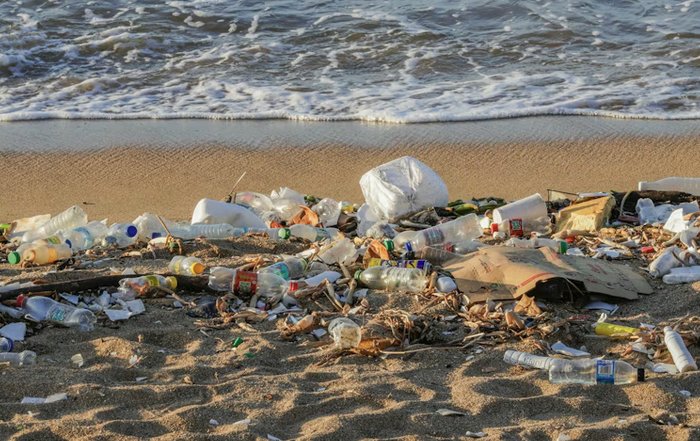
The global plastics challenge remains one of the most visible tests of responsible consumption. Despite new regulations, voluntary commitments, and heightened public concern, global plastic production continues to rise, with packaging and short-lived applications dominating demand and mismanaged waste still pervasive, particularly in rapidly urbanizing coastal regions. Research by The Pew Charitable Trusts (Pew) and the Ellen MacArthur Foundation has made it clear that incremental improvements in waste management alone are insufficient; without systemic redesign of products, packaging, and business models, plastic leakage into oceans and ecosystems will persist and potentially worsen.

Responsible consumption in the plastics domain therefore involves a hierarchy of actions, beginning with reduction and reuse before recycling is considered. In markets such as the United States, United Kingdom, Germany, Canada, and Australia, many consumers are already questioning the logic of single-use convenience, supporting refill systems, deposit schemes, and minimal packaging formats. At the same time, recycling remains a crucial component of a circular economy when supported by robust collection infrastructure, standardized labeling, and transparent markets for secondary materials. Readers who want to deepen their understanding of these dynamics can turn to YouSaveOurWorld.com's page on plastic recycling, which examines both the technical opportunities and the structural limitations of current recycling systems.

The broader transformation of waste management is equally important. Cities from Singapore and Tokyo to Amsterdam and Zurich are investing in advanced sorting, composting, and energy recovery facilities, while experimenting with pay-as-you-throw schemes and producer responsibility regulations to reduce residual waste. By exploring themes on waste and innovation, YouSaveOurWorld.com presents waste not as an inevitable by-product of modern life, but as a correctable design and policy failure. This framing is increasingly reflected in corporate strategies and public policy, with organizations such as the World Bank (World Bank Climate) highlighting the economic and social benefits of integrated circular economy approaches.

Sustainable Business, ESG, and Corporate Transformation

For corporate leaders in 2026, environmental awareness is inseparable from core strategic decision-making. Environmental, social, and governance (ESG) performance is now scrutinized by mainstream investors, lenders, and insurers, rather than a small subset of specialized funds. The Principles for Responsible Investment (PRI) and evolving disclosure frameworks influenced by the International Sustainability Standards Board and the legacy of the Task Force on Climate-related Financial Disclosures have raised expectations around climate risk reporting, emissions transparency, and nature-related impacts. Companies that fail to respond face higher capital costs, reputational damage, and the risk of stranded assets.

Responsible consumption intersects with this corporate agenda in multiple ways. Product strategies must align with net-zero and nature-positive pathways, marketing claims must be substantiated to avoid greenwashing, and supply chains must be assessed for deforestation, water scarcity, pollution, and human rights concerns. Organizations such as the World Business Council for Sustainable Development (WBCSD) and the Global Reporting Initiative (GRI) provide frameworks and tools for companies seeking to measure and manage these impacts in a structured and comparable manner.

YouSaveOurWorld.com contributes to this conversation by framing sustainable business as a source of strategic advantage and innovation, rather than a narrow compliance obligation. Its business content highlights how organizations in sectors such as consumer goods, technology, mobility, finance, and construction are developing low-carbon product lines, investing in circular business models, and redefining value propositions around durability, service, and shared use. For business readers, the platform aims to demonstrate that aligning corporate strategies with responsible consumption trends can unlock new markets, strengthen stakeholder trust, and reduce long-term risk exposure.

Technology, Innovation, and Design as Enablers of Responsible Consumption

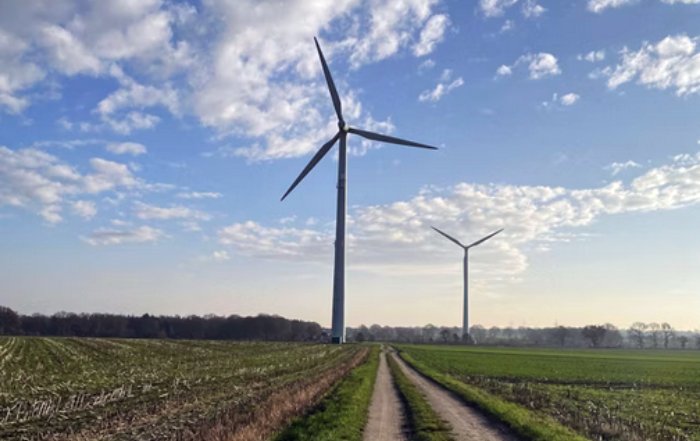
Technological progress and design innovation continue to expand the frontier of what is possible in responsible consumption. The rapid scaling of renewable energy technologies, including solar photovoltaics, wind power, and grid-scale storage, has enabled households and businesses in countries like Sweden, Norway, Denmark, and Spain to reduce their operational emissions without sacrificing reliability or comfort. Simultaneously, advances in energy-efficient appliances, heat pumps, electric vehicles, and smart building systems are lowering the emissions intensity of everyday activities, supported by digital platforms that optimize energy use and provide real-time feedback. The World Economic Forum (WEF) has frequently highlighted how such technologies, when combined with supportive policies and business models, can accelerate decarbonization and resource efficiency.

Design is equally central to responsible consumption, as upstream design decisions determine how products are manufactured, how long they last, how easily they can be repaired, and whether their materials can be recovered at end-of-life. Circular design principles-emphasizing durability, modularity, standardization, and recyclability-are gaining traction among manufacturers in Europe, North America, and Asia, influencing sectors from electronics and furniture to fashion and packaging. Companies are experimenting with models such as product-as-a-service, leasing, and take-back schemes, which can align business incentives with longevity and material recovery.

The pages on technology and design at YouSaveOurWorld.com explore these trends in depth, emphasizing that the burden of responsible consumption should not rest solely on end-users; rather, it should be embedded in the technologies and systems they interact with. This perspective is echoed in guidance from organizations such as UNEP and the OECD, which stress that innovation in business models, policy, and infrastructure must complement technological advances if environmental goals are to be met at scale.

Education, Awareness, and Personal Well-Being

The transition to responsible consumption is ultimately a learning journey, requiring new knowledge, mindsets, and skills across generations. Education systems in countries such as Finland, Germany, New Zealand, and Costa Rica are integrating sustainability, climate science, and systems thinking into curricula, recognizing that future professionals and citizens must be equipped to navigate complex ecological and socio-economic interdependencies. The UNESCO Education for Sustainable Development initiative (UNESCO ESD) continues to support these efforts, emphasizing competencies such as critical thinking, collaboration, and futures literacy.

Beyond formal education, digital platforms, media, and civil society campaigns play a crucial role in shaping environmental awareness and consumption norms. YouSaveOurWorld.com contributes to this broader ecosystem by offering accessible, analytically grounded content on education, environmental awareness, and personal well-being, with a particular emphasis on how sustainable choices can enhance quality of life rather than diminish it. Many individuals in the United States, United Kingdom, Canada, Australia, and other regions are discovering that shifting expenditure from material accumulation toward experiences, health, and community engagement can simultaneously reduce environmental impact and improve subjective well-being.

The link between environmental conditions and health outcomes is now widely documented. The World Health Organization (WHO) and other public health agencies continue to highlight the impacts of air pollution, heatwaves, extreme weather, and ecosystem degradation on respiratory diseases, mental health, and mortality, particularly among vulnerable groups. Responsible consumption that supports clean energy, low-emission mobility, and reduced pollution therefore contributes not only to planetary stability but also to individual and community resilience. By framing environmental issues through the lens of lifestyle and well-being, YouSaveOurWorld.com helps readers understand that sustainability is not a distant policy agenda but a practical pathway to healthier, more balanced lives.

Economic Transformation and the Role of Global Collaboration

The economic dimension of environmental awareness has become increasingly prominent as governments and financial institutions recognize that climate and ecological risks are systemic rather than isolated. The International Monetary Fund (IMF) and the World Bank have repeatedly emphasized that the long-term costs of climate inaction, biodiversity loss, and pollution far exceed the investments required to transition to a low-carbon, resource-efficient economy. Green industrial policies, sustainable finance taxonomies, and large-scale investments in clean infrastructure are reshaping trade patterns, labor markets, and innovation ecosystems in regions as diverse as the European Union, China, India, and Latin America.

Responsible consumption is both a driver and a beneficiary of this economic transformation. When businesses and households choose energy-efficient technologies, low-impact foods, or circular services, they send signals that guide capital allocation, research priorities, and policy design. Measures such as carbon pricing, extended producer responsibility, and mandatory sustainability reporting reinforce these signals, creating an enabling environment for environmentally responsible products and services to scale. Readers interested in the intersection of markets, policy, and sustainability can explore YouSaveOurWorld.com's coverage of the economy and global developments, where environmental awareness is treated as a core variable in understanding future competitiveness and resilience.

International collaboration remains indispensable, as no single country or company can resolve transboundary challenges such as climate change, ocean pollution, or biodiversity loss alone. Platforms such as the UN Global Compact (UN Global Compact) and the World Trade Organization's environment programs (WTO Environment) provide arenas for aligning trade rules, investment frameworks, and environmental standards. Regional alliances in Europe, Africa, Asia-Pacific, and the Americas are experimenting with green industrial strategies, carbon border mechanisms, and cooperative research initiatives. For businesses and policymakers, understanding these collaborative efforts is essential to anticipating regulatory trends, market opportunities, and reputational expectations.

The Evolving Role of YouSaveOurWorld.com in 2026

In this complex, fast-moving environment, YouSaveOurWorld.com positions itself as a trusted, business-oriented resource for those seeking clarity on environmental awareness and responsible consumption. The platform's focus on experience, expertise, authoritativeness, and trustworthiness is reflected in its commitment to clear analysis, integrated perspectives, and practical applicability. By weaving together themes of sustainable living, climate change, sustainable business, innovation, and technology, the site mirrors the reality that environmental, economic, and social issues are deeply interconnected rather than isolated silos.

Readers from the United States, United Kingdom, Germany, Canada, Australia, France, Italy, Spain, the Netherlands, Switzerland, China, Sweden, Norway, Singapore, Denmark, South Korea, Japan, Thailand, Finland, South Africa, Brazil, Malaysia, New Zealand, and beyond can use YouSaveOurWorld.com as a starting point for understanding how their decisions-as consumers, professionals, investors, or policymakers-interact with global sustainability trends. Whether exploring sustainable living, examining the implications of climate policy, or evaluating new technologies and business models, visitors are invited to treat the site as an evolving companion in their own responsible consumption journey.

As the world moves deeper into the decisive decade for climate and sustainability, the need for accessible, credible, and action-oriented information will only intensify. By connecting global developments to concrete choices, and by bridging the domains of business, policy, technology, and lifestyle, YouSaveOurWorld.com aims to support a future in which economic prosperity, social well-being, and ecological integrity reinforce each other rather than compete. In such a future, responsible consumption is not a niche behavior or a marketing slogan, but a defining characteristic of mature markets, resilient communities, and organizations that understand their role in safeguarding the only planet on which their long-term success is possible. For those seeking to participate in that transition, the platform stands as a dedicated guide and partner, accessible at YouSaveOurWorld.com.

Understanding Carbon Footprints and Daily Choices

Last updated by Editorial team at yousaveourworld.com on Friday 23 January 2026
Article Image for Understanding Carbon Footprints and Daily Choices

Understanding Carbon Footprints and Daily Choices in 2026

Carbon Footprints in a Decisive Decade

By 2026, the language of carbon footprints has become embedded in mainstream business strategy, public policy, and personal decision-making, reflecting a global recognition that greenhouse gas emissions are no longer a distant or abstract concern but a direct determinant of economic stability, social resilience, and long-term corporate viability. A carbon footprint, typically expressed in carbon dioxide equivalent (CO₂e), represents the total greenhouse gas emissions caused directly and indirectly by an individual, organization, product, or system, and this metric has become central to how governments, companies, and citizens prioritize climate action. Scientific assessments from bodies such as the Intergovernmental Panel on Climate Change (IPCC), accessible through the IPCC website, continue to confirm that human-caused emissions remain the dominant driver of global warming, and as climate impacts intensify across continents, the ability to quantify and manage carbon footprints is now widely viewed as a core competency for leaders in both public and private sectors.

For YouSaveOurWorld.com, whose mission is to connect sustainability, business performance, and personal well-being, the carbon footprint concept provides a unifying framework that links global climate science with everyday choices. Readers exploring the platform's guidance on climate change and its drivers encounter not only data and trends but also a translation of those insights into practical implications for households, entrepreneurs, executives, educators, and policymakers. Whether a decision-maker is evaluating a supply chain in Asia, a mobility plan in Europe, or a product design in North America, understanding carbon footprints enables them to see how patterns of consumption, investment, and innovation affect emissions trajectories, social equity, and long-term economic resilience. In this way, carbon awareness becomes a strategic lens through which sustainable living, responsible business, and personal values can be aligned.

The Evolving Science and Standards Behind Carbon Accounting

The science underpinning carbon footprints has continued to mature, with improved climate models, more granular emissions inventories, and increasingly sophisticated measurement and verification tools. Greenhouse gases such as carbon dioxide, methane, nitrous oxide, and fluorinated gases are aggregated into CO₂e based on their global warming potential, enabling decision-makers to compare emissions across diverse activities and sectors. Agencies including the National Aeronautics and Space Administration (NASA) and the National Oceanic and Atmospheric Administration (NOAA) provide up-to-date information on atmospheric concentrations and climate indicators, and resources such as NASA's climate portal and NOAA's greenhouse gas index illustrate the tight linkage between cumulative emissions and observed changes in temperature, sea level, and extreme weather.

Standardization has become critical as more organizations disclose emissions and set reduction targets. Frameworks developed by the Greenhouse Gas Protocol and the International Organization for Standardization (ISO) offer widely accepted methodologies for categorizing emissions into scopes, measuring them consistently, and reporting them transparently. Businesses can turn to the GHG Protocol Corporate Standard for guidance on accounting for operational and value chain emissions, while ISO 14064 and related standards support verification and assurance processes that investors and regulators increasingly expect. On the individual side, tools developed by entities such as the United States Environmental Protection Agency (EPA) and the World Wildlife Fund (WWF), including the EPA household carbon calculator, help citizens translate daily choices in energy use, transport, diet, and consumption into quantitative estimates of their personal carbon footprints, making the link between lifestyle and climate impact more tangible.

Daily Life, Energy Use, and Hidden Emissions

In 2026, the realization that everyday activities collectively shape global emissions has deepened, particularly as households and communities experience the economic and social consequences of climate-related disruptions. Residential energy use remains a significant component of personal carbon footprints, and its magnitude is influenced by building design, insulation quality, heating and cooling technologies, and the carbon intensity of local electricity grids. In colder regions, heating efficiency and building envelopes are critical, while in warmer climates, cooling demand and urban design play a larger role. By consulting the platform's guidance on sustainable living, readers of YouSaveOurWorld.com can explore how measures such as upgrading to high-efficiency appliances, installing heat pumps, improving insulation, or subscribing to renewable electricity tariffs can simultaneously lower emissions, reduce long-term energy costs, and enhance comfort and health.

Transport remains another major driver of personal and organizational emissions, especially in car-dependent regions where urban form and infrastructure have historically favored private vehicles. The rapid adoption of electric vehicles, supported by incentives and infrastructure investments across the United States, Europe, China, and other markets, has begun to change the emissions profile of mobility; however, the overall impact depends on electricity generation mixes, vehicle lifetimes, and patterns of use. Analyses from the International Energy Agency (IEA), available through the IEA website, help business leaders and policymakers understand how modal shifts toward public transit, cycling, and walking can complement electrification, reducing congestion and improving air quality while cutting emissions. On YouSaveOurWorld.com, discussions of lifestyle transformation position mobility choices within a broader narrative of health, convenience, and urban design, encouraging readers to see transport decisions not only as technical or financial choices but as part of a holistic approach to sustainable living.

Food Systems, Waste, and the Circular Economy Imperative

Food systems have come under increasing scrutiny as a critical component of global carbon footprints, given that agriculture, land-use change, and food waste collectively contribute a substantial share of emissions. Livestock production, particularly beef and dairy, is associated with high methane emissions and significant land requirements, while plant-based diets typically have lower carbon intensities and can reduce pressure on ecosystems. The Food and Agriculture Organization of the United Nations (FAO) continues to synthesize research on these dynamics, and its resources, accessible via the FAO website, provide valuable insights for policymakers, food companies, and consumers seeking to align dietary choices with climate and biodiversity goals. For businesses in food and hospitality, this evolving evidence base is reshaping product portfolios, procurement strategies, and marketing narratives, while individuals increasingly consider the climate implications of their dietary patterns alongside health and cultural factors.

Waste management has similarly moved to the center of climate discussions, as stakeholders recognize that emissions are embedded across the life cycle of materials, from extraction and production to use and disposal. Landfills generate methane, incineration can create additional emissions and pollutants if not properly controlled, and the manufacture of new materials such as plastics, metals, and textiles remains energy- and resource-intensive. The circular economy framework, championed by organizations like the Ellen MacArthur Foundation, offers a systemic alternative that seeks to design out waste, keep products and materials in circulation, and regenerate natural systems. By engaging with the foundation's work via its official website, companies and cities can explore practical strategies in sectors such as packaging, electronics, and fashion. On YouSaveOurWorld.com, articles on waste reduction and resource efficiency and plastic recycling interpret these global concepts for a business-oriented audience, emphasizing how rethinking waste streams as resource flows can unlock cost savings, innovation opportunities, and reputational benefits while driving down emissions.

Plastics, Packaging, and Shifting Consumer Expectations

Plastic has become a focal point in the broader conversation about carbon footprints, environmental degradation, and corporate responsibility. From the extraction of fossil feedstocks to energy-intensive refining and polymerization processes, plastics carry a significant carbon burden, which is compounded when products are designed for single use and end up in landfills, incinerators, or the natural environment. The Organisation for Economic Co-operation and Development (OECD) has documented the rapid growth of global plastic production and the persistent gap between production and effective recycling, and its analyses, accessible via the OECD plastics portal, highlight the urgency of redesigning products, reforming waste systems, and revising policy frameworks. As international negotiations progress toward a global plastics treaty, regulatory expectations on producers and retailers are tightening, pushing businesses to reconsider packaging strategies and material choices.

For the community around YouSaveOurWorld.com, the question of how to manage plastics responsibly is closely linked to broader themes of sustainable consumption, corporate transparency, and technological innovation. The platform's dedicated resources on plastic recycling and alternatives explore both the opportunities and limitations of current recycling systems, emphasizing that while recycling can reduce demand for virgin materials, it cannot by itself solve the systemic challenges of overproduction and poor design. Thought leaders and organizations such as the World Resources Institute (WRI), whose work can be explored at the WRI website, support companies in setting science-based targets and implementing circular strategies that go beyond incremental improvements. In parallel, consumers are increasingly using their purchasing power to favor brands that minimize packaging, embrace reuse models, and provide clear information about the environmental performance of their products, reinforcing a feedback loop in which informed choices drive corporate transformation.

Corporate Carbon Strategies and Sustainable Business Models

Across sectors and geographies, carbon management has evolved from a compliance exercise to a central element of corporate strategy, risk management, and value creation. Investors, regulators, customers, and employees now expect companies to measure, disclose, and systematically reduce their greenhouse gas emissions, and this expectation is being formalized through emerging sustainability reporting standards and climate-related financial disclosure requirements. The Task Force on Climate-related Financial Disclosures (TCFD) has played a pivotal role in defining best practices for climate risk reporting, and its recommendations, available via the TCFD website, have influenced regulatory initiatives in multiple jurisdictions. In parallel, the International Sustainability Standards Board (ISSB) under the International Financial Reporting Standards (IFRS) Foundation, whose updates can be followed on the IFRS website, is integrating climate and broader sustainability considerations into global baseline standards, making carbon performance more visible in mainstream financial analysis.

For organizations seeking to move beyond disclosure toward genuine transformation, YouSaveOurWorld.com offers perspectives on sustainable business models and broader business strategy and responsibility, framing carbon reduction as an innovation and competitiveness agenda rather than a narrow cost. Companies are increasingly adopting science-based targets, aligning with net-zero commitments, and integrating carbon criteria into capital allocation, procurement, and product development. Initiatives such as the United Nations Global Compact, described on the UN Global Compact website, encourage businesses to align with universal principles on human rights, labor, environment, and anti-corruption, reinforcing the idea that climate action is inseparable from broader environmental, social, and governance performance. In this context, carbon footprints serve not only as a metric of environmental impact but as a proxy for operational efficiency, innovation capacity, and the quality of stakeholder relationships.

Innovation, Technology, and the Low-Carbon Transition

Technological innovation remains a cornerstone of global efforts to reduce carbon footprints, and by 2026, the pace of change in clean energy, digitalization, and advanced materials continues to accelerate. The cost of renewable energy technologies such as solar photovoltaics and onshore and offshore wind has fallen dramatically over the past decade, a trend documented by the International Renewable Energy Agency (IRENA) and accessible via the IRENA website. This cost decline has enabled many countries and corporations to increase their reliance on clean electricity, supporting decarbonization across sectors including manufacturing, buildings, and transport. Storage technologies, grid modernization, and flexible demand management are further enhancing the reliability and resilience of renewable-based systems, making them viable foundations for long-term energy strategies.

Digital technologies such as artificial intelligence, the Internet of Things, and advanced analytics are enabling more granular monitoring and optimization of emissions across value chains, buildings, and urban systems. Smart meters, energy management platforms, and predictive maintenance tools help organizations identify inefficiencies, reduce waste, and improve asset performance, while emerging applications in logistics and industrial automation support more efficient use of resources. At the same time, there is growing awareness that digital infrastructure itself has a non-trivial carbon footprint, particularly in relation to data centers and communication networks. The International Telecommunication Union (ITU) offers guidance on reducing the environmental impact of information and communication technologies through its environment and climate change portal, encouraging technology providers and users to consider energy efficiency, renewable procurement, and circular design in their digital strategies. Within this landscape, YouSaveOurWorld.com positions innovation and technology as enablers of a low-carbon economy, while also emphasizing the importance of governance, ethics, and lifecycle thinking in technology deployment.

Design, Lifestyle, and the Culture of Low-Carbon Living

Design decisions made today in architecture, product development, and urban planning will determine the emissions profiles of buildings, cities, and products for decades to come. Architects and planners are increasingly embracing principles such as life cycle assessment, passive design, adaptive reuse, and biophilic design to minimize both embodied and operational carbon, while enhancing user experience and resilience. Professional bodies such as the Royal Institute of British Architects (RIBA) and the American Institute of Architects (AIA) have articulated climate action frameworks that guide practitioners in translating high-level climate goals into specific performance targets and design choices, and resources like the RIBA sustainable outcomes guide provide practical tools for implementation. For businesses involved in real estate, infrastructure, and product design, these approaches offer pathways to differentiate offerings, meet evolving regulations, and reduce long-term risk.

On an individual level, lifestyle choices remain deeply intertwined with identity, culture, and aspiration, which means that shifting toward low-carbon living requires more than technical information; it calls for new narratives about success, comfort, and happiness. YouSaveOurWorld.com addresses this challenge by connecting lifestyle change with personal well-being, illustrating how actions such as choosing active transport, simplifying consumption, engaging in community initiatives, and spending more time in nature can simultaneously reduce emissions and improve physical and mental health. Research synthesized by the World Health Organization (WHO), accessible through the WHO climate and health page, underscores that many climate-positive measures, including improved air quality, healthier diets, and more walkable urban environments, deliver immediate health co-benefits. These insights strengthen the case for integrated policies and personal strategies that treat climate action not as a sacrifice but as an opportunity to enhance quality of life.

Education, Awareness, and Global Collaboration

The ability of societies to manage and reduce carbon footprints depends heavily on education, capacity building, and public awareness. Schools, universities, and professional training institutions across the world are embedding climate literacy and sustainability into curricula, recognizing that future engineers, managers, policymakers, and entrepreneurs must understand carbon accounting, climate risk, and systems thinking as fundamental skills. The United Nations Educational, Scientific and Cultural Organization (UNESCO) has advanced the agenda of Education for Sustainable Development, and its guidance, available via the UNESCO ESD portal, supports educators in integrating sustainability into teaching and learning. For professionals and lifelong learners, YouSaveOurWorld.com serves as a bridge between academic research and real-world application, offering accessible insights on environmental awareness, education for sustainability, and the interplay between climate, business, and personal choices.

Global collaboration remains essential because carbon footprints are shaped by international trade, investment flows, and supply chains that span regions and jurisdictions. The United Nations Framework Convention on Climate Change (UNFCCC), through the Paris Agreement and subsequent negotiations, provides the primary forum for coordinating national commitments, climate finance, and technology transfer, and developments can be followed via the UNFCCC website. As countries update and implement their nationally determined contributions, businesses and financial institutions are adjusting strategies to align with evolving policy environments and market signals. For the audience of YouSaveOurWorld.com, which includes readers interested in the global economic and environmental context and the sustainability of the wider economy, understanding these international dynamics reinforces the insight that individual and corporate actions are part of a broader mosaic of global change, where local initiatives and global agreements mutually reinforce each other.

Integrating Carbon Awareness into Strategy and Everyday Practice

In 2026, the convergence of scientific evidence, regulatory pressure, technological possibility, and shifting social expectations has made carbon footprints a central organizing concept for anyone seeking to align personal values, business strategy, and societal goals with the realities of climate change. For organizations, this means embedding carbon considerations into governance structures, investment decisions, product and service design, supply chain management, and stakeholder engagement, recognizing that emissions performance is increasingly scrutinized by investors, regulators, customers, and employees alike. For individuals, it involves developing habits of reflection and intentionality around consumption, mobility, diet, and energy use, supported by tools and platforms that make the climate implications of choices visible and actionable.

The role of YouSaveOurWorld.com in this landscape is to provide a trusted, business-oriented, and human-centered space where readers can explore how sustainable living, responsible business, and climate science intersect. By curating insights on sustainable living, sustainable business, climate change, design and innovation, and the many dimensions of environmental and social change, the platform helps its audience move from awareness to informed action. It invites executives, entrepreneurs, educators, students, and citizens to see carbon footprints not as abstract statistics but as practical guides for shaping strategies, investments, and everyday routines that contribute to a more resilient, equitable, and prosperous future.

As this decisive decade progresses, the message that underpins the work of YouSaveOurWorld.com is clear: every decision carries a carbon consequence, and every informed choice is an opportunity to steer that consequence in a positive direction. By integrating carbon awareness into both long-term planning and daily practice, individuals and organizations can participate in a global effort to stabilize the climate, protect ecosystems, and enhance human well-being, demonstrating that responsible leadership in 2026 is defined not only by financial performance but by the footprint it leaves on the world.

Sustainable Business Leadership in a Changing World

Last updated by Editorial team at yousaveourworld.com on Friday 23 January 2026
Article Image for Sustainable Business Leadership in a Changing World

Sustainable Business Leadership: From Ambition to Execution

A New Competitive Reality

Now sustainable business leadership has moved decisively from aspiration to expectation, and companies that still treat environmental and social responsibility as peripheral face growing strategic, financial and reputational risks. Across advanced and emerging economies alike, regulators, investors, employees and communities now assume that credible climate strategies, responsible resource use, social inclusion and robust governance are fundamental components of a viable business model. For the audience of YouSaveOurWorld.com, which has consistently examined the links between sustainable living, climate action, innovation and enterprise strategy, this new reality is both a confirmation of long-standing concerns and a prompt to focus more sharply on implementation, performance and impact.

The scientific and policy context has only become more urgent. The Intergovernmental Panel on Climate Change (IPCC) continues to warn that global emissions must fall rapidly this decade to keep temperature rise within relatively safe limits, while the United Nations Environment Programme (UNEP) tracks a persistent "emissions gap" between current pledges and what science demands. At the same time, the World Economic Forum regularly identifies climate, nature loss and social instability among the most significant global risks to economies and supply chains. These findings are not abstract for business leaders: they manifest in physical disruptions, regulatory shifts, litigation, insurance costs and changing customer expectations.

In boardrooms from New York and London to Singapore and Johannesburg, the discussion has therefore shifted from whether sustainability matters to how it can be embedded deeply enough to protect long-term value and unlock new opportunities. For YouSaveOurWorld.com, which positions sustainability as a unifying lens across business, technology, lifestyle and global trends, the central question in 2026 is no longer about awareness, but about the quality of leadership: which organizations can demonstrate real progress on climate, circularity and social impact, and which are still relying on rhetoric rather than results.

From Reporting Obligation to Strategic Core

Over the last decade, sustainability reporting frameworks have matured into a more coherent global architecture, and this has fundamentally altered expectations of corporate behavior. The work of the Task Force on Climate-related Financial Disclosures (TCFD) has been absorbed into regulatory regimes in multiple jurisdictions, while the International Sustainability Standards Board (ISSB), under the IFRS Foundation, has begun to standardize sustainability-related financial disclosures for global capital markets. The Global Reporting Initiative (GRI) continues to guide broader impact reporting that captures environmental and social externalities in greater depth.

For executives and boards, these developments mean that sustainability data is now treated as decision-useful information rather than marketing content. Investors increasingly expect clarity on emissions trajectories, physical and transition risks, supply-chain exposures and human capital strategies. Many stock exchanges and regulators, from the European Securities and Markets Authority to the U.S. Securities and Exchange Commission (SEC), are integrating climate and ESG disclosure into listing and compliance requirements. Those wishing to understand how these standards are converging can explore resources from the IFRS Foundation and the Global Reporting Initiative.

This shift has practical implications for leadership. Sustainability can no longer be isolated within a corporate responsibility department; it must be integrated into enterprise risk management, capital allocation, product portfolio decisions and M&A strategy. Senior leaders are expected to understand climate scenarios, nature-related dependencies, social license risks and technological disruption, and to connect these systematically to revenue, cost, resilience and brand. On YouSaveOurWorld.com, the growing interest in sustainable business reflects this evolution toward models where environmental and social performance are integral to long-term profitability.

Leadership competencies are evolving accordingly. The most effective executives in 2026 combine financial literacy with fluency in climate science, systems thinking and stakeholder engagement. They are familiar with the UN Sustainable Development Goals (SDGs) and the guidance of the United Nations Global Compact, and they understand how tools such as CDP disclosure can support rigorous environmental management. They are also expected to navigate complex trade-offs, for example between short-term cost pressures and longer-term investments in decarbonization or circular design, and to communicate these trade-offs transparently to investors, employees and communities.

Climate, Resource Scarcity and the Strategic Risk Landscape

The physical manifestations of climate change have become increasingly visible and costly. Heatwaves, wildfires, floods and storms have disrupted operations, damaged infrastructure and altered demand patterns across continents. Data from NASA and the National Oceanic and Atmospheric Administration (NOAA) confirm that recent years have been among the hottest on record, while the World Meteorological Organization (WMO) documents growing volatility in weather extremes. For businesses, these trends translate into higher insurance premiums, supply chain interruptions, asset write-downs and, in some sectors, fundamental shifts in where and how production can take place.

Transition risks are rising in parallel. Governments are tightening climate policies through carbon pricing, performance standards, renewable energy mandates and industrial decarbonization strategies. The European Green Deal and associated measures such as the Carbon Border Adjustment Mechanism, the continued implementation of the Inflation Reduction Act in the United States, and net-zero commitments by economies including Japan, South Korea, Canada and Australia are reshaping energy systems and industrial value chains. Businesses that fail to plan for these changes face stranded assets, loss of competitiveness and restricted access to markets. The International Energy Agency (IEA) provides detailed analysis of energy transition pathways, while the OECD offers insights into the macroeconomic implications of climate and resource policies.

Resource constraints and waste challenges further reinforce the need for strategic sustainability. Rising demand for critical minerals, water and land intersects with biodiversity loss and local community concerns, increasing the likelihood of conflict, regulatory intervention and reputational damage. At the same time, public and regulatory pressure to address plastic pollution and waste has intensified, particularly in the European Union, United Kingdom, Canada, Japan and New Zealand. For the community of YouSaveOurWorld.com, the focus on plastic recycling and responsible waste management illustrates how these systemic issues reach into everyday products, packaging and services.

In this context, sustainable leadership is fundamentally about sophisticated risk management and long-term value creation. Investments in energy efficiency, renewable power, regenerative agriculture, nature-positive supply chains and resilient infrastructure not only reduce exposure to physical and transition risks, but also create cost savings, innovation opportunities and stronger stakeholder loyalty. Research from institutions such as Harvard Business School and MIT Sloan School of Management indicates that companies with robust sustainability strategies often exhibit lower volatility, stronger operational performance and improved access to capital. The economic rationale for integrating sustainability into core strategy is therefore increasingly clear, particularly when viewed through a multi-year lens.

Regional Variations in a Global Transformation

While the pressures and opportunities of sustainability are global, their expression varies significantly across regions, and business leaders must understand these nuances to design effective strategies. Readers of YouSaveOurWorld.com who follow global developments recognize that regulatory frameworks, cultural expectations and economic structures shape both the pace and form of sustainable business adoption.

In Europe, regulatory ambition remains high. The Corporate Sustainability Reporting Directive (CSRD), the EU Taxonomy for Sustainable Activities and emerging due diligence rules on deforestation and human rights are setting stringent expectations for environmental and social performance, with implications far beyond the continent's borders. Countries such as Germany, France, Netherlands, Sweden, Norway and Denmark are aligning industrial policy, urban planning and financial regulation with climate and biodiversity targets, making science-based emissions reduction and circular economy strategies effectively mandatory for companies seeking to operate at scale. The European Commission provides extensive documentation on these policies and their implementation.

In North America, the picture is more fragmented but rapidly evolving. In the United States, federal incentives for clean energy, electric vehicles and low-carbon manufacturing have catalyzed large-scale investment, while the SEC advances climate disclosure rules and states such as California impose additional climate and sustainability requirements that affect global supply chains. In Canada, a national carbon pricing system and clean technology programs are pushing companies to innovate while managing competitiveness concerns. Organizations such as Ceres and the Sustainability Accounting Standards Board (SASB), now under the IFRS umbrella, offer tools to help North American businesses integrate sustainability into financial decision-making and investor communication.

The Asia-Pacific region presents a complex mix of advanced and emerging sustainability agendas. Japan, South Korea and Singapore are developing sophisticated green finance frameworks, corporate governance reforms and national decarbonization plans. China, committed to carbon neutrality by 2060, continues to expand its renewable energy and electric vehicle sectors at scale, even as it grapples with the legacy of coal and heavy industry. Meanwhile, economies such as Thailand, Malaysia, Indonesia and Vietnam must balance rapid growth with environmental protection and climate resilience. The Asian Development Bank and the World Bank provide analysis on how these countries can pursue sustainable development pathways that align economic opportunity with environmental and social safeguards.

In Africa and South America, the sustainability conversation is closely tied to resilience, inclusive growth and fair participation in global value chains. South Africa, Brazil, Chile, Colombia and others face pressure to reconcile resource-intensive sectors such as mining, agriculture and forestry with commitments to climate action and biodiversity conservation, especially in sensitive ecosystems like the Amazon and major river basins. International buyers and regulators in Europe and North America increasingly demand proof of deforestation-free, rights-respecting supply chains, creating both compliance burdens and opportunities for differentiation. For companies operating in or sourcing from these regions, sustainable leadership entails investments in traceability, community engagement, capacity building and credible certification, alongside adherence to global standards such as those promoted by the UN Global Compact.

Innovation, Technology and the Circular Economy Imperative

Technological and business model innovation are central to sustainable leadership in 2026, but they require careful governance to ensure they deliver genuine environmental and social benefits. Digital technologies such as artificial intelligence, data analytics, Internet of Things (IoT) sensors and blockchain enable granular monitoring of emissions, energy use, water consumption and waste, as well as improved traceability across complex supply chains. At the same time, advances in renewable energy, energy storage, green hydrogen, advanced materials and low-carbon industrial processes are reshaping the economics of production and logistics. For readers of YouSaveOurWorld.com who follow technology and innovation, this convergence of digital and physical transformation is at the heart of the sustainable business agenda.

One of the most significant shifts is the move from linear to circular business models. Instead of the traditional "take-make-dispose" approach, circularity aims to design out waste, keep products and materials in use at their highest value, and regenerate natural systems. This can involve product-as-a-service offerings, modular design for repair and upgrade, remanufacturing, material recovery and closed-loop recycling. The Ellen MacArthur Foundation has been instrumental in articulating the business case for circularity and in working with companies across sectors to redesign products and value chains; its resources on circular design and metrics are widely used by practitioners. Those interested in deeper insights can explore the Ellen MacArthur Foundation for frameworks and case studies.

Implementing circular models requires rethinking design, procurement, logistics and customer relationships. It demands collaboration among material suppliers, manufacturers, retailers, service providers, recyclers and municipalities. For instance, addressing plastic waste involves not only reducing unnecessary packaging and substituting materials where appropriate, but also redesigning collection systems, investing in advanced sorting and recycling technologies, and engaging consumers in correct disposal behavior. The focus of YouSaveOurWorld.com on plastic recycling and waste illustrates how these systemic challenges intersect with everyday consumption patterns and business decisions.

Digital tools amplify these efforts. AI-driven optimization can reduce energy use in buildings and industrial facilities, improve logistics efficiency and identify patterns of waste that were previously invisible. IoT devices can enable predictive maintenance, reducing downtime and extending asset life, while blockchain-based solutions can verify the provenance of materials, helping to combat greenwashing and strengthen trust in sustainability claims. Yet these technologies also raise important questions: data centers and blockchain networks consume significant energy; e-waste is an increasing concern; and algorithmic systems can embed bias or displace workers if not managed responsibly. Sustainable leaders in 2026 are therefore expected to adopt a holistic view that considers life-cycle impacts, ethical AI principles and inclusive workforce strategies alongside technological ambition.

Culture, Lifestyle and Well-Being as Strategic Levers

Sustainable business leadership is not only a matter of technology, policy and finance; it is also deeply rooted in organizational culture, consumer behavior and personal well-being. Employees, customers and communities are increasingly conscious of environmental and social issues and expect companies to reflect these concerns authentically in their operations and communication. For YouSaveOurWorld.com, which links lifestyle and personal well-being with climate and business themes, this human dimension is essential to understanding how sustainability becomes embedded in day-to-day choices.

Within organizations, culture is often the determining factor in whether sustainability strategies translate into real change. Leaders must articulate a clear purpose that connects business success with societal and planetary well-being, and they must align incentives, performance metrics and recognition systems accordingly. Training and education programs are required to equip employees with the knowledge and skills to integrate sustainability into product development, procurement, marketing, finance and operations. Initiatives that encourage low-carbon commuting, healthy nutrition, mental health support and community engagement can simultaneously strengthen employee well-being and reinforce organizational values. Research from the World Health Organization (WHO) and the OECD shows that workplace well-being is closely linked to productivity, innovation and retention, giving companies a tangible business case for aligning sustainability and human-centered policies.

Externally, shifts in lifestyle and consumption patterns are reshaping markets. Demand for plant-based foods, low-carbon mobility, energy-efficient housing, repairable electronics and second-hand fashion has created space for new entrants and forced incumbents to adapt. However, sustainable business leadership requires more than simply labeling products as "green"; it demands rigorous life-cycle assessment, transparent communication of trade-offs and avoidance of misleading claims. Organizations such as Consumer Reports and the Environmental Working Group (EWG) have helped raise consumer awareness of product impacts, increasing scrutiny of corporate sustainability narratives and pushing companies toward greater transparency and accountability.

In many high-income markets, lifestyle-driven demand for sustainable products is now supported by regulation, including eco-labeling schemes, minimum efficiency standards and bans on certain single-use plastics or high-emission technologies. In emerging markets, affordability and access remain paramount, and sustainable leaders must design solutions that are inclusive and context-appropriate, ensuring that low-income communities benefit from cleaner technologies and healthier environments rather than bearing disproportionate transition costs. This often involves innovative pricing models, partnerships with public agencies and civil society, and a nuanced understanding of local social and cultural dynamics.

Finance, Governance and the Economics of Transition

The financial system's embrace of sustainability has accelerated, and in 2026, sustainable finance is a mainstream concern rather than a niche. Green bonds, sustainability-linked loans, transition finance instruments and impact investment funds are now widely used to channel capital toward low-carbon, nature-positive and socially inclusive projects. For readers of YouSaveOurWorld.com interested in the economy and corporate strategy, understanding how capital markets are pricing climate and ESG risks is critical to evaluating the feasibility and competitiveness of different business models.

Central banks and financial supervisors, coordinated through the Network for Greening the Financial System (NGFS), are increasingly integrating climate and nature risks into their oversight frameworks. Climate scenario stress testing, guidance on sustainable taxonomies and expectations around disclosure are influencing how banks, insurers and asset managers evaluate clients and portfolios. Initiatives such as the Principles for Responsible Investment (PRI) and the Sustainable Stock Exchanges Initiative (SSE) provide frameworks for investors and exchanges to incorporate ESG factors systematically. These developments create both pressure and opportunity for companies: those with credible sustainability strategies may benefit from lower capital costs and better investor relations, while laggards face higher financing costs and potential exclusion from key indices.

Corporate governance is adapting to this new environment. Boards are increasingly expected to oversee climate and sustainability risks and opportunities, ensure that executive compensation reflects progress on relevant metrics, and consider stakeholder perspectives in strategic decisions. Many jurisdictions now require disclosure of how boards and management engage with ESG issues, and shareholder resolutions on climate transition plans, human rights and diversity are becoming more frequent and influential. Resources from the OECD on corporate governance and from institutes of directors in various countries help boards understand how to integrate sustainability into their oversight responsibilities in a structured way.

The economics of the transition are complex but tilting in favor of sustainable models. The continued decline in the cost of solar and wind power, advances in battery technology, improvements in energy efficiency and the growing scale of circular economy solutions are making low-carbon and resource-efficient options more competitive. At the same time, carbon pricing, pollution penalties and reputational risks increase the relative cost of high-emission and waste-intensive activities. However, transition costs remain significant, particularly for small and medium-sized enterprises that may struggle with upfront investments, data requirements and capability building. Supportive policy frameworks, technical assistance and collaborative platforms are therefore essential to ensure that the benefits of the transition are widely shared and that no segment of the economy is left behind.

The Strategic Role of YouSaveOurWorld.com in 2026

In a landscape defined by rapid change, information overload and rising expectations, trusted platforms that synthesize knowledge and connect diverse perspectives have become indispensable. YouSaveOurWorld.com has positioned itself as one such platform, offering readers a curated view of how climate change, sustainable business, innovation, technology, waste and lifestyle choices intersect in practical, actionable ways.

For business leaders in United States, United Kingdom, Germany, Canada, Australia, France, Italy, Spain, Netherlands, Switzerland, China, Sweden, Norway, Singapore, South Korea, Japan, Thailand, Finland, South Africa, Brazil, Malaysia and beyond, the site serves as a reference point for understanding how global sustainability trends translate into specific regional and sectoral realities. By emphasizing Experience, Expertise, Authoritativeness and Trustworthiness, YouSaveOurWorld.com aims to bridge the gap between high-level frameworks produced by organizations such as the IPCC, UNEP, World Economic Forum, IEA, OECD, Ellen MacArthur Foundation and UN Global Compact, and the day-to-day decisions facing executives, entrepreneurs and professionals.

The platform's integrated perspective-linking sustainable living, business, global developments and personal well-being-reflects a core insight of 2026: that sustainability is not a separate domain but a lens through which all aspects of economic and social life must be viewed. Whether exploring the role of design in circular products, the use of technology in emissions monitoring, or the impact of lifestyle choices on planetary health, YouSaveOurWorld.com seeks to provide readers with informed, practical guidance grounded in credible sources and real-world experience. Visitors can navigate the broader ecosystem of insights through the main site at YouSaveOurWorld.com, which connects these themes in a cohesive way.

Leading with Purpose in an Era of Transformation

Sustainable business leadership in 2026 is characterized by the ability to integrate climate science, circular economy principles, technological innovation, human well-being and sound governance into a coherent strategy that delivers both commercial success and societal value. It demands rigorous analysis of risks and opportunities, transparent engagement with stakeholders and a willingness to confront trade-offs honestly rather than relying on superficial narratives. It also requires humility, continuous learning and collaboration across sectors, disciplines and borders, recognizing that the challenges of climate change, biodiversity loss, inequality and technological disruption cannot be solved by any single organization acting alone.

For the community that gathers around YouSaveOurWorld.com, the task now is to move from awareness to accelerated implementation-within companies, supply chains, cities, educational systems and individual lifestyles. By drawing on trusted external resources such as the IPCC, UNEP, World Economic Forum, IEA, OECD, Ellen MacArthur Foundation, UN Global Compact and leading academic institutions, and by engaging deeply with the site's own content on sustainable business, technology, innovation and global trends, leaders can design strategies that are ambitious, evidence-based and resilient.

In a world defined by climate urgency, social transformation and rapid technological change, sustainability has become a core dimension of competitiveness and legitimacy. Organizations that recognize this, invest in the necessary capabilities and embed sustainability into their culture and strategy are more likely to thrive in the emerging economy. Those that delay or minimize the challenge risk losing relevance as markets, regulations and societal expectations continue to evolve. As the decisive years of this decade unfold, the difference between rhetoric and real leadership will become increasingly visible-and platforms like YouSaveOurWorld.com will remain vital companions for those determined to align business success with the health of the planet and the well-being of people everywhere.

How Plastic Waste Affects Marine Ecosystems

Last updated by Editorial team at yousaveourworld.com on Friday 23 January 2026
Article Image for How Plastic Waste Affects Marine Ecosystems

How Plastic Waste Is Reshaping Marine Ecosystems - Risks, Responsibilities, and Routes to Recovery

Plastic Pollution as a Measure of Global Leadership in 2026

Plastic waste has become one of the most visible and revealing tests of how seriously societies, governments, and corporations confront their shared responsibility to the planet. For the global business community, and for the mission of YouSaveOurWorld.com, the debate is no longer about whether plastic pollution harms marine ecosystems, but about the depth of its disruption to ecological stability, economic resilience, social equity, and human health, and about which practical, scalable measures can still be implemented in time to reverse or at least slow the damage. Plastic has shifted from being seen as a cheap, infinitely convenient material to being recognized as a systemic risk that runs through value chains, consumer lifestyles, regulatory systems, and the very oceans that regulate climate, support fisheries, and underpin global trade.

Organizations such as the UN Environment Programme (UNEP) estimate that global plastic production has continued to rise, surpassing 400 million tonnes annually, with millions of tonnes entering rivers, coasts, and open oceans every year. Those wishing to understand the evolving global picture can review UNEP's overview of marine litter and land-based pollution and learn more about marine litter and plastics governance. For YouSaveOurWorld.com, which is built around actionable guidance on sustainable living, plastic recycling, and sustainable business, marine plastic is both a stark warning and a strategic opportunity: a warning about the cumulative consequences of linear "take-make-waste" models, and an opportunity to accelerate innovation, redesign, and leadership across industries, cities, and communities that are ready to move toward circularity.

How Plastic Still Reaches the Ocean in 2026

Despite years of pledges, voluntary commitments, and pilot projects, the majority of plastic entering the ocean in 2026 still originates on land, moving through a chain of preventable failures. Mismanaged waste in rapidly growing cities, inadequate collection systems in peri-urban and rural areas, illegal dumping, and stormwater systems that channel litter into rivers all contribute to the persistent leakage. Major river systems in Asia, Africa, and Latin America remain critical pathways for plastic transport, while coastal tourism hubs and densely populated deltas add further pressure. Analyses by organizations such as The Ocean Cleanup continue to show that a relatively small subset of heavily polluted rivers accounts for a disproportionately large share of ocean-bound plastic, and those interested can explore current data on river plastic leakage to understand where interventions can be most effective.

At each step of this journey, there are clear decision points where businesses, municipalities, and individuals can change outcomes. Product design choices determine whether packaging is reusable, easily recyclable, or practically destined for landfill or leakage. Municipal budgets and governance determine whether waste is collected regularly, sorted, and processed, or burned in open dumps that spill into waterways. Regulatory enforcement determines whether illegal dumping is tolerated or penalized. On YouSaveOurWorld.com, marine plastic is framed within the broader context of waste and innovation, emphasizing that the presence of plastic in the ocean is not a random accident of littering but the visible symptom of system design choices made in boardrooms, design studios, and public agencies.

Ecological Impacts on Marine Species and Food Webs

Once plastic enters the marine environment, it interacts with life at every scale, from microscopic plankton to whales. Large plastic items-such as abandoned fishing gear, packaging films, ropes, and bags-cause immediate and often fatal harm. Entanglement in "ghost gear" remains one of the most distressing and well-documented impacts, limiting movement, inflicting injuries, and causing drowning or starvation in marine mammals, turtles, and seabirds. In the North Pacific, North Atlantic, Mediterranean, and increasingly in polar seas, field research coordinated by agencies such as NOAA continues to document how entanglement and ingestion affect population dynamics of key species; readers can explore NOAA's Marine Debris Program to see how these impacts are monitored and addressed through policy and mitigation projects.

Ingestion of plastic fragments is even more pervasive and insidious. Seabirds mistake floating fragments for fish or squid, turtles confuse translucent bags with jellyfish, and filter-feeding organisms such as mussels and baleen whales ingest microplastics suspended throughout the water column. Over time, these plastics can accumulate in digestive systems, reducing feeding efficiency, causing internal injuries or blockages, or creating a false sensation of fullness that leads to malnutrition and death. Institutions such as Woods Hole Oceanographic Institution have reported plastic fragments and fibers in habitats ranging from shallow coastal shelves to the deepest ocean trenches; those interested can learn more about microplastics in the ocean and how they move through marine environments.

The cascading consequences for food webs are complex and increasingly concerning. When zooplankton, shellfish, and small fish ingest microplastics, they can transfer particles and associated chemicals up the trophic ladder as they are eaten by larger predators. This can alter feeding behavior, growth rates, reproduction, and survival across multiple species, ultimately affecting the productivity of fisheries and the resilience of marine ecosystems. In many coastal regions, these ecological disruptions intersect with livelihoods, as communities that depend on small-scale fisheries face both declining catches and concerns about the quality and safety of seafood. YouSaveOurWorld.com seeks to translate this expanding body of science into accessible knowledge that strengthens environmental awareness and informs decisions by business leaders, consumers, and policymakers.

Microplastics, Nanoplastics, and Chemical Exposure Pathways

Beneath the visible litter on beaches and floating patches lies a more diffuse and complex threat: microplastics and emerging concerns around nanoplastics. Microplastics, typically defined as particles smaller than 5 millimeters, are generated through the fragmentation of larger plastic items and also originate directly from synthetic textile fibers, tire wear particles, industrial pellets, and legacy microbeads in personal care products. As sunlight, waves, and biological activity break down items, they generate a persistent reservoir of particles that are almost impossible to remove at scale. The European Environment Agency (EEA) has highlighted the ubiquity of microplastics in European seas and coastal zones; readers can learn more about microplastic sources and impacts in Europe and see how regulators are responding with restrictions and standards.

Plastics themselves are complex chemical products, containing additives such as plasticizers, flame retardants, colorants, and stabilizers, while also acting as carriers for persistent organic pollutants (POPs) and heavy metals that adhere to their surfaces in the marine environment. When organisms ingest microplastics, they are therefore exposed to both the physical presence of particles and a mixture of chemicals that may disrupt endocrine systems, impair reproduction, or weaken immune responses. The World Health Organization (WHO) has continued to assess the implications of microplastics in drinking water and the broader environment; those seeking an overview can review WHO's perspective on microplastics in drinking water to understand current evidence and knowledge gaps.

For a platform like YouSaveOurWorld.com, which connects environmental issues with technology, education, and personal well-being, this evolving science reinforces the importance of upstream prevention and safer design rather than relying solely on end-of-pipe solutions. As research on nanoplastics advances and detection methods improve, it becomes even clearer that once plastics fragment and disperse, they are effectively impossible to fully retrieve, which strengthens the case for rethinking materials and systems long before products reach consumers.

Economic and Social Consequences Across Regions

Marine plastic pollution is no longer understood purely as an environmental issue; it has become a significant economic and social challenge that affects both high-income and low-income countries. Coastal tourism destinations in the United States, United Kingdom, Spain, Thailand, Greece, and Australia face recurring clean-up costs and reputational risks as littered beaches and polluted nearshore waters deter visitors and damage local brands. Commercial fisheries in Japan, Norway, South Korea, Canada, and Iceland must cope with gear damage, lost catch, and the long-term risk that degraded ecosystems will not sustain current harvest levels. Analyses by the Organisation for Economic Co-operation and Development (OECD) continue to quantify these burdens, and interested readers can explore OECD work on plastics and the economy to see how plastic pollution erodes economic value.

In many coastal regions of Africa, South America, and South-East Asia, communities are doubly exposed: they often lack robust waste infrastructure, while also depending directly on healthy marine ecosystems for food security and income. Informal waste pickers and recyclers provide an essential service by capturing recyclable materials, yet they frequently operate without formal recognition, social protection, or access to safe technologies. International initiatives coordinated by institutions such as the World Bank emphasize integrated solid waste management, circular economy investments, and inclusive employment models; those wishing to understand this agenda can learn more about global solid waste and marine litter initiatives.

For the global audience of YouSaveOurWorld.com, which spans business, economy, and global perspectives, these economic and social dimensions are crucial. They illustrate that marine plastic pollution is not a distant environmental externality but a core business risk, a development challenge, and a test of corporate and governmental responsibility. Investors increasingly factor plastic-related risks into valuations, insurers consider the resilience of coastal assets, and consumers weigh brand credibility based on visible commitments to reducing plastic footprints.

Business in Transition: From Linear Plastics to Circular Strategies

By 2026, the private sector is subject to stronger scrutiny, more stringent regulation, and intensifying stakeholder expectations regarding its role in the plastic crisis. Producers of packaging, consumer goods, textiles, and industrial materials have historically driven the proliferation of single-use plastics, while retailers and logistics providers have designed systems optimized for convenience rather than reuse or recovery. Analyses by the Ellen MacArthur Foundation show that without systemic redesign, the volume of plastic entering the ocean each year could continue to rise; readers can learn more about circular economy approaches to plastics and examine pathways for achieving significant reductions in virgin plastic use.

Yet the same corporations that contributed to the problem are uniquely positioned to drive solutions at scale. By redesigning products and packaging for durability, reuse, and recyclability, investing in refill and return systems, adopting extended producer responsibility (EPR) schemes, and collaborating across entire value chains, businesses can dramatically reduce the volume of plastic that becomes waste. In Germany, France, Netherlands, and Sweden, leading retailers and consumer brands are piloting deposit-return schemes, reusable container platforms, and advanced sorting technologies that improve recovery rates and reduce contamination. On YouSaveOurWorld.com, the theme of sustainable business is presented as a pragmatic roadmap that helps organizations integrate plastic reduction, circularity, and marine protection into core strategy rather than treating them as peripheral corporate social responsibility projects.

Small and medium-sized enterprises and start-ups in innovation hubs such as Singapore, Denmark, Switzerland, and New Zealand continue to pioneer alternative materials, digital tracking tools, and community-based collection models. These innovators often move faster than large corporations, demonstrating new business models that decouple growth from waste and influence industry norms. As investors increasingly look for credible environmental, social, and governance (ESG) performance, and as regulators tighten obligations, plastic stewardship is becoming a central element of corporate governance, risk management, and brand differentiation.

Policy, Regulation, and Emerging Global Governance

Regulatory and policy frameworks have advanced significantly by 2026, reshaping how plastic is produced, traded, and managed. The European Union has expanded its directives on single-use plastics, packaging waste, and recycled content, combining bans on certain items with EPR obligations and eco-design requirements. The European Commission provides detailed information on these measures and their implementation, and those interested can learn more about EU plastics policy and regulation to understand how legislative tools are being used to reduce marine litter.

At the global level, negotiations under the United Nations for an international legally binding instrument on plastic pollution have become one of the most closely watched environmental diplomacy processes of this decade. The emerging "global plastics treaty" is expected to address the full life cycle of plastics, including production limits, product design standards, chemical safety, waste trade rules, and financial support for infrastructure in developing countries. Stakeholders can follow developments via UNEP, which hosts updates on the negotiation process and related initiatives; readers may explore UNEP's plastics treaty information to stay abreast of this evolving governance framework.

For YouSaveOurWorld.com, these policy shifts are highly relevant to readers in executive, operational, and advisory roles. They influence investment decisions, supply chain design, compliance obligations, and innovation priorities. By translating complex regulatory language into clear insights and connecting it with practical examples, the platform helps decision-makers anticipate change rather than simply react to it, reinforcing that marine plastic reduction is increasingly a matter of legal compliance and competitive positioning, not only voluntary leadership.

Innovation, Technology, and Design for a Plastic-Smart Future

Innovation in materials science, digital technologies, and design is central to any credible strategy for preventing plastic from reaching marine ecosystems and recovering value from materials already in circulation. Advances in mechanical and chemical recycling, AI-enabled sorting, and digital product passports are beginning to improve the quality and traceability of recycled plastics, enabling higher-value applications and reducing leakage. Research institutions and technology firms in Japan, China, United States, and South Korea are experimenting with satellite imagery, machine learning, and sensor networks to map plastic flows on land and at sea. The World Economic Forum regularly highlights such developments, and those interested can learn more about innovation in tackling plastic pollution to see how technology is reshaping the landscape.

Design choices, however, remain the critical upstream determinant of whether products become waste or stay in productive loops. Eliminating unnecessary packaging, standardizing materials, choosing mono-material designs that are easier to recycle, and designing for disassembly and reuse can substantially reduce the risk of marine leakage. At YouSaveOurWorld.com, the intersection of design and innovation is treated as a strategic discipline, showing how aesthetic, functional, and environmental objectives can be aligned in a coherent product development process.

At the same time, the promise of new materials such as bioplastics and compostable polymers must be evaluated with caution. Without appropriate collection and processing infrastructure, these materials can behave much like conventional plastics in the environment, or they can shift environmental burdens to land use and emissions. Rigorous lifecycle assessments, transparent communication, and adherence to credible standards are therefore essential to ensure that innovation genuinely reduces overall harm rather than simply changing where it occurs. YouSaveOurWorld.com emphasizes this evidence-based approach, helping readers distinguish between meaningful solutions and superficial "green" claims.

Individual and Community Action: From Awareness to Long-Term Lifestyle Change

While systemic changes in production, policy, and infrastructure are indispensable, individual and community actions continue to play a vital role in reducing the flow of plastic into marine ecosystems and in building the social mandate for more ambitious reforms. Everyday decisions about consumption, product choice, and waste separation, when aggregated across millions of households, influence demand patterns and send clear signals to businesses and policymakers. Educational initiatives from organizations such as the National Geographic Society have been instrumental in raising public understanding and engagement; those seeking accessible narratives and visual storytelling can explore National Geographic's coverage of plastic and oceans.

On YouSaveOurWorld.com, the connection between lifestyle, sustainable living, and ocean health is made explicit and practical. Guidance on reducing single-use plastics at home and at work, improving household recycling, choosing products designed for reuse, and supporting brands that prioritize circular models helps translate concern into daily habits. Community beach clean-ups, river restoration projects, and citizen science initiatives in cities from London and Berlin to Cape Town, and Bangkok demonstrate that local action not only improves environmental quality but also builds social cohesion and political momentum for broader change.

Importantly, these changes are increasingly framed not as deprivation but as pathways to enhanced personal well-being, healthier communities, and a stronger sense of agency. Many individuals report that aligning consumption patterns with environmental values reduces cognitive dissonance and stress, while strengthening purpose and connection. In this way, lifestyle shifts that reduce marine plastic pollution can also contribute to mental and emotional resilience in an era of overlapping global crises.

Building Trust Through Transparency, Collaboration, and Evidence

Effective responses to marine plastic pollution depend on trust: citizens must trust that their efforts to sort and reduce waste are meaningful; businesses must trust that investments in circular models will be recognized by markets and regulators; policymakers must trust that data and science provide a robust basis for action. Transparency is therefore a cornerstone of progress, from corporate reporting on plastic footprints and reduction targets to open-access scientific publications and independent monitoring of policy outcomes.

Organizations such as the World Wide Fund for Nature (WWF) have played a leading role in convening cross-sector coalitions, developing science-based targets for plastic reduction, and supporting collaborative initiatives that span governments, companies, and civil society. Readers can learn more about WWF's work on plastics and oceans to see how multi-stakeholder platforms are structured and what commitments they seek to secure. For YouSaveOurWorld.com, which positions itself as a trusted knowledge hub, curating high-quality, evidence-based resources and connecting readers to credible external organizations is part of its core responsibility. By focusing on Experience, Expertise, Authoritativeness, and Trustworthiness, the platform aims to bridge the gap between technical research and practical decision-making in boardrooms, classrooms, and households.

A Shared Agenda for the Remainder of the Decade

By 2026, the presence of plastic in marine ecosystems is visible from the Arctic to the Southern Ocean, from the coasts of Canada and Italy to the archipelagos of Indonesia and New Zealand. It is found on remote beaches, in deep-sea sediments, in the stomachs of seabirds and turtles, and increasingly in the seafood and salt consumed by people worldwide. At the same time, the last few years have also seen unprecedented mobilization: scientific understanding has deepened; policy instruments have strengthened; corporate commitments have expanded; and citizen engagement has grown more sophisticated. The trajectory toward 2030 is not fixed; it will be shaped by the willingness of leaders in United States, United Kingdom, Germany, China, Brazil, South Africa, Malaysia, and beyond to treat marine plastic pollution as a defining test of their commitment to a sustainable and resilient future.

For the readers of YouSaveOurWorld.com, the challenge is to integrate this awareness into coherent action that spans climate change, sustainable business, technology, economy, and day-to-day lifestyle choices. By understanding how plastic waste reshapes marine ecosystems, recognizing the economic and social stakes, and embracing innovation, collaboration, and accountability, it is still possible to shift from reactive clean-up efforts to proactive prevention and ecological regeneration. The oceans, which stabilize the climate, sustain biodiversity, and underpin global prosperity, cannot be treated as an endless sink for discarded materials.

As this decisive decade unfolds, the essential question for businesses, policymakers, educators, and citizens is whether they will allow marine plastic pollution to remain a chronic, normalized feature of the global economy, or whether they will use the tools now available-policy, design, finance, technology, and collective will-to phase out unnecessary plastics, recover value from what remains, and restore the health of marine ecosystems. YouSaveOurWorld.com is dedicated to supporting those who choose the latter path, offering integrated insight across sustainable living, plastic recycling, environmental awareness, and business, and inviting its audience to turn knowledge into leadership that protects the oceans for generations to come.

Community Initiatives That Encourage Sustainable Living

Last updated by Editorial team at yousaveourworld.com on Friday 23 January 2026
Article Image for Community Initiatives That Encourage Sustainable Living

Community Initiatives Powering Sustainable Living

Community-Led Sustainability in a Decisive Decade

Today the global conversation on sustainability has shifted from asking whether change is necessary to determining how quickly and equitably it can be achieved. Climate volatility, resource constraints, biodiversity loss, escalating health risks and systemic economic shocks have converged into a single, pressing reality: communities can no longer afford to treat sustainability as an optional add-on to everyday life. Instead, sustainable living has become a practical requirement for resilience, competitiveness and social stability, as well as an environmental imperative.

Within this context, community-led initiatives now sit at the center of real-world progress. While national governments negotiate treaties and corporations set net-zero targets, it is neighborhoods, city districts, business clusters, schools and civic organizations that convert ambition into daily practice. For YouSaveOurWorld.com, which is dedicated to helping people and organizations move from concern to meaningful action, this community scale is where Experience, Expertise, Authoritativeness and Trustworthiness converge. The platform's mission is to connect global knowledge with local decision-making so that residents and leaders in diverse regions-from the United States and Canada to Germany, the United Kingdom, France, Italy, Spain, the Netherlands, Switzerland, the Nordic countries, South Africa, Brazil, India, China, Japan, South Korea, Singapore, Thailand, Malaysia, Australia and New Zealand-can turn sustainability from a distant narrative into a lived reality. Readers who wish to understand how this transition can shape everyday choices can explore broader frameworks for sustainable living and examine how evolving climate dynamics are reshaping local risks and opportunities through the site's resources on climate change.

Community initiatives are particularly well suited to reinforcing EEAT principles because they are anchored in transparent processes, measurable outcomes and shared responsibility. Residents, educators, entrepreneurs and policymakers collaborate to design interventions, test innovations and refine solutions based on feedback and data. This co-creation process builds trust in ways that top-down policies alone rarely achieve, since people can see, question and verify what is happening in their own streets, workplaces and schools. In doing so, community-led sustainability becomes a bridge between global science and local culture, between policy frameworks and household decisions, and between individual lifestyle shifts and systemic transformation.

Core Pillars of Sustainable Living at Community Scale

Sustainable living at the community level is best understood as an integrated ecosystem of practices rather than as a single program or campaign. It encompasses energy efficiency, renewable energy deployment, low-carbon mobility, circular resource flows, sustainable food systems, nature-based solutions, equitable access to services and inclusive governance. The United Nations has articulated many of these priorities through the Sustainable Development Goals, which provide a shared vocabulary for governments, businesses and civil society. Yet it is at the community level that these goals are translated into zoning regulations, building standards, transport plans, waste systems, educational programs and social norms.

Scientific evidence for the importance of local action has continued to strengthen. The Intergovernmental Panel on Climate Change (IPCC) has documented how community-scale interventions-ranging from building retrofits and active mobility infrastructure to dietary shifts and distributed renewables-can significantly reduce greenhouse gas emissions while improving health, equity and economic resilience. Decision-makers, planners and engaged citizens can explore the latest assessments on the IPCC website and then connect these findings to practical guidance on environmental awareness provided by YouSaveOurWorld.com, which translates complex science into accessible insights for local application.

Community initiatives are most successful when they combine clear environmental objectives with tangible co-benefits that resonate with daily life. Lower energy bills, cleaner air, quieter streets, safer walking and cycling routes, better access to green spaces, more reliable local jobs and stronger social connections all help to reframe sustainability as an upgrade rather than a sacrifice. This framing is particularly important in regions facing diverse economic pressures and infrastructure constraints, where residents may initially view environmental measures as competing with immediate livelihood concerns. By demonstrating that sustainable solutions can enhance comfort, convenience and opportunity, community initiatives can overcome resistance and build enduring support.

Plastic Recycling, Circularity and Community Responsibility

Among the most visible entry points for sustainable living is the transformation of how communities manage materials and waste, especially plastics. In coastal towns, urban neighborhoods and rural districts alike, litter, landfill pressures and marine pollution have made the costs of linear "take-make-dispose" systems impossible to ignore. Community initiatives have responded with beach clean-ups, neighborhood collection drives, zero-waste pilots, refill schemes and local repair cultures that together redefine how people value materials.

YouSaveOurWorld.com has long emphasized the importance of moving beyond simple disposal toward circular systems, offering practical resources on plastic recycling and broader strategies for waste reduction and management. These resources support community leaders, educators and entrepreneurs who aim to design interventions that address not only the symptoms of waste but also its structural causes, such as product design, packaging norms and consumption habits.

Internationally, organizations like the Ellen MacArthur Foundation have advanced the concept of a circular economy, where products and materials remain in use for as long as possible through reuse, repair, remanufacturing and high-quality recycling, and where waste is designed out of systems from the outset. Businesses and municipalities can explore case studies, tools and policy insights on the Ellen MacArthur Foundation website and adapt them to local conditions. In many communities, this adaptation begins with material flow analyses, education campaigns on sorting and contamination, and partnerships with retailers, hospitality businesses and manufacturers to phase out single-use plastics and expand refill, deposit-return and reuse models.

Community recycling hubs, makerspaces and repair cafes have become important social and economic nodes, where residents bring electronics, appliances, textiles and furniture to be fixed or repurposed. Such spaces not only divert waste from landfills and incinerators but also rebuild practical skills, foster intergenerational learning and create local employment. Institutions like the European Environment Agency provide analysis on how local waste initiatives contribute to national and regional targets, with detailed reports available on the EEA website. In emerging and rapidly urbanizing economies, collaboration with informal waste pickers and social enterprises has proven vital, helping to formalize livelihoods while improving recycling rates and reducing pollution.

By documenting global examples and offering step-by-step guidance, YouSaveOurWorld.com enables communities to design plastic and waste strategies that reflect their specific cultural, economic and regulatory contexts, demonstrating that even modest neighborhood programs can contribute to global progress on plastics, resource efficiency and pollution prevention.

Sustainable Business as a Local Change Engine

Local businesses-ranging from small family enterprises and cooperatives to startups and regional branches of multinationals-play a pivotal role in shaping community sustainability outcomes. Their procurement choices, energy use, logistics, product design, employment practices and community investments influence not only environmental performance but also social cohesion and economic resilience. When businesses embed sustainability into their core strategies, they become catalysts for wider behavioral shifts among employees, customers and suppliers.

On YouSaveOurWorld.com, the focus on sustainable business and broader business transformation highlights how companies can align profitability with environmental stewardship and social responsibility. Community initiatives often emerge as local green business networks, shared renewable energy projects, collaborative logistics systems, neighborhood circular marketplaces and joint commitments to reduce emissions, waste and water use. In cities such as Copenhagen, Vancouver, Singapore and Amsterdam, local authorities and chambers of commerce have co-created frameworks that reward low-carbon operations, encourage building retrofits and support sustainable mobility options for employees and customers.

The financial sector has reinforced these trends by integrating environmental, social and governance criteria into lending and investment decisions. The Principles for Responsible Investment (PRI), supported by the United Nations, provide guidance on ESG integration and stewardship, which investors and asset managers can explore via the PRI website. As banks and investors increasingly favor organizations with credible sustainability strategies, local businesses that improve their environmental and social performance gain access to new capital, markets and partnerships, while communities benefit from more resilient and future-oriented local economies.

For community members, visible business commitments-such as transparent sustainability reporting, adherence to credible certifications, participation in local climate pacts and support for community projects-help build trust that economic actors are sharing responsibility for the area's environmental and social future. YouSaveOurWorld.com supports this process by providing frameworks and examples that demonstrate how sustainable business practices can enhance competitiveness, reduce risk and contribute to community well-being.

Climate-Aware Communities and Local Resilience

Climate change continues to manifest as a deeply local phenomenon, even as it is driven by global forces. Heatwaves, droughts, storms, floods, wildfires and shifting disease patterns affect specific neighborhoods, infrastructure systems and economic sectors, often exacerbating existing inequalities. In response, communities are increasingly integrating climate risk assessment, mitigation and adaptation into their planning processes.

Organizations such as the World Meteorological Organization (WMO) and NASA provide high-quality climate data, projections and analysis that can inform local decisions on land use, infrastructure, emergency preparedness and ecosystem management. Planners, community groups and engaged citizens can explore these resources through the WMO website and NASA's climate portal, then complement them with accessible explanations on climate change provided by YouSaveOurWorld.com, which helps non-specialists interpret data in relation to their own risks and opportunities.

Climate-aware communities increasingly adopt integrated approaches that combine emissions reduction with resilience-building. Urban greening projects, for example, sequester carbon, reduce heat island effects, manage stormwater, enhance biodiversity and improve mental health. From Melbourne to Stockholm and from Cape Town, residents, local governments and civil society organizations have co-created urban forests, pocket parks, nature-based flood defenses and green corridors that simultaneously address climate risks and quality-of-life concerns. Networks such as ICLEI - Local Governments for Sustainability document these practices and provide technical support to municipalities worldwide, with case studies and tools available on the ICLEI website.

By grounding climate initiatives in local knowledge-such as traditional land management practices, historical flood patterns, community health data and neighborhood-level vulnerabilities-communities can design strategies that are both scientifically sound and socially legitimate. YouSaveOurWorld.com amplifies these efforts by connecting readers to authoritative external resources while providing practical narratives that illustrate how climate resilience can be built from the ground up.

Innovation, Technology and Design as Community Enablers

Technological innovation and thoughtful design are reshaping how communities produce and use energy, move people and goods, construct buildings, manage data and share resources. Smart grids, distributed renewables, energy storage, electric mobility, digital platforms for sharing goods and services, and advanced building materials all offer new tools for reducing environmental impact and improving quality of life. Yet technology alone does not guarantee positive outcomes; it must be embedded in inclusive governance, ethical data practices and community values to ensure that benefits are equitably distributed.

YouSaveOurWorld.com explores this intersection through dedicated content on innovation and technology, emphasizing that community initiatives often act as real-world laboratories where new solutions are tested, refined and scaled. In Europe, for example, energy cooperatives use digital platforms to manage community solar, while in Japan and the United Kingdom, pilot projects have experimented with peer-to-peer energy trading. In many cities, integrated mobility apps combine public transport, bike sharing, car sharing and micro-mobility into seamless, low-carbon travel options.

Analytical insights from organizations such as the International Energy Agency (IEA) help communities understand the broader trends shaping energy systems, transport and industrial transitions, with detailed reports and data available on the IEA website. These insights can guide local decisions on infrastructure investments, policy incentives and partnership models that enable residents and businesses to adopt cleaner technologies.

Design is equally critical in making sustainable choices intuitive, attractive and accessible. The layout of walkable, transit-oriented neighborhoods; the integration of green and blue infrastructure; the design of circular product-service systems; and the user experience of digital platforms all influence whether sustainable options become the default. The World Green Building Council provides guidance on sustainable architecture and urban design through the WorldGBC website, while YouSaveOurWorld.com highlights how thoughtful design can embed sustainability into buildings, products and services from conception through end-of-life.

Education, Lifestyle and Personal Well-Being as Levers of Change

Infrastructure and policy can create enabling conditions for sustainable living, but long-term transformation depends equally on education, cultural narratives, lifestyle choices and perceptions of well-being. Around the world, schools, universities, vocational colleges and community organizations are integrating sustainability into curricula, campus operations and outreach programs, shaping the values and competencies of future decision-makers and active citizens.

The United Nations Educational, Scientific and Cultural Organization (UNESCO) supports education for sustainable development, providing frameworks and resources on the UNESCO website that help educators embed sustainability across disciplines and learning environments. Many communities are building on these frameworks by combining classroom learning with experiential projects such as school gardens, local biodiversity monitoring, energy and water audits, citizen science initiatives and youth-led climate councils. YouSaveOurWorld.com contributes to this educational ecosystem by offering accessible materials on education and sustainability, which teachers, youth leaders and community organizers can adapt to their own contexts.

Lifestyle choices-covering diet, mobility, consumption, leisure and digital habits-constitute another powerful lever. Community initiatives such as local food cooperatives, farmers' markets, plant-based cooking workshops, car-free days, cycling festivals, tool libraries, repair workshops and sustainable fashion exchanges provide tangible alternatives to high-impact consumption patterns while also strengthening social ties. Readers interested in such shifts can explore practical approaches to a more sustainable lifestyle that align environmental responsibility with personal aspirations and cultural identity.

Health research has increasingly underscored the co-benefits of sustainable living for physical and mental well-being. The World Health Organization (WHO) has documented links between air quality, active mobility, access to green spaces, diet and non-communicable diseases, with extensive resources available on the WHO website. By framing sustainable choices as pathways to greater vitality, reduced stress and stronger community connection, initiatives can engage residents who might not initially be motivated primarily by environmental concerns. This perspective resonates strongly with YouSaveOurWorld.com's focus on personal well-being, which emphasizes that planetary health and human health are deeply intertwined.

Economic and Global Dimensions of Local Action

Although community initiatives are inherently local, their economic and global implications are substantial. In an era marked by inflationary pressures, supply chain disruptions, technological shifts and social inequality, sustainable community investments can create new sources of value and resilience. Energy efficiency upgrades, renewable energy projects, green infrastructure, sustainable tourism, regenerative agriculture and circular business models can generate local employment, reduce exposure to volatile commodity prices and attract green finance.

Institutions such as the World Bank have analyzed the macroeconomic benefits of climate-smart development and community-level resilience, providing data and case studies on the World Bank climate and sustainability pages. Communities that align their initiatives with national policies and international funding mechanisms can access grants, concessional loans and technical assistance, transforming local projects into scalable models. YouSaveOurWorld.com supports this strategic alignment through its analysis of global sustainability trends and the evolving green economy, helping community leaders understand how their initiatives fit within broader transitions.

Global networks also play a crucial role in accelerating learning and innovation. Coalitions such as C40 Cities and the Global Covenant of Mayors for Climate & Energy enable cities and communities to share best practices, benchmark progress and coordinate advocacy, with resources available on the C40 website and the Global Covenant of Mayors website. When communities in Europe, Asia, Africa, North America, South America and Oceania exchange knowledge, they reduce the risk of repeating mistakes, adapt successful models to new contexts and build momentum for more ambitious action. YouSaveOurWorld.com complements these networks by curating global lessons and translating them into actionable insights for its diverse readership, ensuring that even small municipalities and rural communities can benefit from frontier expertise.

Trust, Authority and the Role of Community Evidence

In a digital environment characterized by information overload, misinformation and declining trust in institutions, community initiatives that encourage sustainable living can help rebuild credibility through transparency, participation and observable results. When residents witness energy bills declining after efficiency retrofits, see local waterways becoming cleaner following pollution controls, or experience cooler, more pleasant streets after urban greening, sustainability ceases to be an abstract concept and becomes a verifiable part of daily life. This lived evidence, especially when supported by clear metrics and open communication, strengthens confidence in local leaders, organizations and knowledge platforms.

For YouSaveOurWorld.com, building Experience, Expertise, Authoritativeness and Trustworthiness is inseparable from highlighting initiatives grounded in data, aligned with scientific consensus and responsive to local realities. By directing readers to authoritative external sources such as the IPCC, UN, World Bank, WHO, IEA, NASA, UNESCO and leading research institutions, while simultaneously offering practical, context-sensitive guidance, the platform positions itself as a reliable intermediary between global science and community practice. Visitors can move seamlessly from high-level strategy to implementation details, whether they are exploring sustainable business practices, investigating innovative waste solutions or rethinking their lifestyle choices.

Trust is further enhanced when communities adopt participatory governance models that invite residents, youth, businesses and civil society into the design, implementation and evaluation of sustainability initiatives. Citizen assemblies, participatory budgeting, co-created roadmaps and open data portals improve decision quality and ensure diverse perspectives are represented. In this environment, YouSaveOurWorld.com serves as a knowledge partner, offering frameworks, examples and tools that communities can adapt while maintaining local ownership and accountability.

From Isolated Projects to Integrated Sustainable Communities

By 2026, the global landscape of community initiatives that encourage sustainable living is rich and varied, yet many efforts remain fragmented, time-limited or dependent on individual champions. The next phase of progress involves moving from isolated projects to integrated strategies that connect households, neighborhoods, cities, regions and national frameworks into coherent systems of change.

Achieving this integration requires stable policy support, innovative financing mechanisms, capacity-building for local leaders, robust data and monitoring systems, and compelling cultural narratives that present sustainable living as a marker of shared prosperity and modernity. It also depends on cross-border collaboration, so that communities in the United States can learn from experiences in Germany or Japan, municipalities in South Africa can exchange insights with counterparts in Brazil or Sweden, and rural areas in Thailand or Malaysia can share innovations with peers in Canada or New Zealand.

YouSaveOurWorld.com is committed to supporting this evolution by continuing to provide accessible, authoritative and action-oriented content that reflects the lived experiences of communities worldwide. By interweaving perspectives on sustainable living, innovation, technology, climate resilience, education, design, economy and personal well-being, the platform acts as a bridge between knowledge and practice, helping communities transform promising experiments into durable, systemic change.

Ultimately, community initiatives demonstrate that the path to a more resilient, equitable and prosperous world begins in the places where people already live, work, learn and collaborate. By harnessing local creativity, aligning with global expertise and sharing lessons across borders, communities can ensure that sustainable living in 2026 and beyond is not merely an aspiration but a shared, everyday reality. Readers who wish to explore this journey further and discover practical resources tailored to their interests can visit the YouSaveOurWorld.com homepage at https://www.yousaveourworld.com/ and consider how their own community might become a catalyst for lasting sustainable transformation.

Climate Change and the Path to Clean Energy

Last updated by Editorial team at yousaveourworld.com on Friday 23 January 2026
Article Image for Climate Change and the Path to Clean Energy

Climate Change and the Clean Energy Turning Point: A Strategic Agenda for Business and Society in 2026

Climate Reality in 2026: From Emerging Risk to Operating Condition

By 2026, climate change has moved decisively from the realm of emerging risk into the status of a permanent operating condition for governments, businesses, and communities worldwide. The record-breaking heatwaves that scorched large parts of Europe and North America, the catastrophic floods across Asia, and the persistent droughts in regions of Africa and South America are no longer viewed as anomalous shocks but as manifestations of a new climate-normal that must be factored into every serious discussion of economic strategy, public policy, and social resilience. Scientific assessments from the Intergovernmental Panel on Climate Change (IPCC) continue to confirm that the world remains off track for limiting warming to 1.5°C, and the remaining global carbon budget is shrinking rapidly as emissions plateau at levels inconsistent with a stable climate. Readers can explore the evolving scientific consensus and its implications through resources such as the IPCC and NASA Climate, which translate complex data into actionable insight for decision-makers.

For YouSaveOurWorld.com, which is dedicated to connecting sustainable living, responsible business, and climate-conscious innovation, this context is not an abstraction but the starting point for all editorial and educational work. The platform treats climate change as a systemic force that shapes how societies organize production, consumption, and governance, and therefore positions its coverage of climate change, sustainable living, and innovation as a practical guide to navigating this reality. In 2026, the central question is no longer whether the global economy will transition to clean energy, but how quickly, how equitably, and with what level of strategic foresight this transition will unfold, and how businesses and households can align their decisions with that trajectory.

Climate Science, Systemic Risk, and Economic Stability

The scientific and economic understanding of climate risk has deepened significantly since the early 2020s. High-resolution climate models, satellite observations, and advanced analytics now enable organizations such as NASA, the European Space Agency (ESA), and the World Meteorological Organization (WMO) to monitor temperature anomalies, sea-level rise, cryosphere changes, and extreme weather with unprecedented detail, providing decision-makers with localized projections that can be integrated into infrastructure planning, insurance models, and corporate risk assessments. Learn more about how climate data is shaping risk management and adaptation strategies through platforms such as WMO and the U.S. National Oceanic and Atmospheric Administration's climate portal.

The economic implications are now widely recognized at the highest levels of global governance. The World Economic Forum (WEF) continues to rank climate-related risks-ranging from extreme weather to failure of climate mitigation and adaptation-among the top threats to global prosperity and social cohesion, while the International Monetary Fund (IMF) and the World Bank warn that unmanaged climate impacts could erode decades of development gains, particularly in vulnerable regions of Asia, Africa, and Latin America. These institutions increasingly emphasize that climate resilience is not a niche environmental agenda but a core component of macroeconomic stability, financial system integrity, and long-term growth, as reflected in their analyses accessible via the World Economic Forum and the World Bank climate change pages.

Within this landscape, YouSaveOurWorld.com approaches climate risk as a cross-cutting theme that affects business, global governance, personal well-being, and community resilience. The platform's editorial stance is grounded in the recognition that climate change is not a siloed environmental problem but a systems challenge that intersects with supply chains, energy security, health, migration, and social equity. This perspective underpins the site's commitment to experience, expertise, authoritativeness, and trustworthiness, ensuring that readers encounter climate information that is both scientifically credible and strategically relevant.

Clean Energy as the Structural Backbone of Climate Solutions

In 2026, the transition to clean energy has moved from a vision of the future to a defining structural trend reshaping global energy markets, industrial strategy, and investment flows. While fossil fuels still account for a substantial share of primary energy consumption, their dominance is eroding as renewables scale rapidly and become deeply embedded in power systems. Analyses from the International Energy Agency (IEA) show that solar and wind have become the most cost-effective sources of new electricity generation in many major economies, including the United States, China, India, Brazil, Spain, and Australia, with levelized costs falling well below new coal and, in many cases, new gas capacity. Learn more about these shifting economics and technology trajectories through the IEA's clean energy transitions work.

Clean energy in 2026 is understood as a broad ecosystem rather than a narrow set of technologies. It encompasses utility-scale solar and wind, distributed rooftop systems, advanced hydropower, geothermal, sustainable bioenergy, green hydrogen, long-duration energy storage, demand-response systems, and digital grid optimization tools that enable high shares of variable renewables. Organizations such as IRENA (International Renewable Energy Agency) and REN21 document this evolution, highlighting how falling technology costs, supportive policy frameworks, and growing investor appetite have made renewables a mainstream, and often preferred, asset class. Readers seeking a global view of deployment trends and policy developments can explore the IRENA and REN21 knowledge platforms.

For YouSaveOurWorld.com, this transformation is not only a macro-level story but also a practical narrative about how individuals, households, and companies can participate in and benefit from the clean energy shift. The platform's coverage of technology and innovation emphasizes real-world applications, from rooftop solar and battery systems in Germany, Canada, and Australia, to renewable-powered data centers in Sweden, Norway, and Singapore, and from the rapid uptake of electric vehicles in China and the United Kingdom to the emergence of low-carbon industrial clusters in South Korea, Japan, and Denmark. By grounding global trends in concrete examples, the site helps readers translate abstract energy scenarios into operational decisions and lifestyle choices.

Regional Pathways: One Global Transition, Many Local Realities

Although the clean energy transition is global in scope, it unfolds unevenly across regions, reflecting differences in resource endowments, institutional capacity, policy ambition, and social priorities. In North America, federal incentives, state and provincial policies, and corporate procurement commitments are driving large-scale investments in solar, wind, grid modernization, and energy storage, particularly in the United States and Canada, where clean energy is increasingly viewed as a pillar of industrial competitiveness and energy security. In Europe, the European Green Deal, the Fit for 55 package, and national climate frameworks in countries such as Germany, France, Netherlands, and Spain are shaping a long-term decarbonization roadmap that integrates climate mitigation, adaptation, and industrial strategy, while also raising complex debates about electricity market design, carbon border adjustments, and social fairness. Readers can follow these evolving policy landscapes through the European Commission climate and energy pages and the U.S. Department of Energy's energy initiatives.

In Asia, the diversity of trajectories is striking but collectively decisive for the global climate outcome. China has consolidated its role as the world's largest market and manufacturing hub for solar panels, batteries, and electric vehicles, while gradually advancing its efforts to curb coal use and peak emissions before 2030. Japan, South Korea, and Singapore are investing heavily in offshore wind, hydrogen, and advanced grid technologies to enhance energy security and decarbonize industry and transport. Rapidly growing economies such as India, Indonesia, Vietnam, and Philippines are seeking to expand energy access and support industrialization while managing the tension between short-term affordability and long-term sustainability. Institutions like the Asian Development Bank (ADB) and the International Finance Corporation (IFC) provide detailed analysis of these dynamics and the financing models underpinning sustainable infrastructure, accessible through the ADB and IFC portals.

In Africa and South America, the clean energy transition is deeply intertwined with development imperatives, rural electrification, and climate resilience. Countries such as Kenya, Morocco, South Africa, Brazil, and Chile are leveraging abundant solar, wind, and hydropower resources to diversify their energy mixes, reduce dependence on imported fossil fuels, and create green jobs. Yet, persistent challenges in financing, regulatory stability, and grid infrastructure can slow deployment and limit the distribution of benefits. YouSaveOurWorld.com highlights these regional nuances to underline that global decarbonization targets must be pursued through context-specific strategies, ensuring that the clean energy transition supports inclusive growth and does not exacerbate existing inequalities.

Business in 2026: Climate Strategy as Core Strategy

By 2026, leading businesses increasingly treat climate and clean energy as central to corporate strategy, risk management, and value creation, rather than as peripheral corporate social responsibility concerns. Across sectors-from technology and manufacturing to finance, retail, and real estate-companies are setting science-based emissions reduction targets, committing to 100 percent renewable electricity, and embedding climate considerations into capital allocation, product design, and supply chain management. Frameworks such as the Science Based Targets initiative (SBTi), the Task Force on Climate-related Financial Disclosures (TCFD), and the International Sustainability Standards Board (ISSB) have matured into widely adopted standards that shape how firms measure, govern, and report climate performance. Executives and sustainability professionals can deepen their understanding of these frameworks via the SBTi and the IFRS Sustainability/ISSB.

Within this evolving governance landscape, YouSaveOurWorld.com positions its sustainable business and business content as a practical resource for organizations seeking to integrate climate action into core operations. The platform emphasizes that clean energy adoption, energy efficiency, and decarbonization should not be treated as isolated projects but as components of a broader transformation that intersects with innovation, cost optimization, customer engagement, and talent strategy. In this view, climate leadership is not only about reducing emissions but also about building resilient business models that can thrive in a carbon-constrained, climate-volatile world. Learn more about how climate strategy connects to long-term economic resilience through the site's economy section, which links macroeconomic trends and corporate strategy.

The most forward-looking organizations in 2026 recognize that the transition to clean energy is dynamic and iterative, requiring cross-functional collaboration, robust data and analytics, and a culture of continuous improvement. They invest in energy efficiency upgrades, electrification of processes and fleets, and renewable power procurement; they engage suppliers to decarbonize value chains; they experiment with circular business models; and they collaborate with peers, governments, and civil society to shape policy environments that reward climate ambition. In doing so, they not only reduce exposure to regulatory and physical risks but also build trust with investors, customers, and employees who increasingly expect credible, transparent climate action.

Innovation, Technology, and the Next Horizon of Decarbonization

The clean energy transition in 2026 is propelled by an accelerating wave of technological innovation that extends beyond traditional power generation into transport, buildings, industry, and digital infrastructure. Advances in battery chemistry, manufacturing, and recycling are extending the range and reducing the cost of electric vehicles, enabling deeper integration of renewables into electricity grids, and supporting off-grid and microgrid solutions in remote and underserved areas. Digital technologies-including artificial intelligence, advanced analytics, digital twins, and the Internet of Things-are making energy systems more intelligent, flexible, and resilient, allowing operators to anticipate demand, optimize assets, and integrate distributed resources at scale. Readers can follow these developments through organizations such as the International Energy Agency (IEA) and the U.S. National Renewable Energy Laboratory (NREL), accessible via the IEA technology innovation pages and NREL.

Hydrogen, especially green hydrogen produced from renewable electricity, has moved from pilot stage toward early commercialization in several regions, emerging as a promising tool for decarbonizing hard-to-abate sectors such as steel, chemicals, heavy transport, and potentially aviation. At the same time, carbon capture, utilization, and storage (CCUS) technologies continue to attract attention and investment, particularly for industrial processes where near-term alternatives are limited, although debates persist over cost, scalability, and the risk of locking in fossil fuel infrastructure. Beyond these high-profile technologies, advances in materials science, building envelopes, industrial process design, and nature-based solutions are broadening the portfolio of climate strategies and offering new pathways to reduce emissions and enhance resilience. Institutions such as the Rocky Mountain Institute (RMI) and BloombergNEF (BNEF) provide in-depth analysis of these emerging solutions and their market dynamics, available through RMI's insight library and BloombergNEF.

For YouSaveOurWorld.com, this innovation landscape is central to its mission of translating complex technological trends into accessible, actionable knowledge for businesses and households. The platform's coverage of technology, innovation, and design illustrates how smart home systems, energy-efficient retrofits, low-carbon materials, and digital energy management tools can be integrated into everyday life and commercial operations. By highlighting practical case studies and emerging best practices, the site helps bridge the gap between frontier research and mainstream adoption, reinforcing its role as a trusted guide in an era of rapid technological change.

Waste, Circularity, and the Embedded Energy of Materials

While energy systems attract much of the attention in climate debates, the materials that flow through the global economy-from plastics and metals to textiles, electronics, and construction materials-embody significant amounts of energy and generate substantial greenhouse gas emissions across their life cycles. Extracting raw materials, manufacturing products, transporting goods, and managing end-of-life disposal all contribute to the climate footprint of modern consumption patterns. Research from organizations such as the Ellen MacArthur Foundation and the Organisation for Economic Co-operation and Development (OECD) demonstrates that a shift toward a circular economy-where products are designed for durability, reuse, repair, and recycling-can substantially reduce emissions while enhancing resource security and economic resilience. Readers can explore these insights through the Ellen MacArthur Foundation and the OECD environment directorate.

This perspective is particularly relevant for the persistent challenge of plastic waste and recycling, which remains a core concern for YouSaveOurWorld.com. The platform's dedicated pages on plastic recycling and waste emphasize that addressing plastic pollution is not only an environmental imperative but also a climate opportunity, given the fossil fuel inputs and energy intensity of plastic production. By focusing on better product design, extended producer responsibility, improved recycling infrastructure, and informed consumer choices, the site highlights how circularity can be integrated into sustainable living and lifestyle decisions, aligning material use with planetary boundaries.

For businesses, embracing circular principles in 2026 is increasingly recognized as a strategic response to resource volatility, regulatory pressure, investor scrutiny, and shifting customer expectations. Companies that redesign products for recyclability, invest in reverse logistics and remanufacturing, and collaborate across value chains to close material loops can reduce costs, open new revenue streams, and strengthen brand trust. YouSaveOurWorld.com supports this transition by connecting circular economy concepts with practical guidance for product developers, supply chain managers, and sustainability leaders who seek to integrate waste reduction and resource efficiency into their organizational DNA.

Education, Awareness, and the Human Dimension of Transition

The technical and financial dimensions of the clean energy transition, while critical, cannot succeed without a parallel shift in knowledge, culture, and individual engagement. In 2026, universities, vocational institutions, and online platforms are expanding their offerings in renewable energy, climate policy, sustainable finance, and environmental management, helping to build the skills base required for a low-carbon economy. International organizations such as UNESCO and the United Nations Environment Programme (UNEP) underscore the importance of environmental education and climate literacy as foundations for informed citizenship and professional competence, as reflected in initiatives accessible via UNESCO's education for sustainable development and the UNEP climate action pages.

YouSaveOurWorld.com treats education and environmental awareness as core pillars of its mission, recognizing that data and analysis must be translated into narratives and tools that resonate with diverse audiences across United States, United Kingdom, Germany, Canada, Australia, France, Italy, Spain, Netherlands, Switzerland, China, Japan, Singapore, and many other countries. The platform's editorial approach is to connect global climate science and policy with concrete decisions in housing, mobility, diet, consumption, and finance, demonstrating how individuals and households can contribute meaningfully to the clean energy transition through everyday choices. By presenting complex issues in an accessible yet rigorous manner, the site aims to build climate literacy that empowers action rather than inducing paralysis.

This human dimension extends to personal well-being, an area where climate change and environmental degradation intersect with mental health, social cohesion, and a sense of purpose. Rising awareness of eco-anxiety, particularly among younger generations, has sparked new conversations about how engagement in climate solutions-whether through personal behavior changes, community initiatives, or professional pathways-can foster agency, connection, and psychological resilience. YouSaveOurWorld.com integrates well-being into its coverage by exploring how sustainable lifestyles, community engagement, and alignment of personal values with climate-positive actions can enhance quality of life while contributing to systemic change. In doing so, the platform underscores that the path to clean energy is not solely a technical or economic transformation but also a cultural and psychological journey that reshapes how people relate to each other and to the planet.

A Strategic Agenda for 2026 and Beyond

From the vantage point of 2026, the path to a clean energy future remains challenging but clearly defined, with the next decade likely to determine whether the world can avoid the most dangerous climate scenarios. For policymakers, the strategic agenda involves setting and implementing credible long-term decarbonization targets, phasing out fossil fuel subsidies, designing carbon pricing and regulatory frameworks that align market incentives with climate goals, and investing in resilient infrastructure, skills, and innovation ecosystems. International cooperation through forums such as the United Nations Framework Convention on Climate Change (UNFCCC) and the G20 remains essential to coordinate ambition, mobilize climate finance, and share technology and best practices, as can be explored through the UNFCCC and G20 portals.

For businesses, the agenda in 2026 centers on integrating climate considerations into core decision-making rather than treating them as add-ons. This includes embedding climate risk into enterprise risk management, aligning capital expenditure with net-zero pathways, engaging suppliers and customers in decarbonization efforts, and leveraging clean energy and circularity as drivers of innovation and differentiation. YouSaveOurWorld.com supports this journey through its sustainable business, global, and economy content, which connect global policy and market trends with practical guidance for organizations of all sizes seeking to navigate the transition in a way that enhances competitiveness and resilience.

For individuals and communities, the strategic agenda involves adopting low-carbon lifestyles, supporting policies and enterprises that prioritize sustainability, and participating in civic and community initiatives that accelerate change. Actions such as installing rooftop solar, choosing efficient or electric vehicles, improving home insulation, reducing food waste, embracing circular products, and advocating for ambitious climate policies collectively send powerful signals to markets and policymakers. The sustainable living and lifestyle resources on YouSaveOurWorld.com provide a curated entry point for those seeking to align personal choices with planetary limits, demonstrating that individual agency, when aggregated, can be a significant force for systemic transformation.

Conclusion: Building Trust, Momentum, and Shared Purpose

In 2026, the world stands at a decisive turning point. The physical, economic, and social consequences of climate change are increasingly visible, and the window for avoiding the most severe outcomes is narrowing. At the same time, the rapid expansion of clean energy, the maturation of climate governance frameworks, and the surge of innovation across technologies and business models show that a different trajectory is not only possible but already underway. The path to clean energy is not a single linear route but a network of interconnected pathways that span technology, economy, design, education, and personal well-being, and its success depends on coordination, trust, and sustained commitment.

YouSaveOurWorld.com seeks to contribute to this global endeavor by offering credible, accessible, and actionable information that helps readers understand the complexity of climate change while identifying practical steps toward a cleaner, more resilient, and more equitable energy future. By connecting global analysis with local realities, corporate strategy with individual behavior, and scientific evidence with human experience, the platform strives to embody the experience, expertise, authoritativeness, and trustworthiness that are essential for informed decision-making in an era defined by climate risk and opportunity. The choices made in the coming years-by governments, businesses, communities, and individuals-will determine whether the promise of clean energy becomes the foundation of a sustainable global economy or a missed opportunity. The tools, technologies, and knowledge required to act already exist; what is needed now is the collective will to deploy them at the necessary scale and speed, and platforms dedicated to informed engagement, such as YouSaveOurWorld.com, play a vital role in turning awareness into decisive, enduring change.