Green Innovation as a Driver of Business Success

Last updated by Editorial team at yousaveourworld.com on Friday 23 January 2026
Article Image for Green Innovation as a Driver of Business Success

Green Innovation as a Strategic Engine of Business Success in 2026

From Sustainability Rhetoric to Core Business Reality

By 2026, green innovation has evolved from a forward-looking aspiration into a practical, measurable foundation of business strategy, and for the global community that turns to YouSaveOurWorld.com, this shift is experienced not as a distant policy debate but as a daily reality shaping investment decisions, product design, talent strategy, and even personal lifestyle choices. In virtually every major market, the intensifying impacts of climate change, from record-breaking heatwaves and floods to supply chain disruptions and resource volatility, have converged with regulatory pressure and investor scrutiny to make environmental performance inseparable from long-term competitiveness and corporate resilience. Institutions such as the United Nations Environment Programme (UNEP) and the World Economic Forum (WEF) now consistently frame climate and nature loss as systemic economic risks that demand structural innovation throughout value chains, financial systems, and consumer markets, and readers who wish to ground their understanding of these macro forces in science and data can explore the work of the Intergovernmental Panel on Climate Change or the energy transition analyses of the International Energy Agency.

For YouSaveOurWorld.com, which has steadily built its reputation by promoting environmental awareness and actionable guidance across regions and sectors, this transformation is deeply personal to the platform's mission. The site positions green innovation not as a niche specialty reserved for large multinationals, but as a shared blueprint that connects sustainable living, responsible business, and personal well-being into a coherent and empowering vision. In this perspective, green innovation is the practical language through which climate science, corporate governance, community values, and individual choices meet, and it is the lens through which the platform interprets the profound economic and social realignments that define 2026.

What Green Innovation Means for Modern Business

In a contemporary business context, green innovation refers to the development and deployment of new or significantly improved products, processes, services, business models, and organizational practices that create economic value while measurably reducing environmental harm, conserving finite resources, and contributing to social well-being. Unlike traditional innovation, which has often focused narrowly on efficiency, growth, and cost reduction, green innovation embeds environmental criteria into the earliest stages of ideation and design, ensuring that climate, biodiversity, water, and waste considerations are factored into decisions about materials, manufacturing, logistics, usage, and end-of-life pathways. Organizations such as the Organisation for Economic Co-operation and Development (OECD) and the World Bank have, in recent years, sharpened their focus on green innovation as a means of decoupling economic growth from environmental degradation, and those who wish to explore these perspectives in depth can review the analytical tools and policy frameworks offered through the OECD Green Growth platform and the World Bank climate and development resources.

Within the editorial framework of YouSaveOurWorld.com, green innovation is treated as a holistic transformation of how societies produce, consume, design, and govern, rather than as a narrow technological upgrade or branding exercise. By weaving together themes such as sustainable living, technology, innovation, and business strategy, the platform emphasizes that green innovation must be accessible and relevant to organizations of every size and geography, from global manufacturing leaders in Europe and Asia to service-based enterprises in North America and emerging-market entrepreneurs in Africa and Latin America. This inclusive framing reflects the site's conviction that environmental responsibility and economic opportunity can reinforce each other when innovation is grounded in credible science, transparent metrics, and a clear understanding of local realities.

Regulation, Markets, and Investors: A Unified Signal for Change

The acceleration of green innovation in 2026 is closely tied to the convergence of three powerful forces: tightening regulation, evolving market demand, and rising investor expectations. Governments across the European Union, the United States, the United Kingdom, Canada, and a growing number of Asian, Latin American, and African economies are implementing stricter emissions standards, expanding carbon pricing mechanisms, mandating climate-related financial disclosures, and setting phase-out dates for high-emission technologies and fossil fuel subsidies. These policies collectively shift the economics of business models and capital investment, nudging companies to prioritize energy efficiency, low-carbon materials, circular resource flows, and nature-positive solutions. Those who wish to understand how policy is steering capital and innovation toward climate neutrality can review the evolving framework of the European Green Deal through the European Commission climate action pages.

At the same time, global investors are embedding climate and environmental risks into mainstream financial analysis, guided by frameworks championed by organizations such as the Principles for Responsible Investment (PRI) and the Task Force on Climate-related Financial Disclosures (TCFD). Asset managers, pension funds, and banks increasingly evaluate corporate borrowers and portfolio companies based on the credibility of their decarbonization strategies, their exposure to transition and physical risks, and the robustness of their governance structures. Those interested in the financial mechanics of this shift can explore the guidance and case studies provided by the PRI and the TCFD. For the professional audience of YouSaveOurWorld.com, this convergence underscores that sustainable business practices are no longer a peripheral concern or a public relations exercise; rather, they are central to capital access, risk management, and long-term competitive positioning in a global economy that is rapidly revaluing environmental externalities.

Green Innovation as a Bridge to Sustainable Living

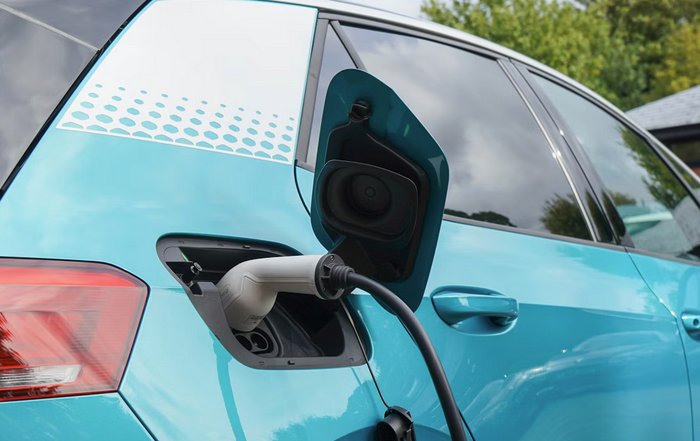
Although boardroom decisions and regulatory frameworks shape the direction of green innovation, its true test lies in how it transforms the daily lives of people in homes, workplaces, and communities. Across continents, consumers now encounter the tangible results of green innovation in the form of more efficient appliances, building retrofits, renewable electricity options, low-emission vehicles, plant-rich food alternatives, and digital services that make it easier to monitor and reduce personal environmental footprints. Organizations such as ENERGY STAR and the International Renewable Energy Agency (IRENA) provide data and guidance that illustrate how efficiency improvements and renewable energy adoption can lower costs and emissions for households and communities, and readers can deepen their understanding of these dynamics through ENERGY STAR and IRENA.

For YouSaveOurWorld.com, green innovation becomes meaningful when it helps individuals and families translate high-level climate concerns into manageable, rewarding lifestyle choices. The platform's coverage of lifestyle transformation and personal well-being highlights how energy-efficient homes, low-waste consumption habits, and healthier mobility options can simultaneously reduce environmental impact and improve comfort, health, and financial resilience. By grounding its guidance in real-world examples and practical steps, the site encourages readers to see themselves not merely as passive consumers of green products, but as active participants in a broader cultural shift toward sustainable living that supports both planetary boundaries and human flourishing.

Circular Economy, Waste, and the Reinvention of Plastics

One of the most visible arenas of green innovation is the transition from linear "take-make-dispose" models to circular systems in which products and materials are designed for longevity, reuse, repair, and high-quality recycling. Nowhere is this more urgent than in the global plastics economy, where escalating public concern about marine pollution, microplastics, and waste infrastructure gaps has spurred a wave of innovation in materials science, packaging design, logistics, and business models. The Ellen MacArthur Foundation and the UN Environment Programme's Global Commitment on plastics have helped define the contours of a circular plastics economy, offering roadmaps and case studies that businesses can study through the Ellen MacArthur Foundation and UNEP plastics resources.

For the editorial team and readership of YouSaveOurWorld.com, the topics of plastic recycling and waste reduction are central to the site's identity as a practical guide to sustainable living and responsible business. By examining how refill systems, deposit-return schemes, reusable packaging platforms, digital tracking tools, and innovative materials can reduce waste and create new revenue streams, the platform demonstrates that circular economy strategies are both environmentally essential and commercially attractive. Research from organizations such as the World Resources Institute (WRI), accessible via the WRI, reinforces the message that businesses which proactively design out waste and pollution are better prepared for resource price volatility, regulatory tightening, and shifting consumer expectations, while also building stronger, trust-based relationships with customers and communities.

Digitalization, Data, and Technology-Enabled Sustainability

Technological progress has become a powerful catalyst for green innovation, as advances in digitalization, artificial intelligence, the Internet of Things, advanced materials, and clean energy systems enable companies to measure, optimize, and transform their environmental performance with unprecedented precision. In industrial hubs from Germany and South Korea to the United States and China, manufacturers deploy sensor networks, digital twins, and real-time analytics to cut energy use and material waste, while logistics providers use route optimization, fleet electrification, and predictive maintenance to reduce fuel consumption and emissions. Global organizations such as the International Telecommunication Union (ITU) and the International Energy Agency have documented the potential of digital technologies to support climate and resource goals, and readers can explore these intersections through the ITU environment and climate portal.

YouSaveOurWorld.com treats technology as a double-edged enabler that must be governed carefully to ensure that efficiency gains are not offset by rebound effects or new social inequalities. Its coverage of technology trends and innovation pathways emphasizes lifecycle assessment, transparency, and human-centered design, encouraging businesses to evaluate not only the operational benefits of new tools but also their upstream and downstream impacts. Leading initiatives such as the Science Based Targets initiative (SBTi) and CDP provide standardized methodologies for setting climate targets and disclosing environmental performance, and those seeking to align digital transformation with credible climate strategies can consult the SBTi and CDP resources to understand how data and governance structures can turn ambition into verifiable progress.

Design as the Front Line of Green Innovation

At its core, green innovation is a design challenge, because the environmental performance of products and services is largely determined at the earliest stages of concept development, material selection, and system architecture. Across sectors such as automotive, construction, fashion, and consumer electronics, companies are increasingly experimenting with modular designs, bio-based materials, low-carbon concrete, repairable devices, and service-based models that extend product lifetimes and reduce embodied emissions. Institutions like the Cradle to Cradle Products Innovation Institute and leading design schools around the world have codified principles of circular and regenerative design, and professionals interested in these frameworks can explore them through the Cradle to Cradle Products Innovation Institute.

For YouSaveOurWorld.com, design is the bridge that connects environmental science, engineering, business strategy, and user experience. The platform's focus on design choices underscores that sustainable solutions succeed when they make low-impact behavior intuitive, convenient, and attractive, rather than burdensome or costly. By highlighting examples such as buildings that combine energy efficiency with biophilic design, digital services that nudge users toward lower-impact options, and consumer products that are aesthetically compelling yet easy to repair or recycle, the site demonstrates that green innovation is not a constraint on creativity, but a catalyst for more thoughtful, human-centered design that aligns customer satisfaction with planetary health.

Skills, Culture, and the Human Side of Transformation

No matter how advanced the technology or ambitious the targets, green innovation ultimately depends on people: their skills, mindsets, and willingness to challenge established assumptions. Around the world, universities, vocational institutions, and corporate training programs are integrating sustainability, climate science, and circular economy principles into curricula for engineers, designers, managers, and policymakers, recognizing that environmental literacy is now a core professional competency rather than a niche specialization. Global organizations such as UNESCO and the UN Global Compact have underscored the importance of education for sustainable development and responsible business conduct, and those who wish to explore these initiatives can review UNESCO Education for Sustainable Development and the UN Global Compact.

Within this broader educational shift, YouSaveOurWorld.com positions itself as a practical learning hub that complements formal education with accessible, up-to-date content. By directing readers to its education section and integrating insights from climate change science, sustainable business, and global perspectives, the platform helps professionals, students, and engaged citizens build the confidence and competence needed to champion green innovation within their organizations and communities. The site's emphasis on Experience, Expertise, Authoritativeness, and Trustworthiness reflects an understanding that cultural change requires credible information and role models, not just technology and capital, and that businesses thrive when employees across all functions feel empowered to contribute ideas and challenge unsustainable practices.

Economic Value, Risk Management, and Competitive Positioning

From the vantage point of corporate strategy, the most persuasive case for green innovation lies in its demonstrated ability to enhance economic performance while reducing risk and strengthening competitive advantage. Companies that invest proactively in energy efficiency, renewable energy, low-carbon materials, and circular models often realize direct cost savings through reduced resource use and lower exposure to carbon pricing or supply disruptions, while also gaining access to new markets in areas such as electric mobility, sustainable construction, and low-impact consumer goods. Analytical work by institutions like the International Monetary Fund (IMF) and McKinsey & Company has highlighted the macroeconomic and sectoral benefits of climate-aligned investment and innovation, and readers interested in these economic dimensions can explore the IMF climate hub and McKinsey Sustainability.

For the business-oriented audience of YouSaveOurWorld.com, which regularly engages with topics at the intersection of economy and sustainability, green innovation reframes success in terms of long-term value creation that balances financial returns with environmental and social outcomes. Companies that embed sustainability into their core strategies are often better positioned to navigate regulatory shifts, attract and retain talent, secure customer loyalty, and respond to shocks such as extreme weather events or resource shortages. By providing analysis, case examples, and practical guidance, the platform supports leaders in understanding how to translate broad climate commitments into specific initiatives, metrics, and governance structures that build resilience and credibility, rather than relying on high-level pledges that lack operational substance.

Regional Pathways in a Global Transformation

While green innovation is a global phenomenon, its expression varies significantly across regions, reflecting differences in policy frameworks, industrial structures, resource endowments, and cultural expectations. In Europe, particularly in countries such as Germany, Sweden, Denmark, and the Netherlands, green innovation is closely linked to industrial decarbonization, renewable energy deployment, and circular economy strategies supported by strong regulation and coordinated public-private initiatives. In North America, including the United States and Canada, corporate climate commitments, clean technology entrepreneurship, and subnational policies at the state or provincial level have driven growth in sectors such as electric vehicles, grid modernization, and sustainable agriculture, trends that are documented by bodies like the European Environment Agency and other regional institutions.

In Asia, countries such as China, Japan, South Korea, and Singapore are investing heavily in clean energy, smart cities, and advanced manufacturing technologies, while emerging economies in Southeast Asia and India explore how green innovation can support development goals, job creation, and climate resilience. Across Africa and Latin America, nations including Kenya, South Africa, Brazil, and Chile are experimenting with renewable energy, regenerative agriculture, and nature-based solutions that leverage local ecosystems and community knowledge. As a global platform, YouSaveOurWorld.com is attentive to these diverse trajectories, highlighting that while the overarching goals of decarbonization and resource efficiency are shared, the pathways to green innovation must be tailored to local contexts, institutional capacities, and social priorities. This global perspective helps readers situate their own organizations and communities within a broader mosaic of experiments, successes, and lessons learned.

Embedding Green Innovation into Corporate Strategy

For businesses that recognize the strategic importance of green innovation in 2026, the central challenge is to move from isolated pilot projects to integrated, organization-wide transformation. This typically involves setting science-based climate and resource targets, embedding sustainability criteria into capital allocation and procurement decisions, aligning executive incentives with long-term environmental performance, and establishing transparent reporting mechanisms that build trust with investors, regulators, employees, and communities. Organizations such as the World Business Council for Sustainable Development (WBCSD) and the Global Reporting Initiative (GRI) provide frameworks and tools that help companies operationalize these commitments, and those seeking structured guidance can explore the WBCSD and GRI resources.

YouSaveOurWorld.com supports this strategic integration by providing accessible, business-relevant content on sustainable business models, climate risk and opportunity, and innovation strategy. The platform's editorial approach emphasizes rigorous analysis, clear language, and practical examples that help leaders translate abstract sustainability goals into concrete roadmaps, governance structures, and performance metrics. By grounding its content in Experience, Expertise, Authoritativeness, and Trustworthiness, the site positions itself as a reliable partner for organizations that understand the urgency of environmental challenges but require clear, actionable information to design and execute effective responses.

Individuals, Communities, and the Social License for Innovation

Although much of the institutional architecture of green innovation is shaped by corporations, regulators, and investors, individuals and communities play a decisive role in determining which solutions gain traction and legitimacy. Through their purchasing choices, workplace advocacy, community initiatives, and political participation, citizens across the world influence the pace and direction of sustainable transformation. Networks such as C40 Cities and ICLEI - Local Governments for Sustainability document how city-level initiatives in areas like public transport, building efficiency, and waste management can create fertile ground for green innovation, and those interested in these urban perspectives can explore C40 Cities and ICLEI.

For the community that gathers around YouSaveOurWorld.com, this dimension of agency is central. By offering guidance on sustainable living, waste reduction, and personal well-being, the site encourages readers to see themselves as co-creators of a greener economy rather than passive observers of corporate and governmental action. When consumers favor products with credible sustainability credentials, employees advocate for responsible practices within their organizations, and communities support policies that prioritize climate and environmental protection, they collectively reinforce the business case for green innovation and help ensure that promising solutions scale rather than remain niche experiments.

Green Innovation and Shared Prosperity in the Years Ahead

As the world moves through the mid-2020s, the evidence continues to mount that green innovation is not a temporary trend but a structural shift redefining how value is created, measured, and shared. Companies that embed environmental objectives into their strategies, operations, and cultures are demonstrating greater resilience in the face of regulatory change, supply chain disruptions, and shifting consumer expectations, while societies that invest in education, infrastructure, and supportive policies are better positioned to achieve inclusive, low-carbon growth. For YouSaveOurWorld.com, this evolving landscape reinforces a clear mission: to serve as a trusted, globally relevant platform that connects business insight, technological progress, lifestyle choices, and global awareness into a coherent narrative of sustainable transformation.

By curating knowledge from leading institutions, showcasing practical examples, and translating complex trends into actionable guidance, YouSaveOurWorld.com helps its worldwide audience understand not only why green innovation matters, but how it can be implemented in organizations, communities, and everyday life. In doing so, the platform contributes to a future in which environmental stewardship and business success are recognized as mutually reinforcing pillars of a more resilient, equitable, and prosperous global economy, and in which every reader, whether a corporate decision-maker, an entrepreneur, a student, or a concerned citizen, can see a clear and credible pathway to participating in the transformation.
How Recycling Systems Differ Around the World

Last updated by Editorial team at yousaveourworld.com on Friday 23 January 2026
Article Image for How Recycling Systems Differ Around the World

How Recycling Systems Differ Around the World

A Global Lens on Local Recycling Realities

Recycling continues to serve as a revealing indicator of how societies manage resources, confront environmental risks, and translate sustainability commitments into everyday practice, yet despite decades of policy development and technological progress, global recycling remains uneven, fragmented, and in many places fragile. Some countries are integrating recycling into sophisticated circular economy strategies, reducing landfill dependence and designing products for recovery, while others still struggle to secure basic waste collection, rely heavily on informal sectors, or depend on exporting low-value materials. For the community gathered around YouSaveOurWorld.com, which focuses on sustainable living, climate resilience, and responsible business, understanding these differences has become critical for making informed decisions as consumers, professionals, investors, and policymakers.

Recycling systems are shaped by a combination of regulation, market structures, culture, technology, and public awareness, but they are also increasingly influenced by climate policy, resource security concerns, and the science of planetary boundaries. Global institutions such as the United Nations Environment Programme (UNEP) and the OECD now emphasize that recycling cannot be treated as a narrow waste-management function; it must be embedded within broader circular economy and decarbonization strategies that reduce material throughput and emissions across value chains. Readers who follow developments in climate change policy and science will recognize that waste and materials management are now seen as material contributors to national climate targets and corporate net-zero strategies, rather than peripheral environmental issues.

For YouSaveOurWorld.com, recycling is a practical entry point into a much wider conversation about how societies design products, organize supply chains, and allocate responsibility between producers, governments, and citizens. Examining how systems differ across regions-from highly disciplined models in parts of Europe and East Asia to rapidly evolving and often informal arrangements in Africa, South America, and South Asia-helps readers situate their own organizations, communities, and lifestyles within a global transition that is accelerating but still far from complete.

Core Pillars of Modern Recycling Systems

Although recycling systems around the world look very different on the surface, most of them rest on three interdependent pillars: policy frameworks, physical and digital infrastructure, and human behavior. When these elements are aligned, recycling rates tend to be higher, contamination lower, and economic value more easily captured; when one or more pillars is weak, systems often compensate through exports, informal labor, or environmentally damaging disposal.

Policy frameworks typically include extended producer responsibility (EPR) schemes, which make producers financially or operationally responsible for post-consumer products and packaging; deposit return systems for beverage containers; landfill taxes and incineration levies; and, increasingly, bans or restrictions on problematic single-use plastics. The European Commission has been particularly influential in codifying these approaches, especially through the EU Circular Economy Action Plan and the Waste Framework Directive, which set binding targets for recycling, landfill diversion, and packaging design across member states. Businesses and policymakers interested in these evolving rules can review the latest directives and implementation guidance on the European Commission's environment portal, which has become a reference point for many non-EU jurisdictions as well.

Infrastructure encompasses collection systems, transfer stations, material recovery facilities, reprocessing plants, and the logistics and data systems that connect them. Countries such as Germany, Japan, and South Korea have invested in advanced optical sorting, robotics, and automated quality control, while also standardizing packaging formats to facilitate high-quality material recovery. In contrast, many low- and middle-income countries still rely on a combination of municipal collection, open dumping or uncontrolled landfills, and extensive informal sectors. The World Bank continues to document these realities in its "What a Waste" series, accessible via the solid waste management pages, which highlight both the scale of the challenge and the economic opportunities in better resource recovery.

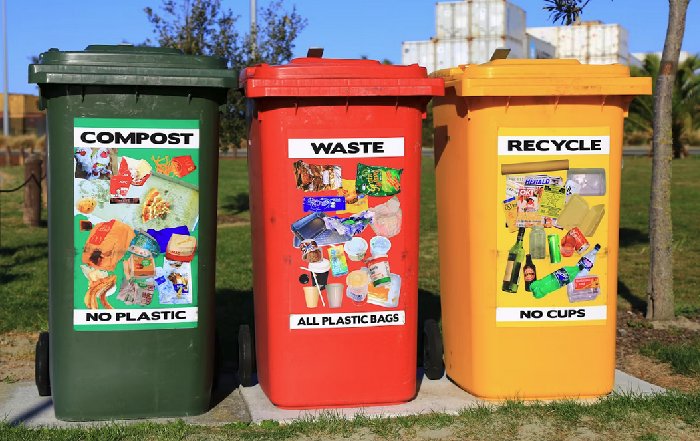
Behavioral dimensions-public awareness, social norms, trust in institutions, and convenience-often determine whether technically sound systems actually function as intended. Even the most sophisticated infrastructure cannot compensate for poor source separation, misinformation, or widespread skepticism about where recyclables end up. This is where environmental education, transparent communication, and community engagement become decisive. Readers who wish to strengthen environmental literacy in their organizations or neighborhoods can explore environmental awareness resources on YouSaveOurWorld.com, which connect behavioral insights with practical communication strategies.

Europe in 2026: Consolidating Circular Ambitions amid Uneven Progress

Europe still serves as a reference point for ambitious recycling and circular economy policies, yet the continent remains a mosaic of high performers, steady improvers, and laggards. Countries such as Germany, Austria, Belgium, and the Netherlands maintain some of the world's highest municipal recycling rates, supported by mature EPR systems, well-established deposit return schemes, and stringent landfill restrictions that make disposal economically unattractive. The German "Green Dot" model, developed by Der Grüne Punkt, continues to influence producer responsibility schemes globally and is often cited in analytical work by the OECD on EPR design, available through its circular economy portal.

However, Europe's apparent leadership masks significant internal disparities. In the United Kingdom, post-Brexit reforms have pushed toward more harmonized packaging EPR and nationwide deposit return systems, yet implementation has faced delays, cost debates, and coordination challenges between devolved administrations. Local authorities still vary widely in collection systems and communication quality, which affects contamination rates and public trust. For companies operating across the UK and continental Europe, aligning packaging design and data reporting with diverging but increasingly stringent rules has become a core element of corporate sustainability strategy, an issue explored in more depth in the sustainable business section of YouSaveOurWorld.com.

Southern and Eastern European countries, including Italy, Spain, Portugal, Poland, and several newer EU member states, have improved recycling performance over the last decade but continue to face structural challenges such as underdeveloped rural infrastructure, illegal dumping, and lower levels of source separation. Italy illustrates the importance of regional governance and civic engagement: northern regions such as Veneto and Trentino achieve very high separate collection rates through door-to-door systems and strong municipal leadership, while other regions still struggle with basic waste governance. Comparative data and case studies are regularly updated by the European Environment Agency, whose waste and resource efficiency pages provide a nuanced picture of progress and persistent gaps.

Nordic and some Western European countries, including Sweden, Denmark, Finland, Norway, and Netherlands, combine high recycling targets with energy-from-waste infrastructure and sophisticated deposit systems. Return rates for beverage containers frequently exceed 90 percent, but the continued reliance on incineration has sparked debates about "waste lock-in," where energy plants depend on steady waste flows and may inadvertently discourage stronger waste prevention and reuse measures. These tensions mirror a broader shift on YouSaveOurWorld.com, where recycling is framed not as an end goal but as one component of a hierarchy that prioritizes reduction, reuse, and circular waste management strategies.

North America: Policy Shifts, Market Pressures, and Local Innovation

In North America, recycling systems remain characterized by fragmentation and market dependence, yet the last few years have brought notable policy shifts and experimentation. In the United States, there is still no federal mandate for municipal recycling, and programs are largely defined at state and local levels, resulting in wide variation in accepted materials, collection methods, and funding models. The legacy of the China "National Sword" policy, which sharply curtailed imports of mixed recyclables in 2018, continues to shape discussions; that disruption exposed the vulnerability of export-dependent systems and forced many cities to renegotiate contracts, upgrade sorting facilities, or, in some cases, suspend curbside programs.

The US Environmental Protection Agency (EPA) has since advanced a National Recycling Strategy and complementary initiatives under its Sustainable Materials Management program, seeking to improve data, standardize measurement, and encourage investment in domestic processing capacity. Details of these efforts can be found on the EPA sustainable materials management pages, which increasingly emphasize circularity and lifecycle impacts rather than simple tonnage metrics. Nonetheless, progress remains uneven, as municipal budgets, political priorities, and public expectations differ sharply between regions.

In Canada, provincial leadership has driven more systemic reforms, particularly through full EPR programs for packaging and printed paper. Provinces such as British Columbia and Quebec are often cited as examples of producer-funded systems that stabilize financing, improve material quality, and create clearer incentives for design-for-recyclability. At the federal level, the Government of Canada has moved forward with a zero plastic waste agenda, including bans on certain single-use plastics, recycled content requirements for specific products, and support for innovation in recycling and reuse technologies. Readers can review these policies on the Environment and Climate Change Canada website, which outlines timelines and expectations for businesses.

For North American companies and communities, the key message is that engagement with local systems is essential but no longer sufficient; organizations must anticipate a trend toward more harmonized, producer-focused frameworks and integrate circular design, material transparency, and reverse logistics into their core business strategies. YouSaveOurWorld.com has observed that leading firms increasingly treat recycling performance as a proxy for supply chain resilience, brand trust, and preparedness for stricter climate and resource regulations.

East Asia: Discipline, Technology, and Systemic Integration

East Asia continues to demonstrate how regulatory clarity, cultural norms, and technological investment can combine to produce high-performance recycling systems, even in densely populated and resource-constrained contexts. Japan remains a global reference point for detailed municipal sorting rules and strong social expectations around compliance. Residents in many Japanese municipalities separate waste into numerous categories, often with specific collection days, volume-based fees, and penalties for non-compliance. National legislation, including the Containers and Packaging Recycling Law and the Home Appliance Recycling Law, embeds shared responsibility between manufacturers, retailers, and consumers. The Ministry of the Environment, Japan provides extensive documentation on these frameworks on its official site, which illustrates how legal obligations and social norms reinforce each other.

South Korea has refined a combination of pay-as-you-throw systems, mandatory sorting, and dedicated food waste collection that has attracted global attention. Households purchase standardized bags for residual waste, while food waste is collected separately and processed into animal feed, biogas, or compost, significantly reducing landfill pressures. These measures are complemented by robust EPR schemes for packaging and electronics. Singapore, constrained by limited land and reliant on waste-to-energy incineration, has adopted an integrated approach under its Zero Waste Masterplan, investing in advanced sorting, producer responsibility, and public campaigns that encourage reduction and reuse. Detailed descriptions of these initiatives are available via the National Environment Agency, which presents Singapore's strategy as a testbed for high-density, high-income cities.

China, as the world's largest manufacturing hub and materials consumer, plays a pivotal role in global recycling dynamics. Since the National Sword policy, Chinese authorities have accelerated domestic reforms, including mandatory sorting pilots in major cities, expansion of "circular economy industrial parks," and stricter controls on waste imports. Institutions such as the National Development and Reform Commission (NDRC) and the Ministry of Ecology and Environment have issued guidance that integrates recycling targets into industrial, climate, and pollution control strategies. International organizations, including the World Economic Forum, have analyzed the implications of these shifts for global supply chains and materials markets, and readers can explore this analysis through the WEF's circular economy and value chain hub.

For the audience of YouSaveOurWorld.com, East Asia underscores that high recycling rates are achievable when legislation, infrastructure, and culture are aligned, yet it also illustrates the importance of designing systems that remain resilient to market volatility, demographic change, and evolving material streams. These experiences inform our coverage of innovation and technology, where East Asian examples often feature prominently.

Emerging Economies: Informal Systems, Inclusion, and Rapid Transition

Across Africa, South America, and parts of South and Southeast Asia, recycling systems in 2026 remain strongly shaped by the interaction between formal municipal services and extensive informal sectors. In countries such as Brazil, Colombia, South Africa, India, Indonesia, and Kenya, millions of informal waste pickers and small-scale traders recover metals, paper, and higher-value plastics from streets, dumps, and landfills, often working under hazardous conditions but providing essential environmental and economic services.

In Brazil, the National Solid Waste Policy has encouraged municipalities to recognize and integrate waste picker cooperatives (catadores) into formal systems, providing contracts, infrastructure support, and social protections. This inclusive approach has attracted international attention and is documented by the Brazilian Ministry of the Environment and civil society organizations, while the Global Alliance of Waste Pickers maintains an information portal that highlights similar efforts in Latin America, Africa, and Asia. South Africa has also begun to formalize relationships with informal recyclers, particularly in major cities, recognizing their contribution to national recycling targets and attempting to move away from landfill dependence.

In Southeast Asia, countries such as Malaysia, Thailand, Vietnam, and Indonesia have faced intense scrutiny as destinations for exported plastic waste, especially after China's import restrictions. In response, many have tightened controls on waste imports, cracked down on illegal processing facilities, and begun to invest in domestic recycling and alternative materials. Reports by UNEP and partner organizations on plastic pollution and transboundary waste, available on the UNEP plastics and waste pages, underline both the environmental damage caused by poorly regulated trade and the potential for more equitable, locally grounded solutions.

For emerging economies, the challenge is not only to expand collection and processing capacity but to do so in ways that recognize existing livelihoods, improve working conditions, and avoid replicating the resource-intensive, disposable consumption patterns seen in many high-income countries. This requires integrating recycling into broader strategies for poverty reduction, public health, and climate resilience. YouSaveOurWorld.com increasingly highlights these intersections in its global perspectives, emphasizing that equitable recycling systems can support social stability, local enterprise development, and long-term environmental security.

Plastic Recycling in 2026: Persistent Weakness, Growing Governance

Across all regions, plastic remains the most problematic segment of the waste stream, and despite new policies and technologies, global plastic recycling rates in 2026 remain low relative to production volumes. The diversity of polymers, additives, and formats, combined with contamination and low market value for many items, continues to undermine the economics of conventional mechanical recycling. Organizations such as the Ellen MacArthur Foundation have documented these systemic barriers and proposed design and policy interventions through initiatives like the New Plastics Economy, which can be explored on their plastics overview pages.

Countries and cities are experimenting with a wide spectrum of responses, including mandatory design-for-recyclability standards, recycled content requirements, deposit systems for plastic bottles, bans or levies on single-use items, and support for advanced or chemical recycling technologies that break polymers down to monomers or fuels. These approaches are controversial in some cases, particularly where technologies are energy-intensive, unproven at scale, or risk diverting attention from upstream reduction and reuse. On YouSaveOurWorld.com, the plastic recycling section helps readers distinguish between robust circular solutions and strategies that may simply shift environmental burdens or enable continued overproduction of disposable plastics.

At the global level, negotiations toward a legally binding international plastics treaty under the auspices of the United Nations have advanced significantly since 2022, with discussions now focusing on controls over virgin polymer production, design standards, extended producer responsibility, and transboundary waste movements. Scientific input from bodies such as the International Resource Panel and coordination with trade and climate frameworks suggest that plastics governance is moving from a patchwork of voluntary initiatives to a more coherent regulatory regime. For businesses in packaging, consumer goods, automotive, electronics, and textiles, this shift implies rising expectations for transparency, traceability, and performance, and it reinforces the need to embed circular design into core product development and procurement strategies.

Technology and Innovation: Digital, Data-Driven, and Design-Led

Technological innovation is reshaping recycling systems at multiple levels, yet its impact depends heavily on governance and market conditions. Material recovery facilities in Europe, North America, and parts of Asia increasingly deploy AI-enabled optical sorters, robotics, and real-time quality monitoring, allowing them to handle more complex streams and reduce contamination. Digital product passports, QR codes, and blockchain-based tracking are being piloted to provide information on material composition, repairability, and recyclability, enhancing both consumer awareness and industrial material flows.

At the same time, startups and established firms are testing new business models that reduce reliance on traditional recycling by prioritizing reuse, repair, and remanufacturing. Refill systems, packaging-as-a-service models, and take-back schemes for electronics and textiles are gaining traction, particularly in urban markets with supportive policy frameworks. The World Economic Forum has highlighted these innovations in its work on the Fourth Industrial Revolution and circularity, with case studies and analysis available via its technology and circular economy hub. These developments resonate strongly with the coverage on technology and innovation at YouSaveOurWorld.com, where digital tools are seen as enablers of systemic change rather than ends in themselves.

However, technology cannot compensate for misaligned incentives or weak governance. Advanced chemical recycling facilities, for example, may offer potential pathways for dealing with mixed or contaminated plastics, but they also raise questions about lifecycle emissions, competition with mechanical recycling, and the risk of locking in high plastic production. Similarly, smart bins and sensor-equipped collection fleets can improve efficiency and data quality, yet they require capital investment, data protection safeguards, and public trust. The editorial approach at YouSaveOurWorld.com is to situate technological solutions within holistic strategies that consider environmental impacts, social equity, and long-term resilience rather than short-term throughput gains.

Culture, Lifestyle, Education, and Well-Being

Recycling practices are deeply influenced by cultural norms, lifestyle expectations, and perceptions of personal and community well-being. In countries such as Sweden, Denmark, and the Netherlands, high participation in recycling and waste reduction is underpinned by strong environmental values, trust in public institutions, and visible feedback loops that show citizens their efforts matter. In other contexts, confusion about rules, inconsistent messaging, or scandals related to exported waste can erode public confidence and reduce participation, even when infrastructure is available.

For individuals, recycling can either feel like a meaningful expression of environmental responsibility or a frustrating, symbolic gesture that appears disconnected from larger systemic issues. The difference often lies in clear guidance, intuitive system design, and integration with broader lifestyle choices such as mindful consumption, product durability, and community engagement. On YouSaveOurWorld.com, the lifestyle section and resources on personal well-being emphasize that sustainable habits, including thoughtful recycling, can enhance rather than diminish quality of life by fostering a sense of agency, connection, and alignment with personal values.

Education systems play a long-term role in shaping how future professionals and citizens understand waste and materials. Schools and universities that incorporate circular economy principles, practical recycling knowledge, and design thinking into curricula help normalize the idea that waste is largely a design and systems failure, not an inevitable by-product of progress. Readers can explore examples of such initiatives and pedagogical tools in the education section of YouSaveOurWorld.com, which highlights how formal and informal learning environments can accelerate cultural shifts toward circularity.

Economic and Design Imperatives for Business

From a business standpoint, recycling has moved from peripheral compliance to a strategic concern that touches brand reputation, risk management, and long-term competitiveness. Companies in United States, United Kingdom, Germany, Canada, Japan, Australia, and across Europe and Asia face rising expectations from regulators, investors, and customers to design products and packaging that are recyclable, reusable, or made with verified recycled content. ESG frameworks and sustainability reporting standards now scrutinize waste generation, material efficiency, and circularity practices as core indicators of corporate performance. The Global Reporting Initiative (GRI), for instance, has integrated waste and material topics into its standards, which companies can review on the GRI standards portal.

Design decisions made at the earliest stages of product development largely determine whether materials can be economically recovered at end of life. Complex composites, multi-layer packaging, and problematic additives often render items unrecyclable, regardless of downstream infrastructure. Conversely, mono-material packaging, modular design, and standardized components can dramatically improve recyclability and support secondary material markets. The design-focused content on YouSaveOurWorld.com explores how aesthetics, functionality, and circular principles can be reconciled, offering guidance for designers, engineers, and product managers who are under growing pressure to deliver solutions that perform environmentally as well as commercially.

At a macroeconomic level, the shift from a linear to a circular economy has implications for jobs, investment flows, and industrial competitiveness. The International Labour Organization (ILO) and other bodies have estimated that circular economy strategies, including recycling, repair, and remanufacturing, can generate millions of new jobs globally, particularly in local service sectors and regional value chains. These dynamics are discussed in more detail on the ILO's green jobs and circular economy pages, which align closely with the economy-focused analysis provided by YouSaveOurWorld.com. For policymakers and business leaders, understanding how recycling and circular design influence competitiveness, trade, and labor markets has become essential to crafting strategies that support both environmental and economic resilience.

Beyond Recycling: Toward Truly Circular Systems

By 2026, it has become clear that while recycling is indispensable, it is not sufficient on its own to keep economies within planetary boundaries or to achieve climate and biodiversity goals. High-performing systems in Germany, Japan, South Korea, the Nordic countries, and selected cities worldwide demonstrate what is possible when policy, infrastructure, and behavior align, yet persistent plastic pollution, ongoing export controversies, and rising global waste volumes reveal the limits of treating recycling as a technical fix for fundamentally linear production and consumption patterns.

For the global community connected through YouSaveOurWorld.com, the task ahead is to situate recycling within a broader shift toward regenerative, low-carbon, and socially inclusive economic models. This involves advocating for policies that prioritize waste prevention, reuse, and repair; supporting businesses that integrate circular design and transparent supply chains; and cultivating personal and collective habits that reduce waste at the source. It also requires acknowledging the diversity of local contexts, from technologically advanced hubs in Singapore and South Korea to rapidly urbanizing regions in Africa and South America, and tailoring strategies to local capacities, cultures, and priorities.

Recycling systems, in their variety and imperfections, reflect deeper societal choices about value, responsibility, and the relationship between human well-being and ecological limits. By engaging critically with these systems, learning from best practices, and supporting innovation in policy, technology, culture, and design, readers of YouSaveOurWorld.com can help steer the transition from fragmented waste management toward coherent circular ecosystems. In doing so, they contribute not only to cleaner cities and reduced pollution, but to a global economy that respects finite resources, protects climate stability, and enhances quality of life for current and future generations.

Sustainable Alternatives to Single-Use Plastics

Last updated by Editorial team at yousaveourworld.com on Friday 23 January 2026
Article Image for Sustainable Alternatives to Single-Use Plastics

Sustainable Alternatives to Single-Use Plastics: A Business and Lifestyle Imperative

Rethinking Single-Use Plastics in a Post-2025 Economy

The global debate on single-use plastics has evolved from questioning the need for change to managing the pace, scale, and integrity of that change across economies, supply chains, and everyday life. Mounting evidence on plastic pollution, the pervasiveness of microplastics in human blood, lungs, and placental tissue, and the link between plastics and fossil fuel dependence has turned what was once a peripheral environmental topic into a central strategic concern for executives, policymakers, investors, and households. For the international audience that relies on YouSaveOurWorld.com as a trusted reference point for sustainable living, this transformation is not simply about waste reduction; it is about economic resilience, innovation capacity, regulatory readiness, and long-term trust in brands and institutions.

Single-use plastics, whether in the form of packaging, food service items, carrier bags, or beverage containers, represent the archetype of the linear "take-make-waste" economy that is increasingly misaligned with tightening resource constraints, volatile energy markets, and climate commitments under frameworks such as the Paris Agreement. Analyses by the United Nations Environment Programme (UNEP) indicate that without decisive intervention, global plastic production could almost triple by 2060, while current waste and recycling infrastructure remains structurally incapable of handling existing volumes. Those seeking a deeper understanding of the climate implications of plastics can explore the climate change content on YouSaveOurWorld.com, which explains how plastic is inseparable from the broader challenge of decarbonizing energy systems and industrial production.

In this context, sustainable alternatives to single-use plastics have become a litmus test for credible sustainability strategies. They reveal whether businesses truly understand systemic risk, whether governments can design coherent policy frameworks, and whether individuals are prepared to adapt lifestyles in ways that align environmental responsibility with convenience, affordability, and personal well-being.

The Scale and Complexity of the Single-Use Plastic Challenge

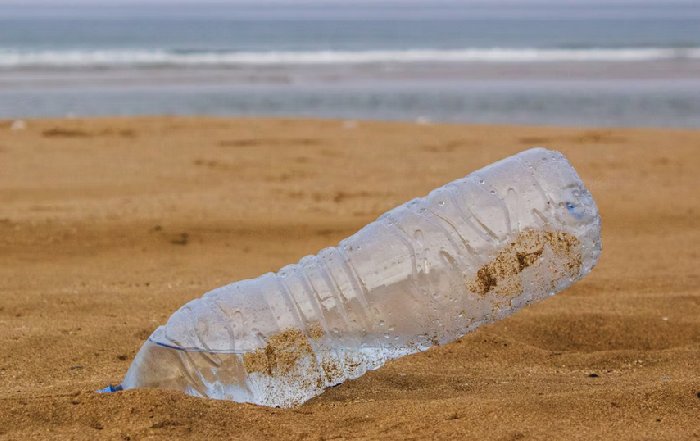
The true scale of the single-use plastic crisis is now documented with a level of precision that leaves little room for complacency. The Organisation for Economic Co-operation and Development (OECD) has shown that only a relatively small share of global plastic waste is effectively recycled, with the majority being landfilled, incinerated, or leaking into terrestrial and marine ecosystems. The widely cited warning from the Ellen MacArthur Foundation that, by 2050, there could be more plastic than fish in the ocean by weight has become a powerful symbol of systemic failure, influencing regulatory agendas and investor expectations in the United States, the European Union, the United Kingdom, and across major Asian economies.

This is a truly global challenge. North America and Europe continue to be significant consumers of plastic-intensive products, but rapidly growing economies in Asia, Africa, and Latin America are experiencing parallel surges in consumption, often without commensurate investment in collection and recycling systems. Urbanization, rising middle-class purchasing power, and e-commerce expansion are amplifying plastic flows in cities from Lagos to Jakarta, placing additional strain on already fragile waste systems. Readers interested in this broader context can explore the global sustainability perspective on YouSaveOurWorld.com, which situates plastic use within planetary boundaries, resource security, and social equity debates.

Research from The Pew Charitable Trusts, SystemIQ, and other expert bodies has made it clear that incremental improvements in recycling alone will not resolve the crisis. Even under optimistic assumptions about collection and processing, current trajectories would still result in massive leakage of plastics into the environment unless there is a fundamental reduction in single-use plastics at source. This insight has reshaped policy thinking and corporate strategy, emphasizing the need for upstream redesign, reuse systems, and material substitution, rather than relying on downstream fixes.

Regulatory Momentum and Market Signals in 2026

By early 2026, regulatory pressure on single-use plastics has intensified in many of the jurisdictions most relevant to the YouSaveOurWorld.com community. The European Union, through its Single-Use Plastics Directive and subsequent circular economy packages, has moved from initial bans on items such as straws, cutlery, and expanded polystyrene food containers toward more comprehensive extended producer responsibility schemes and mandatory recycled-content targets. Companies operating in Germany, France, Spain, Italy, the Netherlands, and the Nordic countries are now required to internalize the end-of-life costs of packaging and to demonstrate that their products are reusable, recyclable, or compostable in practice, not just in theory. Those seeking to understand how these obligations intersect with commercial strategy can consult the sustainable business resources on YouSaveOurWorld.com, which interpret regulatory trends through a business lens.

In North America, the regulatory landscape remains more fragmented but is moving steadily in the same direction. Several U.S. states and Canadian provinces have introduced bans or fees on plastic bags, polystyrene containers, and certain single-use items, while extended producer responsibility legislation for packaging is expanding at the state level. At the federal level, discussions on harmonized standards and data transparency are gaining momentum, influenced by scientific assessments from agencies such as the US Environmental Protection Agency (EPA) and the National Oceanic and Atmospheric Administration (NOAA). Similar dynamics are visible in the United Kingdom, Australia, New Zealand, and Asian markets including Japan, South Korea, Singapore, and China, where taxes, producer responsibility schemes, and eco-design requirements are reshaping product portfolios and packaging strategies.

These policy shifts are reinforced by powerful market signals from global finance. Initiatives such as the Principles for Responsible Investment (PRI) and disclosure frameworks aligned with the Task Force on Climate-related Financial Disclosures (TCFD) and the emerging International Sustainability Standards Board (ISSB) standards are prompting asset managers and lenders to scrutinize plastic footprints alongside carbon footprints. Organizations such as CDP and the World Business Council for Sustainable Development (WBCSD) are providing benchmarks and disclosure platforms that allow investors to compare corporate performance on plastics and circularity. Companies that fail to demonstrate credible plans for reducing single-use plastics increasingly face reputational risk, higher capital costs, and vulnerability to regulatory shocks, while those that lead can gain preferential access to capital and talent.

Experience and Expertise: Why Alternatives Must Be Systemic

For alternatives to single-use plastics to be effective and trustworthy, they must be grounded in rigorous life-cycle assessment, cross-disciplinary expertise, and an honest appraisal of trade-offs. Simply replacing a lightweight plastic item with a heavier material that has a higher carbon footprint, or introducing compostable packaging in a region without industrial composting facilities, can shift environmental burdens rather than reduce them. This is where the intersection of material science, industrial design, logistics, behavioural science, and economics becomes essential, and where curated platforms like YouSaveOurWorld.com provide value by synthesizing complex information into practical guidance.

Organizations such as the World Resources Institute (WRI), McKinsey & Company, and the International Resource Panel consistently emphasize that meaningful progress requires a systems approach. This means considering upstream material choices, midstream supply chain and retail practices, and downstream collection, sorting, and processing capabilities as part of an integrated whole. The thematic areas of waste, innovation, technology, and economy on YouSaveOurWorld.com mirror this systems perspective, helping readers understand how business models, infrastructure, and consumer behaviour interact.

Leading research institutions, including the Royal Society of Chemistry, Fraunhofer Institutes in Germany, and universities affiliated with networks such as the Global Research Alliance on Plastic Pollution, are advancing work on bio-based polymers, mono-material packaging, smart labels, and digital product passports. Their research underlines that the shift away from single-use plastics is not a rejection of modernity but an opportunity to redefine it, using advanced science and engineering to build a more circular industrial base that can withstand resource and climate shocks.

Material Alternatives: Beyond Simple Substitution

The proliferation of alternative materials in recent years-from bio-based plastics and certified paper to reusable container systems-has created both opportunities and confusion for businesses and consumers. Understanding the nuances of these options is crucial to avoid unintended consequences and greenwashing.

Bio-based and biodegradable plastics derived from feedstocks such as corn, sugarcane, algae, or cellulose have gained visibility, with companies like NatureWorks and Novamont at the forefront of developing polymers that can, under specific conditions, be composted or recycled. However, as highlighted by European Bioplastics, the Food and Agriculture Organization (FAO), and the EPA, the sustainability of these materials depends on factors such as land-use impacts, fertilizer and water use, and the availability of appropriate end-of-life infrastructure. Without clear labelling, robust standards, and accessible composting or recycling facilities, bio-based plastics can contaminate existing recycling streams or fail to degrade as intended, eroding public trust.

Paper and cardboard solutions can offer genuine environmental benefits when sourced from responsibly managed forests and designed for high recyclability. Certification schemes such as the Forest Stewardship Council (FSC) and the Programme for the Endorsement of Forest Certification (PEFC) help verify that fibre-based materials do not drive deforestation or biodiversity loss. However, the use of plastic coatings, complex laminates, and certain inks can compromise recyclability, underscoring the importance of close collaboration between packaging designers, material suppliers, and recyclers. Those interested in the design dimension of these trade-offs can explore the design resources on YouSaveOurWorld.com, which highlight how design decisions influence environmental performance across the product life cycle.

Reusable systems have emerged as one of the most promising alternatives to single-use plastics, particularly in food service, grocery retail, and e-commerce. From long-standing deposit-return schemes in Germany and the Nordic countries to technology-enabled reuse platforms in cities such as Singapore, London, and San Francisco, the evidence base is growing that well-designed reuse models can be both environmentally and economically superior over time. Reports by the World Economic Forum and the Ellen MacArthur Foundation demonstrate that standardized containers, reverse logistics networks, and digital tracking can drive down unit costs and environmental impacts as reuse systems scale. Readers can connect these insights with everyday practice through the lifestyle and business sections of YouSaveOurWorld.com, which explore how individuals and companies are integrating reuse into daily operations and consumer experiences.

Plastic Recycling and the Role of Advanced Technologies

Despite the growth of alternatives, plastics will remain essential in sectors such as healthcare, electronics, automotive, and high-performance packaging for the foreseeable future. Enhancing the quality, capacity, and economics of plastic recycling is therefore a critical pillar of any realistic transition strategy. Conventional mechanical recycling, while well established, faces persistent challenges related to contamination, mixed polymers, and degradation of material properties after repeated cycles, which limit the scope for high-value applications using recycled content.

In response, a new generation of advanced or "chemical" recycling technologies is being developed and piloted across the United States, Europe, and Asia. Processes such as pyrolysis, gasification, and depolymerization aim to break plastics down into their molecular components, which can then be used as feedstock for new plastics or other chemical products. Assessments by the European Environment Agency (EEA), Zero Waste Europe, and academic consortia have emphasized that while these technologies may play a role in a circular plastics system, they must be evaluated carefully in terms of energy use, emissions, economic viability, and potential to lock in continued high levels of virgin plastic production.

For households, municipalities, and businesses, a realistic understanding of what can and cannot be recycled remains essential. Over-optimism leads to "wishcycling," where items are placed in recycling bins despite not being recyclable in that system, increasing contamination and undermining the economics of recycling operations. The plastic recycling section of YouSaveOurWorld.com offers practical guidance on resin identification, local collection rules, and design-for-recycling principles, reinforcing the hierarchy of reduce and reuse first, recycle where appropriate, and avoid reliance on disposal as a default.

Sustainable Business Models: From Obligation to Advantage

Across markets as diverse as the United States, Canada, the United Kingdom, Germany, Singapore, Japan, South Korea, and Australia, leading companies have come to recognize that sustainable alternatives to single-use plastics are not merely a compliance requirement but a strategic lever. Investors, employees, and customers increasingly expect clear, measurable progress on circularity, waste reduction, and low-carbon operations, and they reward organizations that integrate these expectations into core business models rather than treating them as peripheral corporate social responsibility initiatives.

Analyses by Accenture, Boston Consulting Group (BCG), and other strategy firms indicate that companies with strong performance on environmental, social, and governance indicators tend to enjoy lower capital costs, enhanced innovation, and higher employee retention. Integrating alternative materials, reuse systems, and waste prevention into value propositions can unlock new revenue streams, from subscription-based refill services and packaging-as-a-service models to digital platforms that connect take-back schemes with secondary markets. Executives and entrepreneurs seeking to understand these shifts can benefit from the sustainable business content on YouSaveOurWorld.com, which translates high-level trends into practical frameworks for strategy, operations, and reporting.

Collaboration across value chains is emerging as a decisive factor in scaling alternatives. Retailers, fast-moving consumer goods companies, packaging converters, logistics providers, and technology firms are forming partnerships to standardize reusable containers, harmonize labelling, share data on material flows, and co-invest in infrastructure such as washing facilities and sorting plants. Global initiatives like the Global Commitment led by the Ellen MacArthur Foundation and UNEP provide shared targets and reporting structures, while independent verification and rankings by organizations such as As You Sow and ShareAction offer external scrutiny that reinforces accountability.

Design, Innovation, and Technology for a Circular Future

Design decisions are a critical determinant of whether alternatives to single-use plastics deliver genuine environmental benefits. By the time a product reaches a consumer, most of its environmental profile has already been locked in through choices about material selection, modularity, durability, reparability, and end-of-life pathways. Recognizing this, leading design schools and professional networks in Europe, North America, and Asia are embedding circular design principles into their curricula and practice, encouraging designers to think in systems rather than isolated objects.

The Circular Design Guide, developed by the Ellen MacArthur Foundation and IDEO, has helped popularize methods for designing out waste and pollution from the outset, keeping products and materials in use for as long as possible, and regenerating natural systems. For businesses, applying these principles means engaging engineers, material scientists, recyclers, and marketers in integrated design processes that prioritize mono-material solutions, easy disassembly, and clear consumer instructions. Readers can explore these ideas further in the innovation and design sections of YouSaveOurWorld.com, which showcase emerging case studies, tools, and methodologies relevant to different sectors.

Digital technologies are increasingly central to enabling circular alternatives. Artificial intelligence and computer vision are improving the accuracy and speed of sorting at recycling facilities, while the Internet of Things and sensor networks are used to track reusable packaging fleets, optimize collection routes, and monitor container lifetimes. Blockchain-based systems and digital product passports, supported by initiatives such as those of the European Commission and industry alliances, are beginning to provide traceability for materials, enabling more transparent reporting on recycled content and end-of-life outcomes. These technological advances do not replace the need for sound policy and behavioural change, but they significantly expand the range of feasible solutions.

Education, Environmental Awareness, and Behavioural Change

No transition away from single-use plastics can succeed without informed and engaged citizens who understand the implications of their choices and have access to viable alternatives. Education and environmental awareness are therefore central pillars of a credible strategy, and they are at the heart of the mission of YouSaveOurWorld.com, which aims to bridge the gap between complex scientific, regulatory, and economic debates and the everyday decisions made in homes, schools, and workplaces.

Organizations such as UNESCO, UNICEF, and national education ministries are integrating sustainability, circular economy, and climate literacy into curricula from primary schools to universities and vocational training programs. This equips young people in countries across Europe, North America, Asia, Africa, and Latin America with the systems thinking skills necessary to navigate a world where resource constraints and environmental risks shape economic opportunity and social stability. The education resources on YouSaveOurWorld.com support this shift by offering accessible explanations, case studies, and discussion prompts that can be used in classrooms, corporate training, and community initiatives.

Behavioural science research, including work by The Behavioural Insights Team in the United Kingdom and academic centres around the world, has shown that relatively small changes in choice architecture, information framing, and social norms can significantly influence how people use and dispose of packaging. Defaults that favour reusable options, clear and consistent labelling, visible leadership by institutions and businesses, and public feedback on community progress can all help normalize low-waste behaviours. The environmental awareness section of YouSaveOurWorld.com highlights how communication strategies, social marketing, and community engagement can accelerate the uptake of alternatives and sustain momentum over time.

Personal Well-Being, Lifestyle, and the Human Dimension

The move away from single-use plastics is often framed in technical or regulatory language, but it also has important implications for personal health, lifestyle choices, and psychological well-being. Microplastics and associated chemical additives have been detected in drinking water, food, indoor air, and human tissues, raising legitimate concerns about long-term health effects. Institutions such as the World Health Organization (WHO) and the European Food Safety Authority (EFSA) are intensifying research into exposure pathways and potential impacts on endocrine, reproductive, and immune systems, reinforcing the rationale for precautionary reductions in unnecessary plastic contact where alternatives are available.

At the same time, individuals and communities around the world are discovering that lower-waste lifestyles can enhance quality of life. Experiences from zero-waste stores, refill stations, repair cafes, and community sharing initiatives in cities such as Berlin, Toronto, Melbourne, Singapore, and Cape Town suggest that reducing reliance on disposables often coincides with more intentional consumption, healthier diets, less household clutter, and stronger local networks. The personal well-being and lifestyle sections of YouSaveOurWorld.com explore these connections in depth, illustrating how responsible consumption can support mental health, financial resilience, and a sense of purpose.

For many readers, the central question is how to align daily routines, purchasing decisions, and professional responsibilities with a coherent set of environmental and social values. By presenting evidence-based options, highlighting credible innovations, and sharing stories from diverse regions and sectors, YouSaveOurWorld.com helps individuals and organizations see that choosing alternatives to single-use plastics is not about deprivation, but about designing lives and businesses that are more resilient, equitable, and meaningful.

A Strategic Agenda for 2026 and Beyond

As 2026 progresses, sustainable alternatives to single-use plastics have become a practical test of how seriously societies, businesses, and individuals take the broader sustainability agenda. From regulatory frameworks in the European Union, the United Kingdom, and major Asian economies, to voluntary corporate commitments and local initiatives in communities across North America, Europe, Africa, and Latin America, the direction of travel is increasingly clear: linear, disposable models are giving way to circular, regenerative approaches that value materials, reduce emissions, and prioritize human health.

For decision-makers in boardrooms, city halls, and civil society organizations, the challenge is to move beyond isolated pilots, marketing-driven substitutions, or narrow compliance exercises and to embed alternatives into coherent strategies that integrate material science, design, technology, education, and behavioural insights. For citizens and consumers, the opportunity lies in using purchasing power, professional influence, and community engagement to accelerate the adoption of proven solutions and to hold laggards to account.

In this evolving landscape, YouSaveOurWorld.com positions itself as a trusted knowledge partner, curating insights, interpreting global trends, and connecting them to local realities. By integrating perspectives on sustainable living, plastic recycling, sustainable business, climate change, environmental awareness, and related themes across technology, waste, and economy, the platform underscores that the transition away from single-use plastics is part of a broader reimagining of how economies function and how people live well within ecological limits.

The decisions taken over the coming years-by policymakers designing regulations, by executives reshaping product portfolios and supply chains, by educators updating curricula, and by households adjusting daily habits-will determine whether the world can bend the curve of plastic pollution while strengthening economic competitiveness and social cohesion. By grounding those decisions in experience, expertise, authoritativeness, and trustworthiness, and by drawing on the best available knowledge from organizations such as UNEP, WRI, WHO, and leading academic and industry partners, the global community can move decisively beyond single-use plastics toward systems that are environmentally sound, economically robust, and socially just. In doing so, it can realize the vision that underpins YouSaveOurWorld.com: a world where innovation, responsibility, and well-being reinforce each other rather than compete, and where every decision-large or small-contributes to saving and sustaining the planet we share.

Simple Ways to Promote Environmental Awareness

Last updated by Editorial team at yousaveourworld.com on Friday 23 January 2026
Article Image for Simple Ways to Promote Environmental Awareness

Simple Ways to Promote Environmental Awareness in 2026

Environmental Awareness as a Strategic Imperative

In 2026, environmental awareness has matured from an emerging concern into a decisive force shaping global markets, public policy, technological innovation, and personal lifestyle choices, and for the community that turns to YouSaveOurWorld.com, this evolution defines how they navigate work, investment, education, and daily living. As climate-related risks intensify, supply chains become more exposed to environmental disruption, and stakeholders demand measurable sustainability outcomes, environmental awareness is no longer a peripheral value; it is a strategic competency that influences decisions in boardrooms, city councils, classrooms, and households across the United States, Europe, Asia, Africa, and South America.

For YouSaveOurWorld.com, environmental awareness is not treated as an abstract ideal but as a practical framework that guides how readers adopt sustainable living practices, improve plastic recycling, build sustainable business models, respond to climate change, and integrate innovation, technology, and personal well-being into a coherent approach to sustainability. The platform's mission is to bridge credible science, real-world business experience, and local action so that environmental awareness becomes both intellectually grounded and operationally useful for its global audience. Readers who want to understand how these themes connect at a high level can explore broader context on environmental awareness, where the site positions environmental understanding as a core capability for the coming decade.

Defining Environmental Awareness in a Data-Rich, Risk-Conscious World

By 2026, environmental awareness is increasingly defined by the ability to interpret complex data, understand systemic interdependencies, and recognize that ecological, social, and economic outcomes are inseparable. Scientific assessments from the Intergovernmental Panel on Climate Change (IPCC) continue to confirm that global average temperatures are rising, extreme weather events are becoming more frequent and intense, and critical ecosystems are under mounting pressure, and those who wish to see the underlying evidence can consult the latest reports directly through the IPCC website.

At the same time, organizations such as the United Nations Environment Programme (UNEP) and the World Bank are refining the economic case for sustainability, documenting how air pollution, land degradation, and unmanaged waste erode productivity, increase health costs, and heighten financial risk, while well-designed green strategies create new markets and resilience benefits. Executives and policymakers can review global environmental trends and policy responses through UNEP's resources and examine climate-development linkages on the World Bank's climate change portal.

Within this global context, YouSaveOurWorld.com frames environmental awareness as an integrated mindset rather than a discrete body of facts. It emphasizes the capacity to connect personal consumption patterns, corporate strategies, urban infrastructure, and technological choices to planetary boundaries and social equity. This systems-based understanding enables readers to see how apparently simple actions-such as choosing a low-carbon commute or improving household waste separation-are connected to larger patterns of emissions, resource use, and public health, and how these individual decisions can scale into collective impact when adopted widely.

Making Sustainable Living Practical, Visible, and Aspirational

One of the most effective ways to deepen environmental awareness is to make sustainable living both practical and aspirational, transforming sustainability from a perceived sacrifice into a visible marker of quality, efficiency, and modernity. When households in countries such as Canada, Germany, Australia, and Singapore adopt energy-efficient technologies, minimize food and packaging waste, and prioritize walking, cycling, or public transport, they demonstrate that environmentally responsible lifestyles can coexist with comfort, convenience, and economic prudence.

For readers seeking structured guidance on how to embed sustainability into everyday routines, YouSaveOurWorld.com curates best practices through its dedicated sustainable living section, aligning its recommendations with international frameworks on responsible consumption and production. Those who wish to explore global policy perspectives on sustainable consumption can review resources from the United Nations Department of Economic and Social Affairs (UN DESA), which outlines patterns of consumption and production that are compatible with long-term development goals; more detail is available through the UN's pages on sustainable consumption and production.

In practice, environmental awareness becomes more tangible when sustainable behaviors are made visible and easy to replicate. Clearly organized home recycling areas, prominently displayed energy-monitoring devices, or office kitchens stocked with reusable containers and water stations serve as constant prompts that reinforce sustainable norms. When these visible choices are shared through workplace discussions, neighborhood groups, or local digital communities, they function as informal education tools that normalize sustainable behavior and encourage others to experiment with similar changes, gradually shifting social expectations toward environmentally conscious lifestyles.

Plastic Recycling as an Entry Point to Circular Thinking

Plastic remains one of the most recognizable symbols of the global environmental challenge, and in 2026 it continues to serve as an accessible entry point for people beginning to engage with sustainability. The sight of plastic debris in rivers, coastal areas, and urban landscapes has driven governments from the United Kingdom and France to Thailand and South Africa to tighten regulations on single-use plastics, introduce extended producer responsibility schemes, and invest in improved collection and sorting infrastructure.

On YouSaveOurWorld.com, the focus on plastic recycling is intentionally framed within a broader conversation about waste prevention and circular economy models. The platform emphasizes that while recycling is essential, it is only one element in a hierarchy that prioritizes reduction and reuse. The work of the Ellen MacArthur Foundation has been particularly influential in articulating how circular design and business models can decouple growth from resource use, and readers who wish to explore these concepts further can review case studies and frameworks on the Ellen MacArthur Foundation website.

Raising environmental awareness through plastic recycling requires accurate, locally relevant information about which plastics are accepted in specific systems, how to avoid contamination, and why certain materials are difficult or uneconomical to recycle. Municipalities, businesses, and schools can draw on guidance from the U.S. Environmental Protection Agency (EPA), which provides practical instructions and educational materials on recycling fundamentals; further details can be found via the EPA's pages on recycling basics. By communicating these details clearly and repeatedly, organizations not only improve recycling rates but also help citizens understand the broader lifecycle of materials, the energy embedded in products, and the economic logic of circular systems, thereby deepening environmental literacy.

Connecting Climate Change to Local Realities and Everyday Choices

Climate change remains the defining environmental and economic risk of this century, yet its scale can make it feel distant or abstract unless it is linked to local realities and everyday decisions. In 2026, residents of the Netherlands confront sea-level rise and coastal flooding, communities in Spain, Italy, and Brazil experience prolonged heatwaves and droughts, and cities in China and India grapple with air quality challenges tied to fossil fuel combustion and industrial emissions. These localized impacts create an opportunity to translate global climate science into narratives that resonate personally and professionally.

The climate change content on YouSaveOurWorld.com is designed to bridge this gap, presenting global trends alongside practical mitigation and adaptation strategies relevant to households, businesses, and local governments. For readers who want to visualize climatic changes through authoritative data and imagery, the National Aeronautics and Space Administration (NASA) offers accessible charts, maps, and explanations of key indicators such as global temperature, sea ice extent, and atmospheric carbon dioxide; these resources can be explored through NASA's climate portal.

Environmental awareness around climate change becomes more actionable when it is linked to specific decisions: improving building insulation and heating systems, choosing low-carbon transport options, supporting renewable energy providers, adjusting investment portfolios to account for transition and physical risks, or adopting more plant-rich diets. When companies in Japan, South Korea, or Sweden commit to science-based emission reduction targets and disclose their climate strategies, they not only reduce their own footprints but also educate employees, suppliers, and customers about feasible pathways to decarbonization. This combination of transparent communication and concrete action helps demystify climate solutions and reinforces the message that every sector and individual has a role in shaping climate outcomes.

Sustainable Business as a Catalyst for Awareness and Market Transformation

Businesses have emerged as powerful catalysts for environmental awareness because they sit at the intersection of resource use, innovation, finance, and communication. In 2026, leading organizations recognize that sustainability is not merely a reputational issue but a driver of competitiveness, risk management, and long-term value creation. For the audience of YouSaveOurWorld.com, this recognition is particularly relevant, as many readers operate in or interact with companies that are rethinking products, services, and operations through a sustainability lens.

The platform's sections on sustainable business and business explore how organizations can integrate environmental, social, and governance considerations into strategy, governance, and performance management. Global initiatives such as the UN Global Compact provide principles-based guidance for responsible business, while the Task Force on Climate-related Financial Disclosures (TCFD) and its successors have helped normalize climate-related risk disclosure in financial reporting. Executives and investors seeking to align their practices with these frameworks can review guidance on the UN Global Compact website and examine climate disclosure recommendations through the TCFD resources.

As more companies publish sustainability reports, link executive incentives to environmental performance, and engage employees in green innovation programs, they create powerful channels for raising environmental awareness well beyond their immediate operations. Supply chain collaborations, industry coalitions, and cross-sector partnerships amplify this effect by sharing best practices and setting collective targets. For the readers of YouSaveOurWorld.com, these developments demonstrate that environmental awareness is increasingly a hallmark of professional competence and organizational excellence, not an optional add-on.

Education and Lifelong Learning as Foundations of Environmental Literacy

Building durable environmental awareness requires embedding ecological and systems thinking into education at all levels, from early childhood to executive training. In 2026, schools in Norway and Finland, universities in the United States, China, and South Africa, and vocational programs across Asia and Africa are gradually integrating sustainability into curricula for science, economics, engineering, law, design, and the humanities. This cross-disciplinary approach helps students understand that environmental issues are not confined to a single subject but permeate every field of human activity.

YouSaveOurWorld.com supports this educational mission through its education content, which highlights methods for teaching environmental concepts in ways that are both rigorous and engaging. Internationally, UNESCO has advanced Education for Sustainable Development as a framework that encourages critical thinking, problem-solving, and participation in real-world sustainability challenges. Educators and policymakers can explore these frameworks and teaching tools on the UNESCO Education for Sustainable Development pages.

Beyond formal education, environmental awareness is reinforced through lifelong learning opportunities. Online courses, micro-credentials, and professional development programs in areas such as sustainable finance, renewable energy, circular design, and environmental law allow working professionals to update their skills as regulations, technologies, and market expectations evolve. Platforms like Coursera and edX, collaborating with leading universities and institutions, offer accessible pathways for individuals and organizations to deepen their expertise in sustainability-related domains; those interested can review relevant offerings directly on Coursera or edX. By encouraging employees, students, and community members to pursue such learning, organizations cultivate a culture where environmental awareness is continuously refreshed and expanded.

Harnessing Technology and Innovation to Engage, Measure, and Improve

Technology and innovation occupy a central place in the environmental narrative of 2026, both as sources of challenge and as essential tools for solutions. Digital technologies-ranging from artificial intelligence and advanced analytics to the Internet of Things and satellite monitoring-are now widely used to track emissions, optimize logistics, manage energy systems, and monitor ecosystems in cities such as London, Berlin, Singapore, and Seoul. These tools make previously invisible environmental impacts measurable and therefore manageable.

For the audience of YouSaveOurWorld.com, the connection between technology, innovation, and environmental outcomes is a recurring theme. Organizations like the World Resources Institute (WRI) have developed open data platforms and analytical tools that help governments, businesses, and civil society understand deforestation trends, water stress, and urban emissions, among other issues. Stakeholders can explore these tools and datasets through the WRI website, using them to inform policy, investment, and operational decisions.

At the same time, digital communication channels-from social media and podcasts to immersive virtual reality experiences-play a vital role in translating complex environmental information into compelling stories. Virtual tours of coral reefs, interactive maps of climate risks, or apps that track personal carbon footprints make environmental issues more relatable and actionable, particularly for younger audiences in Brazil, Malaysia, New Zealand, and other regions with high digital engagement. When these technologies are paired with clear calls to action-such as joining local restoration projects, supporting policy initiatives, or changing consumption habits-they transform passive awareness into active participation.

Designing Cities, Products, and Lifestyles for Sustainable Outcomes

Design has become a strategic lever for embedding environmental awareness into the fabric of daily life, because it determines how people move through cities, interact with products, and experience services. In urban centers across the Netherlands, Denmark, and Japan, planners and architects have demonstrated that compact, mixed-use neighborhoods, integrated public transit, and green infrastructure can reduce emissions, improve resilience, and enhance quality of life, while also serving as visible demonstrations of sustainable design principles.

YouSaveOurWorld.com reflects this design-centric perspective through its design and lifestyle content, emphasizing that environmental awareness is strengthened when people can see and feel sustainable alternatives in their homes, offices, and public spaces. Organizations such as the World Green Building Council provide guidelines and case studies on low-carbon, resource-efficient buildings that improve health and productivity while reducing operating costs; professionals interested in the built environment can examine these resources through the World Green Building Council website.

Product and service designers in sectors including fashion, electronics, mobility, and food increasingly apply life-cycle assessment, modular design, and eco-labeling to communicate environmental performance to consumers. Clear information on carbon footprints, repairability, recyclability, and sourcing practices allows customers to make informed choices, reinforcing the message that every design decision carries long-term environmental implications. For the readers of YouSaveOurWorld.com, this design lens offers a practical way to evaluate the products and environments they interact with daily and to advocate for better options in their roles as consumers, professionals, and citizens.

Linking Environmental Awareness to Health and Personal Well-Being

A powerful driver of environmental awareness in 2026 is the growing recognition that environmental quality and human health are inseparable. Clean air, safe water, access to green spaces, and stable food systems directly influence physical and mental health outcomes in cities from Los Angeles and Toronto to Mumbai and Johannesburg, and as heatwaves, pollution episodes, and extreme weather events become more frequent, these links are no longer theoretical.

YouSaveOurWorld.com highlights this dimension through its personal well-being content, underscoring that environmental responsibility and self-care can be mutually reinforcing rather than competing priorities. The World Health Organization (WHO) has compiled extensive evidence on how environmental exposures-such as air pollution, unsafe water, and chemical contaminants-contribute to disease burdens and mortality worldwide, and how climate change amplifies many of these risks. Readers can explore these connections in detail on the WHO's pages dedicated to environment and health.

By framing sustainable actions as pathways to improved health-such as choosing active transport modes that reduce emissions while increasing physical activity, adopting diets that are both climate-friendly and nutritionally balanced, or spending time in natural environments that support mental well-being-environmental communicators can tap into deeply personal motivations. This integrated approach is particularly effective in workplaces, schools, and community programs, where initiatives that simultaneously target wellness and sustainability can attract broader engagement and sustain behavior change over the long term.

Building Global and Local Partnerships to Amplify Awareness

Environmental awareness scales most effectively when global insights are translated into local action through partnerships that connect governments, businesses, civil society, and citizens. In 2026, cross-sector collaborations in regions such as the United States, United Kingdom, Switzerland, China, India, and South Africa are bringing together municipalities, universities, non-profits, and companies to co-create awareness campaigns, living labs, and community projects focused on issues like waste reduction, climate resilience, and biodiversity protection.

The global orientation of YouSaveOurWorld.com, reflected in its global and economy sections, aligns closely with the UN Sustainable Development Goals (SDGs), which provide a shared framework for integrating environmental, social, and economic objectives. Those seeking to understand how local awareness initiatives contribute to broader development agendas can review the SDGs and related targets on the United Nations SDGs portal.

Effective local partnerships are typically characterized by credible data, inclusive participation, and transparent communication. Neighborhood initiatives in Melbourne, industrial clusters in Germany, and coastal communities in Thailand that share results, challenges, and lessons learned through conferences, online platforms, and professional networks help replicate successful models elsewhere and avoid repeating common mistakes. For the audience of YouSaveOurWorld.com, these examples illustrate that environmental awareness is not an isolated endeavor but a collaborative, iterative process that benefits from diverse perspectives and shared learning.

From Awareness to Action: The Ongoing Commitment of YouSaveOurWorld.com

For YouSaveOurWorld.com, promoting environmental awareness in 2026 is both a core mission and an evolving practice, grounded in the belief that informed individuals and organizations can drive meaningful change across sectors and regions. The platform's content on sustainable living, waste and resource management, sustainable business, and environmental awareness is curated to help readers translate knowledge into specific, realistic actions that fit their circumstances, whether they are managing a household, leading a company, teaching in a school, or shaping public policy.

By drawing on evidence and guidance from trusted institutions such as the IPCC, UNEP, WHO, World Bank, and other expert bodies, and by connecting these global insights to the practical themes covered throughout YouSaveOurWorld.com, the site aims to support a community of readers who see environmental awareness as a daily practice rather than a one-time realization. As environmental, technological, and economic conditions continue to evolve, the most effective responses will be those that combine solid data, innovative thinking, collaborative partnerships, and a clear sense of shared responsibility.

In this sense, environmental awareness in 2026 is best understood not as an endpoint but as a disciplined way of seeing and acting in the world-a perspective that informs choices in business strategy, urban design, education, personal lifestyle, and civic engagement. By nurturing this awareness and continually reinforcing the connection between knowledge and action, individuals and organizations can contribute to a more resilient, equitable, and sustainable future, advancing the core ambition that animates YouSaveOurWorld.com: to empower people everywhere to participate meaningfully in saving and regenerating the world they share.

Climate Change Risks Facing Future Generations

Last updated by Editorial team at yousaveourworld.com on Friday 4 September 2026
Article Image for Climate Change Risks Facing Future Generations

Climate Change Risks Facing Future Generations in 2026

A Defining Challenge at Mid-Decade

By 2026, climate change has fully transitioned from a projected future threat to a defining present reality that is reshaping how economies function, how cities grow, how businesses compete, and how individuals think about security and well-being across their lifetimes. For the generations now entering education systems, the workforce, and leadership positions, climate risk is not a separate environmental category; it is a structural condition that informs decisions on investment, infrastructure, public health, and personal lifestyle. On YouSaveOurWorld.com, this reality is approached as an integrated, cross-cutting challenge, connecting sustainable living, climate-conscious business strategy, technological innovation, social resilience, and personal well-being into a coherent narrative that speaks directly to the world they will inherit.

Climate science has continued to advance, and the Intergovernmental Panel on Climate Change (IPCC) now provides highly granular assessments of how different warming pathways will affect regional weather systems, ocean circulation, biodiversity, and human settlements. Readers seeking to understand the scientific baseline can consult the latest assessments and synthesis reports available through the IPCC, which outline the remaining carbon budget, the implications of overshooting 1.5°C or 2°C, and the differential impacts on regions such as the Arctic, small island states, and densely populated coastal zones. Complementing this, agencies such as NASA and the National Oceanic and Atmospheric Administration (NOAA) maintain extensive datasets and visualizations of global temperature anomalies, sea-level trends, and cryosphere changes, allowing decision-makers to track in near real time how quickly the climate system is evolving and why the urgency of action has intensified during the 2020s.

Within this global context, YouSaveOurWorld.com positions climate change as a practical, decision-relevant issue. Its content links the scientific evidence to everyday choices about energy use, mobility, housing, diet, and consumption, and to strategic decisions in business, finance, and public policy. The platform's perspective is explicitly intergenerational: the question is not only how societies manage climate risk today, but how current decisions will either constrain or expand the options available to children, adolescents, and young adults over the next five decades.

Understanding the Core Risks of a Warming World

The risks confronting future generations can be grouped into a network of interdependent domains: physical climate impacts on ecosystems and infrastructure, macroeconomic and financial disruptions, social and geopolitical instability, and cascading consequences for health, education, and personal security. Each of these domains is shaped by present-day decisions on energy systems, land use, industrial strategy, and patterns of production and consumption, which means that risk is not an external fate but a function of collective choices.

Physical climate impacts are now visible on every continent. The World Meteorological Organization (WMO) documents a sustained rise in the frequency and intensity of heatwaves, heavy precipitation events, prolonged droughts, and severe storms, many of which are now statistically attributable to anthropogenic climate change. Regions such as the Mediterranean basin, the western United States, parts of Australia, and sections of Latin America and Africa face escalating wildfire and drought risks, with direct implications for water security, agriculture, and rural livelihoods. Coastal megacities from Miami and New York to Mumbai, Lagos, and Shanghai confront a growing combination of sea-level rise, land subsidence, and storm surges that threaten critical infrastructure and housing, especially in low-income districts.

On YouSaveOurWorld.com, these physical manifestations are not treated as isolated disasters but as signals of a system in transition. The platform's coverage of climate change emphasizes that what previous generations considered "extreme" is rapidly becoming part of a new normal, which will define the baseline conditions under which younger generations must plan careers, investments, and family lives. This shift in baseline risk is central to understanding why incremental adaptation is no longer sufficient and why transformative approaches to energy, land use, and urban development are now under serious consideration in boardrooms and ministries alike.

Economic, Business, and Market Disruptions

For a business-focused audience, the macroeconomic and market consequences of climate change are among the most pressing concerns, because they directly influence profitability, asset valuation, and long-term competitiveness. Institutions such as the International Monetary Fund (IMF) and the World Bank increasingly frame climate change as a systemic economic risk, warning that unchecked warming could reduce global GDP, heighten inflationary pressures through supply-side shocks, disrupt trade flows, and widen inequality between high-income and low-income countries. Their analyses highlight that climate shocks-such as multi-year droughts, extreme floods, or storm damage to ports and industrial hubs-can undermine fiscal stability and strain public finances, particularly in emerging economies that have limited capacity to absorb repeated losses.

Central banks and financial supervisors, coordinated through the Network for Greening the Financial System (NGFS), now emphasize both physical risks (such as asset destruction and productivity losses due to extreme weather) and transition risks (arising from rapid shifts in policy, technology, and market preferences). Their scenarios illustrate how late, disorderly transitions could generate abrupt repricing in carbon-intensive sectors, with implications for banks, insurers, pension funds, and sovereign debt markets. For investors and corporate leaders, this means that climate risk is no longer confined to specialized sustainability reports; it is embedded in core financial risk management and strategic planning. Here's a related article about How Climate Change Fuels Increasing Wildfire Disasters.

On YouSaveOurWorld.com, these developments are translated into accessible guidance for executives and entrepreneurs who recognize that resilient, low-carbon strategies are now prerequisites for long-term value creation. Content in the sustainable business section demonstrates how integrating climate considerations into governance, capital allocation, and product development can reduce exposure to physical and transition risks, while opening access to new markets in clean energy, green buildings, sustainable mobility, and circular materials. In this framing, climate action is not a peripheral corporate responsibility initiative but a central component of risk-adjusted growth.

Climate Change as a Strategic Business Imperative

By 2026, climate change has become a board-level strategic issue across sectors as diverse as energy, manufacturing, real estate, finance, technology, and consumer goods. Leading firms in Europe, North America, and Asia align their disclosures with frameworks such as the Task Force on Climate-related Financial Disclosures (TCFD) and the emerging standards of the International Sustainability Standards Board (ISSB), recognizing that investors and regulators expect consistent, decision-useful information on climate risks and transition plans. This trend is reinforced by the growth of environmental, social, and governance (ESG) investing, supported by analytics providers such as MSCI and S&P Global, which increasingly scrutinize not only reported emissions but also the credibility of corporate decarbonization pathways.

Regulatory developments have added further momentum. The European Union's Corporate Sustainability Reporting Directive (CSRD) is expanding the scope and depth of climate-related reporting for companies operating in or trading with the EU, while climate disclosure rules in jurisdictions such as the United States and the United Kingdom are pushing listed companies to quantify and publicly communicate their exposure to climate-related financial risks. These regulatory shifts are changing internal incentives, elevating the role of sustainability officers, risk managers, and engineers who can translate climate scenarios into operational and investment decisions.

On YouSaveOurWorld.com, climate-aware business strategy is framed as both a defensive and offensive play. Defensive, because companies that ignore climate risks may face stranded assets, disrupted supply chains, higher cost of capital, and reputational damage; offensive, because firms that innovate in low-carbon products, services, and business models can capture first-mover advantages in rapidly expanding markets, from renewable power and energy storage to nature-based solutions and sustainable finance. The platform's perspective underscores that, for future generations of executives and entrepreneurs, climate competence will be as fundamental as digital literacy.

Environmental Awareness and Public Perception

The effectiveness of climate risk management over the coming decades will depend heavily on the depth and breadth of environmental awareness within societies. Over the past ten years, public understanding of climate science and its implications has grown substantially, helped by scientific organizations, civil society groups, and media outlets that have invested in clear, evidence-based communication. Institutions such as the UN Environment Programme (UNEP) and the U.S. National Climate Assessment provide accessible syntheses of current knowledge, while platforms like Climate.gov translate complex data into narratives and visualizations that resonate with non-specialists.

At the same time, organizations such as UNICEF and UNESCO have emphasized that children and youth have a right to a safe, healthy environment, and that their voices must be included in climate policy discussions. Youth-led movements have helped reframe climate change as a question of intergenerational justice, challenging governments and corporations to align their actions with the long-term interests of those who will live with the consequences.

Despite this progress, environmental awareness remains uneven across and within countries, and misinformation continues to distort public debate in some contexts. This asymmetry can delay policy reforms in energy, transport, and agriculture, and can weaken social support for investments in adaptation and resilience. YouSaveOurWorld.com deliberately positions itself as a trusted, independent resource in this contested information space, with a strong focus on environmental awareness. By grounding its content in established science and linking high-level trends to practical implications for households, communities, and organizations, the platform seeks to strengthen the knowledge base upon which both democratic decisions and private choices are made.

Waste, Plastics, and the Linear Economy Constraint

While discussions of climate change often center on energy systems and carbon pricing, the broader pattern of resource extraction, production, consumption, and waste is equally critical for the risks future generations will face. The prevailing linear "take-make-dispose" economic model drives high levels of material throughput and waste generation, contributing significantly to greenhouse gas emissions and environmental degradation. Plastic production is a particularly salient example, as it remains heavily dependent on fossil feedstocks and is projected to continue growing in the absence of strong policy interventions.

Organizations such as the Ellen MacArthur Foundation and the Organisation for Economic Co-operation and Development (OECD) have documented how plastics contribute to climate change across their life cycle-from extraction and refining to manufacturing, distribution, and end-of-life management. They warn that without a transition toward circular economy principles, emissions from plastics alone could consume a substantial portion of the remaining global carbon budget. Microplastics now permeate oceans, rivers, soils, and even the human bloodstream, raising long-term health and ecological concerns that will fall disproportionately on younger and unborn generations.

On YouSaveOurWorld.com, the connection between waste and climate is addressed through in-depth coverage of plastic recycling and waste management, emphasizing that more efficient material use, product redesign, and robust recycling systems are central to climate strategy, not peripheral. The platform highlights how circular design, reuse models, and extended producer responsibility schemes can reduce both emissions and pollution, while fostering new business opportunities in materials innovation and resource recovery. In doing so, it underscores that the shift away from a linear economy is a necessary condition for reducing long-term climate and health risks.

Innovation and Technology as Climate Risk Mitigators

The degree to which future generations can manage climate risks will be profoundly influenced by the trajectory of technological innovation and its deployment at scale. Over the past decade, the costs of solar photovoltaics, wind power, and battery storage have declined sharply, enabling a rapid expansion of renewable energy capacity in regions ranging from Europe and North America to China, India, and parts of Africa and Latin America. Organizations such as the International Energy Agency (IEA) and the International Renewable Energy Agency (IRENA) provide detailed roadmaps illustrating how accelerated investment in clean energy, energy efficiency, and grid modernization can align global energy systems with net-zero targets while supporting economic growth.

Beyond the energy sector, advances in low-carbon materials, green hydrogen, carbon capture and storage, and nature-based solutions are opening new pathways for decarbonizing hard-to-abate industries such as steel, cement, and aviation. Digital technologies-including artificial intelligence, advanced analytics, and the Internet of Things-offer powerful tools for optimizing energy use, monitoring emissions, and managing complex systems such as smart grids and climate-resilient cities. However, these technologies also carry their own environmental footprints and raise questions about data governance, cybersecurity, and equitable access, which must be addressed to ensure that innovation reduces rather than exacerbates inequality and ecological strain.

YouSaveOurWorld.com situates these developments within a broader conversation on innovation and technology, highlighting examples of how entrepreneurs, researchers, and policymakers are collaborating to scale climate-positive solutions. The platform emphasizes that for younger generations, technological literacy must be paired with ethical and systems thinking, so that digital and industrial innovation supports, rather than undermines, long-term planetary stability and social cohesion.

Lifestyle Choices and Sustainable Living

Even as systemic transformations in energy, industry, and finance are indispensable, the aggregated impact of individual lifestyle choices remains a significant determinant of future climate outcomes, especially in high-consumption societies. Patterns of housing, mobility, diet, and consumption collectively drive demand for energy and materials, and therefore shape emissions trajectories. Research by organizations such as the World Resources Institute (WRI) and WWF has shown that shifts in diet toward more plant-rich foods, increased use of public transport and active mobility, reduced air travel, and improvements in household energy efficiency can substantially lower per capita carbon footprints, particularly in affluent countries.

For many younger people, sustainable living is increasingly framed as a positive aspiration, associated with health, community, and financial prudence rather than deprivation. Energy-efficient homes, low-carbon transport options, circular fashion, and locally sourced food are seen as ways to enhance quality of life while aligning personal values with global responsibility. However, the feasibility of such choices is heavily influenced by urban planning, infrastructure, pricing, and social norms, which means that governments and businesses must design environments in which low-carbon options are accessible, affordable, and culturally resonant.

On YouSaveOurWorld.com, the concept of lifestyle is closely integrated with sustainable living, with content that recognizes the diversity of contexts-from dense urban centers in Europe, Asia, and the Americas to smaller towns and rural communities in Africa and Oceania. The platform explores how individuals can align their daily decisions with broader climate goals without sacrificing comfort or aspiration, reinforcing the message that personal choices, while not sufficient on their own, are a meaningful component of collective climate responsibility.

Education, Skills, and Climate-Ready Societies

The capacity of societies to navigate climate risks over the long term depends critically on education systems and skills development. Climate literacy, systems thinking, and interdisciplinary problem-solving are increasingly viewed as core competencies for citizens and professionals across all sectors. Organizations such as UNESCO and the OECD advocate for education frameworks that embed sustainability and climate topics throughout curricula, from primary and secondary schooling to higher education and vocational training, ensuring that learners understand not only the science of climate change but also its economic, social, and ethical dimensions.

For businesses and public institutions, this educational shift translates into rising demand for employees who can integrate climate considerations into decision-making, whether they are engineers designing low-carbon infrastructure, financial analysts assessing climate-related risks, or urban planners developing resilient cities. Countries that invest in green skills development and research capacity are likely to be better positioned in the emerging low-carbon economy, while those that neglect this area risk creating workforces misaligned with the structural changes underway in energy, transport, agriculture, construction, and digital services.

YouSaveOurWorld.com supports this transition by treating education as a cornerstone of climate resilience. The platform provides perspectives and resources that help educators, students, and professionals understand how climate change intersects with economics, technology, design, and personal development, reinforcing the idea that informed, ethically grounded leadership will be one of the most valuable assets future generations can possess in a climate-constrained world.

Health, Personal Well-Being, and Human Security

Climate change is not only an environmental and economic issue; it is also a profound public health and human security challenge that will shape the well-being of future generations. The World Health Organization (WHO) has documented how rising temperatures, changing precipitation patterns, and more frequent extremes are increasing heat-related illnesses, altering the distribution of vector-borne diseases such as malaria and dengue, degrading air quality, and affecting food and water safety. These impacts disproportionately affect vulnerable populations, including children, the elderly, low-income communities, and those living in informal settlements or climate-exposed regions.

In high-income countries, recurring heatwaves in cities such as Paris, Berlin, Tokyo, and New York are testing the resilience of urban infrastructure and healthcare systems, while in many parts of Africa, South Asia, and Latin America, climate-related disruptions to agriculture and water supplies are intensifying food insecurity and displacement. Mental health impacts, including anxiety, grief, and eco-distress associated with climate awareness and direct experience of disasters, are increasingly recognized as significant aspects of the climate crisis, particularly among younger generations who face the prospect of living their entire lives under escalating environmental stress.

On YouSaveOurWorld.com, the relationship between climate and personal well-being is treated as central rather than peripheral. The platform explores how resilient communities, inclusive urban planning, robust healthcare systems, and supportive social networks can mitigate climate-related health risks, and how individual practices-from heat preparedness and air quality awareness to community engagement-can enhance psychological and physical resilience. In doing so, it reinforces the idea that protecting the health and dignity of current and future generations is a core objective of effective climate policy and action.

Global Equity, Governance, and Intergenerational Responsibility

Climate change is inherently global, and its impacts are distributed in ways that raise fundamental questions about fairness, responsibility, and governance. Regions such as Sub-Saharan Africa, South and Southeast Asia, and parts of Latin America are particularly vulnerable to climate impacts despite having contributed relatively little to cumulative greenhouse gas emissions, while high-income countries in North America and Europe bear a larger share of historical responsibility but often have greater adaptive capacity. This asymmetry has become a central theme in international climate negotiations and in debates about climate finance, technology transfer, and loss-and-damage mechanisms.

The Paris Agreement, under the umbrella of the United Nations Framework Convention on Climate Change (UNFCCC), provides a framework for collective action, but progress toward its temperature and finance goals has been uneven and slower than the science suggests is necessary. Discussions on scaling climate finance to support adaptation and mitigation in developing countries, reforming multilateral development banks to align with climate objectives, and recognizing the rights of future generations are intensifying as climate impacts become more visible and more costly.

YouSaveOurWorld.com situates these developments within a broader global perspective, emphasizing that climate risk management is not only a technical exercise but also a moral and political endeavor. The platform encourages readers-whether they are based in the United States, Europe, Africa, Asia, or Latin America-to understand themselves as participants in a shared global effort to stabilize the climate system and to uphold intergenerational equity. By highlighting the links between local actions and global outcomes, it underscores that future generations' prospects will depend on the degree to which today's institutions can reconcile national interests with planetary boundaries and ethical obligations.

Designing a Resilient, Low-Carbon Future

Looking toward the mid-century horizon, the central question is not whether climate risks will shape the lives of future generations, but how deeply those risks will constrain their choices and how fairly the burdens and benefits of transition will be distributed. The decisions made in the 2020s and early 2030s about energy infrastructure, urban form, industrial strategy, social policy, and technological deployment will largely determine whether the world follows a pathway of managed, just transition or one characterized by escalating disruption and fragmentation. In this context, design-understood broadly as the intentional shaping of systems, spaces, products, and services-becomes a critical lever for aligning climate objectives with human aspirations.

Leading architectural, engineering, and planning firms, often working in partnership with organizations such as the World Green Building Council, are demonstrating how net-zero and climate-resilient buildings can reduce emissions while enhancing comfort, health, and productivity. Urban designers are experimenting with nature-based solutions, compact and transit-oriented development, and cooling strategies that make cities more livable under higher temperature regimes. Product and service designers in multiple sectors are rethinking materials, supply chains, user experiences, and business models to support circularity and low-carbon lifestyles.

On YouSaveOurWorld.com, these themes converge in discussions of design and economy, which present climate-conscious design not as a niche specialty but as a mainstream requirement for competitiveness and social legitimacy. The platform's holistic approach-linking sustainable living, climate-aware business strategy, technological innovation, education, and well-being-reflects a conviction that the most robust response to climate risk is one that integrates environmental responsibility with economic opportunity and human flourishing.

In this way, YouSaveOurWorld.com positions itself not merely as an information repository but as a partner for individuals, organizations, and communities that are determined to act with foresight and integrity. By connecting insights from global institutions, scientific research, and practical experience, and by grounding them in the concrete domains of sustainable living, climate change, innovation, and technology, the platform aims to support a generation that must navigate unprecedented risks while building a more resilient, equitable, and prosperous world. For those who will live through the rest of this century, the stakes could not be higher, but neither could the potential for purposeful, well-informed action to change the trajectory of our shared future.

How Ethical Businesses Support Environmental Goals

Last updated by Editorial team at yousaveourworld.com on Friday 23 January 2026
Article Image for How Ethical Businesses Support Environmental Goals

How Ethical Businesses Accelerate Environmental Progress in 2026

Ethical Enterprise in an Era of Escalating Climate Risk

By 2026, the convergence of climate science, regulation, capital markets, and public expectation has pushed ethical business from the margins of corporate strategy to its center. Rising global temperatures, record-breaking extreme weather events, and mounting evidence from bodies such as the Intergovernmental Panel on Climate Change (IPCC) have made it clear that environmental risk is now a core business risk, shaping access to finance, supply chain reliability, talent attraction, and market positioning. Organizations are no longer judged solely on quarterly earnings; they are evaluated on how credibly they align their operations, products, and governance with the environmental limits that define a livable future.

For the community that turns to YouSaveOurWorld.com for guidance on sustainable living, climate-conscious consumption, and systemic transformation, this shift in corporate behavior is both a long-awaited validation and a critical lever for impact. Ethical enterprises in the United States, the United Kingdom, Germany, the Nordic countries, Canada, Japan, South Korea, India, and across Africa and Latin America are increasingly integrating environmental goals into core decision-making, rather than treating sustainability as an optional add-on or a marketing narrative. This transformation is reinforced by the growing body of climate and environmental data from organizations such as the United Nations Environment Programme (UNEP), which underscores that delayed action translates directly into higher costs, greater instability, and deeper social inequities.

In this context, ethical businesses are emerging as key actors in the transition to a low-carbon, resource-efficient, and resilient economy. They are redesigning products and services, reconfiguring supply chains, and restructuring governance frameworks to align with planetary boundaries. For readers of YouSaveOurWorld.com, understanding how to distinguish genuine leadership from superficial claims has become essential, because the credibility of corporate action now has tangible consequences for climate outcomes, ecosystem health, and community well-being.

From Regulatory Minimums to Purpose-Driven Strategy

Over the past decade, the role of business in society has been redefined by a gradual but decisive move from compliance-based environmental management to purpose-driven strategy. Early corporate sustainability programs typically focused on meeting legal obligations, publishing basic environmental reports, or running isolated philanthropic projects. In 2026, leading organizations integrate environmental performance into their fundamental value proposition, recognizing that long-term competitiveness depends on stable ecosystems, predictable climate patterns, and resilient communities.

This evolution has been guided by global frameworks such as the UN Sustainable Development Goals (SDGs) and the Paris Agreement, which provide a shared direction for aligning corporate activity with environmental and social priorities. Companies increasingly embed these frameworks into board mandates, executive incentives, and enterprise risk management, while using standards developed by bodies such as the International Sustainability Standards Board (ISSB) to structure their disclosures. Asset managers, sovereign wealth funds, and pension funds use this information to assess transition plans, evaluate stranded-asset risk, and reward credible decarbonization strategies, making ethical performance a determinant of capital cost and market access.

For the audience of YouSaveOurWorld.com, which engages deeply with sustainable business and the broader economy, this shift underscores the need for more sophisticated scrutiny. Vague claims about "greening operations" or "eco-friendly products" are no longer sufficient; stakeholders now look for science-based targets, time-bound roadmaps, and independently verified data. Resources from organizations such as the Global Reporting Initiative (GRI) and the CDP help stakeholders interpret disclosures and compare performance across industries, while platforms like YouSaveOurWorld.com play an important role in translating these technical standards into accessible insights for professionals and citizens alike.

Climate Change as Core Strategic and Moral Imperative

Climate change in 2026 is understood not as a distant environmental issue, but as a defining force reshaping business models, asset valuations, and social legitimacy. Physical risks-heatwaves, droughts, floods, wildfires, and storms-are disrupting production in industrial hubs, damaging logistics infrastructure, and threatening worker health from California and Southern Europe to South Asia and Southern Africa. Transition risks-new regulations, carbon pricing, shifting consumer expectations, and rapid technological breakthroughs-are eroding the viability of high-emission business models in energy, transportation, real estate, agriculture, and heavy industry.

Ethical businesses respond by embedding climate considerations into strategy and risk management, guided by frameworks originally developed by the Task Force on Climate-related Financial Disclosures (TCFD) and advanced by central banks within the Network for Greening the Financial System (NGFS). Many companies have committed to net-zero greenhouse gas emissions by 2050 or earlier, with interim milestones aligned to pathways validated by the Science Based Targets initiative (SBTi). Increasingly, these organizations recognize that focusing solely on carbon is insufficient, and they are adopting broader "nature-positive" approaches that address deforestation, soil degradation, water stress, and biodiversity loss, informed by work from the Intergovernmental Science-Policy Platform on Biodiversity and Ecosystem Services (IPBES).

Readers who turn to YouSaveOurWorld.com for analysis on climate change often view climate action through the lenses of justice, resilience, and shared prosperity. Ethical businesses that take these dimensions seriously go beyond emissions metrics to support adaptation and community resilience, particularly in vulnerable regions such as small island developing states, low-lying delta regions in Asia, and drought-prone areas in Africa and Latin America. They invest in climate-resilient infrastructure, diversify sourcing to reduce exposure to localized shocks, and collaborate with local partners to protect livelihoods. This broader understanding of responsibility aligns environmental strategy with human rights and long-term stability, reinforcing the trust that underpins durable business relationships.

Circular Economy: Designing Out Waste and Regenerating Value

One of the most tangible ways ethical businesses support environmental goals is by advancing circular economy principles, replacing the linear "take-make-waste" model with systems that prioritize durability, reuse, repair, remanufacturing, and high-quality recycling. The concept, championed by organizations such as the Ellen MacArthur Foundation, has moved from thought leadership to implementation, influencing product design, supply chains, and service models across fashion, electronics, construction, automotive, and consumer goods.

Policy frameworks such as the European Green Deal and the EU Circular Economy Action Plan have accelerated this shift by introducing eco-design requirements, extended producer responsibility, and ambitious targets for material recovery, setting a benchmark that is shaping regulation worldwide. Ethical businesses in Europe, North America, and Asia are now designing products for disassembly, standardizing components to simplify repair, and adopting service-based offerings such as leasing and product-as-a-service that decouple revenue from sales volume. Analytical work from the World Economic Forum and the World Bank has demonstrated that circular models can generate substantial economic value while reducing resource extraction and emissions, helping convince boards and investors that circularity is not a philanthropic exercise but a core business opportunity.

The community around YouSaveOurWorld.com, which actively explores waste, innovation, and design, recognizes that circular transformation is as much about mindset as about technology. Ethical companies increasingly view waste as a design flaw and invest in digital tools to track material flows, optimize reverse logistics, and enable secondary markets. Learn more about circular economy strategies and how they are reshaping global supply chains through resources from the OECD, which analyzes policy drivers and economic impacts across regions. As these models mature, they offer practical pathways for organizations of all sizes to reduce environmental footprints while opening new revenue streams.

Plastic, Pollution, and the Reinvention of Materials Systems

Plastic pollution remains a powerful symbol of unsustainable business practice, visible in oceans, rivers, soils, and food systems from the Arctic to the equator. In response, ethical businesses in packaging, consumer goods, retail, and logistics are rethinking their relationship with plastics, acknowledging their role in creating the problem and their responsibility to help solve it. Regulatory momentum has intensified, with negotiations under the UN Environment Assembly toward a global plastics treaty and the expansion of bans and restrictions on single-use items in regions spanning the European Union, parts of Asia, and dozens of national and municipal jurisdictions.

Leading companies are investing in material innovation, redesigning packaging to eliminate unnecessary components, and supporting infrastructure for collection and recycling. Some are piloting reusable packaging schemes, refill models, and deposit-return systems, often in partnership with cities and social enterprises. Others are exploring advanced recycling technologies while remaining under pressure from scientists and civil society to prioritize reduction and reuse over energy-intensive end-of-pipe solutions. Organizations such as the Ellen MacArthur Foundation's New Plastics Economy and the World Bank provide data and case studies that help businesses navigate this rapidly evolving landscape and understand which interventions deliver the greatest environmental benefit.

For the environmentally aware readership of YouSaveOurWorld.com, which delves into plastic recycling and broader waste challenges, the critical question is whether companies are structurally reducing plastic dependence rather than merely offsetting or downcycling it. Ethical businesses are starting to embed clear reduction targets, redesign products for refill and reuse, and support policy measures that align economic incentives with pollution prevention. They are also collaborating with local waste cooperatives and informal recycling networks in emerging economies, where inadequate waste management systems contribute disproportionately to marine plastic leakage. This combination of innovation, policy engagement, and partnership is essential to rebuilding trust in corporate commitments around plastics.

Technology and Innovation as Strategic Enablers, Not Ends in Themselves

Digital and technological innovation has become a powerful enabler of ethical transformation, provided it is guided by transparent governance and clear environmental goals. In 2026, companies deploy artificial intelligence, advanced analytics, and the Internet of Things to monitor energy use in real time, optimize logistics routes, track deforestation and land-use change via satellites, and manage complex, multi-tier supply chains with unprecedented visibility. These capabilities, informed by analysis from institutions like the International Energy Agency (IEA), allow businesses to identify inefficiencies, reduce emissions, and respond quickly to environmental risks.

Ethical businesses, however, recognize that digitalization itself has an environmental footprint, particularly in the energy demands of data centers, AI training, and global connectivity infrastructure. The most forward-looking organizations set clear targets for renewable energy procurement, invest in energy-efficient hardware and software, and consider the full lifecycle of electronic equipment, from design to end-of-life management. Initiatives such as the Green Software Foundation and guidance from the International Telecommunication Union (ITU) are helping define what responsible digital infrastructure looks like in practice.

For readers who explore technology and innovation through YouSaveOurWorld.com, it is increasingly clear that the most impactful innovations are not always the most complex. Business model innovation-such as performance-based energy services, sustainability-linked finance, or shared-use platforms-often delivers significant environmental gains with relatively modest technological change. Ethical enterprises combine technical tools with new contractual structures, governance arrangements, and collaborative platforms, ensuring that innovation serves clearly defined environmental and social outcomes rather than becoming an end in itself.

Building Sustainable Business Models in a Green and Just Economy

Ethical businesses in 2026 differentiate themselves not only through operational improvements but also through the design of business models that prioritize long-term, inclusive value creation. They shift from pure volume growth to models built on durability, service, and shared access, recognizing that in many markets prosperity no longer depends on owning more things, but on accessing better services with lower environmental impact. This shift is particularly visible in sectors such as mobility, where car-sharing, micro-mobility, and integrated public transport platforms are displacing the traditional car-ownership paradigm, and in housing, where energy service companies guarantee efficiency outcomes rather than simply selling equipment.

Policy and finance are increasingly aligned with this direction. The International Labour Organization (ILO) has highlighted the potential for millions of green jobs in renewable energy, sustainable agriculture, and circular manufacturing, provided that governments and businesses invest in skills and social protection. The World Bank and regional development banks are channeling capital into clean energy, resilient infrastructure, and nature-based solutions, shaping opportunities for companies that position themselves at the forefront of the green transition. Learn more about sustainable business practices and their macroeconomic implications through analysis from the OECD, which tracks how structural reforms and green investment interact.

For YouSaveOurWorld.com, which connects business, economy, and environmental responsibility, it is important to emphasize that sustainable models are not the exclusive domain of global corporations. Small and medium-sized enterprises and mission-driven startups in regions from Scandinavia and Germany to Kenya, Colombia, and Vietnam are pioneering regenerative agriculture, local energy communities, circular fashion, and zero-waste retail. Ethical entrepreneurship, supported by impact investors and blended finance instruments, is proving that profitable growth can be decoupled from escalating ecological damage, offering replicable models for communities and industries worldwide.

Environmental Awareness, Education, and Culture Inside Organizations

No ethical business strategy can be effective without a culture that understands and values environmental stewardship. Over the past few years, environmental literacy has expanded significantly, with schools, universities, and professional bodies integrating sustainability into curricula and standards, guided in part by UNESCO's frameworks for education for sustainable development. Within companies, this has translated into sustainability training for executives, engineers, designers, and financiers, as well as specialized roles in climate risk, circular design, and sustainable procurement.

Leading organizations recognize that employees at every level can identify environmental opportunities and risks, and they embed sustainability into performance objectives, innovation programs, and leadership development. They encourage cross-functional collaboration between, for example, design and procurement teams to reduce material footprints, or between finance and operations to structure investments that deliver both financial and environmental returns. Professional associations in fields such as architecture, engineering, and accounting are updating their codes of practice to reflect the reality that decisions made in these disciplines have direct implications for emissions, resource use, and resilience.

Visitors who rely on YouSaveOurWorld.com for environmental awareness and education see that businesses are not just market actors; they are cultural institutions that shape norms and expectations. Transparent communication about goals, progress, and setbacks helps build trust and avoids the reputational risks associated with greenwashing. At the same time, independent platforms, academic institutions, and civil society organizations are essential in validating claims, challenging weak strategies, and equipping individuals with the knowledge needed to hold companies to account.

Lifestyle, Health, and the Emerging Consumer-Citizen

Ethical businesses operate in a world where lifestyle choices and personal values increasingly shape demand. In 2026, more people are connecting their daily decisions-food, mobility, housing, leisure-to climate, biodiversity, and pollution outcomes. This shift is visible in the rapid growth of plant-based and low-impact diets, the normalization of second-hand and rental fashion, the rising popularity of low-carbon travel options, and the demand for energy-efficient homes and appliances. These trends are particularly pronounced among younger demographics in urban centers across North America, Europe, and parts of Asia, but they are spreading rapidly in other regions as well.

Ethical enterprises respond by designing offerings that make sustainable choices convenient, attractive, and cost-competitive. They also increasingly recognize the strong link between environmental conditions and personal well-being. Research from the World Health Organization (WHO) shows that cleaner air, reduced noise, access to urban green space, and lower exposure to toxic substances improve physical and mental health, reduce healthcare costs, and increase productivity. Businesses that consider these co-benefits in product design, workplace policies, and community investments are better positioned to demonstrate value to employees, customers, and regulators.

For the community engaged with lifestyle content on YouSaveOurWorld.com, the emerging understanding is that individuals are not only consumers but also employees, investors, and citizens. Ethical companies that treat people as multi-dimensional "consumer-citizens" engage in dialogue about trade-offs, listen to community concerns, and participate in policy processes that shape the sustainability of entire systems. This broader perspective helps align business models with evolving social expectations, reinforcing the trust that is central to long-term success.

Global Standards, Regional Leadership, and the Need for Collaboration

Environmental challenges are transboundary by nature, and ethical businesses in 2026 must navigate an increasingly complex global governance landscape. The EU Taxonomy for Sustainable Activities, the Corporate Sustainability Reporting Directive (CSRD), and similar initiatives in the United Kingdom and other jurisdictions are setting stringent expectations for environmental performance and disclosure, influencing global value chains and capital flows. At the same time, countries in Asia are investing heavily in clean technologies, electric mobility, and green finance, while nations in Africa and Latin America emphasize climate resilience, nature-based solutions, and just transition strategies that address historical inequities.

Organizations such as the World Resources Institute (WRI) and the World Business Council for Sustainable Development (WBCSD) offer tools, data, and collaborative platforms to help companies align with these evolving standards and share best practices across sectors and regions. Learn more about sustainable business strategies in different regulatory contexts through these global resources, which highlight both converging norms and local specificities. Ethical enterprises increasingly participate in such platforms not only to shape standards but also to learn from peers, recognizing that no single company or country can solve systemic environmental problems alone.

For the global readership of YouSaveOurWorld.com, reflected in its global perspective, it is important to see ethical business not as a monolithic model exported from one region, but as a set of principles-transparency, accountability, respect for planetary boundaries, and commitment to human rights-adapted to diverse cultural, economic, and regulatory contexts. This diversity can be a source of innovation, as solutions developed in one region, such as off-grid solar in East Africa or agroecology in Latin America, inspire new approaches elsewhere.

The Role of YouSaveOurWorld.com in a Decisive Decade

As ethical businesses deepen their engagement with environmental goals, the need for trusted, integrative information has never been greater. YouSaveOurWorld.com occupies a distinctive position at the intersection of sustainable living, sustainable business, technology, innovation, and the economy, serving readers who want to understand both the systemic forces shaping environmental outcomes and the concrete actions they can take in their own lives and organizations.

By examining how businesses address waste, climate risk, circular design, and responsible growth, the site helps its audience evaluate corporate claims, learn from credible examples, and translate complex frameworks into practical decisions. Its emphasis on Experience, Expertise, Authoritativeness, and Trustworthiness is particularly important in an era when greenwashing, fragmented data, and polarized debate can easily undermine confidence. As regulations tighten, technologies evolve, and societal expectations rise, YouSaveOurWorld.com provides a stable reference point where professionals, entrepreneurs, educators, and engaged citizens can track emerging trends, explore new models, and connect business strategy with personal and collective responsibility.

The decisions that companies make in this decade will profoundly influence the trajectory of climate change, biodiversity, and resource use, as well as the resilience and fairness of the global economy. Ethical businesses that align their strategies with environmental goals are not simply managing risk; they are helping to shape a future in which economic prosperity is compatible with ecological integrity and human well-being. By documenting these efforts, challenging weak approaches, and empowering its global community to engage critically and constructively, YouSaveOurWorld.com contributes to the broader movement that sees ethical enterprise not as an optional ideal, but as an indispensable foundation for a stable and thriving world.

Plastic Recycling Myths and Facts Explained

Last updated by Editorial team at yousaveourworld.com on Friday 23 January 2026
Article Image for Plastic Recycling Myths and Facts Explained

Plastic Recycling Myths and Facts in 2026: What Really Works and Why It Matters

Introduction: Plastic, Perception, and Reality in 2026

By 2026, plastic has become both a symbol of global convenience and a visible marker of systemic failure. From policy debates in Brussels and Washington to shoreline cleanups in Southeast Asia and infrastructure planning in African megacities, plastic waste is no longer viewed as a marginal environmental issue; it is understood as a structural challenge that touches climate policy, public health, trade, innovation, and economic resilience. Yet amidst this growing recognition, public understanding of plastic recycling remains fragmented, and myths often travel faster than facts.

For YouSaveOurWorld.com, which has steadily developed as a trusted hub for people and organizations exploring sustainable living, plastic recycling, sustainable business, and climate change, this gap between perception and reality is more than a communication problem; it is an obstacle to meaningful action. Visitors arrive with questions shaped by headlines, corporate marketing, and social media narratives, and they need evidence-based guidance that connects technical realities with practical decisions in homes, workplaces, and boardrooms.

In response, this article revisits the most influential myths surrounding plastic recycling and contrasts them with what leading experts, international institutions, and front-line practitioners now know in 2026. Drawing on the work of organizations such as UN Environment Programme, OECD, Ellen MacArthur Foundation, World Economic Forum, World Health Organization, and others, it aims to clarify where recycling genuinely delivers environmental and economic value, where its limits lie, and how it fits into a broader transformation of production and consumption. The analysis is framed through the editorial values that guide YouSaveOurWorld.com: experience grounded in real-world practice, expertise rooted in current science and policy, authoritativeness supported by reputable institutions, and trustworthiness built through transparent, balanced discussion.

Myth 1: "All Plastic Is Recyclable in Practice"

The assumption that every piece of plastic bearing a recycling symbol is practically recyclable remains one of the most persistent misconceptions. Technically, many polymers can be reprocessed under ideal conditions, but real-world recycling depends on a chain of factors: local collection systems, sorting technology, contamination levels, regulatory frameworks, and the existence of stable markets for secondary materials. In 2026, despite new investments and policy reforms in regions such as the European Union, North America, and parts of Asia, only a limited subset of plastic products is consistently captured and transformed into new materials at scale.

Thermoplastics like PET and HDPE, commonly used in beverage bottles and household containers, continue to represent the most successfully recycled plastics, particularly where deposit-return systems and design-for-recycling guidelines are in place. However, flexible packaging, multilayer films, heavily pigmented polymers, and complex composites still pose major technical and economic challenges. The UN Environment Programme has repeatedly emphasized that global recycling rates for plastic remain in the low double digits, with the majority of plastic waste still being landfilled, incinerated, or mismanaged, findings that are summarized in its ongoing "Beat Plastic Pollution" work, accessible via the UNEP plastics overview.

For the readers of YouSaveOurWorld.com, this reality underscores why informed choices about materials and packaging are central to effective waste reduction strategies. Recognizing that not all plastics are equal in their recyclability enables households, purchasing managers, and product designers to prioritize materials that are actually recovered and reused within existing systems, rather than relying on theoretical recyclability claims.

Myth 2: "The Recycling Symbol Guarantees an Item Will Be Recycled"

The triangular symbol with a number at its center has long been misunderstood as a promise that an item will be recycled if placed in the appropriate bin. In fact, it is primarily a resin identification code, originally created to assist manufacturers and recyclers in distinguishing polymer types. Its presence on packaging does not indicate that local facilities can process that item, nor does it reflect the economic viability of doing so in a specific region.

In countries with sophisticated materials recovery facilities, such as Germany, the Netherlands, or parts of the United States, optical sorters, near-infrared scanners, and robotic systems have improved the separation of different plastics. Yet, even in these advanced systems, items that are too small, contaminated with food residues, or composed of multiple incompatible materials are frequently rejected and sent to landfill or incineration. Organizations like WRAP in the United Kingdom and The Recycling Partnership in the United States have documented how "wish-cycling" - placing non-recyclable items into recycling bins in the hope they will be processed - increases contamination and undermines system efficiency. Readers interested in understanding how local recycling systems operate can explore guidance from the US Environmental Protection Agency and practical resources from WRAP.

By clarifying the role and limitations of symbols, YouSaveOurWorld.com advances its broader mission of deepening environmental awareness. When individuals and procurement teams understand that symbols are a starting point rather than a guarantee, they are better equipped to interrogate labels, question ambiguous claims, and align their choices with what local infrastructure can genuinely handle.

Myth 3: "Recycling Alone Can Solve the Plastic Crisis"

The belief that scaling up recycling will, by itself, resolve the plastic crisis obscures the magnitude of the challenge. Global plastic production continues to grow, driven by sectors such as packaging, textiles, automotive, and construction. According to the OECD "Global Plastics Outlook," without strong interventions, plastic waste generation is projected to keep rising significantly by mid-century, even accounting for improvements in recycling technologies and collection systems. These projections, which can be explored in more depth through the OECD plastics portal, highlight a structural imbalance: the volume of plastic entering the economy far exceeds the capacity of current and foreseeable recycling systems.

Recycling also faces intrinsic physical and economic constraints. Mechanical recycling often leads to downcycling, where the quality of the polymer degrades and the range of potential applications narrows with each loop. Chemical recycling technologies, including depolymerization and pyrolysis, have advanced since 2020 and are now being piloted or deployed commercially in several regions, yet they remain energy-intensive and capital-heavy, and their overall environmental performance depends heavily on the energy mix, feedstock quality, and regulatory oversight. Life cycle assessments published by universities and agencies such as the European Environment Agency show that while advanced recycling can play a role for certain hard-to-recycle streams, it is not a substitute for reduction at source.

In the editorial perspective of YouSaveOurWorld.com, which integrates sustainable business, innovation, and technology, recycling is best understood as one component of a hierarchy: first avoid unnecessary plastic, then design for reuse and durability, and only then rely on recycling for materials that remain. This hierarchy aligns with emerging policy frameworks in the European Union, Canada, and other jurisdictions, as well as with the principles promoted by the Ellen MacArthur Foundation in its circular economy initiatives, which can be explored further via its New Plastics Economy resources.

Myth 4: "If Plastic Is Collected, It Is Recycled Locally and Responsibly"

For many consumers, the act of placing plastic into a collection bin creates an implicit assumption that the material will be recycled within the local or national system. Historically, however, a significant share of plastic waste collected in high-income countries was exported to lower- and middle-income nations, where environmental regulations and enforcement capacity varied widely. This pattern has been challenged over the past decade by policy shifts, including China's National Sword policy and subsequent import restrictions by countries such as Malaysia, Thailand, and Indonesia, which have forced exporting countries to confront the quality and volume of their own waste streams.

The Basel Convention on the Control of Transboundary Movements of Hazardous Wastes and Their Disposal, administered by the Basel Convention Secretariat, has strengthened controls on the international trade of plastic waste, requiring prior informed consent for many categories and encouraging greater transparency. Information on these regulatory developments is available on the Basel Convention website. Reports by organizations such as Human Rights Watch and GAIA have documented cases in which imported plastic waste contributed to local pollution and health risks, reinforcing the need for due diligence and traceability.

For the global audience of YouSaveOurWorld.com, which includes business leaders, policymakers, and engaged citizens interested in global sustainability, this myth highlights why credible supply chain oversight is essential. Companies that claim to recycle or "offset" plastic must be able to demonstrate where materials are processed, under what conditions, and with what environmental and social safeguards. This expectation is now increasingly reflected in investor due diligence, ESG reporting frameworks, and voluntary certifications.

Myth 5: "Recycling Uses More Energy Than It Saves"

Another frequently repeated claim is that plastic recycling consumes more energy than it conserves, implying limited or even negative climate benefits. Comprehensive life cycle assessments conducted by independent researchers and agencies consistently show that, for most major polymer types and well-managed systems, recycling requires significantly less energy than producing virgin plastic from fossil feedstocks. The energy-intensive stages of extraction, refining, and polymerization are largely avoided when recycled material substitutes for virgin resin.

Analyses compiled by the International Energy Agency and the European Environment Agency indicate that, when powered by increasingly decarbonized electricity grids, recycling can deliver substantial greenhouse gas savings compared to virgin production, particularly for high-volume streams such as PET beverage bottles and HDPE containers. Broader insights into how materials efficiency and recycling contribute to climate goals can be found through the IEA's materials and industry pages and the EEA's circular economy assessments.

For YouSaveOurWorld.com, which treats climate change and economy as interdependent, the key message is nuanced: recycling is not impact-free and should not be used to justify unnecessary consumption, but when embedded in a broader strategy of reduction, reuse, and circular design, it provides a measurable contribution to emissions reduction and resource efficiency. Decision-makers evaluating investments in recycling infrastructure or recycled-content procurement can rely on this body of evidence to align environmental goals with economic logic.

Myth 6: "Biodegradable and Compostable Plastics Eliminate the Need for Recycling"

The rise of biodegradable and compostable plastics has created a new layer of confusion. Many consumers interpret these labels as meaning that items will harmlessly disappear in any environment, or that they can be discarded without concern. In reality, most industrially compostable plastics require controlled conditions - specific temperatures, humidity levels, and microbial activity - that are typically found only in dedicated industrial composting facilities. In open environments such as oceans, rivers, or unmanaged landfills, these materials can persist and fragment in ways that resemble conventional plastics.

Industry groups like European Bioplastics and organizations such as the US Composting Council and Ellen MacArthur Foundation have emphasized that compostable plastics must be carefully integrated into waste systems to avoid contamination of recycling streams and to ensure they actually reach appropriate treatment facilities. Where separate collection for organic waste is absent or limited, these materials often end up in general waste, undermining their intended benefits. Readers can explore the role and limitations of bioplastics in circular systems through the Ellen MacArthur Foundation's bioplastics insights.

On YouSaveOurWorld.com, where lifestyle and design intersect with technology and policy, the editorial stance is clear: labels such as "biodegradable" or "compostable" should not be interpreted as a license for continued single-use culture. Instead, they should be evaluated in terms of actual local infrastructure, clear labeling standards, and their compatibility with established recycling and organics management systems.

Myth 7: "Individual Actions in Plastic Recycling Are Insignificant"

In the face of industrial-scale production and global supply chains, it is understandable that individuals sometimes feel their efforts are negligible. This sentiment fuels the myth that personal choices in sorting, reducing, or refusing plastic make little difference. However, research in behavioral science and environmental policy shows that aggregated individual actions can shift social norms, influence corporate strategy, and create political space for regulatory change.

Campaigns led by organizations such as Greenpeace, Ocean Conservancy, and Surfrider Foundation have demonstrated how public pressure can accelerate bans on specific single-use items, strengthen extended producer responsibility schemes, and drive retailers and brands to redesign packaging. The Ocean Conservancy's work on marine debris and citizen engagement, available through its plastics and oceans hub, illustrates how local cleanups and awareness campaigns feed into global advocacy for systemic reforms.

The editorial philosophy of YouSaveOurWorld.com is grounded in the conviction that informed individuals, when supported by credible information and practical tools, can catalyze change far beyond their immediate surroundings. By connecting readers to resources on sustainable living, education, and personal well-being, the platform encourages actions that are both personally meaningful and aligned with broader societal transitions, from choosing reusable systems and scrutinizing product labels to engaging in community initiatives and policy dialogues.

Fact 1: Design, Innovation, and Business Strategy Determine Recycling Success

One of the most important facts in the plastic debate is that recycling performance is largely predetermined at the design stage. Decisions taken by packaging designers, product developers, and brand strategists - material selection, colorants, additives, labels, closures, and the choice between mono-material and multilayer structures - directly affect whether an item can be economically and technically recycled at the end of its life. Poorly designed products can overwhelm even the most advanced recycling facilities, while thoughtfully designed items can move efficiently through collection and reprocessing systems, producing high-quality secondary materials.

The Ellen MacArthur Foundation's New Plastics Economy initiative, along with guidelines from the Association of Plastic Recyclers and the CEFLEX consortium in Europe, has provided detailed design-for-recycling criteria that many multinational brands now reference in their packaging roadmaps. These guidelines are reflected in voluntary commitments under initiatives like the Global Commitment and in regulatory measures such as the European Union's packaging and packaging waste regulations. Business leaders and designers seeking to embed circular principles into product development can explore dedicated circular design resources provided by the Ellen MacArthur Foundation.

For YouSaveOurWorld.com, which speaks to entrepreneurs, corporate decision-makers, and innovators through its business and innovation coverage, this design focus reinforces a central message: responsibility for plastic outcomes begins long before a product reaches the consumer. Aligning design, procurement, and marketing with circularity is not only an environmental imperative; it is increasingly a source of competitive advantage, investor confidence, and brand resilience.

Fact 2: Policy and Regulation Shape the Boundaries of What Recycling Can Achieve

High-performing recycling systems do not emerge spontaneously; they are built on coherent policy frameworks, long-term investment, and robust enforcement. Countries such as Germany, Sweden, and the Netherlands demonstrate how extended producer responsibility schemes, landfill restrictions, and well-designed deposit-return systems can drive high collection rates and improve material quality. These policies create predictable conditions for private investment in sorting and reprocessing infrastructure, while also sending clear signals to producers about the importance of design-for-recycling and waste prevention.

International bodies including the European Commission, UN Environment Programme, and World Bank have consistently highlighted the role of policy in scaling circular economy solutions. The European Union's Circular Economy Action Plan, accessible through the European Commission's circular economy pages, sets binding targets for packaging recycling and recycled content, influencing corporate strategies far beyond Europe's borders. At the global level, negotiations under the auspices of UNEP toward an international legally binding instrument on plastic pollution, launched in 2022, continue to shape expectations around upstream measures, product design, and waste management standards.

For the community around YouSaveOurWorld.com, which spans regions at different stages of economic development, understanding these policy dynamics is crucial. Businesses can anticipate regulatory trends and align their investments accordingly; civil society groups can engage more effectively in policy processes; and citizens can better appreciate how their voting choices and public advocacy influence the structural conditions under which recycling systems operate.

Fact 3: Data Transparency and Traceability Are Now Central to Trust

As awareness of greenwashing grows, claims about recycled content, carbon-neutral packaging, or "zero plastic to landfill" are increasingly scrutinized by regulators, investors, and consumers. Trust in these claims depends on transparent data and verifiable traceability. Standards and certifications such as ISO environmental management systems, UL environmental claims validation, and the Global Recycled Standard provide frameworks for documenting and auditing material flows, from collection through processing to final product.

Digital technologies are accelerating this shift. Blockchain-based traceability platforms, digital product passports, and advanced material tracking tools are being piloted or deployed in sectors ranging from packaging to textiles. The World Economic Forum, through initiatives under its circular economy and Fourth Industrial Revolution programs, has highlighted how interoperable data systems can help governments and companies identify leakage points, improve collection performance, and substantiate sustainability claims. Insights into these emerging tools and governance models can be found via the World Economic Forum's circular economy initiatives.

For YouSaveOurWorld.com, which is committed to providing information that is both accessible and grounded in verifiable evidence, this emphasis on data integrity directly supports its editorial values. By pointing readers toward transparent methodologies and independently verified information, the platform helps businesses, policymakers, and citizens distinguish between genuinely transformative efforts and superficial marketing.

Fact 4: Plastic Recycling Is Deeply Linked to Health, Economy, and Well-Being

Plastic recycling is often discussed in environmental terms, but its implications extend into public health, economic development, and personal well-being. Mismanaged plastic waste can block drainage systems, exacerbate flooding, and create breeding grounds for disease vectors in rapidly urbanizing regions. Microplastics have been detected in drinking water, food chains, and even human blood and lungs, prompting ongoing research by the World Health Organization and other scientific bodies into potential long-term health effects. The WHO provides an evolving overview of current knowledge and research gaps through its microplastics in drinking water resources.

At the same time, improving recycling and waste management can generate livelihoods and foster more resilient local economies. In many countries, informal waste pickers and small enterprises form the backbone of plastic recovery, and efforts to integrate them into formal systems - through cooperatives, social enterprises, and inclusive policy frameworks - can enhance social equity while increasing recycling rates. Circular business models that reduce material intensity, extend product lifetimes, and utilize high-quality recycled content help companies manage resource risks and respond to growing investor interest in environmental, social, and governance performance, as reflected in guidance from institutions like the World Bank and OECD.

For the audience of YouSaveOurWorld.com, where personal well-being, economy, and global sustainability are treated as interconnected themes, recognizing these linkages reframes plastic recycling as part of a broader societal transformation. Decisions about materials and waste are not merely technical; they influence community health, job quality, urban resilience, and the psychological sense of agency people feel when confronting complex global problems.

Conclusion: From Myths to Informed, Coordinated Action

In 2026, the global conversation on plastic recycling has matured beyond simplistic slogans, yet myths still shape expectations and decisions. Misconceptions such as "all plastic is recyclable," "the recycling symbol guarantees recycling," or "recycling alone can solve the plastic crisis" obscure both the genuine value of recycling and its structural limitations. The facts reveal a more complex but ultimately more empowering picture: design and innovation determine much of what is possible; policy and regulation define the boundaries within which systems operate; data transparency and traceability underpin trust; and the impacts of plastic extend from ecosystems into economies, health, and everyday life.

Within this landscape, YouSaveOurWorld.com positions itself as a practical, authoritative guide for individuals and organizations seeking to act with clarity rather than illusion. By connecting insights on sustainable living, plastic recycling, sustainable business, innovation, technology, and related themes across the site, it offers readers a coherent framework for aligning personal choices, corporate strategies, and policy engagement with the realities of the plastic economy.

The path forward is one of shared responsibility. Producers must design products and packaging that are compatible with circular systems; policymakers must craft and enforce regulations that reward prevention, reuse, and high-quality recycling; investors must support long-term infrastructure and innovation rather than short-term fixes; and individuals must remain informed, critical, and engaged. When these elements converge, plastic recycling can fulfill its proper role: not as a catch-all solution, but as a powerful component of a wider transformation in how societies design, use, and value materials.

For those seeking to deepen their understanding and translate it into practical steps, the broader resources curated across YouSaveOurWorld.com - from insights on climate change and business to reflections on lifestyle and personal agency - provide a pathway from information to implementation. In engaging with these materials and applying them in daily decisions, readers contribute to the collective effort to build systems that are not only less wasteful, but fundamentally more just, resilient, and life-supporting for current and future generations.

Empowering Individuals to Live More Sustainably

Last updated by Editorial team at yousaveourworld.com on Friday 23 January 2026
Article Image for Empowering Individuals to Live More Sustainably

Empowering Individuals to Live More Sustainably in 2026

A New Phase of Global Responsibility

By 2026, sustainability has become an operational reality rather than an abstract aspiration, shaping how governments craft policy, how corporations design strategy, and how households manage daily life. Climate data from organizations such as NASA's Global Climate Change program and the World Meteorological Organization's State of the Climate reports continue to confirm that the last decade has been the warmest in recorded history, while escalating heatwaves, floods, wildfires, and storms across every continent have transformed environmental risk into a constant economic and social consideration. For business leaders, policymakers, and citizens alike, the question is no longer whether sustainability matters, but how to translate urgency into informed, practical, and trustworthy action.

Within this context, yousaveourworld.com positions itself as a dedicated partner for individuals and organizations seeking to navigate the complexity of sustainability with clarity and confidence. The platform focuses on transforming global science, policy, and market trends into accessible guidance that supports people in the United States, the United Kingdom, Germany, Canada, Australia, France, Italy, Spain, the Netherlands, Switzerland, China, Sweden, Norway, Singapore, Denmark, South Korea, Japan, Thailand, Finland, South Africa, Brazil, Malaysia, New Zealand and many other countries. By emphasizing experience, expertise, authoritativeness, and trustworthiness, it aims to bridge the gap between large-scale environmental challenges and the concrete decisions made in homes, workplaces, and communities every day.

Understanding the Stakes: Climate, Resources, and Human Well-Being

The scientific consensus on climate change remains unequivocal and has only strengthened since the most recent assessments of the Intergovernmental Panel on Climate Change. Readers can explore the latest findings from the IPCC directly through its assessment reports and summaries, which detail how human activities, particularly the combustion of fossil fuels and land-use changes, are driving rapid atmospheric warming, ocean acidification, and widespread biodiversity loss. These changes are not distant possibilities; they are already affecting water security, agricultural productivity, public health, and infrastructure resilience in both advanced and emerging economies.

At the same time, the global appetite for resources continues to expand, placing intense pressure on forests, oceans, soils, and freshwater systems. Deforestation in the Amazon and other critical biomes, overfishing in key marine regions, and the pervasive spread of plastic pollution illustrate how linear models of production and consumption are colliding with the planet's ecological limits. The implications for human well-being are profound, as environmental degradation undermines food security, increases exposure to disease, and deepens social inequities.

For readers seeking a structured overview of these climate and resource dynamics, yousaveourworld.com provides a dedicated hub at yousaveourworld.com/climate-change.html, where global trends are translated into clear, actionable insights. The focus is on helping individuals and organizations understand how climate risks intersect with energy use, infrastructure, supply chains, and daily lifestyle choices, and how informed action can strengthen resilience while supporting long-term prosperity.

From Information to Insight: Building Environmental Literacy

In an era where sustainability information is abundant yet uneven in quality, environmental literacy has become a core competency for professionals, entrepreneurs, and citizens. Institutions such as the United Nations Environment Programme offer rigorous analysis on issues ranging from air quality to ecosystem restoration, and readers can deepen their understanding through UNEP's thematic portals and reports. Similarly, the World Resources Institute provides data-driven insights into forests, water, energy, and cities, which can be explored through its research and data platforms.

However, many individuals find it challenging to convert this global knowledge into decisions relevant to their own city, region, or sector. This is where curated, contextualized resources become essential. On yousaveourworld.com/environmental-awareness.html, environmental topics are presented in a way that respects scientific rigor while remaining accessible to non-specialists, enabling readers in Europe, Asia, Africa, the Americas, and Oceania to see how global environmental trends manifest in their daily realities. By connecting high-level research with local examples and practical choices, the platform supports a deeper form of environmental literacy that goes beyond awareness to informed judgment and responsible action.

Sustainable Living as a Strategic Lifestyle and Risk-Management Choice

Sustainable living in 2026 is increasingly recognized not as a narrow ethical obligation but as a strategic choice that affects health, financial stability, and long-term risk exposure. For households, adopting energy-efficient technologies, reducing unnecessary consumption, and rethinking mobility patterns can simultaneously lower costs, improve comfort, and mitigate vulnerability to volatile energy prices and climate-related disruptions. International bodies such as the International Energy Agency document how efficiency and clean energy can reduce emissions and bills, and readers can explore these dynamics through the IEA's analysis and policy recommendations.

On yousaveourworld.com/sustainable-living.html, sustainable living is framed as an integrated approach that touches housing, food, transport, consumption, and community involvement. Rather than promoting a single idealized lifestyle, the platform acknowledges that the options available to a family in Toronto, a professional couple in Singapore, or a student in Johannesburg will differ, and that meaningful progress often comes from a series of cumulative, realistic adjustments rather than dramatic one-time changes. By aligning environmental goals with personal well-being, financial prudence, and resilience, the platform helps readers design sustainability strategies that are both aspirational and grounded in their own circumstances.

The Critical Role of Plastic Recycling and Systemic Waste Reduction

Plastic remains one of the clearest symbols of the tension between convenience and environmental impact. Analyses by the Organisation for Economic Co-operation and Development show that global plastic production and waste continue to rise, while recycling rates remain insufficient and leakage into ecosystems persists. Readers interested in the global picture can review OECD's work on plastics and the circular economy through its environment and plastics resources. Microplastics have now been detected in remote mountain regions, deep ocean trenches, and even human blood and organs, raising growing concerns about long-term health effects and ecosystem integrity.

While systemic interventions such as extended producer responsibility, eco-design regulations, and advanced recycling technologies are gaining traction, individual and community behavior remains a vital part of the solution. Proper sorting of recyclables, informed participation in local recycling schemes, and deliberate avoidance of unnecessary single-use plastics can significantly reduce waste streams and signal demand for more circular products and services. yousaveourworld.com supports this behavioral shift through yousaveourworld.com/plastic-recycling.html, where readers find practical guidance on identifying recyclable materials, engaging with local collection systems, and supporting reuse and refill models.

To understand how these personal choices fit into broader economic transformations, readers can also explore the work of the Ellen MacArthur Foundation, which has become a leading voice on circular economy strategies. Its resources on business innovation and policy can be accessed through its circular economy initiatives, providing a valuable complement to the household-focused content on yousaveourworld.com.

Sustainable Business: Integrating Purpose, Risk Management, and Performance

For businesses, sustainability has evolved from a peripheral branding concern into a central determinant of competitiveness, resilience, and investor confidence. Large asset managers and institutional investors, many of them aligned with the Principles for Responsible Investment, now routinely integrate environmental, social, and governance factors into their decision-making. Those interested in the investment perspective can explore PRI's guidance and case studies through its responsible investment resources. Regulatory expectations have also intensified, with jurisdictions in the European Union, North America, and parts of Asia introducing more stringent climate disclosure, due diligence, and reporting requirements.

Small and medium-sized enterprises, which form the backbone of many national economies, face the challenge of integrating sustainability into their strategies without sacrificing agility or profitability. This often requires rethinking supply chains, energy use, product design, logistics, and stakeholder engagement. On yousaveourworld.com/sustainable-business.html, business leaders and entrepreneurs find structured guidance on embedding sustainability into core operations, corporate culture, and long-term planning, with a focus on practical steps that are feasible for organizations of different sizes and sectors.

At the global level, organizations such as the World Business Council for Sustainable Development provide frameworks and case studies that illustrate how leading companies are turning sustainability into a driver of innovation, cost reduction, and new market opportunities. Readers can explore these business-oriented insights through WBCSD's programs and publications, and then use yousaveourworld.com as a space to translate these examples into context-appropriate strategies for their own enterprises.

Innovation and Technology as Enablers of Responsible Choices

Technological innovation continues to reshape what is possible in the pursuit of sustainability, but the pace of change requires careful, informed evaluation. Advances in renewable energy, storage, and smart grids have significantly lowered the cost of decarbonization, as documented by the International Renewable Energy Agency, whose latest assessments can be explored through its data and analysis on renewables. At the same time, digital tools ranging from smart thermostats and energy management platforms to shared mobility apps and precision agriculture systems are giving individuals and organizations unprecedented visibility into their resource use and environmental impacts.

Yet technology is not inherently sustainable; its outcomes depend on design choices, governance frameworks, and patterns of adoption. Poorly governed digital systems can increase inequality, lock in high-carbon infrastructure, or exacerbate resource extraction. To help readers navigate these complexities, yousaveourworld.com offers dedicated coverage at yousaveourworld.com/technology.html and yousaveourworld.com/innovation.html. These sections focus on evaluating which technologies genuinely support climate and resource goals, how to assess lifecycle impacts, and how to integrate new tools into homes and organizations in a way that reinforces, rather than undermines, long-term sustainability objectives.

Lifestyle, Design, and the Culture of Sustainability

Sustainability is not only a technical or regulatory matter; it is deeply cultural, shaping and shaped by the aesthetics, habits, and identities that define daily life. The design of homes, offices, public spaces, and products influences how people move, consume, collaborate, and rest. Principles of sustainable design, promoted by institutions such as the Royal Institute of British Architects, emphasize low-impact materials, energy-efficient structures, and spaces that support community interaction and well-being. Readers interested in the built environment can explore these ideas through RIBA's sustainable architecture guidance.

Lifestyle choices around clothing, interior design, travel, and leisure can either reinforce or dilute environmental commitments. The growth of slow fashion movements, repair cultures, and regenerative agriculture initiatives in cities from Paris and Milan to Tokyo and Cape Town illustrates how cultural norms can shift toward more responsible patterns of consumption. yousaveourworld.com brings these trends into focus through yousaveourworld.com/lifestyle.html and yousaveourworld.com/design.html, where readers find perspectives on aligning personal style and comfort with low-impact materials, efficient spaces, and thoughtful purchasing decisions.

By showcasing examples from diverse regions and income levels, the platform helps normalize sustainable lifestyles as modern, aspirational, and compatible with high standards of comfort and convenience, rather than framing them as restrictive or fringe alternatives.

Education and Personal Well-Being as Foundations of Empowerment

Long-term progress toward sustainability depends on education that equips people with the knowledge, skills, and values required to navigate complex environmental and social challenges. UNESCO has championed education for sustainable development as a global priority, emphasizing critical thinking, systems literacy, and civic engagement. Readers interested in the educational dimension can explore UNESCO's initiatives through its education for sustainable development resources.

On yousaveourworld.com/education.html, sustainability is presented as a cross-cutting theme that belongs not only in environmental science classes but also in business schools, design programs, technical training, and community learning spaces. The goal is to support educators, students, and professionals in integrating sustainability into curricula, training modules, and lifelong learning pathways, thereby ensuring that environmental literacy becomes a normal expectation rather than a specialized niche.

Personal well-being is also inseparable from environmental conditions. Air and water quality, access to green spaces, exposure to noise and heat, and the psychological effects of climate anxiety all influence health and quality of life. On yousaveourworld.com/personal-well-being.html, the platform explores how sustainable choices can support physical and mental health, from active mobility and access to nature to healthier diets and more resilient communities. By making these connections explicit, yousaveourworld.com helps individuals see sustainability not as an external obligation but as an integral part of building a balanced and fulfilling life.

The Economic Dimension: Aligning Markets with Planetary Boundaries

The global economy is undergoing a structural transition as governments, investors, and businesses attempt to align growth with the limits of the planet's ecosystems. Concepts such as green finance, nature-based solutions, and just transition are increasingly visible in the work of institutions like the International Monetary Fund and the World Bank, both of which now integrate climate and environmental risk into their economic analysis and policy advice. Readers can explore these evolving perspectives through the IMF's climate and financial stability work and the World Bank's climate and development resources.

For individuals, understanding these macro-level shifts is essential for making informed decisions about careers, investments, entrepreneurship, and skills development. On yousaveourworld.com/economy.html, complex economic concepts are translated into clear explanations of how sustainability trends are reshaping sectors such as energy, transportation, construction, agriculture, and information technology. The platform highlights emerging opportunities in green jobs, sustainable finance, circular business models, and low-carbon infrastructure, helping readers position themselves and their organizations within a rapidly evolving economic landscape.

Waste, Circularity, and the Future of Resources

Waste management remains a visible and often contentious arena where individual behavior, corporate responsibility, and public policy intersect. Overflowing landfills, informal dumpsites, and open burning in many regions contrast sharply with the progress being made in cities and countries that are adopting circular economy principles and zero-waste strategies. The Zero Waste International Alliance has played a leading role in defining and promoting these approaches, and readers can explore its frameworks through its zero waste principles and case studies.

On yousaveourworld.com/waste.html, waste is treated not as an inevitable by-product of modern life but as a symptom of design and system choices that can be rethought. The platform explores strategies for reducing waste at source, extending product lifespans through repair and refurbishment, and improving the quality and transparency of recycling systems. Complementing this, yousaveourworld.com/global.html looks at how different regions are experimenting with circular policies, deposit-return schemes, sharing models, and industrial symbiosis, offering readers a global perspective on how resource flows can be managed more intelligently and equitably.

Business Leadership, Governance, and Accountability

Individual choices are most powerful when supported by responsible business leadership and robust governance frameworks. Corporate boards and executive teams are now expected to understand and manage climate and environmental risks as core strategic issues. The Task Force on Climate-related Financial Disclosures has become a central reference point for climate risk reporting, and its recommendations can be explored through its guidance and implementation resources. At the same time, mandatory reporting regimes and due diligence laws in various jurisdictions are raising expectations around transparency and accountability.

On yousaveourworld.com/business.html, the focus is on helping decision-makers integrate sustainability into governance structures, risk management processes, incentive systems, and performance metrics. The platform highlights how clear targets, credible data, and open communication can build trust with investors, customers, employees, and regulators, while also driving innovation and operational efficiency.

Global standards organizations such as the Global Reporting Initiative provide detailed frameworks for sustainability reporting, which can be explored through GRI's standards and guidance. By combining these international benchmarks with accessible explanations and examples, yousaveourworld.com supports organizations of different sizes and sectors in developing credible, meaningful sustainability strategies that align with stakeholder expectations and planetary boundaries.

A Global Effort Rooted in Local Action

Sustainability is inherently global, yet its expression is always local. Climate risk profiles, resource availability, cultural norms, and economic conditions vary widely between Scandinavia and Southeast Asia, Southern Europe and Sub-Saharan Africa, North America and Latin America. What remains constant is the need for reliable information, practical tools, and a sense of agency. yousaveourworld.com, accessible at yousaveourworld.com, is designed to act as connective tissue in this global effort, drawing on research from organizations such as the Food and Agriculture Organization and the International Energy Agency while translating it into guidance that individuals and businesses can apply in their own settings.

By integrating coverage of sustainable living, plastic recycling, sustainable business, climate change, environmental awareness, innovation, technology, lifestyle, economy, design, education, and personal well-being, the platform offers a holistic perspective that reflects the interconnected nature of modern sustainability challenges. Its commitment to experience, expertise, authoritativeness, and trustworthiness is expressed through careful curation of sources, clear explanations, and a continuous effort to update content as science, policy, and technology evolve.

Moving Forward: Empowerment as an Ongoing Journey

Empowering individuals to live more sustainably in 2026 is not a one-off campaign but a continuous journey that evolves alongside new knowledge, innovations, and social norms. As climate science deepens, as regulatory landscapes shift, and as markets respond to changing risks and opportunities, the strategies that individuals and organizations rely on must be revisited and refined. This requires platforms that are committed to continuous learning, critical evaluation, and transparent communication.

For yousaveourworld.com, this means maintaining an active dialogue with its global audience, engaging with experts across disciplines, and systematically reviewing emerging research and case studies. It also means recognizing that there is no single pathway to sustainability: the solutions that work for a household in Vancouver, a startup in Nairobi, or a manufacturing firm in Munich will differ, and effective guidance must respect this diversity while remaining anchored in robust evidence and ethical principles.

Ultimately, empowerment in the sustainability context is about clarity and confidence: clarity about the most effective actions and their wider implications, and confidence that individual and organizational efforts are meaningful parts of a broader transformation. By offering integrated, trustworthy insights across key domains-from sustainable living and business to technology, lifestyle, economy, design, education, and well-being-yousaveourworld.com seeks to support that clarity and confidence, helping people everywhere move from concern to informed action, and from isolated initiatives to a shared, global commitment to a more sustainable and resilient future.